
Why your mouth feels like it is burning after using certain types of mouthwash
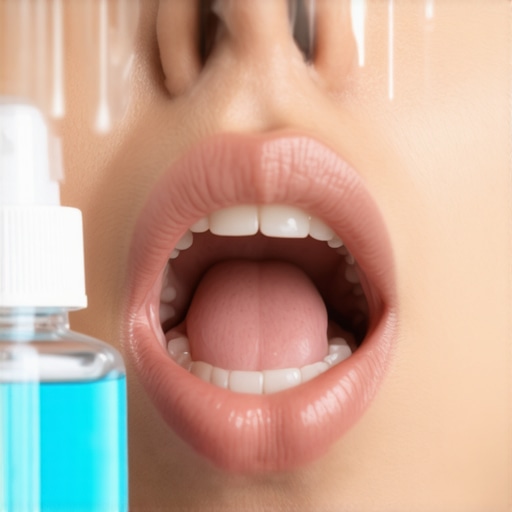
Ever had that moment where you rinse your mouth with mouthwash, only to be greeted by a fiery, burning sensation that lingers long after you’ve spit it out? One minute, I was trying to freshen my breath; the next, I was grimacing in discomfort, wondering what I did wrong. It was a lightbulb moment for me—realizing that my choice of mouthwash could be causing this unpleasant feeling. And trust me, I’m not alone in this; many people experience this burning sensation but feel unsure whether it’s normal or something to worry about.
What’s Really Happening When Your Mouth Feels Like It’s on Fire
The burning sensation after using certain mouthwashes isn’t just a coincidence. It’s often due to the high alcohol content or other harsh ingredients aimed at killing bacteria or whitening teeth. These substances can irritate the soft tissues in your mouth, especially if you have sensitive gums or minor cuts. Early on, I made the mistake of ignoring this discomfort, assuming it was just a part of the cleansing process. But I soon realized that persistent irritation could lead to larger issues like gum recession or increased sensitivity. Recognizing this is crucial because what seems like a ‘normal’ side effect could be your body’s way of signaling a problem.
Are Mouthwashes That Burn Worth the Risk?
This question haunted me—and possibly you too. Is that sharp, burning feeling a small price to pay for fresh breath and a clean mouth? Honestly, I used to think so. I believed that all mouthwashes were created equal, and a little sting meant it was working. But I was wrong. Over time, I learned that many over-the-counter rinses contain ingredients that can do more harm than good, especially if used excessively or if you have sensitive oral tissues. Interestingly, studies show that some mouthwashes with less alcohol are just as effective and cause less irritation (source). The key is knowing what to look for and choosing products that suit your unique needs.
If you’ve ever felt that fiery burn and wondered whether it’s something you should ignore or address, you’re not alone. In this post, we’re going to explore practical ways to identify, prevent, and soothe this discomfort so your oral hygiene routine becomes a source of comfort, not agony. Stay tuned—you don’t have to suffer through that fiery mouth feeling anymore!
.
Choose the Right Mouthwash for Sensitive Mouths
When I realized the burning sensation was linked to alcohol content, I tested different products. I started by reading labels carefully, looking for mouthwashes labeled as “alcohol-free” or “gentle”. I found a brand that used soothing ingredients like aloe vera and chamomile, which reduced irritation. By switching to these options, I experienced less burning and maintained fresh breath without discomfort. Remember, not all mouthwashes are created equal, so spend time selecting those designed for sensitive gums or oral tissues.
Implement Proper Rinsing Techniques
Dilute Your Mouthwash
Instead of using mouthwash straight from the bottle, I started diluting it with water—about half-and-half. This simple step significantly lessened the harshness. I poured a small amount into a cup, added equal parts water, then swished gently for 30 seconds before spitting. This dilution reduced the concentration of irritating ingredients, making my routine more comfortable while still effective.
Limit Rinsing Duration
Initially, I was rinsing for a full minute, believing longer was better. However, I noticed increased irritation. So, I shortened my rinsing time to 15-20 seconds, focusing on thorough coverage rather than prolonged rinsing. This adjustment prevented overexposure to harsh chemicals and minimized burning. Time your rinsing to be swift but effective, ensuring you don’t sacrifice comfort for clean teeth.
Optimize Mouthwash Usage Frequency
Overusing mouthwash can exacerbate irritation, especially if you’re prone to sensitivity. I adopted a routine of once or twice daily, preferably after brushing and flossing, allowing my tissues time to recover. If you experience persistent discomfort, consider reducing the frequency further or alternating with milder oral rinses. This moderation helps maintain oral hygiene without irritating your soft tissues.
Protect Sensitive Areas with Barrier Methods
I tried applying a thin layer of petroleum jelly or a desensitizing gel around sensitive gum areas before rinsing. This acting as a protective barrier minimized direct contact with irritating ingredients. During my experimentation, I applied a small amount with a finger, waited a few minutes for it to set, then rinsed. The result was a noticeable decrease in discomfort, especially around inflamed or sensitive spots.
Consult Your Dentist for Personalized Advice
If discomfort persists despite these adjustments, it’s wise to consult a dental professional. They can recommend specific products suited for your oral health, prescribe medicated rinses if necessary, or identify underlying issues like gum disease or minor cuts that increase sensitivity. Remember, proper guidance ensures you’re not just masking symptoms but addressing root causes.
By carefully selecting your mouthwash, adjusting your rinsing technique, limiting usage, and protecting sensitive tissues, you can significantly reduce the fiery sensation that plagues many users. A more comfortable oral hygiene routine isn’t just a matter of convenience—it’s essential for long-term gum and tissue health. For further insights on dental products and care routines, explore teeth whitening strategies and family dentistry tips.
Many patients believe that Invisalign is a quick fix for perfect teeth, but the reality involves nuance; for instance, compliance plays a crucial role in the final outcome, and advanced cases may require adjunctive treatments. Similarly, a common myth is that teeth whitening is purely cosmetic; however, overuse of whitening products can lead to increased sensitivity or enamel erosion, especially if not tailored to individual enamel health. When it comes to family dentistry, many assume that visiting any dentist will suffice for all ages, but specialists in pediatric or geriatric dentistry often provide tailored care that general dentists might overlook. Veneers are often considered a simple aesthetic solution, yet improper placement or choice of material can result in issues like chipping or mismatch in translucency, especially if the dentist isn’t experienced in smile aesthetics.
A significant ‘oops’ factor involves the temptation to choose cheaper, non-certified veneer options online—this can lead to irreversible damage, including discoloration or tooth sensitivity, which underscores the importance of consulting qualified professionals. Moreover, advanced patients often overlook the importance of understanding the long-term maintenance of these treatments; for example, neglecting proper oral hygiene around veneers or not maintaining Invisalign retainers can compromise results.
Ask yourself: How do I differentiate between superficial fixes and truly understanding the complexities of my dental treatments? For example, a recent study in the *Journal of Esthetic & Restorative Dentistry* emphasizes the importance of proper case selection and material choice for veneers to prevent future complications (source). This highlights that advanced knowledge and careful planning are essential for achieving lasting results.
Remember, choosing the right treatment isn’t just about aesthetics; it involves understanding the underlying function, material science, and your unique oral health needs. To explore how to make informed decisions about your smile enhancements, check out our comprehensive guides on [teeth whitening](https://smilegumcare.com/brighten-your-life-top-teeth-whitening-strategies-today), [invisalign](https://smilegumcare.com/invisalign-secrets-achieving-a-perfect-smile-discreetly), and [veneers](https://smilegumcare.com/veneers-made-simple-transform-your-tooth-aesthetics-in-2025-at-1822). Think beyond the quick fix—your smile deserves thoughtful, personalized care.
Investing in Maintenance Tools for Long-Term Success
Maintaining your dental work, whether it’s Invisalign, veneers, or whitening treatments, requires the right tools and consistent routines. One essential device I personally rely on is a high-quality sonic toothbrush like the Philips Sonicare. Its gentle yet effective bristle vibrations help clean around veneers and Invisalign attachments without damaging them. Additionally, an interdental brush is invaluable for reaching tight spaces, preventing plaque buildup that could compromise your smile’s longevity.
How do I maintain my dental enhancements over time?
Regular professional check-ups are crucial. I schedule visits every six months, ensuring that any minor issues are caught early—saving me from expensive repairs down the line. For Invisalign, consistent wear and proper cleaning are vital; I use a specialized aligner cleaner like Retainer Brite to prevent stains and odors, extending the life of my aligners. For veneers, avoiding biting hard foods is key, but when accidents happen, I turn to professional repair services — never DIY.
Utilize Software for Clarity and Record-Keeping
Embracing digital tools streamlines my dental maintenance. I use dental appointment management apps to track treatments, upcoming check-ups, and wear schedules. These apps also store photos of my progress, enabling me to notice subtle changes over time. Such meticulous record-keeping boosts my confidence, knowing my treatment is on track and well-maintained.
What’s the future of dental maintenance tools?
Expect smart, AI-powered devices to become more common, offering personalized cleaning routines based on your oral health data. Implantable sensors might soon alert you to early signs of inflammation or decay. Staying ahead with innovative tools ensures your investments in treatments like whitening or veneers remain effective for decades.
Scaling Care to Fit Your Lifestyle
As treatment options like Invisalign improve, their maintenance also adapts. For example, I now use ultrasonic cleaning devices that sanitize aligners and retainers in minutes, making daily routines more convenient. For busy families, integrating these tools into regular schedules prevents neglect and enhances outcomes — see family dental care strategies for tailored advice.
Final thoughts
Staying on top of your dental treatments involves more than just occasional visits; it requires investing in the right tools and habits. By adopting advanced cleaning devices, leveraging digital records, and contemplating future innovations, you ensure your smile remains radiant and healthy for the long haul. Don’t wait for problems to arise—start integrating these strategies today, like trying out an ultrasonic cleaner to refresh your aligners effortlessly.
Ready for an upgrade? Discover more about cutting-edge dental maintenance techniques by exploring latest whitening strategies and personalized care routines. Your smile’s longevity depends on it!
Embarking on dental enhancements like Invisalign or veneers can be both exciting and daunting. Through my own journey, I discovered insights that transformed my approach from hesitant to confident. Today, I want to share these hard-earned lessons so your smile transformation becomes as smooth and rewarding as possible.
The Wisdom I Wish I Had Early On
- Consistency Over Perfection: I learned that regular maintenance and adherence to routines outweigh flashy treatments. Small daily habits, like proper cleaning tools and habits, made a significant difference in the longevity of my veneers and Invisalign results.
- Choosing Expertise Matters: Opting for qualified specialists, especially for veneers or complex corrections, prevented costly mistakes. For instance, consulting professionals who understand smile aesthetics prevents mismatched or chipped veneers—that’s a lesson I won’t forget.
- Patience Is a Virtue: Expecting instant results can lead to frustration. My experience taught me to trust the process, whether it was wearing Invisalign trays diligently or allowing my gums to recover after treatments. Long-term benefits follow patience.
- Personalized Care Is Key: Tailoring treatments to my unique oral health, age, and lifestyle proved essential. I avoided one-size-fits-all solutions, exploring alternatives like less abrasive whitening options and gentle rinses for sensitive gums.
- Maintenance Tools Are Game-Changers: Investing in quality sonic toothbrushes and interdental brushes helped me sustain my smile. These tools, while simple, provided effective defense against plaque and staining, especially around veneers and aligners.
What Resources Guided My Smile Transformation
- Teeth whitening strategies: I trust this guide for understanding safe, effective whitening tailored to my enamel and sensitivities.
- Invisalign tips for perfect results: It emphasized the importance of compliance and proper cleaning, which made my aligner experience smoother.
- Family dentistry insights: This resource helped me understand age-specific care, ensuring my treatments complemented my overall oral health.
- Veneer maintenance guides: They highlighted the importance of proper placement and avoiding damaging foods, prolonging their natural look.
Inspire Your Smile Evolution Today
If you’re considering transforming your smile with Invisalign, veneers, or family dentistry, remember—your commitment and informed choices shape your success. Embrace the journey, trust skilled professionals, and invest in the right tools and routines. Your future self will thank you for taking proactive steps today, ensuring enduring confidence and oral health.
What part of your smile transformation are you most excited or nervous about? Share your thoughts below—let’s support each other’s journey toward healthier, brighter smiles!