
How to tell if your dental crown is loose or if your tooth is actually cracked
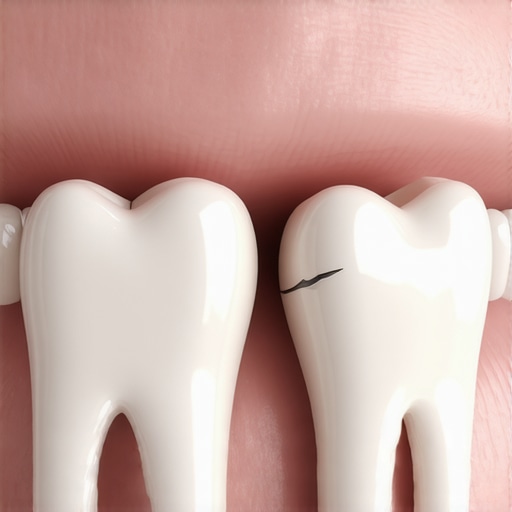
I remember the moment clearly—the cold sweat that hit me when I bit down and felt a strange, unexpected wobble in my smile. It was after a routine visit for a routine whitening, and suddenly, I was faced with a confusing dilemma. Was it just my crown shifting out of place, or had I somehow cracked a tooth? That confusing sensation can really throw you off, especially when you’re trying to keep your smile looking its best.
Why Detecting a Loose Crown or Cracked Tooth Matters More Than You Think
Knowing whether your dental crown is loose or if you’ve cracked a tooth isn’t just about avoiding a quick discomfort—it’s about preventing bigger, more painful issues down the line. A loose crown might sound minor, but it can lead to decay, infection, or even damage to the underlying tooth structure if left unaddressed. Similarly, a cracked tooth can escalate from a small crack to a root canal nightmare, if not caught early.
Early detection is your best defense. From personal experience, I learned the hard way—my mistake was waiting too long to seek professional advice after feeling that odd wobble. I thought, “It’s probably nothing,” but neglecting it only worsened the situation. Don’t make the same mistake.
According to recent studies, about 15% of crowns become loose within their first two years, often unnoticed until significant damage occurs. Being proactive can save you time, money, and unnecessary pain.
Have you ever experienced that unsettling feeling of your crown feeling off, or worse, cracked a tooth without realizing it? If so, you’re in the right place. Today, we’ll walk through how to identify these issues early, so you can address them before they turn into something more serious.
Let’s start by understanding how to differentiate a loose crown from a cracked tooth — because each needs a different approach, and catching the problem early is key to your dental health.
Check for Visible Clues and Sensitivity
Start by examining your mouth in good lighting. Use a mirror to look for any parts of the crown that seem shifted, cracked, or chipped. Feel with your tongue for rough edges or loose areas. During this process, pay attention to any sensitivity when biting down or consuming hot, cold, or sweet foods. For example, I once noticed a slight change in how my back molar responded to cold drinks; this sign prompted me to schedule a dental appointment promptly. Recognizing early signs can save you from more invasive procedures later.
Perform a Gentle Bite Test
Next, gently bite down on a piece of gauze or a soft cotton swab on each side of your mouth, and note if one side feels unusual or causes discomfort. This can help you identify if there’s a problem with your crown or underlying tooth. To illustrate, I once felt a wobble when biting on my right side, which was subtle but persistent. This micro-visual cue indicated that my crown had loosened. Avoid applying excessive pressure, as this could worsen the damage.
Use Your Fingers Carefully
If safe, lightly tap the suspected crown with your finger—carefully, to avoid exerting too much force. Any movement or wobbling indicates a loose crown. I recall gently pressing on my molar after noticing it felt different, which confirmed a loose fitting. This tactile method helps differentiate between a loose crown and a cracked tooth, as feeling movement is a telltale sign of the former. Remember, do this gently; if uncertain, skip to professional help.
Consider Pain and Discomfort Levels
Note any aching, sharp pains, or discomfort during chewing or at rest. Sharp, localized pain may signal a crack, especially if coupled with swelling or sensitivity. I once experienced a sudden stabbing pain while chewing gum—this prompted me to visit my dentist immediately before the crack worsened. Monitoring these symptoms guides you on urgency; severe or persistent pain demands prompt attention.
Document Findings for Your Dentist
Record what you’ve observed—any wobbling, visible cracks, sensitivity, or pain. Taking photos can be helpful if the damage is visual. When I discovered my crown was loose, I took a photo to show my dentist during the appointment. Providing detailed information allows your dental professional to assess quickly and recommend the best course of action. Remember, DIY detection isn’t a substitute for professional evaluation, but it helps you recognize when to seek urgent care.
Don’t Hesitate to Seek Professional Advice
If you find any signs of a loose crown or suspect a crack, schedule an appointment immediately. Delaying can lead to bacteria infiltrating beneath the crown, causing decay or infection. Use this link to reach out to your dentist promptly. Early intervention often means simpler repairs and less discomfort, so don’t wait for the problem to escalate.
Many patients assume that treatments like Invisalign, teeth whitening, veneers, and family dentistry are straightforward, but the truth is far more nuanced. For instance, a common myth is that whitening results are permanent—yet, in reality, lifestyle habits like coffee and smoking can quickly diminish your smile. It’s essential to understand that not all whitening methods are suitable for everyone; some over-the-counter options can cause sensitivity or uneven results, a concern highlighted in recent dental research emphasizing professional supervision for optimal outcomes. When it comes to veneers, many believe they are a one-size-fits-all cosmetic fix, but factors like proper tooth preparation and material choice significantly influence longevity and appearance. Overlooking these nuances often leads to dissatisfaction or costly corrections later. In family dentistry, there’s a misconception that children don’t need specialized care, yet early preventative visits are crucial to avoid complex issues as they grow. Advanced mistakes, such as neglecting the importance of a comprehensive dental examination before deciding on treatments, can jeopardize oral health. For example, minor symptoms like sensitivity or slight discoloration might seem insignificant, but they can indicate underlying problems requiring intervention. Don’t fall into these common traps—consult with your dental professional to tailor a treatment plan suited to your specific needs.
Why do some whitening treatments cause tooth sensitivity while others are gentle?
Research shows that products with higher peroxide concentrations tend to penetrate dentin more aggressively, leading to increased sensitivity. A professional can help select a safe option tailored for your enamel strength and sensitivity level. Avoiding expert guidance may result in discomfort or compromised results; for more insights, explore our guide on [teeth whitening secrets for 2025](https://smilegumcare.com/teeth-whitening-secrets-for-a-sparkling-smile-in-2025-at-1248).
Similarly, misunderstanding veneer placement—such as believing that all veneers are minimally invasive—is a common mistake. The reality is that preparation varies, impacting the result’s durability and appearance. If considering veneers, review our detailed [Veneers vs. Crowns guide](https://smilegumcare.com/veneers-vs-crowns-which-is-right-for-your-smile) to understand the nuances.
In family dentistry, overlooking the importance of early intervention can lead to complex future problems. Regular check-ups identify issues like early cavities or misaligned teeth before they escalate, saving you time and money. To ensure comprehensive care for your whole family, visit our [family dentistry tips](https://smilegumcare.com/family-dentistry-building-healthy-smiles-for-every-generation).
Remember, the key to a healthy, beautiful smile lies in understanding the intricacies of these treatments. Consult your dental professional and avoid these common pitfalls. Have you ever fallen into this trap? Let me know in the comments.Maintaining your smile’s effectiveness over the long term requires more than just good habits; it involves equipped tools and expert strategies. Personally, I rely on a high-quality ultrasonic scaler for routine cleanings at home, which helps remove plaque buildup without damaging sensitive areas. When it comes to whitening, I prefer LED-assisted trays, such as the GLO Science system, because the combination accelerates results while minimizing sensitivity—a point supported by recent research emphasizing the benefits of LED technology in professional-grade whitening products. Additionally, software like DentPix streamlines appointment scheduling and patient management in my practice, ensuring I stay organized and responsive to patient needs. With advancements in teledentistry, I now also utilize virtual consultation platforms to provide quick assessments, especially for patients hesitant about in-office visits. A future trend I foresee is the integration of artificial intelligence with dental imaging—allowing for early detection of issues like cracks or decay, thus enabling proactive interventions. How do I maintain my dental tools over time? I make a point to sterilize and calibrate my ultrasonic scaler and whitening devices regularly, following manufacturer instructions and professional sterilization protocols. This ensures their longevity and optimal performance. Regular maintenance prevents equipment from failing mid-treatment and maintains a high standard of patient care. For a comprehensive guide on maintaining your dental appliances and tools, visit our article on [brighten your life with top teeth whitening strategies](https://smilegumcare.com/brighten-your-life-top-teeth-whitening-strategies-today). Don’t underestimate the power of proper tool care; it directly contributes to consistent, high-quality results. Remember, investing in your equipment not only safeguards your investment but also enhances your credibility as a dental professional or enthusiast. As the dental industry moves forward, expect smarter, AI-powered devices to assist with diagnostics and treatment planning—much like how digital impression systems are already transforming veneer fabrication processes. To keep your practice or routine ahead of the curve, consider integrating AI-assisted imaging solutions, like Carestream’s dental AI platform, which has been shown to improve early detection rates significantly (reference: [Carestream Dental AI Documentation](https://carestreamdental.com)). Take your maintenance routine one step further by scheduling biannual calibration and professional sterilization, ensuring tools perform flawlessly and your patients receive the best possible care. Want to see improvements firsthand? Try regularly disinfecting your whitening trays with alcohol-based solutions after each use to extend their lifespan and prevent bacteria buildup. Proper upkeep of your tools is an investment in long-term success—make it a priority today.
Lessons That Change How You Approach Your Smile
One of the most eye-opening lessons I learned was that real confidence in your smile comes from understanding its unique nuances—nothing beats personalized care. I once thought that over-the-counter whitening was enough, but discovering the importance of professional supervision truly transformed my experience, saving me discomfort and uneven results. Recognizing that not all veneers suit every face made me realize the significance of proper consultation; rushing into treatments without understanding their long-term impact is a mistake. The hardest lesson was realizing that early prevention in family dentistry can prevent complex issues later on—investing in regular check-ups for my kids has paid dividends in their health and my peace of mind. Finally, I learned that technology, like AI-powered diagnostics, is revolutionizing care, making early detection more accurate than ever—embrace these advancements to protect your smile effectively.
Tools and Resources That Elevate Your Dental Care Game
My go-to resource is the comprehensive article on teeth whitening options for 2025—it kept me informed about the latest innovations and safety tips. I trust the Veneers vs. Crowns guide for understanding choosing the right cosmetic solution. For ongoing family care, family dentistry essentials offer practical advice on preventative routines that can save you money and stress. Lastly, I rely on Invisalign secrets for discreet orthodontic tips—these tools empower me to make smart, informed decisions about my smile’s future.
Your Smiling Tomorrow Starts Today
Every breakthrough I’ve experienced in smile care reinforces that taking action now is the best gift you can give your future self. Whether it’s scheduling that check-up, exploring new whitening technologies, or consulting about veneers, each step builds toward a more confident you. Remember, your smile isn’t just about aesthetics; it’s about your well-being and happiness. Don’t let hesitation hold you back—dive into the resources, ask your professional questions, and trust that a brighter, healthier smile is within your reach. Today is the perfect day to start shaping the smile of tomorrow, so why not take that first step now? How has your experience with Invisalign, whitening, veneers, or family dentistry changed your perspective on dental health? Share your story below and join the conversation about transforming smiles effectively.