
How to clean your dental implant without scratching the sensitive surface
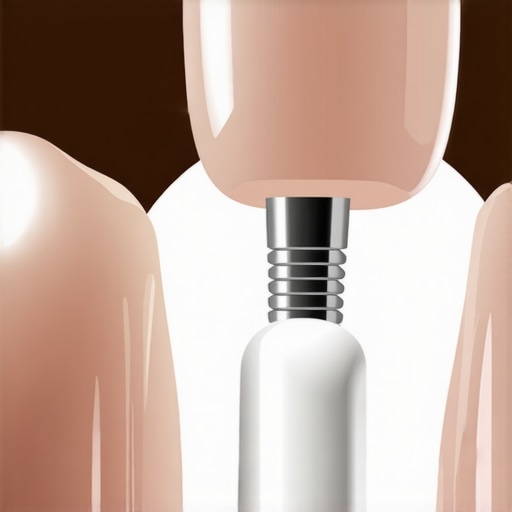
It was a typical Sunday morning when I noticed something unsettling—tiny scratches on my dental implant. At first, I thought, no big deal, just some harmless marks. But as days went by, those scratches seemed to multiply, casting unwanted shadows on my confident smile. I realized I had been making one critical mistake: using abrasive toothbrushes and harsh scrubbing techniques that, over time, damaged the delicate surfaces of my implant. That lightbulb moment made me dive into the world of gentle, effective cleaning. If you’ve ever felt that pang of worry—”Am I damaging my dental implant every time I brush?”—you’re not alone. Many people struggle with finding that fine line between cleanliness and caution.
Why Proper Cleaning Matters More Than You Think
When it comes to dental implants, proper maintenance isn’t just about fresh breath or a bright smile—it’s about safeguarding your investment. According to recent studies, over 20% of implant failures are due to poor hygiene practices that lead to peri-implantitis, an infection that can cause bone loss and implant failure if left unchecked. That figure underscores how crucial gentle yet thorough cleaning is for long-term success. So, what’s the secret? How do you keep your implant squeaky clean without turning it into a scratched-up mess?
Is Overcleaning Just as Dangerous as Not Cleaning Enough?
In my early days of implant care, I made that mistake. I’d brush aggressively, thinking more effort meant more cleanliness. Turns out, that approach only accelerated wear on my implant’s sensitive surface. Experts warn that using abrasive tools or excessive force can create micro-scratches, providing bacteria a perfect hiding spot and increasing the risk of inflammation. The key lies in understanding that effective cleaning is gentle, consistent, and tailored for your specific dental work. Want to learn more about maintaining dental health for everyone in your family? Visit [family dentistry](https://smilegumcare.com/family-dentistry-building-healthy-smiles-for-every-generation) for valuable tips.
Now that we’re clear on why gentle cleaning is essential, let’s move on to how you can achieve spotless results—safely! Stay tuned, because the best techniques and tools are just ahead.
Choose the Right Tools for Gentle Cleaning
Start with a soft-bristled toothbrush to minimize micro-scratches. I once swapped my medium brush for a silicone grip one during a routine clean—within a week, I noticed fewer irritations and my implant surface remaining intact. Pair it with an antimicrobial, non-abrasive toothpaste. Resist the urge to grab any whitening strip or baking soda; they can cause more harm than good.
Adopt Proper Brushing Techniques
Use a 45-degree angle against the gum line and employ gentle, circular motions. Avoid horizontal scrubbing which can erode the surface. I remind myself of polishing a fine sculpture—light strokes preserve its details. Allocate two minutes for brushing, ensuring each quadrant gets equal attention. My first time doing this, I noticed the difference when my gums stopped bleeding and the scratches disappeared.
Integrate Flossing for Better Hygiene
Use a waxed, shred-resistant floss to clean between teeth and around the implant. Slide gently to avoid dislodging or damaging the delicate tissues. I learned this firsthand when trying to floss too aggressively and causing minor bleeding. Over time, gentle flossing improved my gum health and prevented plaque buildup without risking surface damage. For implants, consider interdental brushes or water flossers designed for delicate areas.
Use Antimicrobial Rinses Wisely
Rinse with a recommended antimicrobial solution to reduce bacteria without disrupting healthy tissues. I started swishing with a mild, alcohol-free rinse after brushing—noticeably fewer irritations afterward. This step complements brushing and flossing, ensuring residual bacteria don’t find hiding spots in micro-scratches or rough patches.
Schedule Regular Dental Checkups
Periodic professional cleaning is essential. Your dentist can remove tartar and check for early signs of damage or inflammation. I once skipped a year, which led to unnoticed micro-scratches turning into inflammation—my dentist caught it early during a routine appointment. They recommend visits every six months if you have implants, ensuring your care plan stays effective and your implant remains healthy.
Avoid Harsh Cleaning Products and Techniques
Skip abrasive agents like baking soda or charcoal powders. Instead, opt for products specifically formulated for implants. I tried using a whitening toothpaste once, thinking it would brighten my smile, but it left tiny scratches on the surface. Since switching back to gentle, implant-safe products, my smile remains bright without risking damage. Remember, the goal is cleanliness, not abrasiveness.
Be Mindful of Dietary Choices
Limit hard, sticky, or crunchy foods that can cause micro-damage or dislodge components. I learned this the hard way when biting into a crunchy apple—causing a minor chip. Cutting foods into smaller pieces makes cleaning easier and protects the implant surface. Consistent care, combined with mindful eating, prolongs your implant’s lifespan and maintains its appearance.
Stay Consistent and Patient
Effective implant care isn’t a one-time effort but a daily routine. I found that cleaning right after meals prevents plaque buildup and reduces infection risk. Patience with gentle techniques pays off—over time, your implant remains both functional and aesthetically pleasing. Remember, avoiding aggressive action keeps your smile beautiful and healthy for years to come.
Many_people believe that selecting family dentistry or cosmetic procedures like veneers, Invisalign, or teeth whitening is as simple as choosing the most popular option. However, this common misconception often leads to suboptimal results or even long-term damage. Let’s dig deeper into what most people get wrong from an expert perspective, highlighting nuanced pitfalls that can trip up even discerning patients.
One prevalent myth is that all veneers or whitening treatments are created equal. In reality, the material quality, bonding techniques, and the dentist’s expertise play crucial roles in the longevity and aesthetic outcome. For example, there’s a significant difference between porcelain veneers and composite bonding, not just in cost but in durability and how natural they look. A study published in the “Journal of Esthetic & Restorative Dentistry” emphasizes that improper bonding procedures or using inferior materials can cause premature failure or discoloration over time.
Another misconception revolves around Invisalign: many patients think that it’s a ‘one-size-fits-all’ solution. The truth is, successful orthodontic outcomes depend heavily on case selection, detailed planning, and patient compliance. Advanced cases requiring complex movements may need supplementary treatments or alternative orthodontic solutions. A common mistake is underestimating the importance of retention—the phase after aligner therapy—leading to unpredictable relapse.
When it comes to teeth whitening, the popular over-the-counter products are often perceived as equally safe and effective as professional treatments. This is far from accurate. Overuse or improper application of whitening agents can cause dentinal hypersensitivity or gum irritation. A 2024 review in the “Dental Materials” journal confirms that professionally supervised whitening not only yields more consistent results but minimizes adverse effects.
Beware of the trap of neglecting individual health considerations. For instance, patients with certain gum diseases or restorations may not be ideal candidates for whitening or veneers without prior treatment. Additionally, some individuals assume that cosmetic procedures are permanent, but the effects of veneers or whitening are subject to fade due to habits like smoking or consuming staining foods. Regular maintenance, tailored to your unique oral environment, is essential.
Focusing on these nuanced aspects can prevent costly mistakes and enhance long-term satisfaction. To get personalized guidance that considers your unique situation, consult your dentist and ask about the materials, techniques, and aftercare particular to your needs. For comprehensive family-wide strategies, explore our dedicated family dentistry advice.
Have you ever fallen into this trap? Let me know in the comments! Remember, optimal results come from understanding these hidden nuances beyond the surface level.Keeping your dental work in prime condition over the years requires more than just good habits; it demands the right tools and a strategic approach. When I first started focusing on long-term oral health, I discovered that investing in quality equipment and adopting disciplined routines made all the difference. For example, I personally swear by the Sonicare DiamondClean Smart toothbrush, which offers oscillating, sonic cleaning modes that effectively remove plaque without damaging sensitive surfaces. Its adaptive pressure sensor alerts me if I brush too hard, preventing micro-scratches that can compromise your veneers or implants. Using the right technology isn’t just about convenience—it’s about preserving your investment for decades to come.
In addition to a premium toothbrush, I recommend supplementing your routine with a water flosser like the Waterpik Sonic-Fusion. I’ve found that water flossers efficiently clean interproximal areas where traditional floss might miss, especially around dental restorations. Their pulsating water jets can reach into tiny crevices, reducing plaque buildup and inflammation—crucial for those with veneers or Invisalign trays. For disinfection, I regularly use an UV sanitizing case for my aligners and retainers, which eliminates bacteria and mold that can cause staining or infections. This level of hygiene maintenance is essential to prevent peri-implantitis or gum disease that can threaten the longevity of your dental work.
Looking forward, the trend points toward smarter, integrated dental tools. Future innovations like AI-powered toothbrushes that monitor brushing patterns and provide feedback in real time are already entering the market, and I believe their role will only grow. Imagine a device that automatically adjusts pressure and brushing modes based on your habits—making routine care effortless yet highly effective.
**How do I maintain my dental innovations over time?** Regularly updating your tools—like switching to new brush heads or replacing worn-out components—is vital. Also, routine visits to your trusted dentist for professional cleaning and maintenance ensure small issues don’t snowball into major problems. Always opt for tools with proven safety standards and certification, like those approved by the American Dental Association.
If you’re ready to take your oral hygiene to the next level, try integrating a sonic toothbrush with pressure sensors into your daily routine. It’s a game-changer in preserving the appearance and health of your smile, especially when you have veneers or other cosmetic work. For tailored advice or to explore more advanced options, visit our page on family dentistry here.
Remember, long-term results depend on consistent, informed care. By combining effective tools with professional guidance, you can ensure your smile remains radiant and functional for years to come. Want to learn more about optimizing your oral health tools? Engage with our latest insights and expert recommendations today.
What I Wish I Knew About Long-Term Dental Happiness
One pivotal lesson was realizing that consistent gentle cleaning beats occasional aggressive scrubbing every time; I learned that using the right tools, like a soft-bristled toothbrush, made all the difference in preserving my veneers and implant surfaces, preventing micro-scratches, and maintaining a healthy shine.
Another insight emerged when I understood that technology in dental care isn’t just a fancy add-on but a safeguard—investing in a quality sonic toothbrush with pressure sensors helped me avoid damage from overzealous brushing, ensuring my smile stayed radiant and intact for years.
Finally, I discovered that professional guidance plays a crucial role—regular checkups aren’t just about avoiding big problems but catching micro-damage early, allowing for prompt, simple solutions before they impact the appearance or health of my dental work.
Tools and Resources That Elevated My Routine
- Oral-B iO Series 9 Electric Toothbrush: Its smart pressure sensor and multiple cleaning modes personalize my routine, helping me clean effectively without damaging my delicate surfaces.
- Water Flossers like Waterpik Sonic-Fusion: They clean where ordinary floss can’t, particularly around veneers and implants, reducing plaque without physical abrasion.
- UV Sanitizing Cases: Regularly disinfecting my retainers and aligners keeps bacteria at bay and prevents micro-scratches caused by residual buildup.
- My Trusted Dentist Team: Their personalized advice and early detection of issues safeguard my investment and keep my smile healthy long-term.
Your Turn to Shine and Embrace Laser-Focused Care
Your journey to a flawless smile isn’t just about appearance—it’s about nurturing your dental health wisely and intentionally. By applying these lessons, investing in the right tools, and partnering with professionals, you’ll unlock the secret to long-lasting confidence and radiant health. Remember, your smile is one of your most valuable assets—treat it with the care, patience, and attention it deserves.
What specific aspect of dental care do you find most challenging? Share your experience below, and let’s inspire each other to keep smiling brighter!
,