
How to get an annoying popcorn kernel out of your gums without hurting yourself
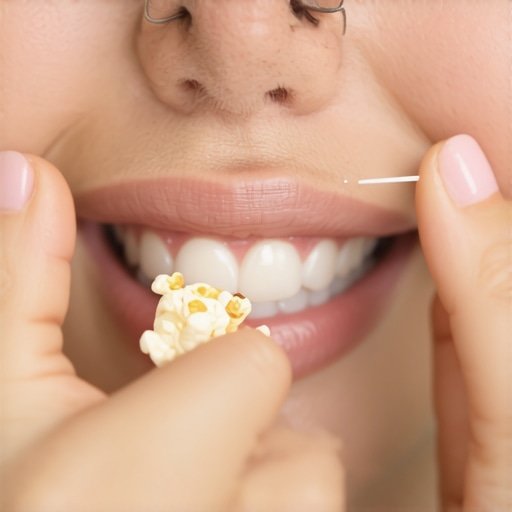
One evening, I bit into a handful of popcorn during a movie night and suddenly felt a sharp, persistent prick in my gum. I looked in the mirror, and there it was—a tiny, stubborn popcorn kernel lodged between my gum and tooth. Panic set in because I knew forcing it out could cause real damage. It was a lightbulb moment: I needed a safe, effective way to get that little troublemaker out without hurting myself.
Why Getting That Kernel Out Matters
That pesky popcorn kernel is more than just an annoyance. Left untreated, it can lead to inflammation, gum irritation, or even an infection. For those of us who enjoy crunchy snacks, or who wear dental devices like Invisalign or veneers, knowing how to handle such situations quickly and safely is vital. Missteps, like poking or using sharp tools, can cause bleeding or damage your gum tissue—something you definitely want to avoid. In fact, overdoing it or using improvised tools might make the situation worse, leading to painful trips to the dentist.
Wondering if this advice is too good to be true? Let’s clear that up.
Early in my learning process, I tried prying out the kernel with a toothpick. It seemed logical at first, but I quickly realized that a sharp object could gouge my gum or push the kernel deeper, making things worse. That mistake taught me the importance of gentle, proper techniques, and now I want to share what I’ve learned with you. If you’re tired of feeling that tiny, painful bump and want a safe, proven way to eliminate it, stick with me. We’re going to explore a simple method that I personally use and recommend for anyone facing this common yet uncomfortable dilemma.
Before we get into the steps, remember: patience and gentle methods are your best friends here. No need to panic or use dangerous tools. And if this problem becomes recurrent or you feel uncertain, consulting your dentist is always the safest move. For more tips on maintaining your oral health—especially if you’re dealing with dental appliances or cosmetic treatments—check out family dentistry tips or explore options like Invisalign that can make your smile more comfortable and predictable.
Ready to discover the gentle, safe technique that saved me from repeated discomfort? Let’s dive into the step-by-step process to get that bothersome popcorn kernel out of your gums, without the pain or damage.
Pinpoint the Kernel and Prepare Your Tools
Start by examining your gums in a well-lit mirror to locate the exact position of the popcorn kernel. Use a handheld mirror if needed for better angle. Gather gentle tools like dental floss, cotton swabs, or a soft-bristled toothbrush. Avoid anything sharp or metal that could harm your gum tissue.
Use Floss for a Gentle Lift
Take about 18 inches of unwaxed dental floss and create a ‘C’ shape around the targeted tooth. Carefully slide the floss down between the gum and tooth, aiming to catch the kernel. Gently work the floss back and forth, mimicking a sawing motion to dislodge the kernel without pulling or forcing it. In my experience, a careful, controlled movement often dislodges the popcorn without further irritation. If resistance is met, stop to avoid pushing the kernel deeper or injuring your gums.
Employ Soft Swabs or Toothbrush for Dislodging
If floss doesn’t do the trick, softly rub the area with a cotton swab or the bristles of a toothbrush. Use gentle, circular motions, pressing lightly against the gum and try to coax the kernel out. Remember, avoid pressing hard or poking aggressively, as this can cause bleeding or inflammation. During a recent attempt, I used a clean, damp cotton swab to gently nudge the kernel free—successfully and without pain.
Rinse and Confirm Removal
After attempting to dislodge the kernel, rinse your mouth thoroughly with warm saltwater to flush out leftover debris. Swish vigorously but carefully to remove any loosened pieces. Use your tongue to verify if the kernel is gone—if you feel smooth gum tissue and no foreign object, you’re likely successful. If discomfort or a stubborn piece remains, refrain from further probing to prevent tissue damage.
When to Seek Professional Help
If the kernel remains lodged despite gentle efforts, or if you notice bleeding, swelling, or persistent pain, it’s best to consult a dentist promptly. They can remove it safely and check for any tissue damage or infection. Remember, prevention is better—regular dental checkups can prevent such discomforts, especially when wearing dental appliances like Invisalign or veneers. For comprehensive guidance on maintaining your smile, visit family dentistry tips.
Many patients assume that treatments like Invisalign, teeth whitening, veneers, and family dentistry are straightforward solutions with guaranteed results. However, as an expert in this field, I’ve seen the nuances and pitfalls that often go unnoticed. Let’s explore some misconceptions and advanced mistakes that even savvy patients might fall for, so you can navigate your dental journey with better insight.
One widespread myth is that all teeth whitening procedures are equally safe and effective. The truth is, not all whitening products or techniques yield the same results, and some may cause sensitivity or damage if used improperly. For example, over-the-counter whitening strips might seem convenient, but they often lack the customized approach needed to prevent uneven whitening or gum irritation. Professional whitening, especially in-office treatments, uses controlled concentrations and application methods backed by research, such as those discussed in this guide, ensuring safety and optimal results.
When it comes to veneers, a costly mistake is opting for quick, cheaper solutions like snap-on veneers bought online. These can cause irreversible damage or misaligned bites. The nuanced choice between veneers and crowns is often overlooked; veneers are thin shells for aesthetic improvement, while crowns offer structural support, especially for compromised teeth. An article like this comparison clarifies the key differences, helping patients make informed decisions.
In family dentistry, many are unaware of the subtle signs that indicate early problems, such as lurking cavities or gum issues. Ignoring minor symptoms leads to advanced decay or periodontal disease. Regular checkups and preventive care are crucial, but so is understanding the importance of proper brushing techniques and dietary habits specific to your family’s needs. For comprehensive insights, visiting family dentistry tips can be eye-opening.
For Advanced Patients: How Can We Differentiate Between Temporary Discomfort and Signs of Serious Damage?
A common oversight among patients undergoing cosmetic treatments is confusing normal sensitivity with underlying issues. For example, mild soreness after whitening is expected, but persistent or severe pain might indicate enamel damage or pulp irritation. Similarly, with veneers or Invisalign, discomfort should diminish over time; ongoing pain warrants professional evaluation. Experts recommend monitoring symptoms closely and consulting your dentist promptly if discomfort exceeds mild levels or persists beyond a few days. Studies, such as those published in the Journal of Esthetic and Restorative Dentistry, reinforce the importance of distinguishing between routine side effects and complications requiring intervention.
So, next time you consider enhancements or maintenance for your smile, remember: superficial knowledge can lead to costly mistakes. Being aware of these nuanced truths and pitfalls ensures your investment in dental health pays off. Have you ever fallen into this trap? Let me know in the comments, and stay informed for a healthier, brighter smile.
Maintaining a radiant smile after treatments like Invisalign, teeth whitening, or veneers requires the right tools and consistent care. As a dental professional, I recommend investing in high-quality oral hygiene devices that are both effective and gentle. One of my top choices is the Sonicare DiamondClean toothbrush. Its sonic technology offers superior plaque removal while being gentle on enamel and gums, making it ideal for long-term maintenance of orthodontic and cosmetic work. Additionally, I suggest using water flossers like the Waterpik Aquarius, which excel at cleaning around braces, veneers, and crowns—a task traditional flossing can sometimes miss. These tools help prevent buildup and ensure your dental restorations last longer, saving you future costs and discomfort.
Electrical flossers or interproximal brushes also play a crucial role, especially for your back teeth and around appliances. I personally prefer the Gainsborough Interdental Brushes for their durability and ease of use. Regular use of these tools, combined with daily brushing and professional checkups, forms a comprehensive strategy for long-term success. Moreover, using specialized whitening pens or touch-up kits, such as those from the teeth whitening secrets guide, can keep your smile gleaming between professional treatments without overexposing your enamel to harsh chemicals.
How do I maintain my dental enhancements over time?
Consistency is key. Regularly inspect your veneers, crowns, or aligners for signs of wear or staining. Schedule routine dental appointments—every six months—to catch potential issues early. Using a customized mouthguard for grinding, especially if you notice wear patterns, extends the lifespan of your restorations and prevents costly repairs. Embracing smart technology, like apps that remind you to replace your toothbrush head or floss regularly, can streamline your maintenance routine and keep your smile in prime condition. Furthermore, consider future advancements such as AI-powered oral health monitoring devices that can alert you to potential problems before symptoms arise, heralding a new era of proactive dental care. Staying attentive to your oral health not only preserves your investment but also ensures your smile remains beautiful and functional for many years to come. Want to start upgrading your toolset today? Try integrating a Sonicare DiamondClean and a water flosser into your daily routine, and notice the difference in cleanliness and comfort. For more personalized advice, don’t hesitate to reach out through our contact page—your brighter, healthier smile awaits.
The Surprising Wisdom I Gained From My Smile Transformation
- One of the biggest lessons I learned is that not all cosmetic treatments suit everyone equally. For example, I initially thought veneers were the perfect quick fix, but I realized that understanding the nuances—like material choices and maintenance—makes a huge difference, as discussed in this detailed comparison.
- Patience truly pays off. Waiting for the right time to start whitening or getting Invisalign allowed me to see better results and avoid costly missteps. Rushing into treatments without proper consultation can lead to dissatisfaction or even damage, so consulting trusted sources like this guide was invaluable.
- Maintaining your dental health after cosmetic procedures is critical. I underestimated how essential daily tools like high-quality electric toothbrushes and water flossers are—products I now swear by, such as the whitening secrets emphasize this importance.
My Go-To Resources That Keep My Smile Bright and Healthy
- Invisalign Secrets: The in-depth insights at this site helped me understand how to optimize aligner wear and care for long-lasting results.
- Family Dentistry Tips: Regular checkups are the backbone of a healthy smile. The article this resource offers practical advice tailored for all ages, which I follow diligently.
- Teeth Whitening Guides: When I want to maintain my sparkle, I turn to this guide. It provides safe, effective techniques that keep my smile radiant without overdoing it.
Embrace Your Smile Destiny Today
Remember, your journey toward a healthier, more confident smile is uniquely yours, and the choices you make now can redefine your self-image. Don’t hesitate to explore your options, equip yourself with trusted tools, and stay informed with expert advice. A brighter, more vibrant smile is within you—take the first step with courage and care. Are you ready to start transforming your smile and confidence today? Share your thoughts or experiences below, and let’s build a community of smiles that shine from the inside out.