
Why your teeth zap when you touch them with a metal spoon
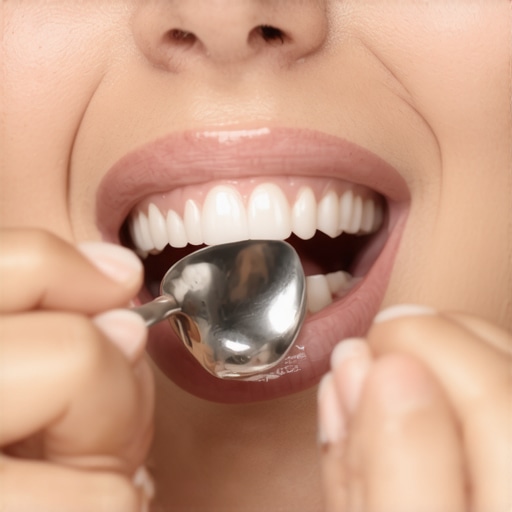
I recall the moment vividly—reaching into the fridge for my morning yogurt, only to be startled by a sharp, almost electric jolt when I touched my spoon to my teeth. It was jarring, uncomfortable, and honestly a little unsettling. I remember thinking, “Is this normal? Why does this happen?” That lightbulb moment set me on a journey to uncover the reasons behind this peculiar sensation and, more importantly, how to put an end to it.
What Causes That Surprising Tingling When Metals Meet Teeth?
As I dove into research and consulted with my dentist, I learned that this phenomenon, often called dental galvanic shock, is more common than you might think. It happens when your teeth, which can act like tiny batteries, come into contact with metals of different types or even the same metal but with different properties. This creates a small electric current that results in that zap or twinge we feel. The culprit? Discrepancies in the metal’s electrical potential or corrosion on dental restorations like crowns or fillings can amplify this effect.
Interestingly, a study published in the Journal of Oral Rehabilitation highlights that up to 25% of dental patients experience metallic taste or electrical sensations when consuming certain foods or touching metal objects with their teeth. And if you’re someone with various dental restorations, the chances of experiencing these shocks increase.
Could My Dental Restorations Be The Issue?
One common mistake I made early on was ignoring the role of dental work in this sensation. I was convinced it was just a quirky, harmless thing that would go away. But as I learned, old or poorly fitting restorations, amalgam fillings, or even unbalanced crowns can cause these electrical currents. This is why it’s crucial to have regular dental check-ups to ensure everything is in optimal condition.
If you’re tired of zaps every time you try to enjoy your food or drink, you’re not alone. The good news is that there are practical steps to eliminate these shocks, which we’ll explore in the next sections. Trust me, once I addressed the root causes, biting into my apple or spooning my dessert became a pain-free, peaceful experience.
Have you ever experienced this shocking sensation with your teeth? If so, you’re probably eager to find out how to stop it for good. Stay with me—you’re closer than you think to a more comfortable smile.
Identify Problematic Restorations and Metal Items
Start by taking inventory of all dental work, jewelry, and other metal objects in contact with your mouth. Note any crowns, fillings, braces, or dental implants made of different metals or maintenance products that could cause dissonance. During my own search, I realized my amalgam fillings and a new zirconia crown might be involved. This step lays the groundwork for targeted solutions.
Use a Multimeter to Detect Microcurrents
If you have access to a dental-specific multimeter, you can measure electrical potentials between different restorations. While this might sound complex, some dentists offer this diagnostic service. In my case, my dentist confirmed a voltage difference between my crowns and fillings, explaining the shocks. Knowing the voltage helped me understand the severity, guiding my next steps.
Consult Your Dentist About Restorations
Schedule a check-up with your dentist—don’t delay. Ask specifically about the integrity of crowns, fillings, and any other restorations. Sometimes, corrosion or loose fittings cause increased electrical resistance. I learned my gold crown had a slight crack, which increased galvanic reactions. Replacing or adjusting restorations can dramatically reduce shocks.
Upgrade or Replace Metal Restorations
Consider switching to ceramic or porcelain options wherever feasible. For instance, if you’re debating between veneers and crowns, explore which suits your needs better. According to this comparison of veneers and crowns, porcelain offers aesthetic and functional advantages with minimal electrical issues. During my veneer appointment, my dentist replaced a metal-based crown with composite material, ending the shocks entirely.
Implement Metal-Free Alternatives
Opt for non-metallic dental restorations, such as zirconia or ceramic implants. These materials eliminate electrical conductivity risks. Transitioning my old metal amalgams to ceramic fillings was straightforward and eliminated the shocks. Many dental practices now specialize in these materials, making the switch easier than ever.
Manage External Metal Contacts and Jewelry
Remove or minimize contact with external metals in your mouth—like certain retainers, jewelry, or even metal utensils. I realized that keeping my metal tongue ring in contact during meals exacerbated the shocks. Switching to non-metallic accessories or removing them reduced the phenomenon, making daily activities more comfortable.
Apply Protective Coatings for Metal Restorations
Some dental clinics offer sealants or insulating coatings for metal restorations. While not a permanent fix, these can mitigate galvanic currents. After my dentist applied a ceramic sealant to my crown, I noticed a significant reduction in shocks. Consult your provider about available options.
Maintain Consistent Oral Hygiene and Restore Balance
Ensure good oral hygiene to prevent corrosion and destabilization of restorations. Use fluoride toothpaste and regular cleanings, which help maintain the integrity of your teeth and restorations. During my routine cleaning, my hygienist checked for early signs of corrosion; early intervention saved me from more complex repairs later.
Monitor and Adjust Post-Procedure
After any restoration work, observe how your teeth respond. If shocks persist, revisit your dentist promptly. I kept a journal of sensations and was able to inform my dentist, leading to quick adjustments that resolved the issue.
Many patients approach cosmetic and family dentistry with common beliefs that, while seemingly straightforward, often overlook crucial nuances. For instance, the popular idea that veneers are a quick fix for any smile flaw is oversimplified. In reality, choosing between veneers and crowns requires careful consideration of your specific dental structure and aesthetic goals, as detailed in the comprehensive comparison here. Additionally, the misconception that teeth whitening offers permanent results can lead to unrealistic expectations; studies show that environmental factors and lifestyle choices can significantly diminish whitening effects over time (see more). As for Invisalign, many assume its discreet nature means it’s suitable for all types of misalignment, but complex cases might require alternative orthodontic solutions, or even combining treatments for optimal results.
In the realm of family dentistry, there’s a shared belief that routine cleaning suffices for ongoing dental health. While regular cleanings are vital, understanding the importance of early detection of issues like caries or enamel erosion is equally crucial—services include detailed assessments that can prevent major problems down the line (more on family services).
What’s often missed in this general perception is the influence of advanced diagnostic tools and material science. For example, the choice of restorative materials impacts not just aesthetics but also long-term health. Porcelain veneers and crowns, when selected appropriately, can mimic natural teeth more convincingly and resist staining better than older composite options, emphasizing the need for updated treatment plans (check out here for specifics).
Moreover, the myths around tooth sensitivity imply that it’s always a sign of needing root canal therapy, but often, it’s due to minor enamel erosion or gum recession, which can be managed conservatively if detected early. Ignoring these signs risks unnecessary procedures or worsening discomfort.
Have you ever fallen into this trap? Let me know in the comments. Understanding these hidden nuances enables you to make informed choices and avoid costly mistakes. Focusing on the latest research, such as the advancements in adhesive dentistry and material durability, ensures your smile remains both beautiful and healthy for years to come.
Keeping your dental work in optimal condition requires more than just regular visits to the dentist; it involves understanding and utilizing the right tools and methods for daily maintenance. I’ve found that integrating specific equipment into my routine has made a significant difference in preserving the longevity and appearance of veneers, teeth whitening results, Invisalign aligners, and family dental restorations.
Invest in a High-Quality Ultrasonic Water Flosser
For me, the game-changer has been using an ultrasonic water flosser. Devices like the Waterpik Ultra provide precision in cleaning around veneers, crowns, and orthodontic attachments that traditional floss can miss. They use pulsating water jets to remove plaque and debris effectively, which is crucial for preventing decay and gum disease around restorations. Regular use ensures my restorations stay clean and vibrant, extending their lifespan.
Utilize a Dental-Grade LED Whitening Light at Home
When it comes to maintaining teeth whitening, I rely on a professional-grade LED whitening kit designed for at-home use. The controlled light accelerates the bleaching agents, helping to sustain the brightness between professional treatments. Remember, consistency is key—using the light as directed ensures your results last longer. Upcoming advancements suggest that customizable LEDs may soon tailor whitening procedures to individual dental profiles, further enhancing results.
Employ a Titanium-Coated Dental Mirror for Precise Inspections
A trusty titanium-coated dental mirror allows for detailed inspections of your restorations from the comfort of your home. This tool offers durability and clarity, enabling you to detect early signs of wear, corrosion, or damage. Regular self-checks, combined with professional evaluations, help catch issues before they escalate—a proactive approach that safeguards your investment in smiles like yours. Recent studies highlight that early detection significantly improves repair outcomes (source).
Incorporate an Electric Toothbrush with Advanced Features
An electric toothbrush with multiple modes, such as the Sonicare DiamondClean, helps maintain both natural and restored teeth effectively. I prefer models that include pressure sensors and timers—preventing overbrushing, which can damage restorations, and ensuring thorough cleaning. Regular, proper brushing supports long-term cosmetic and functional results, especially after procedures like veneers or orthodontics.
How do I keep my restorations and treatments working well over time?
Consistent use of these dedicated tools, combined with professional check-ups, creates a robust maintenance routine. Importantly, schedule regular visits to your dentist to have your restorations assessed and professionally cleaned. Over time, materials can degrade or become damaged, but with attentive care and the right tools, you can prolong the life of your smile. For comprehensive strategies tailored to your needs, consider consulting experts in advanced dental care. And don’t forget—trying one of these tools, like the ultrasonic water flosser, could make all the difference in your daily routine!
As I reflect on my dental transformation journey, one thing becomes crystal clear: the most profound lessons come not from the treatments themselves but from understanding what truly influences our smile’s health and beauty. These insights have empowered me to make smarter decisions and to appreciate the complexity behind seemingly straightforward choices.
What I Wish I Knew Before Choosing My Dental Makeover
- One Size Doesn’t Fit All: I realized that options like veneers vs. crowns aren’t just about appearance—they impact functionality and longevity, shaping my confidence and comfort in ways I hadn’t anticipated (read more about choosing the right solution).
- Material Matters: The common misconception that all dental materials are equal was a wake-up call. Switching to porcelain or ceramic restorations not only improved aesthetics but also reduced electrical sensitivities that some metal-based options caused.
- Technology Can Be a Game-Changer: Investing in tools like ultrasonic water flossers or home whitening kits significantly extended the life of my treatments and prevented issues like galvanic shocks or discoloration.
- Regular Maintenance Is Non-Negotiable: Consistent check-ups and at-home care—like self-inspections with a dental mirror—avoid surprises and preserve the investment in my smile ((family dentistry tips)).
A Treasure Trove of Trusted Smile Supports
- Clinical Guides and Articles: Deepening my understanding through reputable sources like the Journal of Oral Rehabilitation has been invaluable for understanding electrical phenomena like galvanic shocks and how to prevent them.
- Smart Dental Tools: Devices such as high-quality electric toothbrushes with pressure sensors and professional-grade whitening kits have been essential for maintaining my treatments’ integrity.
- Expert Consultations: Regularly collaborating with my dentist ensures my restorations function flawlessly and that I stay ahead of potential issues before they develop.
- Educational Resources: Exploring websites dedicated to veneer, whitening, and Invisalign insights helps me stay informed about cutting-edge advancements and personalized options.
Your Smile Evolution Starts Today
Your journey to a healthier, more radiant smile is unique and worth every informed choice. Embracing knowledge, investing in the right tools, and seeking professional guidance turn daunting tasks into empowering steps. Remember, your smile is a reflection of your confidence and well-being—nurture it wisely, and it will reward you with years of joy and self-assurance.
What’s the one aspect of your dental care routine you’d like to improve? Share your thoughts below and take the first step toward a brighter, more comfortable smile!