
Why your gums bleed only when you use a specific brand of toothpaste
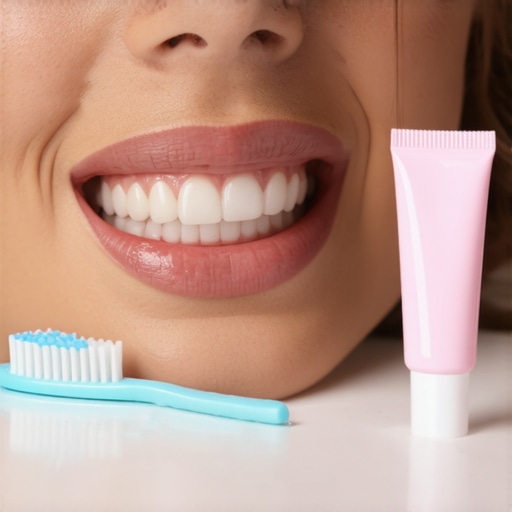
Imagine this: You’re brushing your teeth like usual, maybe even feeling a bit proud of your fresh peppermint breath, only to notice a splash of red on your toothbrush and a little more discomfort than usual. It’s a confusing, frustrating sight—especially since you’re using a toothpaste that promises fresh, healthy gums. For me, that was a real lightbulb moment. That strange, unusual bleeding was telling me something I didn’t want to hear: my gums were reacting to something in that specific toothpaste.
My First Clue: The Bleeding That Won’t Quit
At first, I thought it was just some minor irritation or maybe my gums were extra sensitive that day. But then, the bleeding persisted. Every time I switched the brand of toothpaste, the bleeding stopped. When I went back to my usual tube, the bleeding returned. It was a puzzle that had me scratching my head—until I dug a little deeper. Soon, I discovered that certain ingredients in my favorite toothpaste were probably responsible. That’s when I realized: not all dental products are created equal, and some can cause more harm than good without you realizing it.
Could Your Toothpaste Be Causing Your Gums to Bleed?
This was my turning point. I learned that some ingredients, like sodium lauryl sulfate (SLS), can irritate sensitive gums. SLS is a common foaming agent, but for some people, it acts like a mild abrasive or irritant, leading to bleeding and soreness. It’s worth noting that a study in the Journal of the American Dental Association points out that SLS-containing toothpaste can cause oral mucosal irritation in sensitive individuals. If you’re experiencing similar issues, perhaps it’s time to consider switching to an SLS-free formula.
But before you toss out that tube, let’s explore what might be causing your gums to bleed only when using that specific toothpaste—and how you can solve it. Have you faced this problem yourself? If so, stay with me. The upcoming sections will guide you through easy, proven steps to identify the irritant and switch to a gentler alternative, all while keeping your smile bright and healthy.
Ready to discover the real reason behind your bleeding gums and reclaim your oral health? Let’s dive into the key causes and simple solutions that could turn your dental routine around for good.
Identify the Irritating Ingredient in Your Toothpaste
Recall the moment I started bleeding after using specific toothpaste. I read the ingredients list and discovered sodium lauryl sulfate (SLS), a common foaming agent, was the culprit. To find out if your toothpaste contains SLS, check the label or visit your brand’s website. Switch to an SLS-free option, such as those recommended in teeth whitening tips, to see if your gum health improves. This initial step can drastically reduce irritation and bleeding.
Switch to a Gentle, Irritation-Free Toothpaste
Choose a toothpaste formulated for sensitive gums. Look for labels that specifically mention gentle cleaning or gum health. During my switch, I opted for a natural toothpaste with aloe vera, which soothed my gums and stopped the bleeding. This choice acts as a soothing balm, much like using a calming ointment on a skin irritation. For personalized options, consulting your dentist can guide you towards the best product, perhaps from your local family dentist—details found in family dentistry tips.
Practice Correct Brushing Techniques to Minimize Irritation
Applying too much pressure or brushing aggressively damages gums and exacerbates bleeding. I learned to hold my toothbrush with a light grip and use gentle, circular motions, similar to massaging your scalp delicately. This reduces trauma, especially around sensitive areas. To reinforce proper brushing hygiene, consider an electric toothbrush with pressure sensors, which prevent excessive force. For more on maintaining oral health, see top whitening strategies.
Implement Regular Flossing with Care
Flossing can be hard on delicate gums if done improperly. I started flossing gently, sliding the floss in and out without forcing it. This prevents bleeding and promotes healthier gums. Using unwaxed, soft floss reduces abrasion. Starting with a few gentle strokes daily helps your gums adapt and heal. For tailored advice, check out family dentistry resources focused on routine care.
Schedule a Professional Dental Checkup
If bleeding persists beyond a week despite changes, consulting your dentist is crucial. A professional examination can identify underlying issues like gum disease or other conditions. During this visit, discuss your toothpaste ingredients and oral hygiene practices. Preventing chronic problems requires expert guidance; you can arrange an appointment through contact us. Regular cleanings and checkups act as a safety net, catching issues early before they escalate.
Maintain Consistency and Monitor Symptoms
Change habits gradually and track your progress. Keep a journal of your brushing, flossing, and any bleeding episodes. Consistency is key—once you find a gentle routine, stick to it. If symptoms worsen or return, revisit your dentist or dental hygienist for tailored recommendations. Remember, small daily adjustments can lead to big improvements in gum health and overall oral well-being.
Many folks assume that cosmetic and family dental procedures are straightforward, but there are hidden nuances that often go unnoticed. For instance, the popular belief that teeth whitening permanently removes stains is a misconception; most whitening treatments require maintenance to sustain results, and overuse can cause enamel sensitivity. Similarly, many think Invisalign aligners can fix every dental alignment issue, but advanced cases may demand additional interventions or traditional braces. Veneers are often marketed as a quick fix for aesthetic flaws, yet the application process involves shaping the natural tooth, which is irreversible. Additionally, a common myth is that all family dentistry practices are the same; however, effective dental care depends on the practitioner’s expertise, equipment, and personalized approach.
A trap that many fall into relates to the durability of veneers. While they look stunning, improper care or exposing them to foods like hard candies or excessive alcohol can cause chipping or discoloration. An advanced mistake is assuming that whitening products from drugstores are as effective as professional treatments—studies show that store-bought solutions often have lower concentrations of bleaching agents, leading to inconsistent outcomes. Moreover, flawed home whitening attempts can damage the enamel if not properly supervised.
Uncovering these misconceptions is crucial for making informed decisions. For instance, a study published in the Journal of Esthetic and Restorative Dentistry highlights that pre-treatment dental assessment is essential before opting for veneers or whitening procedures to prevent destructive surprises later. It’s also worth noting that family dentistry isn’t just about routine cleanings; it involves preventive strategies tailored to each age group, highlighting the importance of choosing a practice with comprehensive expertise. Want to ensure you’re making the best choices for your smile? Reach out to a qualified professional—details at our contact page.
Have you ever fallen into this trap? Let me know in the comments.
How Do I Keep My Smile Working Long-Term?
Maintaining your dental enhancements and health involves more than just daily brushing and occasional visits. I personally rely on a combination of high-quality tools and disciplined routines to ensure long-lasting results, especially when it comes to teeth whitening, Invisalign, veneers, or family dentistry. For example, I swear by an ultrasonic toothbrush like the Philips Sonicare ExpertClean, which offers superior plaque removal and gentle action—key in preserving veneers and preventing gum issues. Its timer and pressure sensors help prevent aggressive brushing that can damage delicate restorations or irritate gums.
In addition, I incorporate an interdental cleaner like the Waterpik Sonic-Fusion, which combines flossing and water jet cleaning. This tool is invaluable for reaching areas between teeth, especially around braces or veneers where plaque tends to hide. Regular use helps prevent decay and gum disease, ensuring your investment in smile enhancements lasts longer. The American Dental Association emphasizes that adjunct tools like these enhance daily oral hygiene routines for sustained results.
What About Software and Professional Support?
Aligners or whitening treatments can benefit from software-assisted monitoring. I advocate for using smartphone apps that sync with my dental devices to track progress and adherence, especially with Invisalign—more about this at the latest Invisalign innovations. These apps send reminders, monitor wear time, and even provide feedback, which enhances discipline and outcomes. Periodic virtual consultations, facilitated through secure online portals, help maintain the treatment momentum without frequent office visits. Looking ahead, I believe AI-driven monitoring will further personalize long-term maintenance plans, making them more effective and convenient.
Tools and Strategies for Future-Ready Smiles
This trend toward integrated digital tools is shaping the future of dentistry. From at-home whitening kits with smart timers to virtual reality augmented reality educational platforms, the goal is to empower patients to take ownership of their oral health. For example, DNA saliva tests, now emerging, could soon predict susceptibility to gum disease or cavities, allowing for highly tailored preventive measures.
Maintaining Your Smile Over Time
One essential question I regularly ask myself is, “How do I maintain my dental work over years?” The answer lies in consistent use of the right tools, minimal harmful habits like biting hard objects or using abrasive toothpaste, and scheduling routine checkups. I also recommend consulting with your dentist about personalized at-home maintenance routines—simple steps like using fluoride rinses or vitamin-enriched gels can bolster enamel and gum tissue health. To explore personalized strategies, reach out to a trusted family dentist at our contact page.
Of course, research is evolving rapidly. A study published by the National Institute of Dental and Craniofacial Research highlights that early adoption of digital monitoring tools leads to significantly better long-term outcomes. So, don’t hesitate to try a new cleaning device or an app that syncs with your treatment plan. Small enhancements today can mean decades of healthy smiles tomorrow.
Lessons That Changed My Approach to Dental Care
The biggest lesson I learned was that not all dental procedures and products are one-size-fits-all—what works perfectly for one person can cause issues for another. I once trusted a popular whitening kit without considering its enamel-weakening effects, only to experience sensitivity and discoloration later. This taught me to research thoroughly and consult professionals before trying new treatments.
I also realized that maintaining aesthetic results from veneers or Invisalign goes beyond the initial procedure. Consistent care, avoiding certain foods, and using the right tools are crucial. A small change like switching to a soft-bristled toothbrush made a substantial difference in preserving my restorations and gum health.
Another insight was understanding how essential personalized advice from your dentist truly is. Generic tips won’t address unique problems—building a relationship with a knowledgeable dental professional has been invaluable for my long-term smile health.
Tools and Resources That Keep My Smile Bright and Healthy
I rely heavily on my ultrasonic toothbrush, like the Philips Sonicare ExpertClean, which not only cleans effectively but also protects my veneers and gums. For flossing, I prefer a Waterpik with water jets that reach those tricky areas, reducing plaque build-up and irritation.
When I want confidence in my whitening results, I opt for professional-grade treatments recommended by my dentist, rather than over-the-counter options. To stay informed about the latest advancements, I follow sources like latest Invisalign innovations and teeth whitening secrets.
Your Smile Journey Starts Today—Embrace the Change
Protecting your dental smile is an ongoing adventure that combines knowledge, the right tools, and consistent habits. The more proactive you are, the longer your smile will stay radiant and healthy. Remember, small daily efforts make a significant difference over time. Don’t wait for problems to arise—start implementing mindful oral care today, and watch your confidence grow with each smile you share.