
How to get your school-aged child to finally care about flossing their back teeth
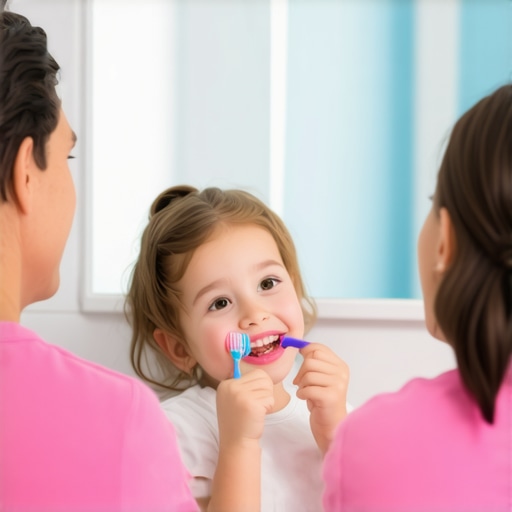
It was one of those mornings I won’t forget—me, standing in front of the mirror, desperately trying to get my 10-year-old to cooperate with flossing his back teeth. He was squealing, bouncing around like I was asking him to run a marathon. And honestly? I felt like a total failure. It dawned on me then: why is it so hard to get kids to care about flossing, especially those tricky back molars? If you’ve faced this battle, you’re not alone. But here’s the good news: after a lot of trial, error, and yes, a few parenting lessons learned along the way, I found some strategies that actually work. Today, I want to share those insights with you so that you can finally get your child on board without the tears or tantrums.
Why Your Child Doesn’t Think Flossing Is Important—Yet
One big reason kids often ignore flossing is that it doesn’t seem urgent or fun. They can’t see the plaque hiding between their teeth, and honestly, they don’t understand what cavities or gum disease really mean. I made the mistake early on of just telling my son to floss because, well, I told him it was necessary. Turns out, that approach just made him ignore me even more. It’s much like trying to get someone to do something they see as a chore—not exactly motivation! But here’s a fact that might surprise you: according to the American Dental Association, starting proper oral hygiene early can save thousands in dental bills later (source: [Smile Gum Care](https://smilegumcare.com/family-dentistry-building-healthy-smiles-for-every-generation)). Well, that’s enough to make me rethink how I was presenting it.
The question then becomes: how can we, as parents, change the narrative and make flossing appealing and worthwhile? When I discovered the right strategies, everything shifted. We started making it a game, setting small goals, and even rewarding good behavior. Plus, I learned that involving kids in choosing their floss or giving them a sense of control makes all the difference. Over time, flossing became less of a battle and more of a routine.
Now, I know some of you might be skeptical. Is it really worth the effort? Will my kid ever see flossing as anything other than a chore? That’s what we’re going to explore next—because I believe with the right mindset and tools, you can turn this difficult task into a manageable, even enjoyable, part of your family’s dental routine. Are you ready to uncover what actually works? Let’s dive into the practical steps I used to transform flossing from a nightmare into a small victory each day.
Introduce Flossing as a Fun Challenge
Start by turning flossing into a game. For example, challenge your child to see how many teeth they can floss in one minute. Use a timer or a fun stopwatch app, and give praise for effort rather than perfection. One Tuesday morning, I suggested my son try to beat his previous record, which made flossing feel less like a chore and more like a friendly competition. Soon, he looked forward to it, eager to improve his score.
Empower Your Child with Choices
Provide options to give them a sense of control. Let them pick their floss flavor or type—waxed, flavored, or even with fun characters. During our routine, I handed my son two types of floss and asked him which one he wanted to use. He chose his favorite, and suddenly, flossing became a moment of independence instead of a battle. This simple method, akin to choosing your own adventure, encourages cooperation and compliance.
Use Visual Aids and Demonstrations
Explain the importance of flossing with real examples and pictures. Visuals can be like a map showing hidden bacteria and plaque between teeth, making the invisible visible. I once used a small flashlight and a mirror to show my son how food and plaque get trapped behind his back molars. Later, I found an online animation illustrating plaque buildup and dental decay. These visuals helped him grasp why flossing is crucial, transforming the abstract concept into a concrete understanding.
Establish a Consistent Routine
Consistency builds habits. Dedicate a specific time each day, such as after brushing or before bed, to floss. To reinforce this, I created a chart where my son could place a sticker each time he flossed. After a week, he was motivated by his own progress. Making flossing part of a daily schedule is like planting a seed; with regular care, it grows into a natural habit.
Reward and Praise Efforts
Positive reinforcement encourages continued effort. Small rewards, like a sticker, extra storytime, or choosing a weekend activity, can motivate your child. During our week, I praised my son each evening, saying, “Great job flossing so carefully today!” This affirmation boosted his confidence and made him more willing to participate. Think of praise as fertilizer—it helps habits flourish.
Involve Your Child in Purchasing Supplies
Letting kids choose their floss or flossing tools fosters ownership. During a visit to the pharmacy, I let my son pick out a decorated floss in his favorite color. This involvement made him eager to use it, similar to how choosing new shoes makes kids excited about wearing them. When children are part of the decision, they feel empowered and more committed.
Make It a Family Affair
Demonstrate good oral hygiene by flossing together. Modeling the behavior teaches by example. One evening, I joined my son in flossing, turning it into quality time. This shared activity normalizes the process and encourages him to mirror my habits. Think of it as a team effort—everyone benefits from good dental routines, and children learn best when they see parents actively engaged.
Use Technology and Reminders
Set alarms or reminders on devices to prompt flossing. You can also use educational videos designed for kids about dental health. I set a nightly reminder on my phone labeled “Floss Time,” which became a cue for my son. Watching short, engaging videos about dental health before bed also reinforced the importance of flossing, making the routine both educational and entertaining.
Many people believe that family dentistry, Invisalign, teeth whitening, and veneers are straightforward solutions for dental health and aesthetics. However, diving deeper reveals that misconceptions and overlooked nuances can lead to subpar results or unexpected complications. For instance, a prevalent myth is that all whitening treatments are equally effective and safe for everyone—this isn’t true. While over-the-counter products can seem convenient, professional whitening offers tailored solutions and minimizes sensitivity risks, which independent studies have shown to be crucial for long-lasting results ([source](https://smilegumcare.com/brighten-your-life-top-teeth-whitening-strategies-today)).
Conversely, many assume that Invisalign and traditional braces are interchangeable, but in reality, Invisalign may not be suitable for complex malocclusions or severe rotations. Overconfidence in the ‘invisible’ aspect can lead patients to overlook the importance of proper tooth movement monitoring. Some practitioners underestimate the importance of advanced planning; for example, complex cases benefit from digital impressions and careful orthodontic staging, which can prevent root resorption or enamel loss.
Are clear aligners really as discreet and effective as they seem, or are there hidden limitations advanced users should be aware of?
This is where expert insights into the biomechanics of tooth movement become vital. According to orthodontic research, misjudging the force distribution can cause unintended side effects, like periodontal issues. Always seek practitioners who utilize digital scanning and precise customizations, such as those documented in [Invisalign secret](https://smilegumcare.com/invisalign-secrets-achieving-a-perfect-smile-discreetly).
Veneers, often marketed as quick fix solutions for chips or discoloration, also carry nuanced considerations. Many do not realize that improperly applied veneers can cause irreversible damage to the underlying tooth structure or gum tissue. The difference lies in material bonding techniques and protocol adherence, something only experienced cosmetic dentists master—details that can be explored further in [Veneers vs. Crowns guide](https://smilegumcare.com/veneers-vs-crowns-which-is-right-for-your-smile).
Lastly, there’s a tendency to dismiss age-related changes, thinking cosmetic procedures will last forever. However, tissue recession or enamel wear can undermine long-term results if not proactively managed. Regular check-ups at a family dental practice, like [Smile Gum Care](https://smilegumcare.com/family-dentistry-building-healthy-smiles-for-every-generation), are essential for maintaining healthy, beautiful smiles over time.
Have you ever fallen into this trap of oversimplification? Let me know in the comments and share your experience. Being informed about these nuances ensures you make choices that truly benefit your oral health and aesthetic goals.Maintaining your dental health over the long term requires more than just good habits; it demands reliable, high-quality tools and the right routines. As a proponent of family dentistry that emphasizes prevention and aesthetics, I personally rely on a set of equipment and techniques that deliver consistent results. One essential tool I advocate for is an ultrasonic toothbrush, such as the Philips Sonicare DiamondClean. Its advanced sonic technology creates micro-bubbles that gently but effectively remove plaque, reducing the risk of cavities and gum disease while being gentle on veneers and sensitive teeth. I’ve found that incorporating ultrasonic brushing into daily routines minimizes plaque buildup, especially in complex areas or around orthodontic appliances like Invisalign trays.
Furthermore, I recommend using a water flosser, such as the Waterpik Aquarius, which I consider invaluable for its ability to clean interdental spaces efficiently. For families with kids or individuals with braces or veneers, water flossers outperform traditional floss by dislodging debris and reducing inflammation without the risk of gum injury. Regular use of this device not only extends the lifespan of dental restorations but also supports gum health.
To monitor and improve overall oral hygiene habits, I utilize smartphone applications like Dentulu or Dental Monitoring. These apps enable me to track daily brushing and flossing, send reminders, and share progress with my dental professional. This digital approach creates accountability and encourages consistent routines, which are crucial for long-term success.
On the cosmetic side, I advocate for using professional-grade whitening kits, such as those offered by trusted dental providers. While over-the-counter whitening products may offer preliminary results, I prefer customized solutions that include bleaching gels with carefully calibrated hydrogen peroxide concentrations and LED light technology. These are not only more effective but also safer for enamel preservation and soft tissues.
Looking ahead, the trend in dental tools is moving toward integration and smart technology. Expect to see more devices equipped with AI-powered features that analyze your brushing and flossing patterns to optimize plaque removal and detect early signs of issues like gum disease or enamel erosion. For example, the Oral-B Genius X uses artificial intelligence to adapt to your brushing style, helping to improve technique and prevent long-term damage.
**How do I maintain my dental tools and ensure they stay effective over time?** Regular replacement of brush heads—every three months—is non-negotiable, according to dental experts. My personal routine includes cleaning my sonic toothbrush heads with a mixture of antibacterial mouth rinse and warm water after every use, and replacing flossing tips or water flosser nozzles every six months. This diligence maintains their efficacy and hygiene.
As for long-term results, consistent use of these specialized tools, combined with professional check-ups, helps prevent minor issues from escalating into major dental problems. Scheduling regular visits at a family dental practice, such as Smile Gum Care, ensures that your tools and techniques are fine-tuned to your evolving needs. Using the right equipment is the foundation of maintaining your smile’s health, longevity, and beauty.
Don’t hesitate to experiment with these tools and incorporate advanced tech into your routine. For example, start by trying a sonic toothbrush if you haven’t already—it’s a game-changer for simplifying effective cleaning. Caring for your dental tools not only preserves their function but also supports your confidence in your smile for years to come.
3 Lessons I Wish I Had Known About Personal Dental Care
One of the biggest revelations I faced was realizing that consistency beats perfection every time. No matter how fancy your whitening kit or advanced your orthodontic tools are, regular routine and patience lead to lasting results. Additionally, I discovered that listening to your body—like noticing sensitive spots or unusual gum sensations—can prevent bigger issues down the line. Finally, investing time in understanding the nuances of procedures like veneers or Invisalign through trusted sources saves you from costly mistakes and disappointment, aligning expectations with real outcomes.
Tools That Changed My Approach to Family Smiles
My go-to resources include the family dentistry guide which emphasizes preventive care tailored for every age, and the latest teeth whitening strategies that combine science with safety. I also rely on educational videos from reputable dental professionals, helping my family understand treatments like Invisalign and veneers more clearly. These sources empower me to make informed decisions and foster healthier habits at home, creating a foundation for lifelong smiles.
Believe in the Power of Your Smile—And Take Action
Your journey toward a brighter, healthier smile doesn’t have to be daunting. With the right knowledge, tools, and support, you can turn everyday routines into meaningful investments in your family’s well-being. Start small—perhaps by exploring the latest in family dentistry or trying an innovative water flosser—and gradually build towards your ideal dental care plan. Remember, every step counts, and your commitment today will pay off with confidence and joy tomorrow. Ready to embrace a future where your smile truly reflects your inner happiness? Let’s make it happen!