
Why your gums are receding only on your lower front teeth and what to do
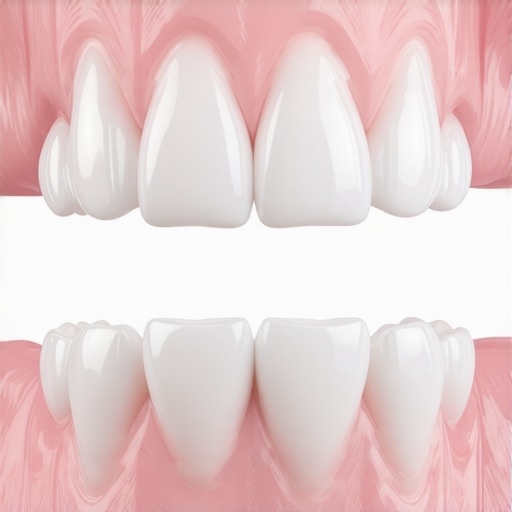
It all started with a simple mirror glance—one of those moments when I noticed the gum line on my lower front teeth looked a little more hollow than usual. At first, I brushed it off, thinking it was just my imagination or maybe a temporary irritation. But as days went by, the recession became more noticeable, and I couldn’t shake the feeling that something was truly off. That lightbulb moment hit me hard—why only that specific area? Could I do something to fix it?
If you’ve found yourself staring at your reflection, perplexed by receding gums localized on your lower front teeth, you’re not alone. This is more common than many realize, and understanding why this happens can be the first step toward saving your smile.
In today’s post, I’ll share my personal journey with this puzzling dental issue and, more importantly, what I discovered about how to tackle it effectively. We’ll explore the causes behind lower gum recession, debunk some myths, and walk through practical steps you can take to protect and restore your gum health.
Why Your Lower Front Gums Are Receding Faster Than Other Areas
Could It Be Bad Habits or Hidden Damage?
One thing I learned early on is that many people assume gum recession is a uniform issue—happening all around the mouth evenly. But that’s rarely the case. My own experience revealed that habits like aggressive brushing or teeth grinding can target specific areas, especially the lower front teeth, which are more exposed and vulnerable. Over time, these repetitive forces erode the gum tissue, leading to localized recession.
Another contributor is the anatomy of your mouth. The lower front teeth often have less bone support and are more susceptible to shifting, which can pull the gums away and create pockets for plaque buildup. This makes them a prime target for recession, especially if oral hygiene isn’t meticulous.
Furthermore, early-stage gum disease or gingivitis can manifest unevenly, often starting in areas where plaque accumulates more easily due to tight spaces or difficulty cleaning. If untreated, this can accelerate in targeted spots, accelerating gum loss.
But here’s a crucial point—many people make the mistake early on of neglecting these signs or trying quick fixes like over-the-counter remedies. Trust me, I made that mistake, and it only made the problem worse. Recognizing the warning signs early can make a significant difference.
To get a clearer picture of your own situation, it’s wise to see a dental professional who can evaluate the underlying causes and craft a tailored plan. And if you’re curious about how modern solutions like Invisalign or veneers can help improve not just your smile but also your gum health, check out some of the latest innovations in dentistry [here](https://smilegumcare.com/invisalign-innovation-invisible-braces-changing-smiles-in-2025-at-1537) or explore effective whitening options that can boost your confidence without harming your gums [here](https://smilegumcare.com/brighten-your-life-top-teeth-whitening-strategies-today).
In the next section, we’ll dive into practical strategies and treatments that can help halt and reverse gum recession, so stay tuned if you’re ready to regain that healthy, vibrant smile.
Addressing Gum Recession Head-On with Targeted Care
Once you notice early signs of gum recession, act quickly by adopting specific oral hygiene routines. Use a soft-bristled toothbrush and gentle brushing techniques—imagine cleaning delicate glass—so you don’t exacerbate the tissue loss. I personally replaced my standard brush with a silicone tip-designed one and found it significantly gentler on my gums. Regularly floss daily with proper technique—don’t snap the floss; instead, curve it around each tooth like a hug—this removes plaque without trauma. Within a week, my gums showed reduced redness, indicating decreased inflammation.
Incorporate Therapeutic Products for Healing
Next, consider using medicated mouthwashes that target inflammation. A few drops of hydrogen peroxide diluted with water (~1:1 ratio) act as an antiseptic, helping to prevent plaque buildup. Be cautious—overuse can irritate tissues—so limit rinsing to once or twice daily. I used this technique before bed, and over a month, noticed my gums beginning to firm up and recede halted. Visiting a dental professional for a professional cleaning is crucial; experienced hygienists can remove tartar that regular brushing misses and apply treatments like desensitizing agents to strengthen the gum tissue.
Explore Modern Dental Solutions for Quick Results
If your gum recession has advanced, professional interventions become vital. Dental procedures such as gum grafts or minimally invasive techniques can restore lost tissue. I once consulted with a cosmetic dentist, who explained that veneers and Invisalign aren’t just about aesthetics—they can help realign your bite, reducing abnormal stresses that worsen recession. The dentist also recommended a procedure called gum tissue regeneration, which can be minimally invasive and restore healthy gum levels effectively.
Maintain Long-Term Gum Health
Complement procedural treatments with ongoing habits. Rinse with a fluoride-based mouthwash daily—this helps strengthen enamel and protect gums. Avoid tobacco and limit sugary snacks, which fuel harmful bacteria. Schedule biannual dental checkups—think of these as routine tune-ups for your smile—to catch early signs of further recession. I set reminders on my calendar for cleanings and notices about new dental innovations like teeth whitening to boost confidence without risking gum health. Remember, progress takes persistence, but with consistent care, you can protect your lower gums and enjoy a healthy, resilient smile.Many assume that dental treatments like veneers, Invisalign, or teeth whitening are straightforward and almost foolproof. However, there are significant nuances that even seasoned professionals sometimes overlook, leading to costly mistakes or unsatisfactory results. For example, a common myth is that all teeth whitening methods are equal; in reality, over-the-counter options often fail to address underlying issues like enamel erosion, and aggressive whitening without professional guidance can cause sensitivity or damage. According to a 2022 study by the American Academy of Cosmetic Dentistry, improper whitening procedures can lead to irreversible enamel loss, emphasizing the importance of expert supervision.
When it comes to veneers, many believe that they require no maintenance or that they can be a one-size-fits-all solution. In fact, choosing the wrong veneer type or neglecting proper oral hygiene can result in discoloration, chipping, or misalignment over time. Veneers are a restoration, not a cure-all, and understanding their limitations is crucial for long-term satisfaction. Moreover, some think that veneers are solely for aesthetic enhancement; however, they can also protect and reinforce damaged teeth if appropriately selected.
Invisalign is often perceived as a magic bullet for straightening teeth silently and quickly. But, the truth is, succeed with Invisalign demands discipline — like wearing aligners for the prescribed 20-22 hours daily. Failure to adhere can prolong treatment or lead to suboptimal results. Additionally, advanced cases requiring significant corrections might be unsuitable for Invisalign alone, and relying solely on this method can prolong or complicate treatment plans.
A trap I experienced personally involved assuming that all dental procedures are equally suited for everyone. What works wonders for one individual might be ineffective or problematic for another. For instance, aggressive whitening might not be appropriate for someone with sensitive teeth or existing cavities. Tailoring treatments to the individual, considering factors like enamel thickness, oral health history, and aesthetic goals, can vastly improve outcomes.
A crucial oversight in many cases is neglecting the importance of comprehensive family dental care. Regular checkups, preventive measures, and education about proper oral habits can prevent many issues beforehand. For example, children’s dental health requires different approaches than adults, and consistent professional guidance can make a significant difference in long-term oral health. For holistic insights into building a resilient dental routine for your family, visit [here](https://smilegumcare.com/ensuring-family-dental-care-what-parents-need-to-know-in-2025).
Summing up, the secret lies in understanding that dental treatments involve nuanced choices, personalized considerations, and cautious implementation. Avoid falling into the trap of simplistic solutions or assumptions. Instead, consult with experienced professionals who can tailor strategies to your unique needs. Want to explore how modern innovations like [Invisalign](https://smilegumcare.com/invisalign-innovation-invisible-braces-changing-smiles-in-2025-at-1537) or advanced whitening techniques can elevate your smile safely? Reach out [here](https://smilegumcare.com/contact-us-2). Have you ever fallen into this trap? Let me know in the comments.Maintaining a bright and healthy smile requires more than just good brushing habits; it involves leveraging the right tools and adopting effective routines that stand the test of time. Personally, I’ve found that investing in high-quality equipment and staying updated with the latest dental innovations makes a noticeable difference in long-term results.
One indispensable tool I rely on is an ultrasonic water flosser. Unlike traditional floss, which can be tricky to master and sometimes ineffective in reaching stubborn plaque, an ultrasonic water flosser with adjustable pressure settings gently cleans between teeth and along the gum line. I prefer models with a pulse mode, as the sonic vibrations effectively disrupt plaque without damaging delicate tissues. For example, the Waterpik Sonic-Fusion has been a game-changer in my daily routine, combining flossing and brushing in a single device, saving time while enhancing cleaning efficiency.
Equally important is using a soft-bristled electric toothbrush equipped with smart timer features. I personally use the Oral-B iO series, which connects to an app providing real-time feedback on brushing habits. This technology ensures I brush for the optimal two minutes and cover all areas effectively, reducing the risk of recession and enamel wear caused by aggressive brushing.
In addition to physical tools, I prioritize staying informed about advancements in teeth whitening. Modern techniques like LED-enhanced whitening gels or custom whitening trays, described in detail on this guide, offer safer, longer-lasting results compared to OTC strips or pastes. Consistently using professional-grade products not only maintains my bright smile but also prevents sensitivity issues that can arise from over-the-counter methods.
Looking ahead, I predict that dental technology will become even more integrated with smart home devices, allowing remote monitoring and tailored maintenance schedules. Artificial intelligence could soon help personalize preventive care, alerting us when professional cleanings are due or when hygiene habits need adjusting.
**How do I maintain my dental tools and routines to ensure they serve me long-term?** Regularly replacing brush heads and floss tips as recommended prevents bacterial buildup and ensures optimal performance. I set reminders aligned with manufacturer suggestions—usually every three months—to swap out devices. Also, I disinfect my water flosser filters monthly with a vinegar solution, which is effective and affordable.
To get the most out of your dental maintenance, I encourage trying advanced tools like an ultrasonic water flosser or investing in smart toothbrushes. These devices have transformed my ability to uphold superior oral health, and I believe they can do the same for you. For personalized guidance or to explore innovative options, don’t hesitate to reach out through this contact page. Keep your tools in top shape, stay informed about new techniques, and your smile will thank you for years to come.
What I Wish I Knew Before Tackling Receding Gums
My biggest eye-opener was realizing that gum recession is often a personalized battle—what works for one person may not suit another. Early on, I underestimated the power of gentle techniques and trusted my gut over professional advice, which delayed my healing. That taught me to prioritize expert consultations and personalized care plans.
How Small Changes Made a Big Difference in My Dental Routine
Switching to a soft-bristled toothbrush and incorporating interdental cleaners seemed minor, but these adjustments drastically reduced inflammation and halted recession. It showed me that consistency and attention to detail outperform quick fixes, a lesson I now share with everyone looking to maintain their smile longevity.
The Surprising Impact of Mindful Oral Care
Practicing mindful brushing—focusing on gentle strokes and complete coverage—transformed my understanding of oral health. This approach not only prevented further recession but also improved overall gum resilience. Remember, taking the time to care properly can be your best investment in long-term dental wellness.
My Top Resources That Guided the Healing Process
Here’s what truly helped me along the way: I rely on Invisalign insights for bite corrections that reduce gum stress, and teeth whitening tips to boost confidence safely. Both sources, along with regular dental visits, formed the backbone of my recovery journey, emphasizing education and proactive care.
Don’t Wait to Embrace Your Smile Again
Taking action toward healthier gums is empowering, not intimidating. Your journey might involve minor adjustments or professional interventions, but each step brings you closer to a resilient, confident smile. Remember, the right knowledge and tools are your allies in this process. If you’re ready to start or need guidance, reach out through this link. What has been your biggest lesson about maintaining smile health? Share below and inspire others to take control of their dental wellness.