
Why Your Teeth Feel Sore When You First Wake Up
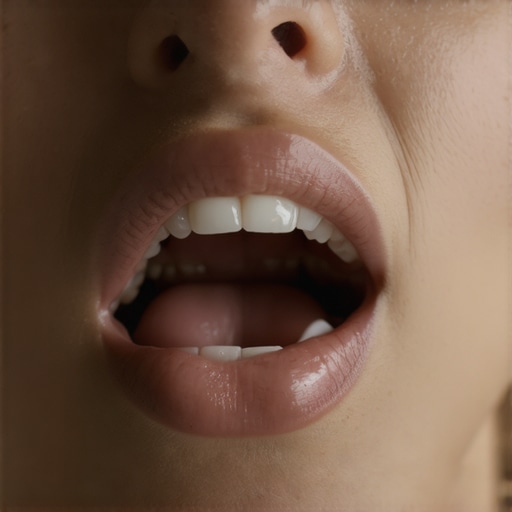
I remember mornings when I’d wake up and feel like I’d been chewing on gravel all night. That dull ache in my teeth was more than just annoying—it disrupted my entire day. One particularly rough morning, I realized I wasn’t alone in this struggle. Many people, including myself, suffer from that unexpected soreness right after waking up, and it’s often dismissed as just part of getting older or bad sleep.
But here’s the truth: waking up with sore teeth can be a sign of underlying issues, and ignoring it might lead to bigger dental problems down the line. If you’ve ever wondered, “Why do my teeth ache first thing in the morning?” then you’re in the right place. Today, I promise to share some insights from my own experience and research that can help you understand what’s happening and, more importantly, how to address it effectively.
Why Your Teeth Feel Sore When You First Wake Up
The cause of morning dental soreness is often linked to nighttime habits or conditions that put extra stress on your teeth and jaw. During sleep, many of us grind or clench our teeth—sometimes unknowingly. This condition, called bruxism, exerts pressure that can fatigue your jaw muscles and wear down tooth enamel, leading to discomfort upon waking. Studies show that up to 70 million Americans grind their teeth at night, often without realizing it (American Dental Association).
Another factor might be your sleep environment or posture. Sleeping in a position that strains the jaw or using a hard pillow can contribute to muscle tension and soreness. Additionally, if you have underlying dental issues like cavities or gum disease, these can become more noticeable when your mouth is at rest for hours.
When I first experienced this soreness, I made a crucial mistake: I ignored it. Instead of consulting my dentist, I looked for quick remedies like over-the-counter pain relievers or chewing gum, which only masked the symptoms temporarily. That’s a mistake many people make early on, and it can delay identifying the root cause.
If you’re tired of waking up with that throbbing, tender feeling, then keep reading. I’ll walk you through practical steps to diagnose and manage the problem, starting with understanding your habits and seeking professional guidance. Trust me, once you crack the code, mornings can become pain-free and more pleasant.
Ready to find out what’s really going on with your teeth? Let’s dive into some straightforward strategies and expert advice to help you wake up without pain or discomfort.
Identify Your Nighttime Habits
Start by observing how you sleep. Do you grind your teeth or clench your jaw? Keep a sleep journal for a week to note any signs like waking up with jaw pain or a sore face. If grinding seems likely, consider using a custom night guard, which can be professionally fitted at a dentist’s office. This simple step can drastically reduce pressure on your teeth and jaw muscles, preventing soreness. During my own experience, I found that using a mouthguard I ordered after a quick online consultation made mornings significantly more comfortable.
Adjust Your Sleeping Environment
Evaluate your sleep setup. Hard pillows or sleeping in certain positions can strain your jaw muscles. Opt for a softer pillow that supports your neck and keeps your head aligned with your spine. Avoid sleeping face down, which can force your jaw into unnatural positions. I once experimented with a contour pillow, which helped reduce muscle tension and morning discomfort. Remember, consistency is key for noticeable results.
Practice Jaw Relaxation Techniques
Work on relaxing your jaw muscles during the day and right before bed. Gentle exercises, like opening your mouth wide and then relaxing, can strengthen and loosen tense muscles. Applying warm compresses on your jaw area for 10-15 minutes before sleeping can also ease muscle tension. When I incorporated nightly jaw stretches into my routine, I felt less muscle fatigue by morning, which contributed to less soreness.
Maintain Good Dental Hygiene
Visit your dentist regularly to check for dental issues like cavities or gum disease that can exacerbate pain. Keep your teeth and gums healthy to avoid contributing factors. A thorough cleaning and examination can detect problems before they worsen. I scheduled a checkup after experiencing persistent soreness, and my dentist identified and treated minor gum inflammation, which helped reduce discomfort over time.
Explore Cosmetic Dental Solutions
If structural issues or misalignment contribute to your morning soreness, professional cosmetic treatments like veneers or Invisalign might help. Veneers can correct chips and uneven teeth, while Invisalign subtly realigns your bite. During my consultation, my dentist explained that aligning my teeth could also alleviate muscle strain. For more details, check out [Invisalign secrets](https://smilegumcare.com/invisalign-secrets-achieving-a-perfect-smile-discreetly) and [Veneers transformation tips](https://smilegumcare.com/transform-your-smile-with-veneers-expert-tips).
Consider Lifestyle Changes
Limit stress, as clenching during stressful moments worsens soreness. Practice relaxation techniques like meditation or deep-breathing exercises. Reducing caffeine and alcohol intake in the evening can also relax your jaw muscles. When I cut back on late-night coffee, I noticed a decrease in nighttime clenching and morning pain, making my mornings brighter and pain-free.
Schedule Professional Dental Care
Ultimately, consulting a dentist ensures a tailored plan. Whether it’s a custom mouthguard, orthodontics, or restorative work, professional intervention can address underlying causes effectively. Reach out via [Contact us](https://smilegumcare.com/contact-us) to discuss your symptoms and options. My own visit led to a personalized treatment plan that made a significant difference in my daily comfort.
Many patients approach cosmetic and family dental treatments with misconceptions that can lead to disappointment or suboptimal results. Let’s explore some common myths and nuanced truths that even experienced dentists wish more people understood.
Are Veneers Just Cover-Ups or Can They Truly Transform Smiles?
While veneers are often hailed as quick fixes for chipped or discolored teeth, the truth is they require careful planning and proper case selection. Many assume veneers are suitable for everyone, but patients with significant alignment issues or weak enamel might be better served with other options like crowns or orthodontics. Overlooking these nuances can lead to veneers that look unnatural or deteriorate faster. For example, understanding the difference between veneers and crowns is crucial—veneers typically preserve more natural tooth structure but aren’t always suitable for heavily compromised teeth, as explained in https://smilegumcare.com/veneers-vs-crowns-which-is-right-for-your-smile.
Why Invisalign Isn’t Always the Speediest Straightening Solution
Many believe Invisalign can fix any alignment problem as quickly as traditional braces, but this isn’t true. The clear aligners excel at mild to moderate cases but may struggle with complex malocclusions or bite issues. An advanced understanding of an individual’s dental anatomy and case complexity informs better treatment choices. Rushing into Invisalign without comprehensive planning could extend treatment time or produce less satisfying results. Expert insights at https://smilegumcare.com/invisalign-secrets-achieving-a-perfect-smile-discreetly shed light on when to choose Invisalign versus other orthodontic methods.
Myths Surrounding Family Dentistry: It’s Just for Kids
Many adults underestimate the importance of regular family dental visits, assuming it’s only necessary for children. In reality, family dentistry focuses on long-term oral health for all ages, facilitating early detection of decay, gum disease, and even systemic health issues. Skipping routine checkups can lead to more complex problems down the line. Check out https://smilegumcare.com/family-dentistry-building-healthy-smiles-for-every-generation for strategies to optimize your family’s dental health and avoid common pitfalls.
Teeth Whitening: More Than Just Whitening
While teeth whitening is often treated as a superficial cosmetic procedure, selecting the wrong method or overusing products can cause sensitivity or damage enamel. Many think they need aggressive bleaching to see results, but gentle, customized whitening plans yield safer, more natural outcomes. Being aware of the limitations, like the effects of at-home kits versus professional treatments, is essential—details at https://smilegumcare.com/ensuring-family-dental-care-what-parents-need-to-know-in-2025.
In the quest for a perfect smile, understanding these subtleties can prevent costly mistakes and disappointment. Are you unknowingly falling into any of these traps? Let me know in the comments! If you’re considering any of these treatments or want a tailored consultation, feel free to reach out today.
Maintaining a radiant smile doesn’t end after successful veneers, Invisalign, or teeth whitening treatments. Having the right tools and practices ensures your results last and your oral health remains optimal. One gadget I swear by is the Sonicare ProtectiveClean electric toothbrush, which combines ultrasonic technology with gentle brushing modes, effectively removing plaque and reducing surface stains—I’ve found it far superior to manual brushing for longevity of results. Additionally, investing in interdental brushes like the TePe Interdental Brush helps target hard-to-reach spaces, crucial for preventing cavities around veneers or braces. For daily cleaning, my preferred option is the Waterpik Water Flosser, which uses pulsating water jets to clear debris and reduce gum inflammation, especially beneficial if you wear aligners or have sensitive gums. I personally use it every night and notice fewer issues with bleeding or discomfort. To keep track of your routine and get personalized tips, I also recommend Dental Monitoring apps that integrate with your dental provider’s system, offering remote check-ins and progress tracking—it’s like having a dental assistant in your pocket. Looking ahead, advancements in AI-driven oral health analytics could revolutionize how we monitor and personalize our dental care, making maintenance even more efficient and tailored. How do I maintain my dental tools over time? Regularly replacing brush heads every three months is essential; I also disinfect my electric toothbrush heads with hydrogen peroxide weekly to prevent bacterial buildup. Cleaning your interdental brushes with warm, soapy water after each use prolongs their lifespan. For your Waterpik, descale with vinegar solution monthly to prevent mineral deposits and ensure consistent performance. Try incorporating these practices into your routine for sustainable, long-term benefits. If you’re eager to optimize your dental health further, schedule a consultation with your dentist or visit here to discuss personalized strategies. Remember, consistently using high-quality tools and maintaining them properly is key to preserving your beautiful smile and overall oral health.
Lessons That Turned My Dental Routine Around
One of my biggest realizations was that persistent morning tooth soreness isn’t just a fleeting inconvenience; it’s a message from your body urging you to pay attention. Addressing habits like tooth grinding or altering sleep positions early prevented much bigger issues down the line. I also discovered that investing in personalized dental tools, like a custom mouthguard, made a world of difference—saving me from nightly discomfort and long-term damage.
Understanding that oral health ties closely to lifestyle choices, stress levels, and even sleep environment helped me approach dental care holistically. I stopped relying solely on quick fixes and embraced a comprehensive plan—something I recommend to anyone tired of waking up with aching teeth. Every small change, from relaxation techniques to better oral hygiene, layered together created mornings I genuinely look forward to.
Tools and Resources That Changed My Smile Game
My must-have arsenal includes the Sonicare ProtectiveClean electric toothbrush, which gently but effectively cleans beyond manual brushing, preserving my dental work and brightening my smile. Interdental brushes like TePe are perfect for maintaining hard-to-reach spaces, especially if you have veneers or Invisalign. A Waterpik Water Flosser has become indispensable for daily cleaning, reducing inflammation and preventing plaque buildup. Finally, I rely on the Dental Monitoring app to keep in touch with my dentist, ensuring projects stay on track without extra stress. Think about integrating these tools into your routine—they’ve made a real difference in my long-term dental confidence.
Your Path to Pain-Free Mornings Awaits
Remember, achieving a comfortable, pain-free morning routine starts with small, intentional steps. By understanding underlying causes and customizing your approach, you’re setting yourself up for a lifetime of healthier, brighter smiles. Don’t let morning soreness hold you back from seizing the day—your future self will thank you. If you’re ready to take control of your dental health, consider scheduling a consultation with a professional who can craft a plan tailored to your unique needs. Ready to reclaim your mornings? Share your experiences below, and let’s support each other in creating pain-free, confident smiles.
,