
Why Your Gums Recede Faster on One Side of Your Mouth
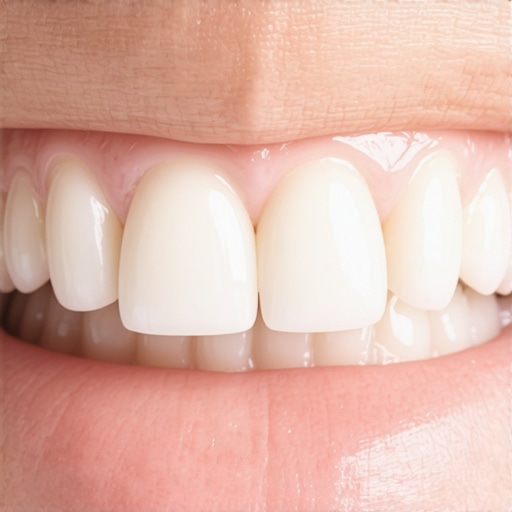
I remember the moment clearly—a casual glance in the mirror revealed something unsettling. One side of my gums looked noticeably lower than the other, and I felt a wave of concern wash over me. It wasn’t just a fleeting worry; it was a wake-up call that made me realize how unsettling uneven gum recession can be. Have you ever noticed that your gums seem to be receding faster on one side without any clear reason? You’re not alone. Many people experience this asymmetry, and it can be quite perplexing.
In today’s post, I promise to share insights drawn from my own experience and dental research that can help you understand why this happens and, more importantly, how to address it. If you’ve ever wondered whether this uneven recession is something to worry about or just a cosmetic issue, you’re in the right place.
Spotting the Uneven Smile: Why Your Gums Might Recede Differently on Each Side
The first thing I learned early on is that uneven gum recession isn’t just about appearance; it can signal underlying health issues. Initially, I thought it was a normal part of aging or perhaps brushing too aggressively. However, I soon discovered that uneven recession often results from a combination of factors—ranging from habits like brushing too hard to anatomical differences or even underlying periodontal disease. It’s essential to recognize these signs early to prevent further damage.
One common mistake I made initially was ignoring the problem, thinking it was just a cosmetic nuisance. But as research indicates, if left unchecked, uneven gum recession can lead to increased sensitivity, decay, and even tooth loss. For example, a study published by the American Academy of Periodontology notes that gum recession can progress faster on one side due to localized factors (source: American Academy of Periodontology). Understanding these nuances is crucial.
So, how do you figure out what’s causing your uneven receding gums and what steps to take? Stay tuned. In subsequent sections, I’ll walk you through practical strategies and professional options to restore your gum health and keep your smile balanced. If this sounds familiar, consider consulting your dentist about your specific case and exploring treatments like veneers or gum grafting to improve both function and appearance. And if you’re curious about cosmetic options, you might find this comparison between veneers and crowns helpful: https://smilegumcare.com/veneers-vs-crowns-which-is-right-for-your-smile.
Schedule a Professional Dental Evaluation
The first step I took was booking a consultation with my dentist. Think of your dentist as a mechanic for your mouth—only they have the tools and expertise to diagnose issues like uneven gum recession accurately. During my appointment, I described my concerns, and the dentist examined my gums, taking X-rays if needed. This step is crucial to determine underlying causes such as periodontal disease or anatomical factors. Don’t delay this; early professional assessment can prevent further deterioration.
Implement Gentle, Proper Oral Hygiene Techniques
After my evaluation, I learned that aggressive brushing can accelerate gum recession. I switched to using a soft-bristled toothbrush and practiced gentle, circular motions—much like polishing a delicate piece of furniture. This approach minimizes trauma to the gums and encourages healing. Remember, brushing longer isn’t better; the focus should be on gentle, effective cleaning. Regular flossing and interdental brushes help remove plaque without irritating sensitive areas.
Utilize Targeted Treatments for Gum Restoration
In some cases, professional interventions like gum grafting are necessary. I researched options such as connective tissue grafts or pinhole procedures, which can significantly restore gum line symmetry. For instance, a gum graft is akin to patching a worn-out tire—it reinforces and rebuilds the damaged area. Consulting with a periodontist can clarify which procedure suits your needs best. This step is essential if recession has exposed tooth roots, leading to sensitivity or aesthetic concerns.
Integrate Good Habits to Prevent Future Recession
Preventive measures are just as vital as treatment. I adopted habits like avoiding teeth whitening products that contain acids, which can weaken enamel and exacerbate recession. Also, I limited my intake of sugary and acidic foods, similar to how a gardener protects their plants from harsh weather. Regular dental check-ups—ideally every six months—serve as maintenance to catch issues early. Educating yourself on proper brushing and flossing ensures your gums remain healthy for the long haul.
Explore Cosmetic Options for Smile Enhancement
If uneven recession has impacted your smile’s appearance, options like veneers or crowns can provide a confident finish. For example, veneers act like a tailored suit for your teeth—covering imperfections and creating a uniform look. I visited this comparison to understand which solution suits my aesthetic goals. Consulting with your dentist about such options can help you achieve a balanced, natural-looking smile while addressing functional concerns.
Many patients assume that procedures like Invisalign, teeth whitening, or veneers are straightforward solutions without potential pitfalls. However, even seasoned dental professionals recognize nuanced pitfalls that common misconceptions can lead to. For instance, a widespread myth is that Invisalign guarantees perfect alignment without considering the importance of compliance and individual anatomy. In reality, invisible aligners require diligent wear time and proper case selection to achieve optimal results, as detailed in recent studies highlighting variability in outcomes based on patient adherence.
Are Clear Aligners Truly Disaching Complex Orthodontic Needs?
Popular media often oversimplifies Invisalign as an all-in-one fix, but advanced orthodontic cases—such as significant bite corrections—may demand traditional braces or surgical interventions. Neglecting this nuanced understanding can lead to patient disappointment or prolonged treatment. Furthermore, it’s crucial to recognize that over-relying on whitening products without addressing underlying dental issues can cause sensitivity or uneven results, a warning echoed by dental experts in the latest research articles. When considering veneers, many believe they are a quick aesthetic fix, but the truth involves evaluating the tooth’s structural integrity and the long-term effects of porcelain layering. If misapplied, veneers can lead to increased sensitivity or chipping—an advanced mistake often overlooked by patients. For a comprehensive comparison of veneers versus crowns, check this detailed analysis to understand which option aligns with your long-term goals. While family dentistry emphasizes preventive care, some underestimate the importance of comprehensive diagnostics like perio assessments or bite analysis, which are vital for longevity and functional health. A simple cleaning or filling won’t address underlying issues that could compromise your smile’s health over time. Don’t fall into the trap of assuming cosmetic fixes are all you need; integrated, holistic exams are essential. As you explore these treatments, remember that each has nuances—success hinges on expert evaluation and personalized plans. Have you ever fallen into this trap? Let me know in the comments.Achieving a beautiful smile requires more than just the initial dental procedures; maintaining those results over time is crucial. One of my favorite tools is a high-quality electric toothbrush with a timer and pressure sensor. I personally use the Philips Sonicare ProtectiveClean because it gently stimulates my gums and ensures I brush for the recommended two minutes without applying too much force, which can lead to recession. Using the right tool makes a noticeable difference in preventing issues like gum shrinkage or veneers chipping. For whitening treatments, I rely on professional-grade whitening gels combined with LED activation devices that I use at home. These tools help me sustain my bright smile without frequent visits to the dentist. Moreover, a biofilm disclosing tablet helps me identify plaque build-up that I might miss during daily brushing, ensuring I maintain optimal oral hygiene. As dental technology evolves, I predict we’ll see smart, connected devices that not only remind us to brush but also analyze plaque levels via smartphone apps, providing personalized maintenance tips. To keep your restorations long-lasting, regular check-ups remain indispensable—think of them as tune-ups for your smile. During these visits, your dentist can perform professional cleanings and assess any signs of wear or receding gums early. If you’re considering veneers or crowns, ask your dentist about maintenance routines specific to those restorations, like avoiding certain foods that could cause staining or chipping. Remember, diligent care today can save you significant time and money down the line. For detailed guidance on the best whitening products for the upcoming year, check out this comprehensive guide: https://smilegumcare.com/the-ultimate-guide-to-teeth-whitening-options-in-2025. Don’t hesitate to integrate these advanced tools into your routine—your future smile will thank you.**
How can I maintain my Invisalign results over time?
Integrating retainers into your daily routine is vital. Use a cleaning solution recommended by your orthodontist, and store them properly when not in use. Regularly inspecting your aligners for discoloration or cracks and replacing them as advised ensures they keep working effectively. Also, avoid eating or drinking anything besides water while wearing Invisalign to prevent staining and damage. This proactive approach is essential for preserving your straight, beautiful smile long after your treatment ends, and it’s endorsed by Invisalign’s official guidelines—making it a smart habit to develop.** Implementing these maintenance strategies will help protect your investment in a healthier, more confident smile. For more on Invisalign care secrets, visit https://smilegumcare.com/invisalign-secrets-achieving-a-perfect-smile-discreetly.
The Hidden Truths That Changed How I See Dental Care
One surprisingly common lesson I learned was that not all uneven gum recession is merely cosmetic—sometimes, it reveals underlying issues that, if ignored, can lead to more severe problems. Recognizing these early signs taught me to prioritize professional evaluations over self-assessment, ensuring I addressed the root causes rather than just the symptoms.
Another insight was the importance of tailored preventive habits. Discovering that gentle brushing and avoiding certain foods made a significant difference in halting recession on my affected side reminded me that personal diligence is key alongside professional treatment. Small daily actions can dramatically influence long-term gum health.
Lastly, I realized that cosmetic solutions like veneers or gum grafts are not one-size-fits-all. Working closely with experienced specialists and understanding the nuances between different procedures became essential for achieving both aesthetic and functional goals. This journey underscored the value of personalized dental strategies rather than generic advice.