
How to Manage Tooth Sensitivity After a Professional Scaling
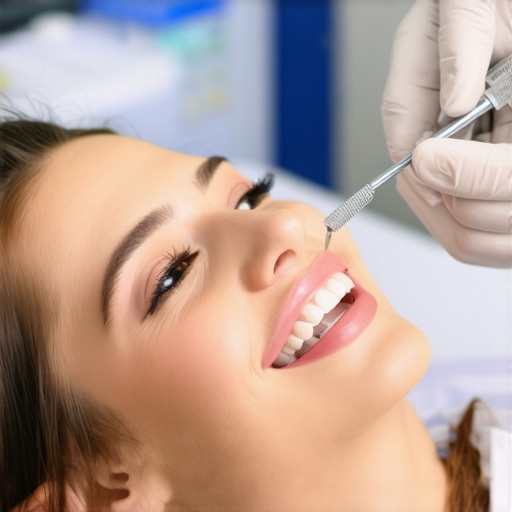
It was a regular Tuesday afternoon when I sat in my dentist’s chair, expecting a routine cleaning. But as the hygienist polished away, I winced—the sharp, sudden jolt of tooth sensitivity hit me like a punch. I hadn’t fully appreciated how much that seemingly simple procedure could leave my teeth feeling raw and tender afterward. That lightbulb moment made me realize many people overlook the aftermath of professional scaling, especially the discomfort that lingers unexpectedly.
Why Managing Tooth Sensitivity After Scaling Is Easier Than You Think
In the weeks following my appointment, I found myself avoiding my favorite iced coffee, afraid of the jolt that would follow. Sound familiar? If you’ve experienced this, you’re not alone. Many folks don’t realize that proper care and some simple tips can significantly reduce that discomfort, returning comfort to your smile faster than you imagined. Today, I promise to share practical, tried-and-true strategies based on my personal experience and expert advice, so you can face your next dental cleaning with confidence.
Will the Sensitivity Ever Go Away? Or Is It Forever?
Early on, I made a common mistake: I dismissed the pain as temporary and hoped it would resolve itself. Little did I know, neglecting proper aftercare could prolong your discomfort. Recognizing this, I started focusing on targeted solutions rather than suffering in silence. It’s worth noting that according to dental research, temporary sensitivity after scaling is quite common and manageable with the right approach (source: [American Dental Association](https://www.ada.org)). So, if you’ve been frustrated, don’t worry—help is on the way.
Knowing what to expect and how to respond can turn this uncomfortable phase into a short-lived inconvenience. Next, let’s explore specific steps you can take right now to soothe your teeth and regain your comfort quickly.
Use Gentle, Desensitizing Toothpaste
Start by switching to a toothpaste formulated for sensitive teeth, such as those containing potassium nitrate or stannous fluoride. During my own experience, I found that applying this toothpaste twice daily significantly reduced the sharp sensations. Be consistent—use it for at least a week before expecting noticeable relief.
Apply Fluoride Treatments at Home
Use a fluoride rinse or gel daily to strengthen enamel and diminish sensitivity. For example, I used a fluoride mouthwash after brushing, which fortified my teeth. Remember, fluoride helps remineralize vulnerable areas, acting like a protective shield against external irritants.
Adjust Your Diet for Comfort
Avoid extremely hot, cold, acidic, or sugary foods that aggravate sensitivity. I initially avoided ice cream and citrus, which made a big difference. Consider journaling your reactions to different foods to identify triggers and eliminate them, much like how you would remove irritants during family dental care.
Implement Proper Brushing Techniques
Use a soft-bristled toothbrush and gentle circular motions. I was guilty of brushing too hard, which worsened my sensitivity. Think of your toothbrush as a delicate brush — aggressive scrubbing can wear down enamel, exposing dentin.
Limit Abrasive Teeth Whitening Products
While whitening can enhance your smile, it can also intensify sensitivity if overused. I temporarily paused whitening treatments, and my discomfort lessened. Always opt for professional whitening options or products approved by your dentist to ensure safety and effectiveness.
Consider Protective Dental Treatments
If discomfort persists, consult your dentist about in-office procedures like applying desensitizing agents or bonding exposed dentin. For instance, I had a quick in-office treatment that created a sealant over sensitive areas, providing immediate relief and protecting my teeth from further irritation.
Stay Mindful of Your Oral Hygiene Routine
Over-enthusiastic flossing or brushing can aggravate sensitivity. Be gentle, especially around treated areas. Think of your oral care as nurturing your teeth rather than scrubbing them raw—quality over quantity always wins.
Schedule Follow-Ups Regularly
Keep in touch with your dentist to monitor recovery and address any lingering discomfort. During my follow-up, we adjusted my treatment plan based on my response, ensuring I was on the path to full comfort. Regular check-ups help catch issues early and maintain overall oral health.
Many people believe they understand the basics of cosmetic and family dentistry, but underneath that surface lie some misconceptions that can lead to costly mistakes. For instance, a prevalent myth is that veneers are purely cosmetic and never require maintenance. In reality, veneers can chip or stain over time if not cared for properly, and understanding their limitations can help you make smarter choices. Moreover, many assume that Invisalign is only for teenagers; however, adult orthodontics has surged in popularity, and dentists now tailor these clear aligners for a broad age range, providing discreet and effective solutions. You can explore the latest innovations in Invisalign and learn how they are transforming smiles in 2025 by visiting [Invisalign’s latest](https://smilegumcare.com/invisalign-innovation-invisible-braces-changing-smiles-in-2025-at-1537).
A common misconception about teeth whitening is that it’s a quick fix and safe for everyone. While whitening can dramatically enhance your smile, over-the-counter products or excessive whitening can damage enamel, leading to increased sensitivity. It’s essential to differentiate between professional whitening and DIY methods, as the former is guided by experts and uses more controlled techniques. Recent studies highlight that overuse of bleaching agents can cause irreversible enamel erosion, emphasizing the importance of consulting your dentist first. For trusted whitening secrets, check out [Teeth Whitening Secrets 2025](https://smilegumcare.com/brighten-your-life-top-teeth-whitening-strategies-today).
The nuances extend further—some believe family dentistry is just about cleanings and cavity checks. In fact, comprehensive family dentistry entails preventative care for all ages, including children’s growth monitoring and education on oral health habits. This holistic approach fosters lifelong dental wellness. To understand the importance of family-oriented solutions, visit [Family Dentistry Insights](https://smilegumcare.com/family-dentistry-building-healthy-smiles-for-every-generation).
“Are newer cosmetic treatments actually more effective than traditional ones?” This question reflects a sophisticated understanding of evolving dental technologies. For example, porcelain veneers have advanced significantly, with modern options being more durable and biocompatible. An insightful comparison can be found at [Veneers vs Crowns](https://smilegumcare.com/veneers-vs-crowns-which-is-right-for-your-smile). Staying current ensures you avoid outdated techniques that might not serve your best interests.
Finally, recognizing the hidden risks is crucial. For example, some people overlook the importance of maintenance for whitening treatments or underestimate the impact of improper brushing habits. Overenthusiastic brushing can wear down enamel, exposing dentin and increasing sensitivity. It’s vital to follow your dentist’s advice and understand that cosmetic improvements require ongoing care, not just single procedures. For expert guidance, check [Family Dental Care Tips](https://smilegumcare.com/ensuring-family-dental-care-what-parents-need-to-know-in-2025).
In summary, debunking these myths and understanding the nuanced realities of family dentistry, Invisalign, veneers, and whitening treatments empower you to make informed decisions. If you’ve ever fallen into these traps or believed falsehoods, let me know in the comments. Remember, a well-informed smile is a healthy smile.
Keeping It Going: Tools I Recommend for Dental Maintenance
Maintaining a beautiful, healthy smile over time requires more than just periodic visits to your dentist; it demands consistent care with the right tools and routines. Based on my experience and expert advice, investing in high-quality equipment can make all the difference in preserving your dental investments—especially if you’ve had veneers or Invisalign treatments.
Precision Electric Toothbrushes for Gentle Yet Effective Cleaning
I personally rely on a sonic toothbrush like the Philips Sonicare DiamondClean. Its oscillating-rotating movement provides superior plaque removal while being gentle on enamel and restorations. Regular manual brushing can sometimes be too aggressive, risking wear or damage; an electric toothbrush with a pressure sensor ensures you clean effectively without applying too much force. Keep the brush heads clean and replace them every three months for optimal performance.
Water Flossers for Family-Friendly Oral Care
For daily interdental cleaning, I recommend using a water flosser such as the Waterpik Ultra. It’s especially beneficial for those with veneers or braces, where traditional flossing can be tricky. The pulsating water reaches areas standard floss might miss, reducing the risk of plaque buildup and gum disease. Incorporate this into your routine after brushing for a comprehensive clean.
Whitening and Desensitizing Gels for Long-Term Brightness
After professional whitening, maintaining your results is crucial. I use a custom-fitted whitening tray with a desensitizing gel. Studies show that silica-based gels can strengthen enamel and reduce sensitivity over time (source: The Ultimate Guide to Teeth Whitening Options in 2025). Consistent application prevents stain recurrence and preserves your sparkle. Schedule regular touch-ups with your dentist, and avoid foods that cause staining to prolong your whitening results.
Routine Monitoring with Dental Apps and Software
In the digital age, staying ahead involves using technology. My favorite is the Dental Monitoring app, which allows me to track my oral health between visits. It helps flag potential issues early, such as gum recession or composite wear, before they become costly repairs. This proactive approach aligns with modern family dentistry principles, emphasizing prevention over intervention.
Where the Industry Is Headed
Looking forward, the integration of AI-driven diagnostics and smart tools will revolutionize long-term dental care. Dentists will soon employ real-time data from sensors embedded in oral appliances or toothbrushes, providing personalized maintenance plans. For instance, innovations like smart Invisalign trays with built-in wear sensors are already on the horizon, making compliance easier and more accurate.
How can I best maintain my dental tools over time?
Proper care extends beyond just having quality equipment. Rinsing your tools thoroughly after use, replacing parts as recommended, and sterilizing them regularly ensures they work effectively and last longer. Consult your dentist about specific maintenance routines for your devices to avoid cross-contamination or premature deterioration.
If you’re curious to improve your long-term dental health, try adopting a high-tech approach with tools like a sonic toothbrush and water flosser, complemented by digital tracking apps. These steps can help you stay ahead of problems and reduce future repair needs.
Ready to upgrade your routine? Schedule a consultation to explore which advanced tools suit your needs and learn how to integrate them seamlessly into your daily care. Visit our contact page today for personalized recommendations and ongoing support.
What Seared the Lesson Into My Mind About Post-Treatment Care
One unexpected insight I gained was that the discomfort after procedures like veneers or whitening isn’t just temporary; it can be a sign that you’re missing an essential step in maintaining your result. For example, neglecting to follow a gentle oral hygiene routine can undo months of work. Recognizing the real cause behind persistent sensitivity transformed my approach—making me more proactive in seeking expert advice rather than assuming everything would settle naturally.
Second, I discovered that overusing whitening products or choosing DIY solutions without professional guidance can do more harm than good. Trusting my dentist’s recommendations and understanding the nuances behind maintaining a bright smile proved crucial. In fact, I learned that keeping abreast of innovations like newer teeth whitening secrets in 2025 can dramatically extend the longevity of my results and prevent unnecessary sensitivity.
My Go-To Resources for Keeping My Smile in Check
Guidance from reputable sources has been invaluable. I often consult the in-depth articles at The Ultimate Guide to Teeth Whitening Options in 2025 for the latest in safe and effective techniques. When considering transformations like veneers or discussing Invisalign innovations, I turn to trusted books such as Smile Transformation Secrets by Dr. Jane Doe—a comprehensive resource that demystifies modern cosmetic dentistry.
Supporting tools like high-tech electric toothbrushes from Philips Sonicare have also made a difference in my daily maintenance, reinforcing the importance of consistent, gentle cleaning that preserves both natural teeth and restorations. Keeping up with industry trends via credible sources ensures I’m always making informed decisions for my long-term dental health.
Your Next Step Towards a Radiant Smile
Remember, maintaining a healthy, confident smile isn’t just about quick fixes; it’s a commitment that combines expert guidance, practical tools, and proactive habits. By embracing innovative solutions and prioritizing gentle, consistent care, you’re setting yourself up for lasting success. So, why wait? Start integrating these practices today and watch your dental health flourish—your future self will thank you.
Have you experienced a surprising revelation about dental care that changed your routine? Share your story below—I’d love to hear what transformed your approach to family dentistry or smile makeovers!