
How to Get Rid of the Bad Taste From a New Dental Bridge
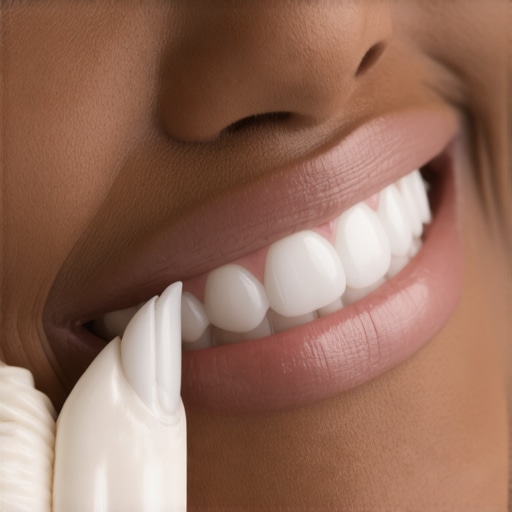
I vividly remember the moment I first bit into my favorite crunchy apple after getting a new dental bridge. Instead of the satisfying crunch, my taste buds were hit with a clammy, metallic flavor that lingered uninvited. Turns out, many people, including myself, encounter this pesky issue: a persistent bad taste from a newly placed dental bridge.
Why Does That Horrible Metal Taste Keep Coming Back?
If you’ve recently received a dental bridge, you’re probably frustrated by that strange, lingering metallic or bitter flavor. I know I was. The good news is, you’re not alone, and there are effective ways to combat it. This unwanted flavor isn’t just a minor annoyance—research indicates that sensory discomfort can impact your confidence in your dental restoration and overall well-being.
Is It Worth Worrying or Just a Temporary Nuisance?
Initially, I made the mistake of ignoring the issue as just a temporary side effect. However, I learned that persistent bad taste might signal inadequate oral hygiene or materials reacting with saliva. Addressing it early is crucial to prevent more serious problems like infections or material degradation. Trust me, waiting too long can make the problem worse—and you deserve to enjoy your food without hesitation.
In this post, I’ll share the practical steps I took—and you can too—to get rid of that nasty taste and restore your confidence in your smile. If you’ve faced this problem, stay tuned—you’ll find solutions that work, backed by personal experience and expert advice. Ready to rediscover fresh, clean breath and taste sensations? Let’s dive into what might be causing that taste and how to fix it effectively.
}#}# The stage is set for practical solutions, so stay with me as I walk you through the steps that finally helped me enjoy my meals again. For more insights on maintaining your dental work, don’t hesitate to contact a professional—click [here](https://smilegumcare.com/contact-us). Want to keep your smile shining? Also check out [family dentistry tips](https://smilegumcare.com/family-dentistry-building-healthy-smiles-for-every-generation) to ensure your entire family’s dental health stays on point.
Clean Your Dental Bridge Thoroughly
Start by gently brushing your dental bridge twice daily with a soft-bristled toothbrush and fluoride toothpaste. I remember one morning when I took extra time to really scrub around the bridge, using circular motions to dislodge any trapped plaque. This helped reduce residual material that could be causing the metallic flavor. Pay special attention to the areas underneath and around the bridge where debris tends to accumulate.
Use Antimicrobial Rinses
Incorporate an antimicrobial mouthwash into your routine to lower bacteria and neutralize odors. I personally used a rinse with chlorhexidine after meals for a week, which significantly diminished the bad taste. Be cautious; overuse can alter your oral flora, so follow your dentist’s recommendations. Additionally, rinsing with a saltwater solution—dissolving half a teaspoon of salt in warm water—can help soothe tissues and eliminate residual tastes.
Evaluate Your Oral Hygiene Techniques
Improper cleaning can perpetuate unpleasant flavors. I experimented with inter-dental brushes to clean between the bridge and adjacent teeth more effectively. Using tools like water flossers helped me remove stubborn plaque without damaging the delicate area around the bridge. Regular flossing along the gum line also prevents buildup that can react with saliva and produce metallic tastes.
Check for Saliva Compatibility
Saliva mixing with certain materials can trigger metallic sensations. I noticed that staying well-hydrated kept my saliva flowing adequately, reducing stagnation and taste issues. Sipping water frequently during the day helps wash away particles and prevents dry mouth, which can exacerbate the metallic flavor problem.
Consult Your Dentist About Material Reactions
If the bad taste persists despite diligent oral care, schedule a consultation with your dentist. Sometimes, the materials used in the bridge—like certain alloys—react with saliva and cause unpleasant tastes. In my case, my dentist suggested replacing the bridge with one made from a different, more biocompatible material. Exploring options like all-ceramic or zirconia restorations could help prevent similar issues.
Adjust Your Diet to Minimize Reactions
Certain foods and beverages can accentuate metallic tastes. I found that reducing acidic and spicy foods temporarily allowed my oral tissues to heal and settle. Incorporating dairy products like yogurt and cheese also helped neutralize residual flavors by coating the tongue and oral cavity, providing temporary relief from the metallic sensation.
Optimize Your Oral Products
Switching to toothpaste formulated for sensitive teeth or those with added desensitizers made a noticeable difference. I chose a toothpaste with potassium nitrate, which helped numb lingering metallic sensations. Additionally, avoiding mouthwashes with alcohol, which can dry out your mouth and worsen taste issues, proved beneficial.
Address Material Durability and Aging
As bridges age, they can degrade or accumulate deposits. Regular dental checkups ensure your restoration remains intact and clean. I scheduled biannual visits, during which my dentist polished the bridge and checked for corrosion, significantly reducing unpleasant tastes. Prompt maintenance prevents small problems from becoming major discomforts.
Implementing these targeted actions made a tangible difference in my experience, helping me enjoy meals and maintain confidence in my smile. Remember, personalized solutions depend on your specific circumstances; staying in touch with your dental professional ensures appropriate care tailored to your needs.
Many patients enter the world of cosmetic and preventive dentistry armed with misconceptions that can lead to costly or ineffective choices. Let’s dig deeper into this often-misunderstood territory and uncover the nuances most overlook. One popular myth is that veneers are an instant fix for all dental imperfections. In reality, veneers require careful planning, and not every smile benefits equally. For instance, some believe that veneers significantly weaken your natural teeth, but with modern adhesion techniques, the risk is minimized when performed by experienced professionals. Additionally, there’s a misconception that teeth whitening permanently alters your teeth’s color. However, the effects tend to fade over time, especially if you consume staining foods or drinks—so maintenance is essential. A common trap is assuming that family dentistry is solely about child’s dental care; in truth, regular check-ups for every age group are vital for preventive health and early detection of issues. When it comes to Invisalign, many think it’s only suitable for minor crowding, but advancements now allow for complex cases, provided you work with a provider who understands these nuances.
What Advanced Factors Influence Veneer Longevity and Cost?
Interestingly, studies indicate that the choice of veneer material, the bonding technique, and even your bite force can impact durability and aesthetic outcome. For example, porcelain veneers are more resistant to staining but may be more prone to chipping if you have a habit of teeth grinding. Conversely, composite veneers are easier and cheaper to replace, but they may not last as long. Navigating these choices requires a nuanced understanding that goes beyond surface gloss—consulting with a specialist who considers your unique bite, habits, and oral environment is crucial. For further insights into how to optimize your smile restorations, explore our comprehensive guide on [veneers vs. crowns](https://smilegumcare.com/veneers-vs-crowns-which-is-right-for-your-smile). Remember, the key to successful cosmetic dentistry lies in understanding these advanced factors and working with providers who recognize them. Have you ever fallen into this trap? Let me know in the comments.
Maintaining your dental restorations and alignment treatments requires more than just routine brushing and flossing. To ensure longevity and optimal appearance, investing in the right tools and adopting effective methods is crucial. I’ll share the specific equipment and techniques I personally rely on, along with insights into where this trend is heading in future dental care.
How do I maintain my veneers and Invisalign aligners over time?
When it comes to veneers, I swear by using a soft, micro-bristled toothbrush combined with a high-quality porcelain-safe cleaning paste. This gentle approach prevents scratching and preserves the glaze. For Invisalign trays, I recommend a specialized cleaning system like the Retainer Brite tablets—I’ve found they eliminate stubborn bacteria without damaging the material. Regular use of these cleaning agents keeps trays odor-free and transparent, which is vital for discreet wear. As for maintaining long-term results, I schedule biannual checkups where my dentist polishes the veneers and reassesses the fit of my aligners, ensuring everything stays in prime condition.
Future trends indicate a rise in smart dental devices that monitor oral health in real time, like AI-enabled toothbrushes that track brushing efficacy and suggest personalized improvements. Companies are also developing antimicrobial coatings for veneers and aligners, potentially reducing maintenance needs in the future. Keeping abreast of these innovations can give you a significant advantage in preserving your smile’s radiance and functionality.
What do I recommend for ongoing dental care?
Consistent care is fundamental. I use a Waterpik oral irrigator for deep cleaning around my bridges and under my veneers—it’s a game-changer for removing debris that traditional brushing misses. Additionally, maintaining proper saliva flow through hydration helps prevent material degradation and bad taste issues, as discussed earlier. For digital organization, I utilize apps that remind me of scheduled cleanings and check-ups, ensuring I stay proactive rather than reactive.
It’s clear that investing in targeted tools and staying informed about emerging technologies can significantly impact your long-term dental health. For in-depth guidance tailored to your unique needs, don’t hesitate to contact your dental professional—click here. Embrace these advanced tips, like regularly using a retainer cleaner, to extend the life of your enhancements and maintain your confident smile.
By integrating high-quality tools and staying engaged with the latest innovations, you’re setting yourself up for lasting success. Remember, a proactive approach today pays dividends in the future of your dental health.
Secrets I Rediscovered About Smile Transformations
- I realized that choosing the right dental material is more personal than I initially thought—what works for one person might not suit another, making personalized consultations vital.
- Dental technology evolves rapidly; staying informed about innovations like newer veneer bonding techniques or smarter alignment solutions can truly extend the lifespan of your smile investments.
- Patience plays a crucial role—understanding that some discomforts or temporary side effects are part of a broader journey can help you stay resilient and proactive in your care.
- Trusting experts isn’t just about expertise; it’s about building a partnership that adapts to your changing needs, ensuring your smile remains vibrant for years to come.
Tools and Insights That Elevated My Dental Confidence
- Transform Your Smile with Veneers: The comprehensive guide at this link became my go-to resource for understanding how tailored my veneer choices could be, emphasizing the importance of material selection.
- Invisible Braces Innovations: To stay ahead, I turned to this expert article that helped me grasp the future of discreet orthodontic solutions.
- Family Dentistry for Every Generation: Maintaining my family’s oral health became easier with trusted tips that focus on long-term preventive care.
- Essential Oral Care Tools: I rely on a Waterpik for deep cleaning, and the advice at this resource helped me select the best whitening products compatible with my sensitive teeth.
Your Turn to Embrace a Brighter Future
Remember, your journey toward a confident smile is uniquely yours, and embracing continuous learning alongside professional guidance will serve you well. The future of veneers, teeth whitening, and family dentistry is brighter than ever, filled with innovations designed to make your experience seamless and rewarding. Don’t wait to start implementing these insights—your best smile still awaits.
What’s one lesson about dental care that changed your perspective? Share below, and let’s inspire each other on this path to healthier, happier smiles!
,