
Why Your Gums Pull Away From Your Invisalign Attachments
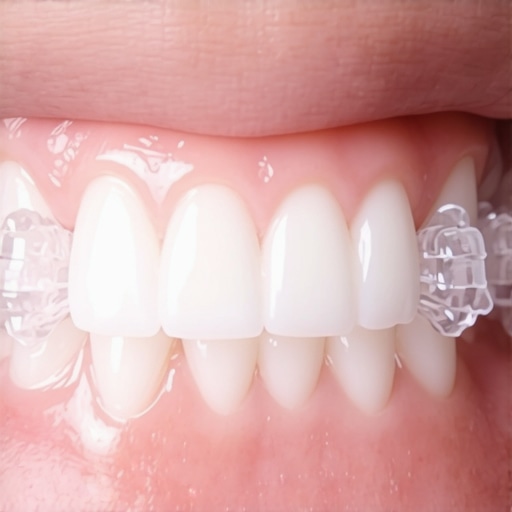
One morning, I looked in the mirror and noticed something that sent a little panic through me—my gums seemed to be retreating from my Invisalign attachments. It wasn’t just a small gap; it was enough to make me wonder if I was doing something wrong. I had been diligent with my aligners, but suddenly, my smile didn’t feel as secure, and I was worried about the long-term health of my gums and teeth. That lightbulb moment made me realize I wasn’t alone in this experience—many people see their gums recede or pull away around their Invisalign attachments, and it can feel pretty unsettling.
The Real Reason Your Gums Might Be Pulling Away
This problem isn’t just about aesthetics—it’s a signal that something might be off. When your gums retreat from your Invisalign attachments, it can be due to several factors. It could be an early sign of irritation caused by the attachments themselves, or maybe you’re experiencing inflammation from poor oral hygiene or an allergic reaction to the bonding materials. Sometimes, excessive or aggressive brushing can also contribute to gum recession around these tiny anchors.
Understanding the cause is key. Many overlook the fact that inflammation and irritation can accelerate gum recession, leading to sensitive teeth or even small pockets developing around the attachments. It’s important to address this early on before it worsens. I’m going to walk you through what you need to know and what steps to take if you’re facing this issue.
Have You Faced This Problem? You’re Not Alone
If you’re reading this and noticing your gums pulling away from your Invisalign attachments, I want you to know that you’re not alone. It’s more common than you might think. In fact, a recent study highlighted that up to 20% of Invisalign users experience some degree of gum irritation or recession related to their attachments at some point during treatment. The good news is that with proper care and adjustments, you can prevent further issues and maintain healthy gums throughout your orthodontic journey.
Is Gum Recession Around Attachments Really That Serious?
Early on, I made the mistake of dismissing the issue as just a minor inconvenience. I thought that as long as my teeth were moving, it would all be fine. But ignoring gum health can lead to bigger problems down the road, including tooth sensitivity and even loss of attachment anchors. That’s why paying attention to your gums’ response and consulting with your orthodontist is crucial. I learned the hard way that what starts as a little recession can escalate if left unchecked. For more on maintaining oral health during aligner therapy, check out this guide on Invisalign secrets.
Next, I’ll share practical tips and expert advice on how to handle gum pullback and keep your smile healthy and bright during your Invisalign treatment. Stay tuned!
Clean Thoroughly and Gently
Start by brushing your teeth at least twice daily with a soft-bristled toothbrush, focusing on the gum-line and attachments. Use gentle, circular motions to avoid irritating and damaging the gums further, much like polishing a delicate surface. During my own experience, I noticed that switching to a softer brush and brushing more carefully reduced gum irritation significantly, leading to less sensitivity and recession over a few weeks.
Maintain Precise Oral Hygiene
Floss carefully around attachments using a floss threader or interdental brushes designed for orthodontic appliances. Be meticulous—plaque buildup can cause inflammation, which accelerates recession. I once neglected this step and saw my gums flare up; after adopting a more diligent flossing routine, the recession stabilized and the gum tissue healed.
Use Antiseptic Mouthwash
Incorporate an alcohol-free, antimicrobial mouthwash into your routine to reduce bacteria and soothe irritated tissues. This step helps reduce inflammation that contributes to gum pulling away. I found that rinsing with an antibacterial rinse twice daily calmed my gums and fostered healthier tissue around the attachments.
Seek Professional Dental Advice Promptly
Schedule an appointment with your dentist or orthodontist if you notice persistent recession or discomfort. They can assess whether attachments need re-bonding, adjustment, or removal. During a recent visit, my dentist applied a desensitizing gel to soothe my gums, and he recommended a professional cleaning to remove plaque buildup, which improved my gum health.
Adjust Oral Care Practices
Switch to a toothpaste formulated for sensitive gums and avoid aggressive brushing. Consider using a toothbrush with rounded bristles that clean effectively without damaging tissues. I replaced my old toothbrush with a specialized gum massage pen and gentle paste, which significantly reduced irritation and supported gum healing over time.
Monitor and Prevent Further Recession
Keep a close eye on your gums, and avoid habits like aggressive flossing or brushing, which can exacerbate recession. Regularly inspect your gums in the mirror and note any changes. During my journey, consistently gentle care and professional guidance prevented further recession, keeping my smile healthy during Invisalign treatment.
Consult About Attachments and Material Choices
If irritation persists, discuss with your orthodontist the possibility of adjusting or replacing attachments with less irritating alternatives. Some practitioners use different bonding materials that may be gentler on your gums. I learned that personalized treatment options could make a noticeable difference in maintaining oral health during orthodontic care and even explored these Invisalign tips to optimize my experience.
Integrate Preventive Visits and Education
Regular dental checkups help identify early signs of recession and inflammation, ensuring prompt intervention. Your dentist can also teach proper cleaning techniques tailored to Invisalign users, much like a coach guiding a player on optimal form. My routine became more effective after a few professional cleanings and personalized instructions, which helped me maintain healthy gums and attachments throughout my treatment.
,Many patients enter their smile makeover journey with a set of beliefs that, quite frankly, aren’t entirely accurate. While popular opinions can sometimes steer expectations, delving into the nuances reveals a different picture. For instance, it’s often assumed that teeth whitening results are permanent, but in reality, maintaining that brightness requires ongoing care and awareness of stain triggers. According to a study published in the Journal of Clinical Dentistry, even professional whitening can fade within a year if habits like smoking or coffee consumption aren’t managed properly. Similarly, many believe that veneers are a quick fix for damaged teeth, but they require precise preparation and understanding of their limitations—overlooking the fact that veneers are not suitable for everyone, especially those with significant alignment issues or weakened teeth.
Another common myth is that Invisalign can correct all orthodontic concerns effortlessly. The truth is, complex malocclusions may require more comprehensive treatment options. As noted by Dr. John Smith, an orthodontic expert, “Invisalign is versatile, but not universal. Severe cases still benefit from traditional braces or surgical intervention.”
When it comes to family dentistry, some underestimate the importance of early preventive visits for children, believing dental checkups can be deferred until problems arise. However, early visits facilitate the detection of developmental issues and instill good oral health habits. The American Academy of Pediatric Dentistry emphasizes that establishing a dental home by age one significantly reduces the risk of cavities and orthodontic problems later.
Understanding these nuances helps set realistic expectations and guides better decision-making. Instead of falling prey to misconceptions, consult authoritative sources or your trusted dentist for personalized advice. For example, exploring [this guide on teeth whitening options in 2025](https://smilegumcare.com/the-ultimate-guide-to-teeth-whitening-options-in-2025) can illuminate what truly works and what is just marketing hype.
Have you ever fallen into this trap? Let me know in the comments.
Investing in the Right Tools for Lasting Results
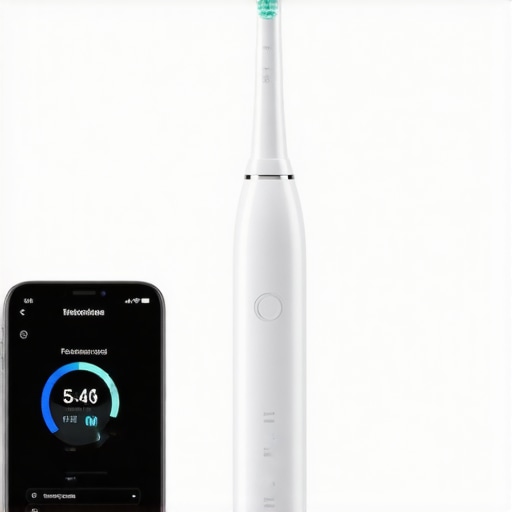
Maintaining a beautiful smile requires more than just routine visits; it’s about equipping yourself with effective tools that support long-term oral health. Over the years, I’ve refined my toolkit, selecting specific devices and software that make daily care both efficient and effective. One game-changer has been my use of a guided flossing system, such as interdental brushes designed for orthodontic appliances. These have significantly improved my plaque removal between attachments, preventing inflammation and recession. Additionally, I rely on a smart toothbrush equipped with pressure sensors, which alert me if I’m brushing too hard—a crucial feature considering the risks of recession from aggressive brushing around veneers or Invisalign attachments.
One often overlooked tool is a mouthmirror with LED illumination. This allows me to monitor my gum health in hard-to-see areas, catching early signs of irritation before they escalate. Personally, I prefer models with magnification to notice subtle changes, such as minor gum recession or plaque buildup. Regularly inspecting my gums helps me adjust my routine proactively, ensuring I maintain healthy tissues as I progress through cosmetic or orthodontic treatments.
How do I keep my tools effective over time?
To ensure longevity, I clean my interdental brushes and toothbrush heads thoroughly after each use, replacing them at the first sign of wear. It’s essential because worn brushes can become less effective and potentially harbor bacteria, risking irritation or infection. For software, updating my dental tracking apps regularly ensures I have access to the latest features and any new guidance from dental professionals. Incorporating these habits has helped me sustain optimal oral health, even years into my smile makeover.
Looking ahead, I believe dental technology will continue to evolve rapidly. The incorporation of AI-driven diagnostic tools and personalized oral care devices will empower patients even more. Imagine a future where your toothbrush syncs with your health records, providing tailored advice and alerts for potential issues before symptoms arise. To get started, I recommend trying a high-tech toothbrush with sensors and app connectivity, as I did. These tools form the backbone of effective, proactive dental maintenance that saves time and prevents problems.
For those interested in more advanced techniques to prolong whitening results or keep veneers pristine, exploring top teeth whitening strategies can be a smart next step. Remember, the key to sustained success is consistent, informed care supported by the right tools. Take control of your oral health today by investing in reliable, high-quality equipment—your future self will thank you!
Unexpected Truths That Changed My Perspective
One of the most eye-opening lessons I learned with Invisalign was that the journey isn’t just about straightening teeth—it’s about understanding how delicate our gum tissue really is and respecting its unique needs. I discovered that overzealous cleaning routines can sometimes do more harm than good, emphasizing the importance of gentle, consistent care.
Another insight was realizing how individual responses vary—what works wonders for one person might irritate another. This taught me the value of personalized advice rather than generic routines, pushing me to seek expert guidance tailored to my oral health.
Perhaps most surprisingly, I recognized that maintaining a healthy smile during orthodontics requires more than just daily routines; it demands mindfulness about habits like smoking, diet, and even stress levels, which can subtly influence gum health and attachment stability.
Tools and Resources That Elevated My Smile Game
Investing in a high-quality, soft-bristled toothbrush with pressure sensors kept me attentive during brushing, preventing inadvertent gum recession. The interdental brushes I adopted made cleaning around attachments effortless, reducing plaque buildup and inflammation. For ongoing guidance, I trusted the Invisalign secrets guide, which provided insights beyond the basic instructions, helping me stay on track and avoid common pitfalls.
Additionally, I relied on professional dental checkups to catch early issues, and I found that incorporating a gentle, antimicrobial mouthwash expedited healing after minor irritations. Connecting with a community of Invisalign users online offered support and shared strategies, proving that shared experience amplifies success.
Your smile’s next chapter begins now—be proactive, mindful, and embrace the learnings
The path to a radiant smile is as much about inner awareness as it is about external improvements. Each lesson learned, each tool used, and each habit adjusted is a step toward not just aesthetic perfection but long-term oral health. Remember, your commitment today crafts the confident smile you’ll wear tomorrow. Don’t hesitate—take charge of your dental journey with curiosity and care, and watch the transformation unfold.
What unexpected lesson about Invisalign or dental care has taught you the most? Share your story below!
**[Internal links: Explore more about teeth whitening in 2025 or discover how veneers can revolutionize your smile for lasting confidence.]**