
Why You Should Not Use Whitening Strips Right Before a Big Event
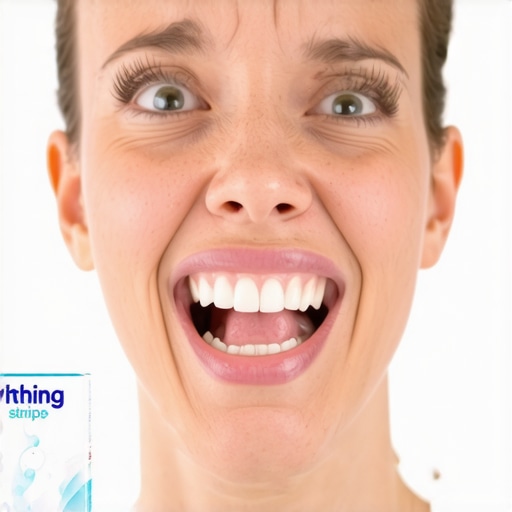
I vividly remember the panic I felt just days before my sister’s wedding. I had slapped on a whitening strip without a second thought, eager for that perfect, dazzling smile in all the family photos. But not long after, my teeth started to ache painfully, and I could feel them incredibly sensitive. The worst part? That discomfort lasted right through the ceremony. It was a lightbulb moment—realized then how a quick fix can backfire when you need your smile the most.
Missing the Bigger Picture of Smile Preparation
Since then, I’ve learned the hard way that using whitening strips right before an important event is often more trouble than it’s worth. These products are designed for convenience, but they pack strong chemicals that can leave your teeth vulnerable—especially if your enamel isn’t in top shape. The last thing you want is for your teeth to become sensitive or for discoloration to accentuate uneven tones right before you walk down the aisle or give that big presentation.
Are Whitening Strips Really Worth the Hype?
One common mistake I made early on was assuming that quick whitening could replace professional advice. Sure, over-the-counter options seem tempting, but they often overlook individual factors like existing dental work or enamel health. According to the American Dental Association, improper use of whitening products can lead to enamel erosion and increased sensitivity—exactly what you don’t need before a significant occasion. Want to know how to get a radiant smile without risking discomfort? Stick around; I’ll share what I’ve discovered from real-life experiences and expert tips.
Prepare Your Teeth Properly
Before jumping into whitening or cosmetic procedures, ensure your teeth and gums are healthy. Schedule a dental check-up to address any cavities, gum disease, or sensitivities. I learned this the hard way when I skipped this step and experienced lingering sensitivity afterward. A professional cleaning can remove plaque and tartar, making whitening more effective and reducing potential irritation.
Assess Your Enamel Health
Understanding your enamel’s condition is crucial. Use gentler whitening options if your enamel is thin or transparent. Dental professionals can perform tests or examinations to determine the safest approach for your unique teeth. Remember, over-the-counter whitening might seem quick, but without proper assessment, it can lead to increased sensitivity or uneven results.
Choose the Right Whitening Method
Select a method suited to your enamel and goals. Professional in-office whitening offers immediate, more predictable results, often using high-concentration agents under supervision. For at-home options, prefer dentist-recommended kits with lower peroxide levels, which are safer but take longer to see results. I once tried a DIY kit, which resulted in uneven whitening and discomfort; professional guidance helps avoid such mishaps.
Follow Instructions Rigorously
Whether using whitening strips, gels, or trays, adhere strictly to the manufacturer’s guidelines. Overusing or leaving products on longer than recommended increases risks like gum irritation or enamel damage. During my first attempt, I left strips on for an extra half-minute, leading to sore gums; always respect the recommended duration.
Integrate Cosmetic Enhancements Thoughtfully
For more dramatic improvements, consider veneers or crowns. Veneers are thin shells bonded to the front of teeth to correct discoloration, chips, or symmetry issues. I opted for veneers after whitening didn’t achieve my desired smile, and it transformed my appearance seamlessly.
Choosing Between Veneers and Crowns
Consult a dentist to decide which suits your needs. Veneers are less invasive and preserve more natural tooth structure, while crowns cover the entire tooth, offering added durability. Learn more about Veneers vs. crowns to make an informed decision.
Correct Alignment for a Perfect Smile
Invisalign aligners offer a discreet way to straighten teeth without traditional braces. I achieved my straight smile by wearing them as prescribed—usually around 20-22 hours daily. Regularly inspecting and cleaning your aligners prevents discoloration and odor. Check out Invisalign secrets to optimize your results.
Maintaining Your Invisalign
Clean aligners daily with a soft toothbrush and avoid hot water, which can warp the plastic. When traveling, keep them in a protective case and avoid sugary drinks that can stain or degrade the material. Consistent compliance ensures your treatment stays on track.
Ensure Long-Lasting Results with Daily Care
Post-treatment, maintaining your bright smile requires good oral hygiene. Brush twice daily with fluoride toothpaste, floss regularly, and limit staining foods and drinks like coffee and red wine. Consider touch-up whitening treatments recommended by your dentist if stains start to reappear.
Building a Routine
Create a daily routine that incorporates proper brushing, flossing, and rinsing. Use gentle brushing techniques to avoid gum recession or enamel wear, especially after cosmetic procedures. Regular dental visits help monitor your progress and catch issues early, safeguarding your investment in your smile.
By systematically preparing, choosing appropriate methods, and maintaining good habits, you can achieve a radiant, lasting smile. Remember, patience and consistency are key—quick fixes rarely offer lasting beauty or health. For personalized guidance or to explore comprehensive options, contact your dentist or visit our contact page.
While many believe that teeth whitening, veneers, Invisalign, and family dentistry are straightforward paths to a perfect smile, there’s more beneath the surface that often goes unnoticed. One common myth is that over-the-counter whitening treatments are safe and effective for everyone. In reality, without understanding your enamel’s condition or the potential for sensitivity, you might inadvertently cause damage, as studies show that improper whitening can erode enamel and increase sensitivity (American Dental Association). Many assume that veneers are purely cosmetic, but they can serve to protect weakened teeth or correct bite issues when chosen wisely under professional guidance. However, choosing between porcelain and composite veneers isn’t just about aesthetics—it’s about durability and compatibility with your habits; for example, porcelain veneers resist staining better and are generally more durable, but require more invasive preparation.
A nuance often overlooked is how Invisalign aligners are more than just discreet braces. They demand strict compliance, and their material’s propensity to stain or develop odors if not cleaned properly can undermine their effectiveness. Fire, food, and even saliva can contribute to discoloration—this is why routine cleaning and proper storage are vital, something many casual wearers underestimate. In family dentistry, the misconception that pediatric and adult dental needs vastly differ can lead to neglecting the importance of continuous, age-appropriate care for all members. Regular visits and tailored education are essential for long-term health.
A more advanced aspect is understanding the subtle signs that indicate not just aesthetic concerns but underlying health issues—like gum recession on only one side, which might suggest bruxism or misaligned bite forces exerted unevenly. Real expertise lies in recognizing these intricacies early, preventing costly interventions later. For instance, a misaligned bite can cause uneven wear, leading to sensitivity and even TMJ problems, which are often mistaken for isolated symptoms.
Many people get trapped into the idea that a bright smile simply happens by choosing the right product or procedure. The truth is, achieving lasting results involves comprehensive care—assessing your unique oral health status, choosing suitable treatments, and maintaining consistent habits. Myths around quick fixes, like the view that regular brushing alone guarantees a perfect smile, overlook the importance of professional assessments and tailored strategies.
Remember, the safest and most effective smile enhancements are rooted in a nuanced understanding of your individual needs. If you’re curious about how to navigate these complexities or want a personalized plan, don’t hesitate to contact experts who can guide you through the process. Have you ever fallen into this trap? Let me know in the comments, and stay vigilant in your journey toward dental excellence.
Keeping Your Smile in Top Shape with Proven Tools
Achieving a stunning smile isn’t a one-time event; it requires consistent care and the right tools to ensure long-term success. As someone dedicated to dental aesthetics and health, I rely on a combination of professional-grade equipment and smart practices to maintain my results. Let me share the specific tools I personally use, why I choose them, and what their future developments might bring to the table.
First and foremost, a high-quality electric toothbrush makes all the difference. I personally prefer the Sonicare DiamondClean because its sonic technology delivers over 31,000 brush strokes per minute, providing a thorough clean while being gentle on my enamel and gums. The timed brushing intervals and pressure sensors help prevent over-aggressive brushing, which can cause gum recession. Regular use of such advanced brushes helps keep plaque at bay and supports the longevity of veneers and Invisalign aligners.
To complement this, I use interdental cleaning tools like the TePe Interdental Brushes, specifically designed to reach tight spaces between teeth. For those with orthodontics or dental work, specialized floss like Glide Pro-Health Plus Floss simplifies plaque removal without damaging delicate restorations. Maintaining a healthy interdental environment prevents gum inflammation, which is crucial for anyone with veneers or crowns.
For whitening touch-ups, I favor LED whitening devices like the AuraGlow Teeth Whitening Kit. These employ LED lights to accelerate peroxide breakdown, making at-home whitening safer and more consistent. When combined with professional advice, this tool helps maintain that bright, confident smile without frequent trips to the dentist—saving time and money in the long run.
Additionally, a quality mouth rinse significantly boosts oral health. I rely on a fluoride-based rinse that includes soothing ingredients like aloe vera to prevent sensitivity—especially important after cosmetic procedures. Regular rinsing helps reduce bacterial buildup and maintains fresh breath, reinforcing daily hygiene routines.
Looking ahead, developments in AI-powered diagnostic tools are poised to revolutionize at-home oral health monitoring. Emerging technologies will analyze saliva samples or enamel microstructures to detect early signs of decay or sensitivity issues, allowing for proactive care. Imagine receiving personalized alerts via smartphone when your oral health needs attention—an exciting prospect that could dramatically enhance long-term results.
How do I maintain my dental work over time?
To keep your veneers, Invisalign, or family dental treatments performing optimally, consistent use of these tools is key. Schedule regular dental check-ups to catch issues early, and consult your dentist about customizing tools like toothbrushes or whitening devices suited to your needs. Remember, good habits combined with the right equipment ensure your smile stays radiant and healthy for years to come.
If you’re ready to elevate your dental care routine, I recommend trying out a high-tech electric toothbrush or LED whitening kit mentioned here. For a personalized consultation on maintaining your specific dental work, don’t hesitate to reach out to your dental professional. Your smile deserves tools that work as hard as you do!
Lessons the Smile Industry Won’t Tell You
- One of my biggest lightbulb moments was realizing that skipping professional consultations can lead to costly mistakes—trusting DIY wisdom over expert advice often results in uneven results or increased sensitivity.
- I learned that overusing whitening products in pursuit of instant results not only damages enamel but also sets back long-term beauty goals, reminding me that patience and moderation are key.
- Veneers and crowns aren’t just superficial fixes; they can protect damaged teeth, but choosing the right type and material requires insight beyond the surface—porcelain versus composite, durability versus stain-resistance, it all matters.
- Consistency in oral hygiene routines after cosmetic procedures makes a profound difference. Skipping routine cleanings or neglecting proper aligner care can undo months of work—embracing daily habits is non-negotiable.
- The importance of understanding your unique dental anatomy can’t be overstated. Hidden issues like gum recession or bite misalignments can undermine even the most advanced treatments if left unchecked.
Resources That Elevated My Smile Game
- Expert-guided veneer tips—My go-to for understanding veneer options and maintenance tips tailored to my needs.
- Teeth whitening guide 2025—Kept me updated on the latest safe whitening procedures and innovations.
- Invisalign secrets—Helped me maximize my aligner results with expert advice on wear time and cleaning techniques.
- Family dentistry insights—Guidance on maintaining a healthy smile across all ages, emphasizing preventive care and early detection.
Your Journey Starts Now, Bright and Confident
Every smile tells a story, and yours deserves to be radiant and resilient. Remember, the path to lasting beauty in your teeth involves informed choices, patience, and consistent care. Don’t wait for imperfections to become obstacles—take charge today and initiate your journey toward a confident, lifelong smile.
What has been your most unexpected lesson in achieving your ideal smile? Share below—I’d love to hear your experience and help you avoid common pitfalls on your path to dental excellence.