
How to Get Your Kids to Brush for the Full Two Minutes
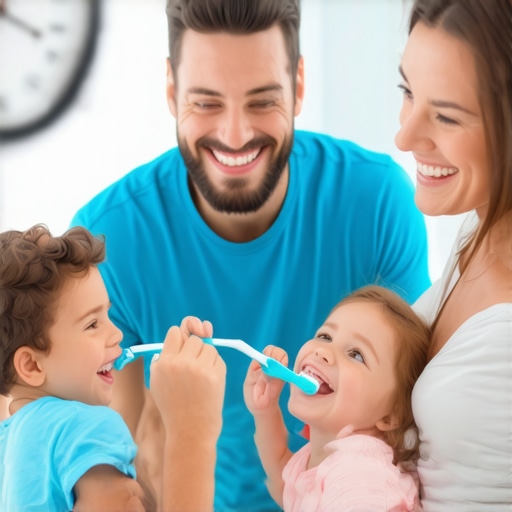
It was a typical Tuesday evening, and I was often battling the familiar chaos of trying to convince my kids to brush properly. But this night, something changed. As my child hurriedly scrubbed their teeth, I realized they had only spent about 30 seconds, not the recommended full two minutes. Frustration crept in—I knew that short brushing meant plaque could still be lurking, increasing the risk of cavities and gum disease. That lightbulb moment hit me hard: how do I get my kids to actually stick to the two-minute rule? If you’re nodding along, wondering why your little ones often rush through brushing, you’re not alone. Most parents face this challenge, and believe me, I’ve been there, trying every trick in the book.
The Real Reason Kids Don’t Brush Long Enough—and How to Fix It
Is Two Minutes of Brushing Really Necessary, or Just Overkill?
“Teenagers and young children often underestimate how long they’re brushing,” says pediatric dentist Dr. Sarah Lee. “Research shows that only about 60% of kids brush for the full two minutes recommended by major dental associations” (source: American Dental Association). Early on, I made the mistake of assuming my kids would naturally develop good habits if I emphasized the importance. Turns out, that wasn’t enough. The biggest mistake I made was neglecting to make brushing fun and engaging, which is crucial for younger kids’ attention span and motivation.
In my experience, turning this everyday chore into a game or challenge can make all the difference. So, if you’re tired of battling short brushing times, stick around. I’m going to share the practical strategies that transformed our evening routine—making brushing a bonding ritual rather than a struggle—and, most importantly, ensuring my kids get those full two minutes every time. Ready to make your kids eager to brush? Let’s dive in.
Set a Timer to Make Brushing a Challenge
One practical step I took was introducing a simple kitchen timer. I explained to my son that brushing teeth is like a mini race against the clock, aiming for two full minutes. During our first attempt, I set a colorful timer for two minutes, and he watched the seconds tick down, turning it into a fun game. The messy part? He was so engrossed in beating his personal best that he kept brushing even after the timer went off. This not only encouraged longer brushing sessions but also built a sense of achievement.
Use Engaging Songs or Stories
Replacing silence with a catchy song is a game-changer. I found a two-minute children’s playlist online and played it during brushing. My daughter loved singing along, and before we knew it, her two minutes were up. To ensure consistency, I used the same song every evening, creating a routine she associated with brushing. Over time, this became a habit, and her interest stayed high. Want to explore more brushing tips? Check out family dentistry tips.
Turn Brushing into a Visual Challenge
I introduced a mirror challenge where my kids tried to reach every corner of their mouth, ensuring they covered all areas. We awarded a sticker for thorough brushing, making it visually rewarding. I vividly recall the first night: my son was on the bathroom floor, holding his mirror at different angles, giggling as he tried to see the hard-to-reach molars. That night, he brushed diligently for a full two minutes—messy but effective. Incorporate colorful brushes or flossers to keep things lively. For more ideas, see ensuring family dental care.
Involve Rewards to Reinforce Good Habits
Positive reinforcement cannot be overstated. We started a sticker chart where every successful two-minute brush earned a sticker. After accumulating five stickers, my kids chose a small reward, like a trip to the park or a sticker book. The anticipation turned brushing into a fun activity rather than a chore. I remember my daughter eagerly brushing just to see her collection grow faster. This approach taps into the psychology of immediate gratification, making the habit stick. Want to learn more about family dental habits? Visit family dentistry building healthy smiles.
Introduce Smart Technology for Consistency
Apps and toothbrushes with timers helped us maintain consistency. Some brushes even have built-in timers that pause every 30 seconds, encouraging kids to switch areas of their mouth. I still remember the moment my son’s electric toothbrush signaled the two-minute mark, and he looked up surprised. This automatic feedback assures that the full brushing time is met without nagging. For insights on teeth whitening that complements good oral habits, check out teeth whitening strategies.Many people approach these popular dental treatments with a mix of enthusiasm and misconceptions. **Let’s clarify some hidden nuances** that even experienced patients might overlook. For instance, a widespread myth is that teeth whitening products are all equally safe and effective. In reality, **not all whitening options are created equal**, and over-the-counter solutions can sometimes cause sensitivity or uneven results if not chosen carefully. The best approach is consulting with a dental professional to tailor a safe, effective plan, which you can learn more about in our comprehensive guide to teeth whitening.
What are some advanced mistakes patients make when choosing veneers or Invisalign options?
One common mistake is selecting a treatment based solely on cost or aesthetic promises, without understanding the long-term implications. For example, with veneers, opting for cheap, non-porcelain alternatives can lead to faster staining or chipping. Similarly, choosing Invisalign systems without checking their alignment accuracy or ensuring they are administered by qualified providers can result in subpar results or even bite issues. Many overlook the importance of data-backed treatment planning—something that leading clinics emphasize, as highlighted in expert veneer insights.
Furthermore, **the common misconception that these treatments are universally suitable for everyone** can lead to regrets down the line. For example, veneers may not be appropriate for patients with significant tooth structure loss or decay, which requires prior treatment planning. Invisalign’s success heavily depends on proper case selection and comprehensive orthodontic planning—details that misinformed patients often miss. This is why thorough dental consultations are vital, as stressed in invisalign secrets for perfect smiles.
**Beware of the
Investing in Reliable Equipment for Lasting Results
Maintaining optimal oral health and the longevity of cosmetic treatments like veneers and Invisalign requires not just good habits but also the right tools. I personally recommend using a high-quality electric toothbrush with a built-in timer, such as the Philips Sonicare DiamondClean. Its sonic technology not only provides superior plaque removal but also ensures consistent 2-minute brushing sessions, reducing the risk of missed spots or uneven wear. For those using aligners, the Burst Water Flosser has become a game-changer—its pulsating water streams effectively dislodge food and plaque without damaging delicate attachments.
How do I maintain these tools over time?
Cleaning your electric toothbrush heads weekly with a brush and soap prevents bacterial buildup. For water flossers, soaking the tips in isopropyl alcohol after use keeps them free from germs. Storage should be in a dry, ventilated area to prevent mold or mold-related odors. Replacing toothbrush heads every three months and flosser tips at the same interval ensures peak performance. Regular maintenance not only extends the life of your tools but also upholds their effectiveness in delivering professional-grade cleaning at home.
Leveraging Software for Consistent Care
Digital tracking apps like MySmileKeeper sync with your electric toothbrush or Invisalign app to monitor your daily routines. I personally rely on the Philips Sonicare app, which provides real-time feedback on brushing time and zones covered, helping me identify neglected areas. For aligners, the Invisalign Outcome Simulator allows you to preview progress and stay motivated. These technologies foster accountability and help embed healthy habits into your daily routine, which is crucial for preserving long-term outcomes.
Future trends in dental maintenance tools
Looking ahead, I believe smart toothbrushes will become even more integrated with AI to personalize brushing recommendations dynamically, and AI-powered apps will predict potential issues before they become noticeable. Advances such as 3D imaging and real-time wear analysis will also enable dentists to recommend tailored maintenance routines remotely, ensuring treatments like veneers and Invisalign maintain their integrity over years. To explore the latest developments, see Invisalign innovations in 2025.
What questions should I ask my dentist about upkeep?
Always inquire about the recommended tools and routines tailored to your specific treatments. For example, ask about the best way to clean and protect veneers, or how often to schedule professional touch-ups to prevent staining or chipping. Understanding the nuances ensures you maximize your investment and avoid common pitfalls that can compromise your smile. Remember, staying proactive with maintenance is your best defense against long-term issues. For expert tips on veneers, check veneers made simple. And for a deep dive into teeth whitening maintenance, visit whitening strategies.
If you’re ready to elevate your dental routine, try integrating a smart, high-grade electric toothbrush combined with a water flosser and tracking app. It’s a straightforward upgrade that can significantly enhance your treatment longevity and oral health, helping you enjoy a brighter, healthier smile for years to come.
Lessons I Never Expected to Learn from My Kids’ Teeth
One unexpected insight was how simple tools like timers and playlists transformed our brushing routine, making it fun and effective. I also discovered that genuine engagement, rather than just nagging, creates lasting habits. Most importantly, I realized that comprehensive dental care involves more than just habits—it’s about understanding each treatment’s nuances, like the differences between veneers and crowns, to make informed decisions. Lastly, I learned that patience and consistent effort are the real keys to maintaining a radiant smile, especially when balancing family life and dental health.
Tools and Resources That Made a Difference
My go-to toolkit includes the Philips Sonicare DiamondClean for superior brushing effectiveness, a trusted resource I rely on for its proven technology and gentle performance. The Invisalign Outcome Simulator helped me visualize progress and stay motivated on my orthodontic journey. I also found the comprehensive guide on teeth whitening options in 2025 invaluable for understanding the latest treatments. These tools empower me to take control of my dental health with confidence and clarity.
Embrace Your Dental Journey Today
Remember, achieving that confident, healthy smile is a continuous journey. With the right habits, tools, and knowledge, you can maintain your dental health while enjoying every step along the way. Don’t wait for issues to arise—start integrating these habits today to ensure your smile stays bright for years to come. Your future self will thank you for taking proactive steps toward lasting oral health and beauty.