
How to Deal with a Permanent Retainer That Just Snapped
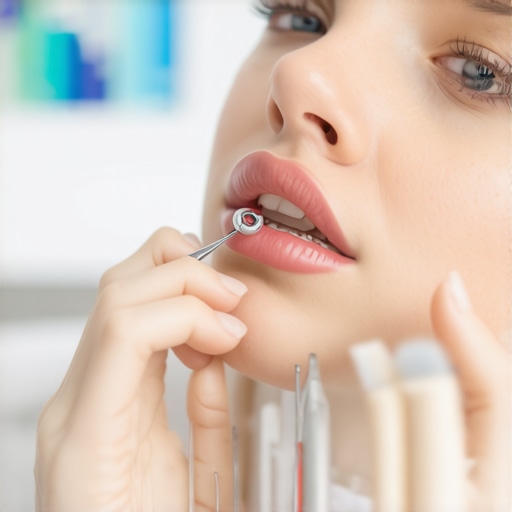
It was just another Monday morning when I caught a glimpse of my reflection and noticed something wasn’t quite right. My once perfectly aligned smile looked a little off, and it suddenly struck me—my permanent retainer had snapped overnight. The shock was real. I felt a wave of panic, worrying about what this meant for my teeth and how I could fix it quickly. Sound familiar? If you’ve ever experienced the same dread, you’re not alone. That unexpected break can be unsettling, especially when you rely on these tiny but mighty wires to keep your teeth in line.
Why a Broken Retainer Can Feel Like the End of the World
Honestly, I never thought much about my retainer until it snapped. I assumed it was just a minor thing that could be fixed easily. But in reality, it’s more than just a nuisance. Your permanent retainer is a crucial part of your orthodontic journey—it’s like the unsung hero quietly holding everything in place. When it breaks, you’re faced with a decision: do I ignore it and hope for the best, or do I take action? The truth is, a broken retainer can lead to teeth shifting back to their original positions, undoing years of work. That’s why addressing it promptly is essential. And trust me, I learned the hard way early on—ignoring small issues only makes them worse. Starting from that mistake, I realized I needed a plan (more on that below). For now, let’s explore why this is more than just a simple repair. Our smiles deserve attention—so don’t brush off this problem.
Could a Snapped Retainer Make Your Smile Worse Than Before?
I used to think losing my retainer was no big deal, but I was mistaken. Once, I tried to postpone fixing it, thinking I could get by with just a little bit of flossing. Big mistake. That small break turned into a full-blown shift in my teeth. Experts warn that even a tiny break in your retainer can lead to unwanted movement, which might require more extensive and costly dental procedures down the line. According to dental professionals, retaining proper care and timely repairs can save you from dental issues later. So, my advice? Don’t ignore a snapped retainer. It’s worth addressing as soon as possible to preserve your hard-earned smile. If you’re wondering how to tackle this unexpected snag, stay tuned—I’ll walk you through the practical steps that saved my teeth and reinforced my confidence.
Assess the Damage and Gather Essential Supplies
First, carefully examine your retainer to determine the extent of the break. If part of it is still attached or you notice sharp edges, prepare with disposable gloves, tweezers, a small mirror, and sterilized tools. Remember, handling damaged orthodontic devices can cause injury or infection—so proceed with caution. During my own mishap, I used sterilized tweezers to gently locate and remove broken wire pieces that could poke my gums. Having these supplies ready speeds up the repair process and minimizes discomfort.
Remove the Broken Retainer Safely
Gently lift or extract the damaged wire segments, avoiding force that might damage your teeth or gums. Use the mirror to visualize where the break has occurred. If pieces are stubborn, soaking the retainer in warm water can make material more flexible—making removal easier. I learned this firsthand when I soaked my retainer in warm mouthwash, which softened the plastic enough to detach fragments without damage. Removal is crucial to prevent further injury and prepare for an effective fix.
Reinforce or Replace the Damaged Section
Temporary Fixes to Keep Teeth in Place
If you’re unable to see a dentist immediately, consider applying dental wax or orthodontic wax over sharp edges to reduce irritation. Use wax to cover exposed wire tips, especially before sleeping. I found that wrapping small pieces of orthodontic wax around the broken wire prevented accidental pokes during the night, giving me peace of mind until professional help was available.
Deciding When to Seek Professional Help
While minor repairs can be managed temporarily, a broken retainer requires professional attention as soon as possible. If you notice significant damage, misalignment, or if the retainer no longer fits snugly, schedule an appointment immediately. Delaying repairs risks teeth shifting back, undoing previous orthodontic progress. I contacted my orthodontist promptly; they advised me on the next steps and scheduled a repair within days, ensuring my smile stayed on track.
Prevent Future Breakages and Maintain Your Smile
Regular checks and proper cleaning can prolong your retainer’s life. Avoid biting hard foods or using your retainer as a tool for opening packages. Clean the retainer gently with a soft toothbrush and avoid harsh chemicals that may weaken materials. If you’re considering options to enhance your smile further, explore options like veneers or teeth whitening treatments to boost confidence and aesthetic appeal. Proper care and timely repairs help ensure your smile remains healthy and beautiful for years to come.
Know When to Upgrade Your Smile Solutions
If your retainer keeps breaking or no longer suits your lifestyle, it might be time to explore alternatives like Invisalign. This discreet orthodontic option offers flexibility and durability, reducing the risk of breakage. To learn more about the latest innovations, visit Invisalign advancements. Additionally, for teeth whitening ideas to complement new aligners or veneers, check these whitening secrets. Regular consultation with your dentist ensures you select the best path to a radiant smile.While many patients embark on cosmetic or orthodontic treatments with high hopes, there’s a surprising amount of misinformation and overlooked nuances that can impact long-term results. For example, a common myth is that Invisalign aligners can fix any dental misalignment effortlessly; in reality, they require strict compliance and understanding of their limitations — such as their effectiveness being reduced for complex cases, which only experienced orthodontists can accurately assess. Moreover, patients often underestimate how crucial proper attachment placement and wear schedules are for predictable outcomes. Did you know that frequent whitening treatments without professional guidance can actually harm your enamel and cause uneven coloration? According to experts at the American Academy of Cosmetic Dentistry, overusing home whitening products can weaken enamel integrity and lead to increased sensitivity here.
When it comes to veneers, many think they are a quick fix for imperfect teeth, but the reality is that selecting the right material and preparation technique involves a nuanced understanding of translucency, bonding strength, and facial aesthetics. Opting for cheaper, less durable veneers might seem cost-effective initially but can lead to chipping or discoloration over time. This is why consulting with a specialist who understands the subtleties of veneer materials — like porcelain versus composite — is essential, which you can learn about in this detailed comparison.
Family dentistry often gets misunderstood as just maintaining kids’ teeth, but in fact, it encompasses the entire spectrum of oral health care across generations. Regular checkups are vital, yet many families neglect to address underlying issues like periodontal health or occlusion problems that can develop silently. For busy parents, the misconception that good oral hygiene alone suffices is dangerous; professional evaluations catch early signs of trouble that home care might miss. For comprehensive tips, see family dentistry insights here.
Making these distinctions and understanding the advanced nuances of these treatments can truly elevate your dental care. Resist the allure of quick fixes without considering their long-term implications and consult with seasoned professionals who prioritize personalized, informed decisions. This proactive approach ensures that your investment in dental health yields lasting, beautiful results.
Have you ever fallen into this trap? Let me know in the comments.
How do I keep my dental transformations working long-term?
Maintaining your smile once you’ve invested in treatments like Invisalign, veneers, or teeth whitening isn’t just about routine brushing. It involves specific tools and practices that ensure durability and aesthetic appeal over time. For example, I personally recommend using a water flosser, like the Waterpik, which penetrates areas traditional floss might miss, especially around veneers or braces. Regular professional cleanings are vital, but having the right tools at home makes a significant difference in preventing staining, decay, or damage.
Additionally, investing in a handheld ultrasonic scaler can help remove stubborn plaque build-up between visits without risking damage to sensitive restorations. When it comes to teeth whitening, I suggest using a custom-fitted whitening tray recommended by your dentist, combined with high-quality whitening gel to maintain your luminosity. This approach, supported by professionals in dental aesthetics, maximizes results and minimizes sensitivity, as outlined in this guide.
Monitoring your bite and fit using a mirror or even a 2X magnifying mirror helps catch early signs of wear or misalignment. In the future, digital tools like intraoral scanners can provide more detailed follow-ups, as experts predict advancements in remote monitoring techniques, reducing unnecessary office visits. By integrating these tools into your routine, you create a proactive maintenance system that extends the lifespan of your smile enhancements.
Maximize your results with the right upkeep methods and equipment
If you’re interested in deepening your knowledge, consider consulting your dentist about setting up a personalized maintenance plan. Remember, the effectiveness of treatments like Invisalign or veneers relies heavily on consistent care, and the right tools can make all the difference. Want to give your long-term results an extra boost? Try incorporating a professional-grade teeth whitening kit into your routine, and see how it preserves that bright, confident smile. Keeping your dental investments in top shape will ensure you’ll enjoy the benefits for years to come.
Lessons the Smile Industry Won’t Always Share
- One of the biggest revelations I had was that even the most advanced smile treatments require ongoing care. Skipping routine maintenance can undo years of work faster than you think.
- Another lesson was understanding that not all cosmetic options are permanent. Veneers, for example, may need replacing after a decade, so investing in quality over cost is crucial.
- Finally, I learned that patience is key. Achieving a radiant, long-lasting smile is an ongoing journey, not a one-time fix. Staying consistent with follow-ups and home care makes all the difference.
My Favorite Tools and Resources for Smile Success
- Professional Teeth Whitening Kits: Trusted by dental experts and proven to deliver brighter results without damaging enamel.
- Invisalign Technology Updates: Staying informed about the latest innovations helps optimize treatment plans and outcomes.
- Veneer Selection Guides: Learning about types and materials empowers you to choose the best aesthetic and durable option.
- Family Dentistry Resources: Comprehensive care that supports all ages, ensuring your smile stays healthy across generations.
Believe in the Power of Your Smile—Your Future Looks Bright
Taking charge of your dental health and aesthetic journey isn’t just about appearances—it’s about confidence, self-care, and embracing your unique beauty. With the right tools, professional guidance, and commitment, you’ll preserve that perfect smile for years to come. Remember, every small step you take today builds the foundation for a radiant tomorrow. Ready to start or enhance your smile story? Your best self is just a decision away.
What has been your biggest challenge in maintaining your smile after treatments like Invisalign or veneers? Feel free to share your experiences below—I’d love to hear your story!