
How to Stop Your Clear Aligners From Catching on Your Lip
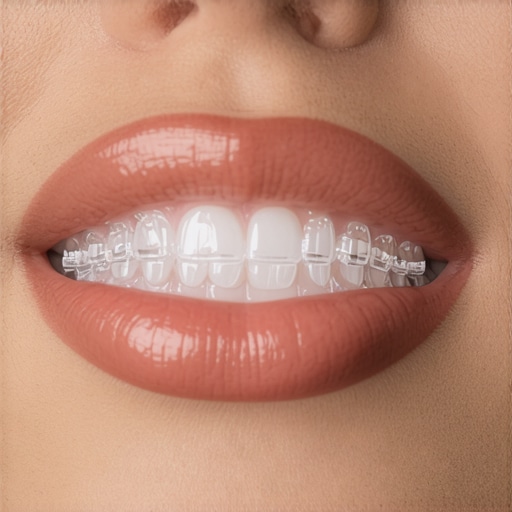
It happened again this morning. I found myself in the mirror, grimacing as I tried to reposition my aligners after they caught on my lip for the third time this week. Frustration? Oh, definitely. But more than that, I felt that familiar wave of self-consciousness creeping in—every time my aligners snag, I worry about how I look and if I’m doing something wrong. Sound familiar? You’re not alone. Many people with clear aligners face this pesky issue, and trust me, I’ve been there.
Why Do My Clear Aligners Catch on My Lip So Often?
First off, let’s talk about why this problem happens in the first place. When I started my Invisalign journey, I assumed it was just part of the process—a temporary hassle I’d get used to. But I soon realized that these catches weren’t just annoyances; they could actually slow down progress and mess with your confidence. It turns out, several factors contribute to this, including the fit of your aligners, your lip anatomy, and even the way you speak or move your mouth.
One common mistake I made early on was neglecting how my lips interacted with the aligners during daily activities. I thought once they fit snugly, I was good to go. But subtle changes in how I moved my lips or spoke could cause them to catch or shift unexpectedly. Interestingly, according to recent orthodontic insights, improper aligner fit can cause discomfort and catch points, which might compromise the treatment if not addressed properly (source). So, understanding the root causes is the first step towards fixing this frustration.
If you’re tired of feeling self-conscious every time your aligners snag, stick around. In the next sections, I’ll walk you through practical, easy-to-implement tips that I’ve personally tested and found effective. These strategies don’t require more than a few seconds of your day and can significantly improve your comfort and confidence. Ready to reclaim control over your smile journey? Let’s dive into the solutions that work.
Check Your Fit and Make Adjustments
Inspect Your Aligners Regularly
Start by examining your aligners in good lighting, especially around the edges, to ensure they seat properly on your teeth. During my first week, I noticed that a small crack at the corner of my aligners caused them to catch on my lip. I used a toothbrush to gently smooth the edges—this small fix significantly reduced catching episodes and improved comfort.
Use a Plastic File or Fine Sandpaper
If edges are rough, gently file them using a specialized dental file or fine-grit sandpaper. Be cautious—only remove tiny bits to avoid altering the fit. This is akin to sanding a splintered piece of wood; a slight smoothing prevents future catching without compromising the aligner’s integrity. Once, I took a manual approach like this and immediately felt the difference, with no more catching during my daily routine.
Master Lip and Mouth Positioning
Practice Gentle Mouth Movements
Position your lips and tongue intentionally when wearing aligners, especially during speech or eating. Think of it as coaching your mouth to behave differently—similar to adjusting a camera lens to get a clearer shot. I caught myself habitually resting my lips in a way that pushed the aligners out of position. Conscious adjustments, such as relaxing my lips and avoiding excessive lip biting, reduced aligner catch and improved overall comfort.
Be Mindful During Speech and Chewing
Focus on how you move your mouth. Small habits, like exaggerated speech or clenching, can cause aligners to shift or catch on the lip. I recorded my talking during a mirror session, identified habits that caused aligners to catch, and practiced smoother movements. Over time, this became natural, and I noticed fewer inconveniences.
Utilize Specific Techniques During Daily Habits
Adjust Your Oral Hygiene Routine
Cleaning and inserting aligners properly is crucial. Clean your aligners thoroughly to prevent debris that can cause discomfort or catching. When I brushed my aligners before insertion, it prevented rough spots that occasionally caused catching on my lip. Using a soft-bristled toothbrush and gentle motions made this process quick and effective, improving overall fit.
Warm Water and Gentle Manipulation
If aligners feel tight after re-insertion, soak them briefly in warm water to soften and then carefully reseat. This method helped me re-align the fit, minimizing catching. Remember, never use hot water, as it can warp the plastic. I found gentle finger pressure on the aligners during insertion also helped seat them comfortably, reducing the chance of catching on the lip during daily activities.
Consult Your Orthodontist for Custom Solutions
If these steps don’t resolve frequent catching, schedule a check-up. Sometimes, minor adjustments or refittings are necessary. My experience with a professional adjustment saved me from ongoing frustration. Visit this resource for insights on achieving optimal aligner fit and learn when to seek expert help.
Many people assume they understand the basics of cosmetic and family dentistry, but beneath the surface lie nuanced truths that can significantly impact your smile journey. One major misconception is that all teeth whitening methods are equally effective and safe; in reality, over-the-counter whitening strips often cause uneven results and sensitivity, whereas professional whitening offers tailored, longer-lasting effects (source). Moreover, there’s a prevalent myth that Invisalign’s primary advantage is invisibility alone—while discreet, its true benefit lies in the precision of digital treatment planning, which minimizes common pitfalls like poor fit or tooth movement delays (source). A hidden nuance many overlook in family dentistry is the importance of early intervention; delaying treatment can lead to more complex issues and higher costs later. For example, untreated malocclusion in children often results in functional problems affecting speech and eating, which could be mitigated with timely care (source).
When it comes to veneers, the common misconception is that they are purely cosmetic; however, modern veneers also reinforce tooth structure and can address minor misalignments or chips without full crowns. The critical nuance here is selecting between porcelain veneers and crowns—each serves different purposes and requires different preparation techniques (source). Conversely, many patients are unaware that improper at-home care or using abrasive products can stain or damage veneers over time, negating their aesthetic benefits.
In narratives around cosmetic enhancements, there’s often an oversimplification—that once you invest in whitening, veneers, or aligners, your issues are solved forever. But maintaining your results demands ongoing attention, including proper oral hygiene and sometimes periodic touch-ups. Recognizing these subtleties can help you avoid costly mistakes and set realistic expectations.
Are you caught in any of these myths? Or perhaps you’re unaware of a hidden nuance that could make a real difference? Share your experiences or questions below. Remember, knowledge is your best tool for a healthier, more confident smile.Maintaining a beautiful smile after treatments like Invisalign, teeth whitening, or veneers requires not just good habits but also reliable tools that support long-term results. One essential device I personally swear by is the Oral-B iO Series electric toothbrush. Its oscillating and micro-vibrations technology provide deeper plaque removal and gentle gum stimulation, which is critical in prolonging the effects of whitening and protecting veneers from staining. I’ve found that switching to a high-quality electric brush like the iO significantly reduces plaque buildup, which can wear down restorations over time. Another tool I highly recommend is a water flosser, such as the Waterpik Ultra, especially for those with braces, aligners, or veneers. It efficiently cleans around brackets and under retention wires, where traditional floss struggles, minimizing the risk of gum disease and staining. Regularly using a water flosser helps maintain gum health and prevents discoloration of dental work, which is vital for preserving your investment in cosmetic procedures.
Linking technology with routine maintenance is where the future of dental care is headed. Treatments will become even more personalized, with smart devices that detect early signs of decay or gum issues. As an example, the Glo Science Oral Care supports professional-grade whitening at home while offering personalized feedback on brushing habits through an app. This integration ensures consistent, effective care and dovetails perfectly with the ongoing trends in dental health tech (see top whitening strategies).
How do I maintain my dental appliances and whiteners over time?
Cleaning your devices regularly is crucial. For instance, sanitize your aligners or retainers with a mixture of equal parts white vinegar and water weekly to eliminate bacteria. Also, replace your toothbrush head every three months to ensure maximum cleaning efficiency. Investing in a dental sonic scaler can help descale your whitening trays or retainers, preventing plaque buildup that leads to discoloration (learn how to clean dental appliances). Consistent use of these tools, combined with your routine dental visits, ensures your smile remains vibrant and healthy long into the future. As technology progresses, expect even more intelligent devices to emerge, providing real-time feedback and tailored advice—making maintenance easier and more effective than ever before. I recommend trying a water flosser in your daily routine. Not only does it improve gum health, but it’s also a gentle way to keep veneers and aligners spotless, ultimately helping your smile stay stunning for years. For more personalized tips or questions, feel free to contact us at Smile Gum Care.
What I Wish I Knew Before Starting My Invisalign Journey
One of the most eye-opening lessons I learned is that understanding the nuances of aligner fit can save you a lot of frustration. Small adjustments, like smoothing rough edges or ensuring proper seating, make a visible difference. Trust me, neglecting these details can prolong your treatment and add unnecessary discomfort.
The Power of Mindful Mouth Movements
Practicing gentle lip and tongue positioning transformed my daily experience. By consciously relaxing my lips and avoiding habits like excessive biting, I minimized aligner catching and boosted my confidence. Sometimes, the tiniest habits have the biggest impact.
Don’t Overlook Routine Maintenance
Regularly inspecting and smoothing aligner edges, cleaning thoroughly, and using warm water during insertion are small habits that paid off for me. They kept my aligners fitting perfectly and reduced discomfort, helping me stay on track with my orthodontic goals.
Collaboration with Your Orthodontist Is Key
If issues persist despite your efforts, a quick visit to your orthodontist can make all the difference. Minor adjustments or refittings can dramatically improve comfort and progress—don’t hesitate to seek professional guidance when needed.
Emerging Technologies Make It Easier
From smartphone apps to smart whitening devices, the integration of technology is revolutionizing dental care. Investing in trusted tools like the Glo Science whitening products has helped me maintain my results and stay motivated. Staying updated with innovations ensures your journey remains smooth and effective.
My Essential Toolkit for Smile Success
- Electric toothbrushes such as the Oral-B iO Series for superior plaque removal
- Water flossers like the Waterpik Ultra for effortless cleaning around aligners and veneers
- Professional-grade whiteners to extend your bright smile
- Regular dental check-ups to catch issues early
Your Turn to Brighten Your Smile
Implementing these insights transformed my experience with Invisalign, and I believe they can do the same for you. Remember, your comfort and confidence are worth the effort—your smile deserves it. What small change have you noticed making the biggest difference in your dental routine? Share below and let’s learn together!