
Why You Might Need a Night Guard Even if You Don’t Think You Grind
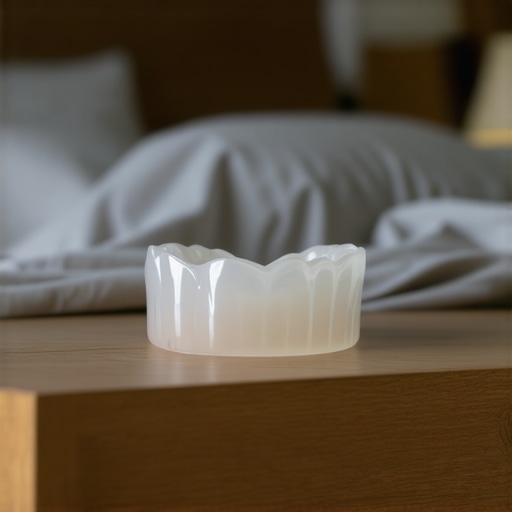
Imagine this: you’re peacefully sleeping, unaware of the silent wear and tear happening to your teeth. Suddenly, in the morning, you notice a faint but persistent ache in your jaw or your crown feels slightly off. It hits you—could all that nighttime grinding be affecting me, even if I never thought I was a grinder? I had that lightbulb moment myself when I realized my frequent headaches and worn-down teeth didn’t align with my self-perception of being gentle with my teeth. That’s when I discovered the importance of a night guard, not just for people who grind loudly and visibly. Today, I want to share how often we underestimate our own teeth’s signals and why a night guard might be your best secret weapon for preserving your smile.
Why Unnoticed Grinding Could Be Sabotaging Your Smile
Most people assume that only loud, obvious teeth grinding warrants concern. But reality is more nuanced. Micro-movements and subtle nocturnal clenching can happen without us realizing it. These tiny motions can cause irreversible damage over time, including enamel erosion, increased sensitivity, and even TMJ disorders. Interestingly, studies show that up to 70% of teeth wear goes unnoticed by the individuals themselves, making detection tricky without a professional eye. Early signs like facial soreness and abrupt tooth changes often appear after significant damage has already occurred. That’s why paying attention to your body’s subtle cues can be a game-changer for preventative dental care.
Early on, I made the mistake of dismissing the occasional jaw soreness, chalking it up to stress. I ignored the warning signs until my dentist pointed out uneven wear on my teeth — a clear sign I was clenching my jaw at night. It was then I realized that even if I didn’t grind loudly, I was causing harm. The takeaway? Don’t wait until you experience severe pain or see visible damage. Recognizing and addressing these signals early can save you a lot of discomfort — and money—later on. Want to learn how to spot the subtle signs yourself? Check out family dentistry tips for more insights into maintaining oral health.
Is a Night Guard Really Worth the Hype If I Don’t Grind?
It’s a common misconception that night guards are only for the visibly bruxers or those with loud grinding habits. Trust me, I fell into that trap early on, thinking, “I don’t grind—I don’t need one.” Yet, my own experience showed that quiet clenching can be just as damaging. According to the American Dental Association, even mild, unconscious clenching can lead to significant wear and TMJ problems if left unchecked. My mistake was believing I could outgrow or ignore mild symptoms. The truth is, preventive measures like a night guard can protect your teeth from insidious damage, keeping your smile healthy and pain-free long-term. Curious if you might benefit from one? It’s worth a conversation with your dentist.
As I share my journey, I hope you’ll see that your teeth are smarter than we often give them credit for — sending warning signs that we might ignore. Recognizing these early clues and taking action can make all the difference. Ready to explore the signs that you need a night guard—and how to get started? Let’s dive into what you need to know to protect your smile today.
Identify the Subtle Signs of Grinding
Start by observing your daily sensations—do you wake up with jaw soreness or face tension? During the day, check for persistent headaches or earaches that seem linked to your sleep habits. A specific time I noticed this was after a stressful week; I felt a dull ache in my jaw that I initially dismissed. Recognizing these clues early helps prevent further damage.
Schedule a Professional Dental Examination
Book an appointment with your dentist to assess your bite and look for signs of wear or jaw strain. Dentists have specialized tools like occlusal analysis to detect micro-wear patterns that we completely overlook. When I finally went in, my dentist pointed out uneven enamel worn from micro-clenching, even though I thought I wasn’t a grinder. Regular check-ups catch these issues before they escalate.
Use a Custom Night Guard Effectively
Get your dentist to craft a personalized night guard. These devices act like a shield, preventing your upper and lower teeth from grinding against each other. When I first wore mine, I experienced discomfort, but after adjusting to it, I slept peacefully. Think of it as installing bumpers on your teeth—protecting them from every micro-movement, whether loud or silent.
Understand How to Wear and Maintain the Night Guard Properly
Clean your night guard daily with gentle brushing and rinse it thoroughly. Store it in a ventilated case, and avoid exposing it to hot water or UV light, which can deform the material. This is like caring for a delicate sports protective gear—proper maintenance ensures longevity and hygiene. During my initial attempt, I neglected cleaning, which led to a lingering odor. Once I followed strict cleaning routines, it remained fresh and effective.
Implement Stress-Relief Techniques to Reduce Clenching
Practice relaxation methods—deep breathing, meditation, or progressive muscle relaxation—to decrease the subconscious urge to clench or grind. I incorporated a short meditation routine before bed, which noticeably reduced my nighttime tension. Think of it as calming your mind to prevent your body from sending signals that cause your jaw to act up.
Adjust Lifestyle Factors That Contribute to Grinding
Limit caffeine and alcohol intake, especially before bed, as they can increase muscle tension. Ensure you’re getting enough sleep, as fatigue makes clenching more likely. During a stressful project at work, I noticed my grinding intensified—addressing my stress levels significantly improved my symptoms. Consider routine physical activity and proper hydration as additional measures to keep your jaw relaxed.
Monitor Changes and Follow Up Regularly
Keep note of any persistent symptoms or new discomforts. Follow up with your dentist to track your condition and adjust your night guard if necessary. I scheduled periodic check-ins, which allowed my dentist to refine the fit and ensure optimal protection. Remember, ongoing vigilance is key to stopping unnoticed wear in its tracks and maintaining a healthy smile.Many believe they fully understand cosmetic and restorative dental procedures like veneers, family dentistry, Invisalign, and teeth whitening. However, expert insights reveal common misconceptions that can lead to costly mistakes. For instance, the popular notion that veneers are permanent and unchangeable oversimplifies their lifespan; factors like grinding habits and oral hygiene can significantly influence their durability, as discussed in our veneer guide. Additionally, many assume that all whitening treatments yield similar results, but the effectiveness varies greatly depending on the product and individual enamel health, a nuance supported by recent studies in dental materials. When it comes to Invisalign, a widespread myth is that it’s only for teenagers; in reality, adults often benefit from this discreet orthodontic solution, emphasizing the importance of personalized treatment planning. Similarly, routine family dentistry is sometimes mistaken as merely cleaning and check-ups, but proactive preventive strategies—including fluoride applications and dietary advice—are vital for long-term oral health. Recognizing these subtleties enables better decision-making and realistic expectations. Don’t fall into the trap of oversimplification; consult your dental professional about personalized options rather than relying solely on popular myths. Want to deepen your understanding? Explore our comprehensive article on [the ultimate guide to teeth whitening options](https://smilegumcare.com/the-ultimate-guide-to-teeth-whitening-options-in-2025) for more expert tips.
How can understanding the nuances of these treatments improve your dental outcomes?
Becoming aware of these hidden factors allows for tailored solutions, enhancing longevity and aesthetic results. For example, knowing that veneer lifespan depends on wear and tear encourages better lifestyle choices, while understanding that Invisalign success hinges on adherence and retention strategies can optimize treatment time. Moreover, being informed about the limits of over-the-counter whitening products prevents disappointment and potential enamel damage. In family dentistry, recognizing the importance of early intervention and patient-specific prevention plans can save lives. To avoid common pitfalls, always seek advice from a qualified dentist who can assess your unique needs. Remember, superficial knowledge often leads to unrealistic expectations—delve deeper by reading trusted resources and professional guidance. Want a tailored plan that aligns with your goals? Contact us for personalized dental consultations. Get in touch today and take the first step toward a healthier, brighter smile.Maintaining a beautiful, healthy smile requires more than just brushing and flossing. Investing in the right tools can make a significant difference in the longevity of veneers, Invisalign aligners, and teeth whitening results. Personally, I swear by using a high-quality ultrasonic cleaner like the **Colgate ProClinical** for my night guard and retainers. It effectively removes built-up plaque, bacteria, and any residual debris that brushing alone might miss, ensuring my dental appliances stay hygienic and odor-free. Using an ultrasonic cleaner is a game-changer because it reaches into tiny crevices, prolonging the lifespan of your veneers and Invisalign trays, and preventing discoloration.
For daily maintenance, I recommend a soft-bristled toothbrush paired with a fluoride-based, low-abrasive toothpaste. This combo is gentle enough for veneers and crowns but effective at removing surface plaque. In addition, an electric toothbrush like the **Oral-B Genius X** has sensors that track your brushing habits, ensuring you cover all areas thoroughly—especially critical for those with extensive work or orthodontic appliances.
Long-term results depend heavily on routine care. Incorporating tools like water flossers, such as the **Waterpik** models, enhances interdental cleaning, reaching spots traditional flossing might miss—especially around brackets, veneers, or implants. Regular use of interproximal brushes with soft bristles helps clean tight spaces around crowns and veneers without causing damage.
Looking ahead, technology continues to evolve rapidly. Innovations like sonic toothbrushes with AI-powered sensors and smart app integrations are making daily maintenance more personalized and efficient. For example, the **Quip Smart Brush** provides real-time feedback, ensuring you maintain proper technique and coverage—a simple yet effective way to preserve your investment.
### How do I keep my dental tools in top shape over time?
Proper maintenance extends their lifespan and performance. Rinsing toothbrush heads thoroughly after each use, replacing toothbrushes every three to four months, and regularly disinfect the appliances with ultrasonic cleaners are vital practices. Also, be cautious with storage; keep appliances dry and in well-ventilated cases to prevent mold and bacterial growth.
Finally, consider routine professional cleanings and check-ups. Even with the best tools, a handshake with your dentist helps catch issues before they escalate. Regular visits, combined with your personal maintenance routine, ensure your smile remains dazzling and healthy for years to come. For more detailed advice, check out [family dentistry tips](https://smilegumcare.com/family-dentistry-tips-creating-a-healthy-smile-for-your-kids-at-0915) to keep your oral health in check.
Equipment choice is just the start—consistent, proper care is the secret to long-lasting results. So, try integrating some of these advanced tools into your routine and witness the difference for yourself. Remember, proactive maintenance today protects your smile tomorrow.
What I Wish Someone Told Me About Smile Transformations in Secret
- One of the biggest revelations was realizing that even a slight misalignment or discoloration can subtly deteriorate confidence over time, highlighting the importance of proactive aesthetic care before issues become obvious. I learned that small cracks or stains might seem insignificant, but they often signal deeper structural concerns that a professional can catch early.
- Another lesson involved understanding the true longevity of veneers and whitening treatments: routine maintenance and lifestyle choices weigh heavily on the durability of these cosmetic procedures. Neglecting proper oral hygiene or exposing veneers to certain foods can drastically reduce their lifespan—a realization that transformed my approach to daily dental routines.
- It also became clear that misconceptions about Invisalign’s role in adolescent-only orthodontics are widespread, and that adults can comfortably benefit from discreet aligners just as much. This insight encouraged me to consider options I previously thought were exclusive to youngsters, emphasizing that age is just a number for a stunning smile.
My Top Picks for Elevating Your Dental Journey
- The Smile Guide: This comprehensive resource offers in-depth insights on veneers, crowns, and everything related to smile makeovers. I trust it because it provides evidence-based advice tailored for real-life situations, helping me make informed decisions.
- Invisalign Official Website: For understand the latest innovations in clear aligners, their detailed treatment plans, and success stories. Their updates kept me confident that my choice for discreet orthodontics is backed by scientific research.
- Brighten Your Life: Our recommended guide on teeth whitening strategies highlights safe, effective methods suited to various needs. I appreciate that it stresses healthy enamel preservation while achieving a dazzling smile, which aligns with my personal health philosophy.
- Family Dentistry Resources: This collection of tips emphasizes preventive care from early childhood through adulthood. It’s valuable because establishing good habits early on can save a tremendous amount of time and money in future treatments.
Seize the Chance to Redefine Your Smile’s Future
Your journey to a healthier, more radiant smile begins with awareness and proactive steps. Remember, understanding the nuances of veneers, Invisalign, and teeth whitening isn’t just about aesthetics—it’s about empowering yourself to protect your valuable smile for years to come. Embrace the knowledge, consult your dental professional regularly, and don’t shy away from exploring transformative options that suit your unique needs. Your best smile is waiting—are you ready to make it happen?