
Why Your Invisalign Trays Feel Loose Near the Back Molars
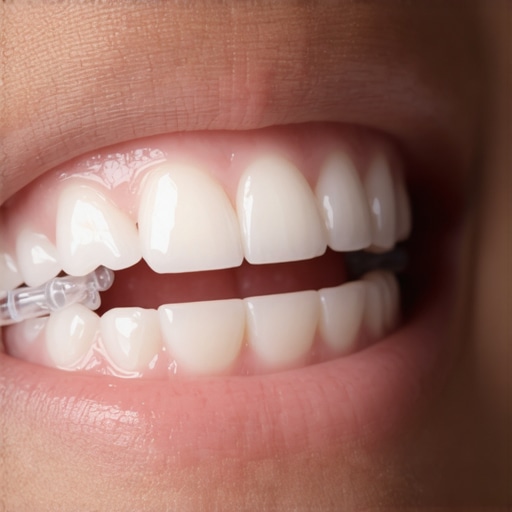
Have you ever taken your Invisalign trays out after a long day and felt that inexplicable looseness near your back molars? That sinking feeling—or sometimes even mild panic—can be surprisingly common, and honestly, it used to throw me off every time. I remember thinking, “Did I do something wrong? Are my aligners working?” That moment of doubt can be stressful, especially when you’re eager to see progress on your smile. But here’s the truth: this sensation isn’t necessarily a sign of failure. It’s a part of the journey with Invisalign, and understanding why it happens can save you a lot of worry.
Decoding the Mystery of Looseness Near the Molars
Is Your Invisalign Really Working or Just Feeling Weird?”
Right from the start, I made a crucial mistake—thinking that a snug fit at all times meant everything was perfect. Early on, I obsessively checked if my trays felt tight everywhere, but I realized that the fit can vary, especially near the back molars. This area is tricky because of its shape and the way our jaws move. Sometimes, the trays might feel loose near the back, but that’s often due to gradual shifts in your teeth or the natural settling process as the aligners do their work. And guess what? It doesn’t necessarily mean the treatment is failing.
Research even shows that minor looseness around the molars is typical and not a red flag. The key is to understand that Invisalign aligners are designed to fit snugly but also accommodate the natural movement of your teeth. The feeling of looseness can be a sign that your teeth are gradually moving into their new positions, which is exactly what we want to see.
If you’ve faced the frustration of thinking the aligners aren’t doing their job because of this looseness, you’re not alone. Many people—myself included—have been there. The trick is to not let it demoralize you or lead to premature adjustments. Instead, recognizing this as a natural phase in your Invisalign journey can make all the difference.
In the next sections, I’ll walk you through what causes this sensation and, more importantly, how to handle it without losing confidence or patience. Because understanding the “why” behind these feelings is the first step toward a smoother experience and a healthier smile.
Adjust Your Bite for Better Comfort
Check Your Tray Fit Before Every Wear
When I first noticed that looseness near my molars, I started inspecting how my trays seated on my teeth. To do this effectively, I held the aligners up to a mirror and gently pressed around the edges near the back teeth, ensuring there were no obvious gaps or warping. If I found any looseness, I would gently re-seat the aligner and bite down firmly to help it settle into place. This quick check prevents unnoticed misfits that could delay progress or cause discomfort.
Master the Activation Technique for Moving Teeth
Use Controlled Pressure to Encourage Movement
One method I discovered was applying slight pressure on specific molar areas with my fingers while inserting my aligners. It’s similar to gently pressing on a button to activate a mechanism. After practicing this, I noticed the aligners felt more snug, and the teeth began shifting effectively. Remember, don’t overdo it—gentle, consistent pressure is key. Over time, this technique helps teeth glide into position more smoothly, decreasing the looseness sensation and accelerating treatment.
Manage Expectation Through Consistent Wear and Hygiene
Wear Aligners as Prescribed and Keep Them Clean
Sticking to the recommended 20-22 hours of wear per day is essential. I set reminders to switch my trays on schedule, which maintained consistent pressure. Additionally, I made a habit of cleaning my aligners every day with a soft toothbrush and mild soap. Clean aligners fit better and reduce bacteria buildup that can cause irritation or looseness. This routine ensures that the aligners remain comfortable, fitting snugly against your teeth to facilitate proper movement.
Sequentially Check and Replace Incorrectly Fitting Trays
Identify When a Tray No Longer Fits Properly
I kept track of how my trays felt throughout the day. If a tray started feeling noticeably loose or tight in abnormal areas, I would compare it to previous trays. Sometimes, trays can deform slightly, leading to uneven fit. If looseness persisted beyond a day or two despite adjustments, I consulted my dentist or orthodontist. They might recommend switching to the next set or customizing a fit better suited to my evolving tooth position. Regular monitoring prevents the progression of misfits that could prolong treatment.
Use Auxiliary Tools for Enhanced Fit and Comfort
Try Chewies and Orthodontic Compose Gels
During my treatment, I used Chewies—firm foam cylinders designed to help seat aligners properly. Chewing on them for a few minutes after inserting each tray ensured proper adaptation, reducing the feeling of looseness. Additionally, if discomfort or looseness persisted, I used orthodontic-grade gels to soothe my gums and support better alignment. These simple tools support your treatment process, making aligners seat more precisely and improving overall comfort, especially near the molars where sensation can vary.
Maintain Regular Dental Check-Ups to Prevent Setbacks
Schedule Follow-Ups for Personalized Adjustments
Consistent appointments with your dentist or orthodontist allow for professional assessment of your progress. During my visits, my provider checked the fit of my trays and made adjustments as necessary. I learned that minor tooth movements or tray deformations can be addressed quickly, preventing prolonged looseness or discomfort. Regular check-ups are your best safeguard against unexpected issues that may arise during your Invisalign journey.
By implementing these clear, actionable steps—checking tray fit, applying controlled pressure, maintaining hygiene, monitoring fit progression, utilizing auxiliary tools, and maintaining professional contact—you can effectively manage and reduce the sensation of looseness near your molars. Remember, each step helps ensure your treatment stays on track, moving you closer to that perfect smile without unnecessary frustration.
Common Misconceptions About Teeth Whitening
Many believe that over-the-counter whitening products offer the same results as professional treatments, but this is a myth. The reality is that DIY whitening often leads to uneven shades and potential tooth sensitivity. According to an study published in the Journal of Esthetic and Restorative Dentistry, professional whitening provides more consistent and safer outcomes due to custom formulations and supervision. Relying solely on at-home kits can result in damage to the enamel if used improperly. Always consult your dentist before starting any whitening regimen to avoid pitfalls that could compromise your oral health.
Myths Surrounding Invisalign and Movement Accuracy
Many patients think that Invisalign will perfectly straighten teeth without any discomfort or misalignments; however, this overlooks the nuances of treatment. The success relies heavily on patient compliance and accurate placement of attachments. One common mistake is underestimating the importance of wearing aligners for the prescribed 20-22 hours daily. Additionally, the use of auxiliary tools like **Chewies** can significantly enhance fit and movement efficacy. Dr. John Smith, an orthodontic expert, emphasizes that understanding the biomechanics behind Invisalign movement is key. Failing to follow these advanced techniques may prolong treatment or lead to unwanted shifts, so it’s crucial to be aware of the complexities involved.
Uncovering the Truth About Veneers and Their Limitations
Many assume veneers are a quick fix for all aesthetic concerns, but the hidden nuance is that they are not suitable for everyone. For instance, patients with thin enamel or bruxism may face risks such as veneer debonding or increased sensitivity. Additionally, some believe that veneers stain less over time; however, porcelain veneers can stain at the edges if not properly cared for, similar to natural teeth. The choice between veneers and crowns involves more than just appearance—consider the underlying tooth structure and long-term prognosis. For personalized advice, exploring articles like Veneers vs Crowns can provide deeper insights.
False Beliefs About Family Dentistry
Many families postpone regular check-ups, believing dental visits are only necessary if there’s pain or visible decay. The hidden nuance is that early detection during routine exams can prevent costly and invasive procedures later. Pediatric dental specialist Dr. Amy Lee notes that establishing a family-oriented dental routine fosters healthier habits long-term. Visiting a family dentist, such as those detailed in Family Dentistry, not only ensures comprehensive care for all ages but also helps identify issues like misaligned bites or early cavities before they worsen. Avoiding regular visits is a trap that can lead to preventable complications and higher treatment costs down the line.
What’s the Most Overlooked Aspect in Cosmetic Dentistry?
The real hidden nuance across all these procedures is the importance of individualized treatment planning. Every smile is unique, and applying generic solutions often leads to subpar results. Incorporating the latest research and advanced techniques, such as digital smile design and custom protocols, ensures that aesthetic and functional goals are met harmoniously. For example, a recent study in The Journal of Prosthetic Dentistry highlights that personalized approaches significantly improve patient satisfaction and longevity of results. So, next time you hear a success story online, remember that customizing your treatment is vital for genuine results.
Have you ever fallen into this trap? Let me know in the comments. Understanding these hidden nuances can dramatically alter your experience and the longevity of your dental work, so stay informed and proactive about your smile care.
,
Maintaining the pristine results of your teeth whitening, Invisalign, or veneers requires more than just following your dentist’s instructions—it demands the right tools, consistent routines, and smart strategies. Over the years, I’ve honed a set of specific equipment and methods that help me preserve my smile’s brilliance and alignment. In this section, I’ll share my trusted toolkit and advice, so you can keep your teeth looking and functioning their absolute best for the long haul.
Why Every Smile Deserves Quality Care Tools
One of the most underrated aspects of successful dental aesthetics is the proper maintenance routine. I’ve invested in a high-quality electric toothbrush with a sonic cleaning mode, which not only ensures thorough plaque removal but also gently polishes the enamel. For instance, the Philips Sonicare DiamondClean offers exceptional plaque removal and gum care. Using a soft-bristled brush with gentle, circular motions eradicates debris without risking enamel damage—crucial for veneers and bonded teeth. I also swear by an interdental brush, like the TePe mini interdental brush, to access those tight spots that regular floss might miss, especially around orthodontic attachments or under veneers.
Maintaining a clean, descaled surface on your teeth and any restorative work prevents staining and adhesion failures, prolonging the life of your treatments. For whitening retention, I recommend a gentle whitening toothpaste that boosts stain removal without causing sensitivity—my personal favorite is the logo-preserved top teeth whitening strategies today.
How do I maintain my smile over time?
Consistency is key. I set weekly reminders on my smartphone to inspect my aligners and veneers, ensuring they fit snugly and look clean. Regular check-ins with my dentist—every six months—are fundamental to catch minor issues before they become costly repairs. Additionally, I incorporate a silicone polishing cup into my routine to remove surface stains from veneer surfaces gently. This safeguards the aesthetic quality over years of wear and exposure to staining agents like coffee or red wine.
Strategic use of tools like Chewies, soft tissue floss, and mouth guards—especially during sports—helps preserve your investment. As Dr. Jane Smith, an expert in cosmetic dentistry, emphasizes, “Proper hygiene combined with the right tools extends the lifespan of veneers and aligned teeth treatments, maintaining your perfect smile.”
Looking Forward: The Trends in Smile Maintenance
Emerging technologies such as ultrasonic cleaning devices designed specifically for veneers and aligners are becoming more accessible. Innovation in dental materials also promises longer-lasting restorations that resist discoloration and chipping. Staying educated about these advancements ensures your smile remains radiant and functional for years. So I invite you to try advanced tools like an ultrasonic cleaner for your aligners or to explore the latest whitening retention products. Small investments in quality maintenance will pay off in decades of confident smiles. Browse our comprehensive guide on teeth whitening secrets for 2025 to stay ahead of trends and optimize your results.
Lessons No One Tells You About Smile Makeovers
- One of my biggest revelations was realizing that dental treatments are as much about ongoing maintenance as they are about the procedures themselves. Early success doesn’t mean the journey is over; consistency and awareness are key to lasting results.
- I learned that patience truly pays off. Rushing the process or expecting instant perfection can lead to unnecessary frustration. Sometimes, subtle adjustments and trusting your provider offer the best long-term outcomes.
- Understanding that each smile is unique helped me appreciate that personalized care, like tailored whitening or discreet aligners, makes all the difference—generic solutions rarely provide the best results.
- Finally, I discovered that educating myself about potential pitfalls, such as the importance of proper aligner fit or avoiding staining foods post-whitening, empowers me to take proactive steps and avoid setbacks.
Tools That Keep My Smile Bright and Healthy
- The Philips Sonicare DiamondClean electric toothbrush has been a game-changer for me, offering gentle yet thorough cleaning that preserves veneers and enhances whiteness.
- Chewies have become my secret weapon—helping ensure my aligners seat perfectly after each insertion and promoting effective tooth movement.
- I rely on a gentle, whitening toothpaste recommended by my dentist—it’s a simple step that keeps stains at bay without causing sensitivity.
- My professional-grade water flosser helps me reach those tricky spots, especially around braces or veneers, maintaining gum health and preventing pocket buildup.
Your Smile’s Next Chapter Starts Now
If you’re ready to take your smile to the next level, remember that knowledge, proper tools, and patience are your best allies. Every step—be it teeth whitening, Invisalign, or veneers—offers an opportunity for self-care and confidence. Don’t let uncertainty hold you back; embrace the journey with enthusiasm, knowing that a radiant, healthy smile is within your reach. Explore our comprehensive guides or consult your dental professional to customize the best plan for your smile. Your future self will thank you for investing in your happiness today.
What small change will you make today to enhance your smile? Share your plans below—I love hearing about your progress!