
How to brush teeth that are incredibly sensitive to ice water
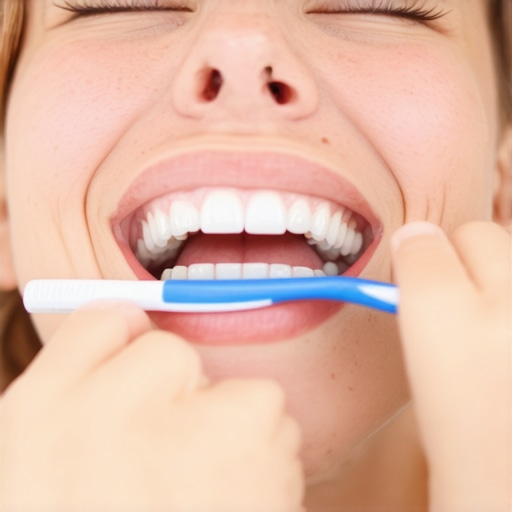
Ever had that startling jolt of pain when you sip your cold beverage or brush your teeth, and suddenly, it’s like you hit a raw nerve? I remember standing in front of the mirror, frantically rinsing my mouth after an icy sip, thinking, “Why does this hurt so much?” It was more than just an annoying quirk—it was a sign that my teeth were crying out for help. If you’ve experienced something similar, you’re not alone. Many people suffer from teeth so sensitive that even a gust of cold air or a sip of ice water feels unbearable. But here’s the truth: this discomfort isn’t something to just tolerate or hide; it’s a signal that your dental health needs attention.
Dealing with Teeth Sensitivity: It’s More Common Than You Think
According to the American Dental Association, about 1 in 8 Americans experience tooth sensitivity, especially with cold foods and drinks. And while some might dismiss it as minor, persistent sensitivity can impact your daily life, turning simple pleasures into painful challenges. For me, it meant avoiding my favorite iced coffee, which was heartbreaking. And I suspect many of you are exchanging your cold treats for warmer options, missing out on life’s little joys.
What I learned over time is that this kind of sensitivity is often rooted in exposed dentin—the layer beneath the enamel—that becomes vulnerable. Tiny tubules in the dentin allow stimuli like cold to reach the nerve endings, sparking that sharp pain. The good news? With the right approach, you can manage and even eliminate this discomfort.
Today, I’ll share proven strategies based on my own journey and professional advice to help you brush effectively without triggering sensitivity. We’ll explore why traditional brushing routines might be making things worse and how to adjust your habits. If you’ve ever felt frustrated after spending minutes carefully brushing only to be met with pain, this guide is here for you. And if you wonder whether your problem is just temporary or something more serious, stay tuned—because understanding the root cause is key to relief.
Is Protective Toothpaste Really Worth the Hype?
Early on, I made the mistake of using any toothpaste I could find, thinking all was the same. Spoiler: it isn’t. Some toothpastes, especially those formulated for sensitive teeth, contain ingredients like potassium nitrate or stannous fluoride that help block nerve signals and fortify enamel. However, not all sensitive toothpastes are created equal, and choosing the right one can make a noticeable difference. For instance, I found that switching to a toothpaste specifically designed for sensitivity provided immediate relief. When considering options, it’s wise to read reviews and consult with your dentist. More information about targeted products can be found in this comprehensive guide to teeth whitening and sensitivity.
In the coming sections, we’ll dive into practical tips and not-so-obvious adjustments to your brushing routine that can dramatically reduce your discomfort. So, if cold water has been turning your mornings into a painful ordeal, keep reading. Relief might be just a few mindful steps away.
Adjust Your Brushing Technique Immediately
Start by choosing a soft-bristled toothbrush to minimize enamel erosion. For example, I once switched to an ultra-soft brush after noticing increased sensitivity and realized that my aggressive brushing was wearing down my enamel. Use gentle, circular motions rather than scrubbing back and forth. This reduces abrasion and prevents exposing dentin. To further protect your teeth, avoid brushing immediately after consuming acidic foods or drinks, since enamel is temporarily softened. Waiting 30 minutes allows saliva to remineralize the surface. Incorporate a sensitive toothpaste containing potassium nitrate, which helps block nerve signals. Applying a small amount directly on sensitive spots at night can accelerate results.
Incorporate Desensitizing Treatments at Home
Utilize fluoride varnishes or gels recommended by your dentist. I once applied a prescription-strength fluoride gel myself, following the instructions closely, and instantly felt a reduction in discomfort. These treatments reinforce enamel and block tiny tubules in dentin. You can find over-the-counter options that are easy to apply. Consistency is key: applying nightly for two weeks makes a noticeable difference. Combine these with a diet low in acidic foods like citrus or soda, which can wear down enamel further. Drinking through a straw helps prevent contact with sensitive areas when consuming cold beverages.
Evaluate Restorative Options for Severe Cases
If sensitivity persists despite daily precautions, consider professional procedures. Dental bonding can seal exposed dentin, much like applying a protective barrier—similar to how a painter seals a wall to prevent drafts. For more extensive damage, veneers or crowns might be necessary. Veneers are ultra-thin shells bonded to the front of teeth, providing both aesthetic improvement and sensitivity relief. If you’re exploring options, visit this guide comparing veneers and crowns to understand which treatment aligns with your needs.
Committing to a Gentle Routine
Always remember that the way you care for your teeth directly affects sensitivity. When I adapted to gentle brushing and used desensitizing agents, my discomfort diminished significantly within a week. Be mindful of habits like brushing too hard or overusing whitening products, which can exacerbate sensitivity. Regular dental checkups are essential; your dentist can identify early signs of enamel breakdown or gum recession, offering personalized solutions. For tailored advice, consult your family dentist; they can also recommend preventive measures, such as sealants or fluoride treatments, to shield your teeth from future sensitivity. Effective management involves consistent, gentle care and professional guidance to keep your smile healthy and pain-free.Many assume that choosing family dentistry or cosmetic procedures like veneers, Invisalign, or teeth whitening is straightforward, but the reality is far more nuanced. One widespread myth is that all veneers are the same, leading patients to overlook the critical differences between porcelain and composite options. In truth, porcelain veneers offer superior durability and stain resistance, but they come with higher costs and different preparation requirements. Conversely, composite veneers are cheaper and minimally invasive but tend to stain more easily and may not last as long. Understanding these subtleties can significantly impact your results and satisfaction.
Another misconception revolves around Invisalign as a quick fix for crooked teeth. While Invisalign has revolutionized orthodontics with its discreet design, many underestimate the importance of patient compliance. Failing to wear the aligners as prescribed can lead to prolonged treatment time or suboptimal outcomes. Advanced cases might even require traditional braces or additional interventions. Explore the latest innovation in Invisalign here.
When it comes to teeth whitening, a common mistake is assuming all products have the same strength. Over-the-counter whitening strips and gels vary significantly in potency. Using low-concentration products without understanding their limitations might result in disappointing results or sensitivity. Professional whitening treatments, often more effective and safer, involve custom-fitted trays and higher-grade bleaching agents. For a deeper dive into what comprehensive options exist, check out this guide on teeth whitening solutions.
Beyond these myths, many overlook the importance of individualized treatment planning. For example, veneers or whitening might not be suitable if you have underlying issues like enamel erosion or gum disease. Jumping straight into cosmetic procedures without proper assessment can lead to complications or unsatisfactory results. Routine family dentistry lays the groundwork for successful cosmetic outcomes; learn how to build a healthy smile for every generation here.
Finally, a hidden nuance often missed is the significance of maintenance and follow-up. Cosmetic enhancements are not one-and-done solutions. Regular checkups, professional cleanings, and correct home care are essential to preserve your investment. Neglecting this can cause discoloration, wear, or even damage that might necessitate costly corrections. Be proactive—discuss with your dentist about the best maintenance plan to keep your smile radiant for years to come.
Have you ever fallen into this trap? Let me know in the comments. Understanding these behind-the-scenes details empowers you to make informed decisions and achieve the best possible results with your dental care.Maintaining a beautiful smile requires more than just routine brushing; it involves investing in the right tools and habits that ensure long-term success. When I first started my journey toward radiant teeth, I realized that using a high-quality electric toothbrush made a significant difference. I’ve personally chosen the Philips Sonicare DiamondClean for its superior plaque removal and gentle gum stimulation. Its sonic technology creates thousands of vibrations per minute, effectively cleaning hard-to-reach areas and reducing the risk of sensitivity issues associated with manual brushing. Plus, its multiple modes allow me to customize my experience, whether I need gentle cleaning or a deep refresh. On the digital front, I recommend saving time and staying organized with dental tracking apps like MySmileJourney, which reminds you of appointments, tracks your brushing habits, and keeps an eye on your progress—something I’ve found invaluable in maintaining consistency.
For those considering orthodontic improvements like Invisalign, the technology has advanced remarkably. Invisalign’s modern aligners are now more discreet and comfortable than ever, thanks to innovations documented in recent studies. Investing in a quality whitening kit like Opalescence Boost also plays a crucial role in long-term aesthetics, especially after orthodontic or veneer treatments. When choosing over-the-counter whiteners, I look for products with a higher peroxide concentration and gel viscosity that remains on the teeth without slipping.
In addition to tools, I emphasize the importance of professional maintenance. Regular dental visits—at least twice a year—are essential for early detection of issues and professional cleanings that home care can’t achieve alone. Your dentist can also apply sealants or custom fluoride treatments, which fortify enamel against future sensitivity, an approach supported by the American Dental Association.
Looking ahead, I see the convergence of smart dental devices and AI-driven diagnostics transforming at-home care even further. Imagine toothbrushes that scan for early signs of decay or gum disease, alerting you to seek professional advice before symptoms worsen. This evolution is already underway, with some brands embedding sensors that sync with smartphone apps—making routine maintenance more interactive and effective.
### Want to keep your smile in top shape? Try integrating a smart toothbrush like the Quip Smart Electric Toothbrush into your routine. Its real-time feedback helps ensure you’re cleaning effectively, and its compact design makes it easy to use daily.
Remember, consistent use of quality tools combined with regular professional care—like visiting a family dentist—builds a resilient foundation for your dental health. To learn more about creating a personalized maintenance plan, explore resources such as this helpful guide on family dental care. Make every tool and step count toward a brighter, healthier smile that lasts a lifetime.
What No One Tells You About Perfect Smiles
Throughout my journey with family dentistry and cosmetic procedures, I realized that the most valuable lessons weren’t in the brochures or the glossy advertisements, but in the subtle nuances practitioners often overlook. For instance, I learned that the true beauty of a smile isn’t just white teeth but the resilience of the underlying dental health—something that can’t be achieved with veneers alone. I also discovered that many cosmetic options like Invisalign or veneers require a personalized approach; what works for one person might not suit another, emphasizing the importance of tailored treatments rather than generic solutions.
A major eye-opener was understanding that regular family dental care lays the groundwork for lasting cosmetic results. Preventive care, routine check-ups, and early interventions often save us from the more invasive procedures down the line, ultimately preserving both our wallet and smile. This interconnectedness of health and aesthetics became clear when I partnered with dentists who emphasized education and preventive strategies, transforming my approach to dental wellness from reactive to proactive.
Another profound realization was the power of patient mindset. Embracing a gentle, consistent routine—be it soft brushing, proper flossing, or mindful diet—created a foundation for cosmetic procedures to shine. Often, I heard people dismiss these habits as minor, but for me, cultivating patience and discipline became the secret sauce. This experience taught me that beautiful smiles are less about quick fixes and more about daily habits reinforced with professional guidance.
Top Resources That Changed My Perspective
Over the years, I leaned on trusted sources that provided in-depth, honest insights into family and cosmetic dental care. First, I recommend exploring this guide on family dental care for all ages—it helped me understand how early habits shape future results. For understanding the latest in discreet orthodontics, the recent advancements in Invisalign opened my eyes to options previously thought inaccessible.
When considering aesthetic transformations like veneers or whitening, I turned to comprehensive guides on whitening solutions. They demystified the process, helping me choose treatments aligned with my lifestyle. Lastly, I found that engaging with reputable clinics and specialists, as seen in this detailed comparison of veneers and crowns, enabled me to make confident decisions tailored to my aesthetic goals.
Why Your Care Routine Matters More Than You Think
If there’s one thing I wish I had understood sooner, it’s that consistency in gentle dental care combined with professional guidance is the real key to maintaining a radiant, healthy smile. Small adjustments—like switching to a soft-bristled toothbrush, applying desensitizing gel, or learning to floss correctly—may seem trivial, but they compound over time, preventing sensitivity and damage.
Moreover, embracing patience in cosmetic procedures—not rushing into treatments or expecting overnight miracles—sets the stage for long-lasting results. After all, a smile makeover isn’t just about aesthetics but about fostering self-confidence rooted in genuine health. I encourage everyone to view their dental routine as a daily investment, not an obligation. When paired with expert advice and a proactive mindset, this approach paves the way for smiles that truly stand the test of time.
Most importantly, don’t hesitate to consult professionals who understand the nuances of both family dentistry and cosmetic enhancements. Building that relationship ensures you’re not just another number but a partner in your dental health journey. Remember, your smile is a reflection of your overall well-being—nurture it with kindness, patience, and informed choices.
**Your turn to embrace smarter dental care!** What small habit will you start today to improve your dental health or enhance your smile? Share below and let’s inspire each other to prioritize our brightest, healthiest smiles.