
Why your jaw clicks every time you chew tough steak
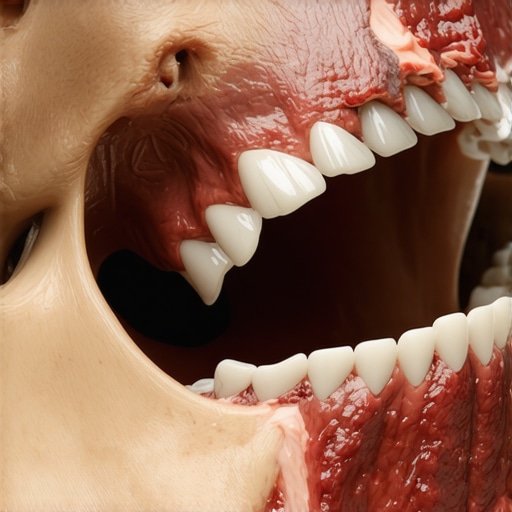
Have you ever been sinking your teeth into a perfectly cooked, tough steak, only to be met with that annoying, rhythmic clicking sound in your jaw? It’s one of those little problems that feels harmless at first—until it isn’t. I remember the first time I noticed it; I was enjoying a hearty dinner, but every chew was accompanied by a strange clicking sensation. That moment was a lightbulb for me: there’s more going on here than just a odd noise.
Understanding the Snapping and Clicking in Your Jaw
Many people don’t realize that a clicking jaw isn’t just a minor annoyance—it can be a sign of underlying issues with your temporomandibular joint (TMJ). This joint connects your jawbone to your skull and allows you to chew, speak, and yawn. When it’s misaligned or inflamed, it can produce that familiar, sometimes painful clicking or popping sound. If you’ve been battling this, you’re not alone. Studies show that up to 12% of the population experience some form of TMJ disorder, with many noticing these sounds during tough bites or even just talking.
The causes vary widely, from stress-induced jaw clenching to uneven wear on your teeth. For me, I initially overlooked it, thinking it was just a fleeting oddity. But the more I ignored it, the more persistent it became. Early on, I made the mistake of dismissing the clicking as “normal,” only to realize later that it was a sign I needed professional advice. Want to avoid that same mistake? Today, I’ll guide you through understanding what’s behind your clicking and, most importantly, how to fix it.
Have you faced this issue during your favorite meals? Let me know below!
Identify the Culprit Toughly
Start by observing when the clicking occurs—during wide yawns, chewing gum, or talking? Take note of these patterns. I once caught myself noticing that clicking intensified when I was stressed or clenched my jaw while working late. This insight was crucial in tailoring my approach.Assess Your Symptoms
Check for additional signs like jaw pain, limited movement, or ear discomfort. This step helps determine if the issue is minor or requires professional attention. I remember when I first experienced discomfort beyond clicking—addressing it early prevented escalation.
Practice Jaw Relaxation Techniques
Check for additional signs like jaw pain, limited movement, or ear discomfort. This step helps determine if the issue is minor or requires professional attention. I remember when I first experienced discomfort beyond clicking—addressing it early prevented escalation.
Reduce tension through specific exercises. For example, gently open your mouth wide and then relax your jaw for ten seconds, repeating this three times. During a stressful week, I committed to doing these exercises twice daily, which noticeably decreased the clicking frequency.
Manage Stress and Clenching
Stress exacerbates TMJ issues. Implement mindfulness practices like meditation or deep breathing. I found that consciously avoiding clenching my teeth during work hours significantly lessened the clicking. Using a soft night guard can further prevent nighttime grinding.Adjust Your Eating Habits
Stick to soft foods when your jaw feels tender—avoid chewy candies or tough meats. I replaced that difficult steak night with softer alternatives, which gave my joint time to heal. Eating mindfully ensures you don’t overtax your TMJ during recovery.
Correct Malocclusion or Alignment
Misaligned teeth or bite issues can cause uneven pressure on the joint. Visiting a dentist to evaluate your bite is vital. I scheduled a consultation after noticing persistent clicking, which led me to explore options like veneers or Invisalign. These treatments can realign your bite and reduce joint stress.
Explore Professional Interventions
Persistent clicking may necessitate dental intervention. Options include dental splints, physical therapy, or, in some cases, surgical procedures. I consulted an expert and learned about Invisalign for bite correction. Remember, early professional consultation can prevent long-term complications.
Implement Dental Corrections
Getting custom veneers or crowns can help correct bite issues related to tooth wear or unevenness. For detailed insights, see Veneers vs. Crowns guides. These options not only improve aesthetics but also function.
Maintain Follow-Up Routine
Continuously monitor your jaw health with regular dental check-ups. Incorporate jaw exercises into your daily routine and stay attentive to symptoms. My commitment to routine visits and exercises has kept my jaw clicking at bay and maintained overall oral health. If you want expert tips on family dentistry, check family dentistry.
While many believe teeth whitening, veneers, and Invisalign are straightforward solutions for improving your smile, there’s a lot more beneath the surface that even savvy patients often overlook. For instance, a common misconception is that every whitening product or procedure guarantees the same results—what many don’t realize is that **not all whitening treatments are suitable for every type of stain or tooth condition**. According to a 2025 study published in the Journal of Cosmetic Dentistry, personalized whitening plans tailored to your enamel type and stain composition yield significantly better and longer-lasting results than generic over-the-counter options.
Are You Falling for The One-Size-Fits-All Lie?
This myth can be a costly trap. Many patients try whitening strips or gel kits without consulting a professional, inadvertently damaging their enamel or causing sensitivity. Instead, exploring professional options or *even* advanced cosmetic procedures like custom veneer shading can ensure a natural look that matches your personality—more info about these options can be found in our Veneers guide.
When discussing veneers, a common oversight is opting for porcelain without understanding the nuances between types of restorations. For example, many equate veneers with crowns, failing to recognize that **veneers are more conservative and preserve more natural tooth structure**. A frequent mistake is choosing veneers for structural issues like large fillings or extensive decay—here, crowns might be more appropriate, which is elaborated in Veneers vs. Crowns.
Meanwhile, Invisalign—often heralded as the ultimate discreet orthodontic solution—can be misunderstood. Some patients expect it to fix severe malocclusions quickly or believe it can replace all traditional orthodontic approaches without considering complex cases requiring traditional braces or surgical interventions. Remember, **consulting an experienced orthodontist who understands the nuances of tooth movement and jaw alignment** will save you time, money, and discomfort in the long run. Detailed insights are available in Invisalign Secrets.
Finally, in family dentistry, a prevalent misconception is that regular cleaning suffices for dental health in children and adults alike. However, **preventive care extends beyond cleanings—it’s about tailored advice, early detection of misalignments, and educating the family on proper oral hygiene practices**. For example, early interventions for habits like thumb-sucking can prevent future orthodontic problems, a topic covered extensively in Family Dentistry Tips.
Remember, understanding these nuances can help you make informed decisions and avoid costly mistakes. Have you ever fallen into this trap? Let me know in the comments. Your experience might just help someone else avoid a common pitfall in oral health care.
Keeping It Working: Essential Tools for Long-Term Dental Success
Maintaining your smile after treatments like veneers, teeth whitening, or Invisalign isn’t just about good habits—it’s about having the right professional-grade tools and techniques at your disposal. I personally rely on specific instruments and methods that ensure my dental work remains pristine and functional over the years. Using high-quality tools not only makes routine care easier but significantly extends the longevity of your cosmetic and restorative procedures.
One indispensable item in my routine is a **power toothbrush with adjustable pressure settings**, like the Sonicares Sonic Electric Toothbrush. Unlike manual brushes, these devices provide superior plaque removal and are gentle on veneers and enamel, especially when set to softer modes. Regular, gentle cleaning prevents staining, gum recession, and the build-up of plaque around delicate work.
Another tool I highly recommend is a **water flosser**, such as the Waterpik. These devices are a game-changer for cleaning around braces, veneers, and crowns, reaching areas traditional floss can miss. The pulsating jet not only cleans thoroughly but also stimulates the gums—an essential aspect of long-term oral health.
How do I maintain my dental investments over time?
Consistent check-ups with your dentist are critical—they serve as your frontline defense against unnoticed issues that can compromise your corrections. Additionally, products like **antibacterial mouth rinses**—think of ones containing chlorhexidine—help reduce bacterial buildup, especially in hard-to-reach areas around restorations. Just make sure to use them sparingly to avoid staining or altering oral flora.
Timing is also crucial. I schedule professional cleanings every six months and request dental polishing to remove external stains, which keeps my veneers and whitening results vibrant. For added protection, I often apply a low-abrasive, enamel-safe whitening toothpaste after professional advice, which subtly freshens my smile without risking damage.
Future trends in dental maintenance tools
Looking ahead, advances like AI-powered toothbrushes that track brushing patterns and Smart toothpaste dispensors that monitor fluoride levels will become mainstream. These innovations will personalize your care routines, making maintenance even more effective and tailored to your unique needs.
If you’re serious about preserving your smile’s brilliance and health, consider investing in professional tools like a high-quality power toothbrush or water flosser. Trying out an AI-driven toothbrush (such as Oral-B Genius or Philips Sonicare ExpertClean) could revolutionize your maintenance game. Dive into the latest in dental tech by exploring options like the Ultimate Teeth Whitening Guide 2025 for insights on integrating new tools into your routine.
What I Would Do Differently with My Smile Journey
One of the most valuable lessons I learned was the importance of personalized treatment plans. Rushing into whitening or veneers without understanding my unique enamel and bite led to avoidable sensitivities. Now, I realize that consulting with professionals for tailored advice can save time and money, ensuring better outcomes. This insight emphasizes that your smile is as unique as your fingerprint, and treatments should reflect that.
Secondly, I underestimated the significance of maintenance routines. Consistent use of recommended tools like high-quality power toothbrushes and water flossers made a substantial difference in preserving my results. I discovered that investing in the right tools, such as those highlighted in our Teeth Whitening Guide 2025, can extend the lifespan of cosmetic enhancements and prevent future issues.
Lastly, I didn’t give enough weight to the emotional aspect—patience and confidence are key. Sometimes, waiting a little longer for the perfect treatment, whether it’s Invisalign or veneers, results in a more natural and satisfying smile. Trusting the process and embracing the journey can transform not just your teeth but your self-esteem.