
The Best Way to Remove Sticky Plaque from Your Retainer
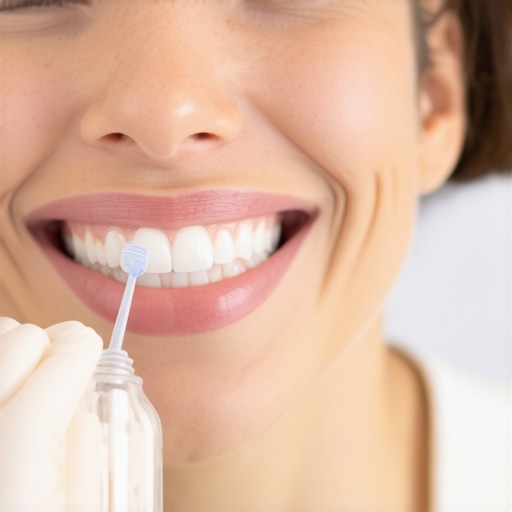
I remember the morning I discovered my retainer was coated in a thick, crusty film that looked more like a science experiment than dental gear. It was a wake-up call—how could something so vital become a breeding ground for plaque so quickly? Like many, I never truly appreciated the importance of proper retainer maintenance until I faced that moment of realization.
If you’ve ever pulled out your retainer only to be greeted by a stubborn, sticky film that refuses to come off, you’re not alone. It can be downright frustrating, especially when you’re eager to keep that perfect smile without extra hassle. But here’s the truth: removing that plaque isn’t about harsh scrubbing or costly cleaners; it’s about understanding the right techniques and habits.
Today, we’re going to explore the most effective methods to combat and remove stubborn plaque from your retainer, ensuring it stays clean, hygienic, and ready to wear. You’ll learn simple, proven strategies that won’t take up hours of your day but will make all the difference in your oral health.
Why Regular Plaque Removal Matters More Than You Think
Although it might seem minor, plaque buildup on your retainer can lead to serious dental issues. Bacteria thrive in the sticky film, increasing the risk of cavities, gum disease, and bad breath. Plus, a dirty retainer can stain and become uncomfortable to wear, ruining your confidence and potentially undoing the effort you’ve put into your smile.
Interestingly, studies show that wearing a contaminated retainer can introduce bacteria directly to your teeth and gums, exacerbating issues you’ll want to avoid. Keeping your retainer clean isn’t just about aesthetics—it’s a pivotal part of your oral health routine.
Have you ever noticed how quickly plaque seems to accumulate, even with regular cleaning? You’re not imagining it; the issue often lies in the methods used and the products chosen. Trust me, I made the mistake early on of rinsing my retainer with water alone, thinking that was enough. It wasn’t. Proper cleaning involves more than a quick rinse.
In the upcoming sections, you’ll discover the best techniques—like specific cleaning solutions and habits—that will help you combat that persistent plaque with ease. But before diving into the practical steps, let’s address a common skepticism that might be holding you back.
Is Scrubbing Your Retainer Too Harsh? The Truth About Gentle Cleaning
Many worry that scrubbing too hard could damage their retainer, especially if it’s made of delicate materials like Invisalign trays or other clear aligners. I used to think the same until I learned that using abrasive brushes or harsh cleaners can scratch the surface, making plaque harder to remove and increasing the risk of staining.
The key is gentle but thorough cleaning. Using the right toothbrush and cleaning agents is crucial—something I only figured out after a few ruined retainers. For more insights on maintaining your orthodontic appliances, check out [Invisalign secrets to achieving a perfect smile discreetly](https://smilegumcare.com/invisalign-secrets-achieving-a-perfect-smile-discreetly).
Now that we’ve cleared that up, it’s time to get into the practical, effective methods for keeping your retainer spotless and fresh. Trust me, with these tips, you’ll never dread cleaning your retainer again.
Use the Right Tools for Gentle Cleaning
Start by selecting a soft-bristled toothbrush and non-abrasive toothpaste or cleaning solution. I once tried using a stiff brush, thinking it would scrub away more plaque, but it scratched my retainer’s surface, making plaque stick worse. Now, I stick to soft brushes with gentle strokes. For a deeper clean, consider weekly soaking in a DIY solution of equal parts water and white vinegar, which dissolves mineral deposits and kills bacteria. Always ensure the solution isn’t too concentrated to avoid damaging delicate materials like Invisalign trays. Discover more about maintaining your orthodontic appliances at Invisalign secrets to achieving a perfect smile discreetly.
Implement Effective Daily Cleaning Habits
Consistent habits prevent plaque buildup before it gets stubborn. Rinse your retainer thoroughly with lukewarm water every time you remove it. When I neglected this step, plaque quickly accumulated, turning my retainer white and crusty. After each use, gently brush all surfaces, paying special attention to corners and crevices where debris like to hide. For additional freshness, chew sugar-free gum or rinse with an antiseptic mouthwash approved for orthodontic appliances. This routine helps maintain a hygienic surface, making plaque removal easier during weekly deep cleanings.
Target Stubborn Plaque with Strategic Techniques
For persistent stains and plaques, use a soft cloth dipped in hydrogen peroxide diluted with water—about a 1:1 ratio—and gently wipe the surface. I once had a retreat in plaque buildup after a vacation, where I used this method to restore my retainer’s clarity. Always avoid harsh abrasives or toothbrushes with aggressive bristles, which can cause microscopic scratches. These scratches trap plaque and stain, making cleaning more difficult. Consider using dental cleaning beads or effervescent tablets designed for retainers, which can lift away residues effectively. Discover more about advanced cleaning options at the best way to clean a retainer that has turned white and crusty.
Schedule Regular Professional Checks
Even with diligent home care, professional cleanings are essential. Your dentist or orthodontist can perform ultrasonic cleanings to dislodge calcified deposits, much like how dental hygienists clean your teeth thoroughly. I scheduled a bi-annual appointment after noticing surface staining that wouldn’t budge with home methods, and my retainer looked brand new afterward. Regular check-ups also help catch damages or warping early. For maintenance tips and to schedule your next visit, see contact us.
While many patients believe they understand the basics of cosmetic and family dental treatments, there are nuanced pitfalls that even seasoned practitioners will warn against. For instance, a widespread myth is that Invisalign aligners can be worn indefinitely without adjustments—what many overlook is the importance of timely refinements, as neglecting this can result in suboptimal alignment or prolonged treatment times. Moreover, some assume that teeth whitening is risk-free, but overuse of whitening agents can weaken enamel, increase sensitivity, and cause uneven staining, especially if one skips consultations with a dental professional. When it comes to veneers, a common misconception is their permanence; patients often don’t realize that porcelain veneers, while durable, can chip or crack if not cared for properly, necessitating early repairs or replacements. Family dentistry, too, is sometimes underestimated—many believe routine checkups are only necessary when problems arise, yet early detection of issues like cavities or gum disease requires regular visits, preventing costly interventions later. An advanced question that often puzzles even experienced patients is: How do practice-specific factors like material quality and technique impact the longevity of cosmetic treatments? The truth is, studies have shown that the choice of high-quality materials and adherence to precise application protocols significantly extend the lifespan of veneers and whitening results (see the American Dental Association’s latest guidelines). This reinforces that, whether considering Invisalign, whitening, veneers, or routine family care, understanding the underlying nuances can save you time, money, and discomfort. Don’t fall into the trap of assuming one-size-fits-all solutions—consult professional advice tailored to your unique dental profile. Have you ever fallen into this trap? Let me know in the comments or visit us for an expert evaluation.Maintaining an effective dental routine requires the right tools, especially when working with sophisticated treatments like Invisalign, veneers, or teeth whitening. Over the years, I’ve tested various equipment and software to ensure my smile stays bright and health remains optimal. One of my top recommendations is investing in a **smart ultrasonic cleaner** designed specifically for dental appliances. This device uses high-frequency vibrations to remove plaque and mineral deposits deeply without scratching delicate surfaces, making it ideal for Invisalign trays and veneers. I personally prefer models with adjustable frequency settings and a built-in ultrasonic transducer that can handle different appliance materials. For instance, the **Polident Ultrasonic Denture Cleaner** has been a game-changer, offering a gentle yet thorough clean, and it’s proven to extend the lifespan of my dental investments. In addition, I’ve embraced **dental-specific cleaning tablets** like **Efferdent** or **Polident**, which dissolve in water and create an effervescent solution that lifts away residues, ensuring every nook of my trays is sanitized effectively. Pairing these with a **soft-bristled toothbrush** and a gentle, non-abrasive toothpaste guarantees gentle removal of plaque without damaging any surface coatings.
Beyond physical tools, digital solutions can enhance your maintenance habits. I rely on **appointment reminder apps** tied to my dental provider’s system—these help me schedule regular checkups and deep cleanings at optimal intervals, preventing plaque buildup from becoming stubborn or hard-to-reverse.
Looking ahead, the trend is moving toward **smart dental devices** that sync with smartphones and log cleaning routines, offering real-time feedback and maintenance alerts. This integration makes it easier to stay committed and proactive about your oral health.
So, how do I maintain my Invisalign trays and veneers over time? The key is consistency paired with high-quality cleaning tools that are gentle yet effective. Regularly using an ultrasonic cleaner, combined with strategic cleaning tablets and professional checkups, truly makes a difference in long-term results. I highly recommend trying out the **Polident Ultrasonic Denture Cleaner**—it’s become my go-to for pristine appliances, and I believe it could do the same for you. To explore more about innovative dental maintenance tools, visit Invisalign secrets to achieving a perfect smile discreetly.
Lessons from My Own Transformation Journey
One of the biggest lightbulb moments for me was realizing that even the most advanced dental treatments require diligent maintenance. I once believed that professional veneers or Invisalign would stay perfect with minimal effort—turns out, consistency is key. I’ve learned that skipping routine cleanings or using harsh tools can do more harm than good, especially with fragile materials. The greatest insight? Small daily habits, like gentle brushing with the right tools, can prolong the life of my smile enhancements far beyond expectations.
Another lesson I cherish is understanding the true nature of material quality. Not all veneers or Invisalign aligners are created equal. Choosing high-quality options and adhering to professional advice dramatically extends their longevity. I now know that investing in proper care isn’t just about appearance but also about protecting my health and hard-earned results.
Finally, I discovered that proactive professional check-ups prevent surprises. Regular visits help catch minor issues before they escalate, saving time, money, and discomfort. My journey taught me that your smile’s health depends as much on personal care as on expert guidance—don’t overlook the importance of combining both for optimal results.
Tools That Make a Difference in Smile Maintenance
My go-to arsenal includes a **dental-specific ultrasonic cleaner**, which uses gentle vibrations to remove plaque from Invisalign trays and veneers without scratching delicate surfaces. I trust brands like **Polident Ultrasonic Denture Cleaner** because its proven design offers deep cleaning with minimal effort. Additionally, I rely on **effervescent cleaning tablets** like **Polident** or **Efferdent**, which dissolve in water to lift stubborn residues—making my routine effortless and effective. Pairing these tools with a **soft-bristled toothbrush** and a non-abrasive toothpaste ensures gentle yet thorough cleaning, safeguarding my investment in my smile.
For added convenience, I use **dental appointment reminder apps**, syncing with my dentist’s system to schedule regular maintenance. Embracing emerging tech, I look forward to smart dental devices that log cleaning routines and alert me when it’s time for a checkup, making proactive care even easier. Over the years, I’ve found that combining high-quality tools with consistent habits has made all the difference—whether protecting veneers from staining or keeping Invisalign trays crystal clear.
Your Turn to Shine Bright
Maintaining a radiant smile is a journey that blends knowledge, the right tools, and proactive habits. My experience has shown me that with the proper techniques and professional support, your smile can remain stunning for years to come. Remember, the investment you make in daily care is an investment in your confidence and well-being. Don’t wait for problems to arise—take charge of your oral health today and enjoy the rewards of a vibrant, healthy smile.
Have you ever struggled with a cleaning technique that just didn’t work? Or, perhaps you’ve discovered a tool or habit that transformed your routine? I’d love to hear your stories—share in the comments below or visit us to find personalized advice for your smile journey!