
How to Keep Your Toddler From Swallowing All the Toothpaste
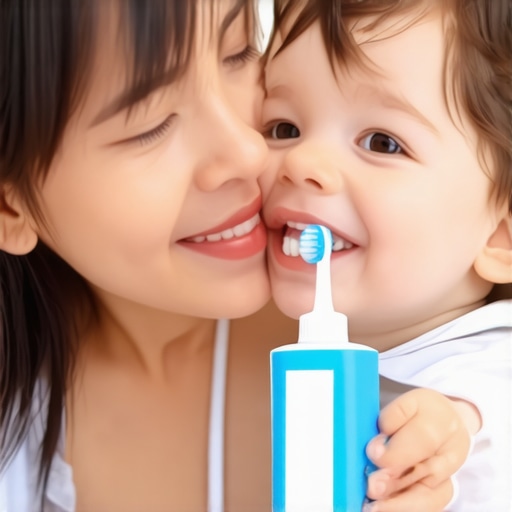
I remember the exact moment I realized my toddler was swallowing more toothpaste than I ever expected. One evening, I caught myself panicking as I watched a tiny hand squeeze the tube with unchecked enthusiasm—more paste on the fingers than on the toothbrush. It struck me then: this wasn’t just about dental hygiene; it was about safety and peace of mind. This lightbulb moment made me realize many parents face this exact challenge. Today, I promise to share practical, proven ways to keep your little one safe during toothbrushing time and turn it into a positive experience.
Why Your Toddler’s Toothpaste Swallows Keep You Up At Night
It’s a common scene in households everywhere—your child’s face lit up with a mischievous grin as they giggle with a dab of toothpaste on their tongue. But behind that cute moment lurks a real concern: swallowing too much toothpaste can be harmful, especially considering fluoride content. Early on, I made the mistake of thinking a little extra toothpaste wouldn’t be a big deal, but I learned the hard way that even small amounts can cause upset stomachs or, in worse cases, more serious health issues. According to the American Dental Association, fluoride ingestion in excessive amounts can lead to dental fluorosis, affecting the appearance of their developing teeth. This was a wake-up call for me—and it can be for you too. If you’ve wondered whether this mischievous habit is just a phase or something more dangerous, you’re not alone.
Is It Really Worth All the Fuss?
Many parents dismiss this concern as just part of the toddler stage, or think “they’ll grow out of it.” But trust me, the worry is valid. The good news? There are straightforward strategies you can implement today to prevent that little tube from becoming a dangerous waterfall. My own experiences—and those shared by countless other parents—have shown that simple adjustments can make a world of difference. Just like ensuring your child’s diet includes the right nutrients, managing their oral hygiene routines with safety in mind is essential. Early mistakes, like not supervising the amount of toothpaste or using harsh flavorings, only make the problem worse. I used to let my child brush alone without observing closely, thinking they knew what they were doing. Big mistake. Now, I know better. For more insights on creating a healthy dental routine for your kids, check out [family dentistry tips](https://smilegumcare.com/family-dentistry-tips-creating-a-healthy-smile-for-your-kids-at-0915).
Choose the Right Toothpaste and Amount
Start by selecting a fluoride-free toothpaste specifically designed for toddlers to minimize the risk of overexposure. Use a smear or rice-sized amount—no more—to prevent excessive ingestion. I remember during my early days, I handed my child a regular pea-sized dollop and watched as she happily squeezed out even more, leading to a messy but instructive moment. After switching to the recommended tiny amount, I noticed my child was less inclined to swallow excessive paste, making the routine safer and less stressful.
Supervise Every Brush
Never leave your child unattended during brushing. Kneel beside them, making it a shared activity to ensure they don’t swallow large quantities. I learned this the hard way when I was momentarily distracted, and my little one managed to swallow a big glob of paste. By actively supervising, I could guide her to spit out excess toothpaste and gently correct her technique. This hands-on approach fosters good habits and reduces health risks.
Teach Proper Spitting and Rinsing
From an early age, encourage your toddler to spit out toothpaste after brushing. Use a fun demonstration with a mirror or a small cup to make it engaging. When my daughter was two, I showed her how to mimic spitting like a dragon—a silly game that made the lesson stick. Reinforcing this behavior ensures they won’t swallow large amounts and helps them learn control over their oral hygiene routine.
Use Child-Friendly Toothbrushes and Flavors
Select toothbrushes with soft bristles and grips suited for small hands. Opt for mild, natural-flavored toothpaste to make brushing appealing without overwhelming their senses. I remember trying several flavors before settling on a gentle vanilla, which my daughter gladly accepted. This subtle change made the process enjoyable and less likely to provoke gagging or swallowing in large quantities.
Create a Consistent Routine
Establish a regular schedule for brushing to build familiarity and reduce resistance. A predictable routine—such as brushing after breakfast and before bedtime—gives your child a sense of security. During my own routine, consistency helped my child anticipate and cooperate better. Over time, this routine minimized accidental swallowing incidents and turned toothbrushing into a positive experience.
Leverage Visual Aids and Rewards
Use visual charts or brushing timers to make the process interactive. Reward your child’s cooperation with praise or small stickers. I found that gentle encouragement and acknowledging their efforts motivated my daughter to brush properly without rushing or swallowing excess paste. These strategies transformed a potentially stressful task into a fun bonding activity.
While popular treatments like veneers, teeth whitening, family dentistry, and Invisalign are often discussed simplistically, there’s a wealth of nuanced truths that even experienced patients might not realize. Many assume that veneers are a one-size-fits-all fix or that teeth whitening techniques are interchangeable. However, understanding the underlying subtleties can significantly impact your decision-making process and long-term satisfaction.
Myth Busting: Veneers Are Always the Best Fix
One common misconception is that veneers serve as the ultimate solution for any aesthetic concern. In reality, veneers are invasive and irreversible, often requiring removal of natural tooth structure. Patients frequently underestimate the importance of choosing between veneers and crowns, which serve different purposes. For example, comparing veneers versus crowns reveals that crowns offer added durability, especially for compromised teeth. Failing to recognize these distinctions can lead to costly and unnecessary procedures.
Teeth Whitening: More Than Just Brightening
Many believe that any whitening method yields permanent results or that over-the-counter options are equally effective as professional treatments. But the reality is nuanced—permanent whitening is a myth, and improper use of home products can damage enamel. Professional whitening, when combined with good habits, offers more predictable results, as outlined in latest whitening secrets. Moreover, certain intrinsic stains—like fluorosis—may not respond well to bleaching, requiring alternative cosmetic solutions.
Family Dentistry: Beyond Routine Check-Ups
Many assume that family dentistry is just about regular cleanings and cavity checks. However, a truly comprehensive approach includes preventive education, behavior management, and age-specific strategies. For instance, using fluoride treatments appropriately and teaching proper brushing techniques can prevent future complications. A common mistake is neglecting the unique needs of children versus adults, which can be addressed by consulting family dental experts.
Invisalign: Not Just About Straightening Teeth
Invisalign has gained popularity for its discreet approach to orthodontics, leading many to believe it’s a simple cosmetic fix. Yet, the treatment plan’s complexity is often underestimated. Advanced cases require meticulous planning, including 3D imaging and precise aligner changes. A misconception is that Invisalign works equally well for all bite issues, which isn’t true—complex malocclusions may need traditional braces or surgical interventions. For a deeper understanding of advanced Invisalign strategies, explore Invisalign secrets for perfect results.
Understanding these nuanced differences can save you from costly mistakes and unsatisfactory outcomes. Instead of rushing into treatments based on superficial advice, consult with a trusted dental professional who can tailor solutions to your unique needs. Remember, a well-informed patient is a satisfied patient. Have you ever fallen into this trap? Let me know in the comments.
Maintaining your dental improvements over time requires the right tools and consistent habits. I personally rely on a high-quality sonic toothbrush like the Philips Sonicare DiamondClean, which offers superior plaque removal compared to manual brushing and has proven essential in preserving the results of treatments like veneers or whitening. Using a sonic device ensures a gentle yet effective clean, especially on delicate surfaces such as porcelain veneers, and it helps prevent stain buildup, making my smile stay bright longer. Another crucial tool is water flossing with models like the Waterpik Aquarius, which excels at cleaning around orthodontic appliances like Invisalign aligners or fixed retainers and reaching behind brackets or crowns where traditional floss might miss. Regularly incorporating these devices into my routine has genuinely extended the longevity of my dental work and reduced visits for touch-ups.
In addition to physical tools, software like dental monitoring apps can assist in tracking your oral health progress between visits. These apps often feature photo upload capabilities, reminding you to spot early signs of issues such as gum recession or staining. As the trend moves toward digital health, these tools will likely become standard, empowering patients to take control of their oral wellness more proactively.
How do I maintain my dental enhancements over time? Regular check-ups are vital, but consistently using the right tools amplifies those efforts. For example, following the advice in the article on polishing and maintaining your smile with professional tips can be extremely beneficial—consider trying an ultrasonic cleaner or aligning your routine with the latest in prevention strategies. Investing in the best equipment and staying informed helps ensure your stunning smile remains for decades. For insights on choosing the best whitening kits that preserve enamel health, I recommend visiting [brighten your life top teeth whitening strategies today](https://smilegumcare.com/brighten-your-life-top-teeth-whitening-strategies-today). Remember, proactive maintenance is the key to long-term success—don’t wait until problems arise to act.Throughout my journey to perfect my smile, I encountered lessons that reshaped my understanding of veneers, teeth whitening, family dentistry, and Invisalign. One of the most eye-opening realizations was how crucial it is to ask your dentist about the longevity and maintenance of each treatment—sometimes, what looks stunning initially requires ongoing care that many overlook. Another lesson was realizing that treatments like veneers are not one-size-fits-all solutions; understanding their differences from crowns helped prevent costly mistakes. Additionally, I learned that managing expectations around teeth whitening, especially concerning enamel health, makes the results more satisfying and enduring. Lastly, partnering with specialists who understand the nuanced needs of family dentistry can make all the difference in fostering healthy, lasting smiles for everyone.