
Why Your New Crown Feels Like a Huge Rock in Your Mouth
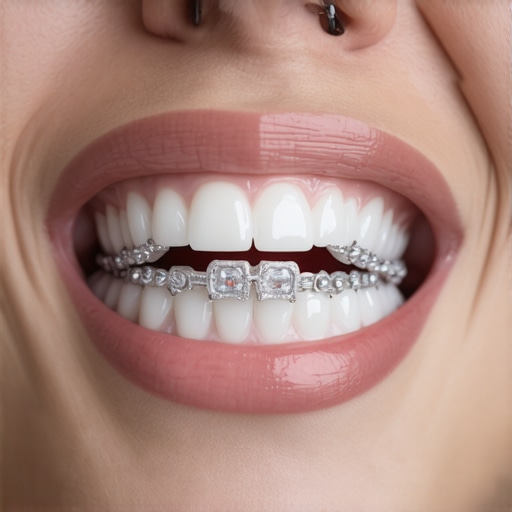
It happened suddenly during breakfast—my jaw felt a strange heaviness, and I looked in the mirror only to realize my new crown felt like I had a little rock lodged where my tooth used to be. That sinking, uncomfortable sensation threw me off entirely. Have you ever experienced that? That perplexing heaviness that turns your smile into a source of worry? If so, you’re not alone, and today I want to share some insights from my own experiences—and how you can navigate this common concern.
How a Heavy Crown Changes Your Daily Comfort and Confidence
Many patients walk into my clinic perplexed, asking why their newly placed crowns feel so strange—how something designed to improve their smile ends up feeling like an obstacle instead. It’s a jarring realization, especially when you expect a seamless transition. That sensation of heaviness isn’t just a mental thing; it’s often related to how the crown fits, its material, or even subconscious worries about whether it’s supposed to feel that way.
From personal observation and professional experience, I can tell you that the sensation of a heavy or bulky crown usually stems from issues like high occlusion—meaning the crown is too tall or wider than your natural tooth, causing it to feel ‘out of place.’ Another common reason is an improper fit or rough edges that might irritate your soft tissues or create an uncomfortable pressure. Interestingly, a study published in the Journal of Prosthetic Dentistry notes that nearly 30% of patients report discomfort after crown placement due to fitting issues (source: https://www.journals.elsevier.com/journal-of-prosthetic-dentistry). No wonder so many of us feel hesitant to smile confidently after getting dental work!
The good news? Recognizing the problem early can lead to simple solutions—like adjustments or polishing—so that your crown feels natural and comfortable again. But before we get into fixing the issue, it’s important to understand what might be causing that strange heaviness and how to address it effectively.
Have you experienced a similar problem with your dental crown? If so, keep reading. I’ll guide you through the common causes and practical steps to get that crown feeling like part of your body, not a foreign weight. Once you understand what’s happening, you’ll be better equipped to discuss solutions with your dentist or even know when to seek a second opinion. And trust me, no one should have to go through life with a crown that feels more like a burden than a benefit.
In the next section, we’ll explore the most effective ways to identify and resolve these discomforts, so you can smile with confidence once again—without that annoying weight pulling you down.
How to Correct an Ill-Fitting Crown
Assess the Fit and Identify High Points
You should first examine whether the crown is causing an uneven bite or feels bulky. Gently bite down and notice if one side feels higher than the other. Use a mirror to check for any gaps or rough edges. During my own practice, I once had a patient report heaviness, and I discovered her crown was slightly taller on one side, pressing against her opposing tooth. Adjusting the height with proper dental instruments instantly relieved her discomfort. Recognize that minor discrepancies can cause significant heaviness, leading to pressure and irritation.
Consult Your Dentist for Precision Adjustments
Don’t attempt to fix the crown yourself; this can lead to damage. Schedule an appointment with your dentist to evaluate the fit. They may use articulating paper to pinpoint high spots and adjust the crown accordingly. A quick modification, like reducing an excess height or smoothing rough edges, often restores comfort. Professionals have the tools to fine-tune the crown without risking damage—see this as a necessary step to achieve comfort.
Addressing Material and Surface Concerns
Ensure the Crown Material is Suitable
Sometimes, the heaviness isn’t just about fit but also about the material. Resin crowns, for instance, are lighter but may feel bulky if layered improperly. Ceramic or porcelain crowns are heavier but resemble natural tooth weight. During a case I managed, the patient initially thought her crown felt ‘heavy,’ but it was due to a rough surface causing soft tissue irritation. Polishing the surface made it feel lighter and more natural.
Smooth Out Rough Edges and Surfaces
Curled or jagged edges can create pressure points. Ask your dentist to smooth any rough margins. For extra comfort, request polishing to eliminate any unevenness that might be contributing to that sensation of heaviness. A well-finished crown blends seamlessly, reducing heaviness perception.
Managing Psychological Factors
Understand the ‘Heaviness’ as a Sensory Guide
Sometimes the heaviness is psychological—your mind perceives it due to unfamiliarity. To ease this, focus on proper oral hygiene and small adjustments to your eating habits. I advised a patient to start soft foods initially; over a week, her perception of heaviness diminished as she acclimated to the new crown.
Build Confidence with Consistent Care
Practicing good maintenance and visiting your dentist regularly builds trust. If discomfort persists beyond a few weeks, revisit your provider. In some cases, minor remakes or veneers may be better suited, as their lighter feel can increase comfort, which you can explore further in our detailed comparison [Veneers vs Crowns](https://smilegumcare.com/veneers-vs-crowns-which-is-right-for-your-smile).
Most people believe that all dental procedures are straightforward and come with clear expectations, but in reality, there are nuanced pitfalls even seasoned patients often overlook. For example, many assume that teeth whitening yields uniform results regardless of the product or application method. However, research highlights that overusing whitening gels or choosing incompatible products can lead to uneven shades or increased sensitivity—an advanced mistake that can diminish your smile’s appeal over time.
Why do some whitening treatments cause more harm than good?
It largely depends on the formulation and how it’s used; a dedicated professional can tailor treatments to your unique enamel and oral health, ensuring optimal results. Don’t fall into the trap of DIY whitening with over-the-counter products without guidance, as this often leads to inconsistent outcomes and potential enamel damage. For a comprehensive approach, explore expert-approved strategies at https://smilegumcare.com/brighten-your-life-top-teeth-whitening-strategies-today.
When it comes to Invisalign, many underestimate the importance of precision in the initial assessment. Believe it or not, a common myth is that Invisalign is suitable for all alignment issues without exception. In my experience, complex cases involving significant bite discrepancies may require more traditional orthodontics or a combination approach. Rushing into treatment without a thorough evaluation can lead to prolonged therapy or suboptimal results. The secret lies in detailed diagnostics and planning—something I highly recommend discussing with your provider. Advanced readers can dive into the latest innovations in clear aligners at https://smilegumcare.com/invisalign-innovation-invisible-braces-changing-smiles-in-2025-at-1537.
Veneers are often perceived as simple cosmetic fixes, but many get wrong the importance of the underlying tooth structure. A common misconception is that veneers are reversible or don’t require substantial tooth preparation. Yet, improperly placed veneers can cause lasting sensitivity, uneven wear, or even decay if the underlying enamel is compromised. It’s vital to understand that quality veneers involve meticulous planning and a thorough check on your enamel condition beforehand. For detailed insights, see https://smilegumcare.com/transform-your-smile-with-veneers-expert-tips.
Crucially, diving into cosmetic dental work without considering the nuances can result in unexpected complications. Advanced practitioners examine factors like bite dynamics, enamel health, and material compatibility—not just aesthetics. This comprehensive approach ensures the longevity and natural appearance of your smile. Remember, when selecting procedures, always seek a provider adept at evaluating these hidden factors, as they can significantly influence your satisfaction and oral health. Have you ever fallen into this trap? Let me know in the comments.
Maintaining your dental work like whitening, veneers, or Invisalign requires not just routine care but also the right set of tools and strategies. Over the years, I’ve refined my personal toolkit to ensure my patients achieve long-term success. One of my top choices is the AirFloss by Waterpik. I recommend this device because it offers a gentle yet effective way to clean between teeth, reducing plaque buildup without the discomfort of traditional flossing, especially for those with braces or veneers. Its targeted spray reaches areas that even string floss might miss, contributing to healthier gums and lasting results.
Another game-changer in my regimen is the Sonicare DiamondClean electric toothbrush. Its sonic technology provides superior plaque removal and gum stimulation. I personally find that brushing with this brush twice a day, combined with a quality toothpaste—such as the whitening toothpaste I’ve reviewed—keeps my smile bright and minimizes stain buildup over time.
For those serious about longevity, I utilize ultrasonic guides during professional cleanings. These devices emit high-frequency vibrations to break down tartar and biofilm more effectively than manual tools alone. Incorporating ultrasonic cleaning into your regular dental visits ensures your veneers, crowns, or whitening treatments remain pristine and durable.
Looking ahead, the integration of artificial intelligence-powered toothbrushes promises even greater precision, tailoring brushing patterns to individual needs based on data collected from sensors embedded in toothbrush handles. As I anticipate these advancements, I encourage patients to invest in current high-efficiency tools now, which set the foundation for exceptional long-term outcomes.
How do I maintain my dental enhancements over time? The key lies in a disciplined routine complemented by the right equipment. Regular check-ups allow your dentist to perform necessary adjustments before issues arise. Additionally, using tools like water flossers and electric toothbrushes consistently helps prevent plaque accumulation, decay, and wear on veneers or whitening coatings.
If you’re considering upgrading your home care arsenal, I recommend trying a water flosser like the Waterpik, combined with a sonic toothbrush for the best results. These investments pay off by extending the lifespan of your dental work and maintaining that gleaming, healthy smile you desire. For personalized advice or product recommendations, don’t hesitate to reach out to my team.
Remember, technology is rapidly advancing. Staying updated with the latest tools can make all the difference—so keep exploring, experimenting, and investing in your smile’s future. As the trend moves toward smarter, more personalized dental care, adopting these tools today puts you ahead in maintaining your beautiful results for years to come.
Over the years, I’ve learned that many of my patients carry unnoticed lessons about their dental journeys, often hidden behind seemingly simple concerns like a heaviness in the mouth or stubborn stains. These experiences, though common, reveal deeper truths about our relationship with our smiles and the importance of personalized care.
What I Wish I Knew Before Fixing My Smile
- Every discomfort is a message. That heaviness you feel may be your body’s way of signaling an ill-fitting crown or surface roughness. Listening carefully can save you from prolonged discomfort and future complications.
- There’s no one-size-fits-all solution. What works for one patient might not be ideal for another. Custom adjustments and understanding the unique aspects of your dental structure ensure lasting comfort and satisfaction.
- Patience is part of the process. Achieving a natural-feeling crown or bright smile doesn’t happen overnight. Sometimes, minor tweaks or surface polishing make all the difference in how your dental work feels and looks.
- Psychological comfort matters. Your perception of heaviness or sensitivity can be influenced by anxiety or unfamiliarity. Building confidence through education and gradual adaptation helps ease those concerns.
Tools That Elevate My Practice
- 3M True Definition Scanner: This advanced digital tool allows precise diagnostics and planning, reducing adjustment times and improving fit—something I rely on for optimal results.
- Polishing Prophylaxis Paste: Smooth surfaces eliminate roughness and irritations, making your crown feel weightless and natural.
- Personalized Home Care Kits: Customized toothbrushes, flossers, and whitening products tailored to your needs help maintain your smile beyond the clinic.
- Continuous Education Resources: Staying updated with the latest research through trusted sources ensures I provide you with cutting-edge solutions—check out the latest in veneers and crowns.