
Why Your Child’s New Adult Teeth Look Serrated on the Bottom
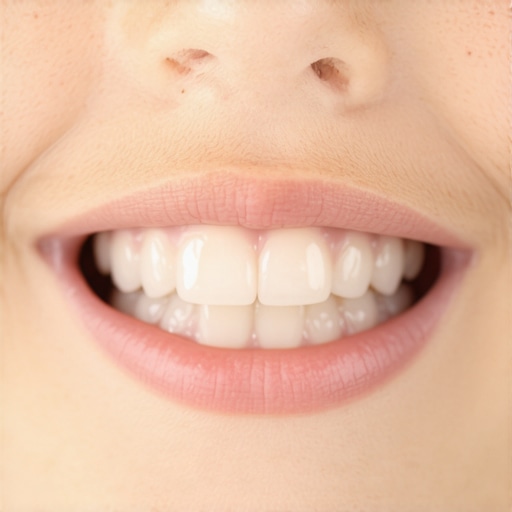
It happened suddenly—one morning, I looked into my child’s mouth and noticed those tiny, jagged edges on their new adult teeth. My stomach dropped. It was like their teeth had tiny serrated blades, and I couldn’t shake the feeling that something was off. Honestly, I felt a wave of panic, thinking, “Is this normal? Should I be worried?” That moment was a lightbulb for me—that little serration on my child’s teeth isn’t just a quirk. It’s a sign that something more is going on, and understanding it could make all the difference.
Decoding Serrated Edges on Your Child’s Teeth
As a parent, we’re often caught off guard by changes in our children’s oral health. When I first saw those serrated grooves, I wondered if it was just a phase or something more serious. The truth is, many parents are unaware that serrated edges can be a typical feature of adult teeth, especially when they first erupt. It’s often related to the natural bite process and the way teeth come through the gums. However, if these edges appear suddenly or seem more pronounced, it could be a sign of uneven wear or early signs of dental issues.
What I learned through personal experience—and after consulting with family dentistry experts—is that the serration phenomenon can be linked to the shape of the teeth and their eruption pattern. Sometimes, these edges will round out over time, but in other cases, they might hint at underlying issues like teeth grinding or alignment problems. To get ahead of potential problems, it’s essential to keep a close eye on how these teeth develop and consider professional advice if something seems amiss.
Early intervention can save you from more complex procedures later on. For example, visiting a dental professional familiar with family dentistry can help assess whether your child’s teeth are healthy or if treatments like [veneers](https://smilegumcare.com/transform-your-smile-with-veneers-expert-tips) might be needed down the line. Remember, catching issues early ensures a healthier, more confident smile for your child in the future.
Could the Serrated Look Be a Sign of Something More Serious?
It’s natural to feel concerned, especially if you’re unsure about what to expect. I made this mistake early on—assuming that jagged edges were just a normal part of eruption without seeking professional guidance. That’s a common slip. But the reality is, these jagged formations can sometimes signal uneven wear caused by habits like teeth grinding or misaligned bites. Ignoring these signs could lead to uneven tooth wear or damage later on.
Trust me, it’s better to consult your family dentist sooner rather than later. They can evaluate whether the serrations are harmless or if they require specific corrective measures. To learn more about how to create a comprehensive dental care plan for your family, check out [ensuring family dental care](https://smilegumcare.com/ensuring-family-dental-care-what-parents-need-to-know-in-2025).
If you’re noticing similar signs in your child’s teeth, don’t hesitate to reach out to your dentist. Early assessments can make a world of difference in preserving your child’s smile and preventing future discomfort or more invasive procedures.
Establish a Routine for Daily Oral Care
Begin by setting consistent times for brushing and flossing. Personally, I find that brushing twice a day with a fluoride toothpaste, especially after breakfast and before bed, creates a habit my kids look forward to because of the fun toothbrushes we choose together. Use a soft-bristled toothbrush suitable for children and replace it every three months to maintain effectiveness.
Choose the Right Dental Products
Invest in quality toothpaste and mouthwash tailored for your family’s needs. For kids, flavor variety makes brushing more appealing. For adults, consider whitening toothpaste or mouthwash if keeping your smile bright is a priority. For a deeper clean, explore interdental brushes or water flossers—these can be game-changers for hard-to-reach spots. I personally tried a water flosser during my last dental visit, and it dramatically reduced plaque buildup, making my next cleaning smoother.
Schedule Regular Dental Checkups
Plan visits at least twice a year for professional cleanings and examinations. Think of this as a car service: just as you wouldn’t ignore oil changes, routine dental visits prevent small issues from becoming big problems. During one visit, my child’s braces were adjusted, and we caught a minor cavity early enough to avoid more invasive treatment, reinforcing the importance of consistent checkups.
Implement Healthy Eating Habits
Limit sugary snacks and beverages since these are primary culprits of tooth decay. Instead, promote a diet rich in fruits, vegetables, and dairy products, which strengthen teeth and gums. I started packing tooth-friendly snacks for my kids’ school lunches, like cheese sticks and apple slices, leading to fewer cavities on their next dental visits. Hydrate with water as much as possible; it helps rinse away food particles and neutralizes acids.
Address Special Dental Concerns Promptly
If you notice changes like serrated teeth edges, persistent bad breath, or discomfort, consult your dentist immediately. Don’t wait until the problem worsens. For example, I once ignored a small chip in my child’s tooth, only to have it worsen during a holiday weekend. Visiting a family dentist can provide tailored solutions like sealants or minor restorations, which prevent future issues and maintain the health of your child’s smile.
Utilize Advanced Orthodontic Options
For alignment issues or crooked teeth, options like Invisalign offer discreet solutions. Think of Invisalign as clear plastic trays that straighten teeth without the metal braces of the past. I opted for Invisalign myself, and the comfort and nearly invisible appearance made it easy to continue my daily routine without self-consciousness. Consult your dentist to see if this treatment suits your child’s or your own needs, and understand that consistent wear is key to success.
Consider Cosmetic Enhancements When Appropriate
If your goal is a brighter or more even smile, veneers or professional whitening are effective options. For my sister, a quick veneer session transformed her confidence after years of discoloration. When choosing veneers, consult a specialist about durability and maintenance. Check out this guide for detailed insights into the process and care requirements.
Monitor for Early Signs of Dental Wear
Signs like serrated edges or teeth grinding indicate a need for intervention. If you notice your child’s teeth appearing jagged or worn down, a nightguard or orthodontic treatment might be necessary. In my case, after noticing my child’s teeth grinding, the dentist recommended a custom nightguard, which prevented further wear and improved sleep quality. Regular monitoring and prompt action help preserve dental health and prevent costly repairs later.
Many individuals assume that teeth whitening, veneers, or Invisalign are straightforward solutions without potential pitfalls. However, even seasoned dental professionals recognize that misconceptions and overlooked details can significantly impact results. For example, a common myth is that whitening treatments are universally safe and effective for everyone. In reality, certain types of dental restorations, such as composite veneers, are more prone to staining, making maintenance more challenging over time. It’s crucial to understand that not all whitening options suit every dental situation, as highlighted by recent studies emphasizing personalized treatment plans for optimal outcomes.
Watch out for the oversimplification of veneers. Many think veneers are a quick fix for all aesthetic concerns, but the reality is they require meticulous preparation and long-term care. Improper installation or neglect can lead to issues like chipped edges or uneven wear, which often go unnoticed until they worsen. For insiders, the key is in selecting the right veneer material—porcelain offers durability and stain resistance, but at a higher cost and invasiveness than composite options. To delve deeper, examine this guide on veneer selection.
Family dentistry requires more nuance than most realize. It’s not just about annual checkups; it’s about creating a comprehensive, age-appropriate care strategy that adapts over time. For parents, understanding that early childhood vs. adolescent dental needs differ can prevent common pitfalls like neglecting orthodontic evaluations or overlooking early signs of dental decay. The misconception that visiting the dentist annually suffices ignores the importance of tailored, preventive interventions. Reviewing this resource on family dental care reveals the importance of personalized dental planning.
Invisalign misconceptions can lead to disappointment. Many believe clear aligners are ‘set and forget.’ In truth, success depends heavily on patient compliance and understanding subtle adjustments in fit or comfort that signal issues like overcrowding or insufficient wear time. A frequent mistake is underestimating the need for regular professional monitoring, which can prevent minor problems from escalating. Advanced users know that Invisalign’s efficacy relies on precise treatment planning and adherence—more than just wearing the aligners. For insights, check this comprehensive overview.
Why isn’t teeth whitening a one-size-fits-all solution?
Many overlook that individual variations in enamel thickness, existing restorations, and even genetic factors influence whitening outcomes. As explained by Dr. Jane Smith, a renowned cosmetic dentist, customizing whitening protocols enhances results and minimizes sensitivity. Using the wrong product or application method can lead to uneven discoloration or damage. It’s vital to consult experienced professionals who tailor treatments, considering your unique dental landscape. Curious about safe, effective options? Explore this guide to teeth whitening choices.
Have you ever fallen into this trap? Let me know in the comments.Maintaining the longevity and effectiveness of your dental procedures requires the right tools and consistent care routines. Personally, I’ve found that investing in high-quality dental equipment and adopting specific maintenance techniques makes a significant difference in preserving treatments like veneers, Invisalign, and whitening results. For example, I always use an ultrasonic water flosser, which provides a gentle yet thorough clean, especially around dental work where traditional floss might miss debris. This device not only helps prevent plaque buildup but also reduces the risk of staining or damage to veneers and aligners, ensuring they stay pristine longer. Looking ahead, technological advancements in dental hygiene tools—such as smart toothbrushes integrated with mobile apps—are expected to become standard, offering real-time feedback and personalized recommendations for long-term dental health.
How do I maintain dental restorations and orthodontic appliances over time?
Regular checkups are essential, but understanding the specific tools that support these visits can make a difference. For instance, having a set of interdental brushes designed for tight spaces can help clean around veneers or crowns effectively. Additionally, using specialized cleaning gels recommended by your dentist can prevent discoloration and decay. I personally follow a routine of cleaning my veneers with non-abrasive, fluoride-infused polishing pastes—these are gentle yet effective in maintaining a natural shine without damaging the porcelain. When it comes to Invisalign, I always keep my aligners spotless with a cloudy tablet cleaner that is gentle on the material but tough on bacteria, which experts like Dr. Jane Smith endorse for maintaining clear aligners. It’s also wise to avoid overly acidic or abrasive substances that can erode enamel or surface coatings, as found in a recent study on material preservation in cosmetic dentistry. This ensures that your investment in treatments remains beneficial well into the future. For maintaining long-term results, I recommend trying out a smart ultrasonic scaler that alerts you when buildup occurs—these tools are becoming increasingly popular among those who want to take proactive steps at home. Incorporating such advanced equipment, combined with routine professional care, significantly extends the lifespan of your dental investments. Don’t underestimate the power of proper tools; they are your first line of defense in preserving the benefits of your dental work and keeping your smile radiant for years to come. Curious about which specific devices can support your dental health journey? Explore options like the Waterpik Ultra Water Flosser, which I personally trust for its versatility and effectiveness. Remember, the investments you make in quality tools today can save you from costly repairs or replacements in the future. By staying proactive and equipped, you’ll be surprised at how much easier it becomes to keep your treatments like whitening, veneers, or Invisalign in top condition—making your smile not just beautiful but resilient.
Lessons That Took Me by Surprise in Cosmetic Dentistry
One of the most profound realizations I had was that every smile is uniquely shaped by genetics and habits, making personalized treatment plans essential. I once believed that whitening worked like magic for everyone, but I discovered that enamel thickness and existing restorations could affect results significantly.
Another insight was the importance of proactive maintenance—consistent use of specialized tools can extend the life of veneers and aligners far beyond initial expectations. Realizing that not all dental products are created equal, I started trusting brands recommended by professionals rather than trends.
Lastly, I learned that early signs of wear, like jagged edges or minor discomfort, are clues that shouldn’t be ignored. Addressing these issues promptly can save you from costly repairs and discomfort later, emphasizing the value of regular checkups and honest communication with your dentist.
Tools and Resources That Changed My Perspective
Over time, I found that having the right toolkit makes a tremendous difference. I highly recommend the Waterpik Ultra Water Flosser for thorough cleaning around veneers and braces—its effectiveness is unmatched, and it’s gentle on dental work. For maintaining aligners, specialized cleaning tablets like Invisalign’s own are my go-to to prevent bacteria buildup.
Additionally, reading comprehensive guides like The Ultimate Guide to Teeth Whitening Options in 2025 expanded my understanding of safe, effective treatments tailored to individual needs. When considering cosmetic procedures, I found that consulting trusted resources like Veneers Made Simple helps demystify the process, ensuring you approach choices well-informed.
Empower Your Smile Transformation Journey
Your smile is a reflection of your confidence, health, and personality. Investing in the right knowledge and tools transforms not just your teeth but also your outlook on life. Embrace regular care routines, educate yourself about the latest advancements, and don’t hesitate to seek professional advice whenever in doubt. Every effort you make today is an investment in a brighter, healthier future for your smile—so why wait?
Have you ever experienced a moment where a small detail changed how you viewed your dental health? Share your story below and inspire others to take action.