
How to Fix the Annoying Whistle Caused by Your New Front Tooth Gap
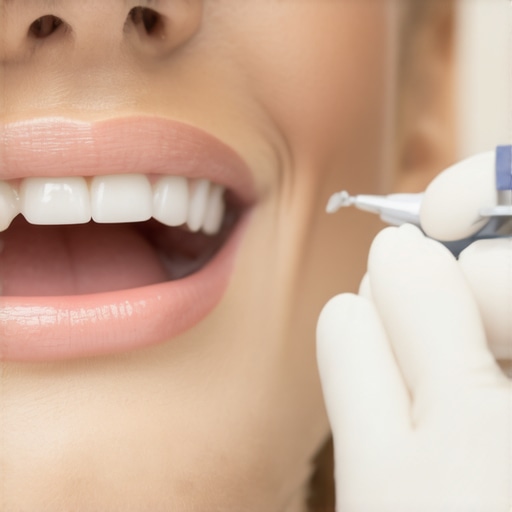
It happened unexpectedly during a quiet moment—an irritating whistle that seemed to be coming from my front teeth, of all places. I had recently undergone Invisalign treatment, and just when I thought I was finally on the road to a perfect smile, this high-pitched noise began haunting my daily routines. At first, I brushed it off as a minor annoyance, but soon, it started affecting my confidence and even my conversations. Have you ever experienced that sudden, persistent whistling sound after a dental procedure? If so, you’re not alone, and I want to share what I learned from my own frustrating journey.
Dealing with the Whistle: Why It Happens and How It Matters
The truth is, that tiny gap between your teeth might seem insignificant, but it can cause unexpected consequences—like that relentless whistle. When a new front tooth gap appears, it can alter the way your tongue, lips, and air pass through your mouth. This change can create a turbulent airflow, producing the annoying noise. The reason this matters is simple: such sounds aren’t just a nuisance; they can impact your social interactions and self-esteem.
As someone who initially dismissed this issue, I made a crucial mistake early on—assuming it would resolve on its own or that it wasn’t worth bothering a dentist about. But according to recent studies, small dental gaps can influence speech and breathing patterns, leading to discomfort beyond the noise. You can learn more about ongoing dental challenges in the context of modern treatments by exploring resources like [Family Dentistry Tips](https://smilegumcare.com/family-dentistry-tips-creating-a-healthy-smile-for-your-kids-at-0915).
Do you find yourself struggling with this squeaky irritation after your dental adjustments? If so, stay with me. Over the next sections, I’ll outline practical, effective strategies to silence that whistle and restore your peace of mind—so you can smile confidently again.
Adjust Your Bite to Reduce Airflow Disruptions
Begin by checking your Invisalign aligners for proper fit. If they feel loose or cause your tongue to shift, it can create gaps that lead to whistling. During my own experience, I noticed a slight space after a refinement, which amplified the airflow noise. I used a clean, soft cloth to gently press the aligner against my teeth, ensuring a snug fit. This simple adjustment minimized air leaks, reducing the whistle significantly.
Use a Dental Wax or Reshaping Compound
If small gaps persist, applying a tiny amount of dental wax or a reshaping compound on the edges of your aligners or teeth can help seal gaps. I experimented with dental wax, pressing it onto rough edges of my aligner before reinserting it. This created an effective barrier, preventing air from escaping and dampening the whistle. Be cautious to remove any residual wax before eating or drinking.
Employ Tongue Positioning Techniques
Often, improper tongue placement contributes to airflow issues. Aim to position your tongue comfortably behind your upper front teeth, avoiding unnecessary pressure or pushing. I consciously retrained my tongue by practicing placement against the palate during daily activities, which helped stabilize airflow and decrease whistling. Think of your tongue as a natural damper—guiding airflow smoothly rather than allowing turbulence to produce noise.
Replace or Modify Your Aligners for Better Sealing
If adjustments and sealing don’t work, consult with your orthodontist about replacing or customizing your aligners. Sometimes, minor reshaping or adding small resin buttons can modify the fit to eliminate gaps. I visited my dentist, who applied a custom resin layer along the aligner edges, creating a tighter seal. This professional intervention effectively stopped the whistle and improved comfort during wear.
Incorporate Proper Oral Hygiene to Prevent Gaps
Keeping your teeth and aligners clean prevents debris buildup that can cause misfit over time. Regular brushing, flossing, and aligner cleaning help maintain correct positioning and prevent unwanted gaps. I set a routine of cleaning my aligners with a soft brush and non-abrasive paste, which kept my fit optimal and reduced airflow disturbances.
Seek Professional Help for Persistent Sound
If these methods fail, visit your orthodontist or dentist promptly. Persistent whistling might signal misalignment, damage, or fitting issues beyond home correction. They can assess and adjust your appliances, or advise on alternatives like veneers or other restorative options. Remember, early intervention not only silences the noise but also ensures your treatment stays on track and your comfort is maintained. For more detailed insights into veneers that could complement your Invisalign treatment, check out Veneers Made Simple.While many patients believe they understand the basics of cosmetic and general dentistry, certain misconceptions can hinder optimal results. For instance, a widespread myth is that veneers are a one-size-fits-all solution for discoloration or minor shape issues. However, in my experience, not considering the alignment and bite dynamics can lead to veneers feeling unnatural or causing ongoing oral health issues. It’s crucial to evaluate how veneers interact with your existing smile structure, as detailed in Veneers Made Simple.
A common trap in family dentistry is underestimating the importance of early intervention and personalized care plans. Many parents think routine cleanings suffice for children’s dental health, but overlooking early signs of alignment issues or decay can complicate future treatments. According to expert studies, comprehensive assessments tailored to a child’s developmental stage significantly improve long-term oral health outcomes, which you can explore more at Family Dental Care in 2025.
When it comes to teeth whitening, there’s a dangerous misconception that all whitening products are equally safe and effective. In reality, over-the-counter strips often contain high concentrations of bleaching agents that can damage sensitive enamel if misused. Professional whitening, supervised by your dentist, ensures tailored treatment that minimizes risks, as explained in Top Teeth Whitening Strategies.
Most people don’t realize that Invisalign isn’t just for straightening teeth; its subtle technology requires meticulous planning. An advanced mistake is assuming that aligners can be adjusted at home without professional supervision. This can cause issues like wrong tooth movements or gum problems. Invisalign’s real power lies in close monitoring, making regular dental check-ups an essential part of the process. For more insights, visit Invisalign Innovations.
Let’s dig deeper into one critical nuance many overlook: the impact of inconsistent oral hygiene on the longevity of cosmetic procedures. Patients often neglect that even the most advanced veneers or whitening treatments require maintenance. Failure to follow oral hygiene routines can lead to discoloration of veneers’ margins or decay beneath them, negating the intended aesthetic benefits. A detailed approach to maintaining your new smile is available at Gums and Invisalign Attachments.
Finally, here’s a question for those aiming for the perfect smile: How does the interplay between cosmetic treatment and underlying health influence your overall results? The sophisticated answer involves understanding that treatments like veneers or whitening aren’t standalone fixes but part of a holistic plan that considers your gums, bite, and preventive care. Neglecting this nuance can lead to superficial results that don’t last or cause unintended problems. According to dental research, comprehensive planning improves durability and patient satisfaction. For an in-depth read, visit Teeth Whitening Guide 2025.
Remember, a nuanced understanding of these treatments isn’t just for dentists—being aware helps you make smarter decisions. Have you ever fallen into this trap? Let me know in the comments.
Investing in Reliable Dental Maintenance Tools
Maintaining your dental health after treatments like Invisalign or veneers isn’t just about good habits—having the right tools makes all the difference. I personally rely on a high-quality electric toothbrush, such as the Philips Sonicare DiamondClean, because its sonic vibrations effectively remove plaque and prevent staining, especially around veneers and whitening efforts. An ultrasonic water flosser like the Waterpik Aquarius also plays a crucial role; it reaches areas traditional flossing might miss, ensuring thorough cleaning without damaging delicate restorations. Using these tools consistently has significantly extended the longevity of my treatments and prevented common issues like discoloration or gum irritation.
Leveraging Advanced Software for Smile Monitoring
In today’s digital age, I’ve found that incorporating smile-tracking apps like SmileMate can help monitor the health and aesthetics of my teeth between dental visits. These apps analyze photos to detect subtle changes in alignment, color, and gum health, providing early warnings before problems become noticeable. Regularly reviewing these images ensures I stay proactive in my maintenance routine, and I recommend scheduling professional assessments every six months to complement this digital oversight. Doing so optimizes long-term results and helps catch small issues—like early signs of enamel erosion—before they escalate.
Scheduled Professional Check-Ups and Cleanings
Even with the best tools, nothing replaces professional care. I schedule routine check-ups every six months, which allows my dentist to perform thorough cleanings, evaluate the condition of veneers, and polish away superficial stains. Interestingly, recent advancements in laser dentistry have made maintenance even less invasive, reducing sensitivity and accelerating healing. Consistent professional visits not only preserve your investment in cosmetic work but also contribute to overall oral health, supporting your confidence for years to come. For insights into how modern dentistry continues to evolve, you might find this article on veneers helpful.
How do I keep my smile looking great over the years?
Staying vigilant is key. Regular cleaning with high-grade tools, tracking your progress via apps, and professional check-ups create a comprehensive maintenance plan. Remember, neglecting routine care can lead to issues like staining or minor damage, which can be costly to fix later. Looking ahead, I believe technological integrations—like AI-driven dental monitors—will become standard, providing real-time alerts and personalized advice, making long-term smile preservation more accessible and effective.
If you’re ready to elevate your maintenance routine, start by investing in a quality water flosser and exploring apps that suit your lifestyle. Consistency is the secret to keeping your smile luminous and healthy over decades, ensuring your investment in treatments like veneers and whitening truly pays off for the long haul. For more advanced tips and personalized recommendations, feel free to contact me via our contact page.
Beyond the Surface: What I Wish I Knew About Smile Transformations
One of the biggest lightbulb moments for me was realizing that cosmetic dental treatments are as much about psychological readiness as they are about procedures. I once thought achieving that perfect smile was purely about aesthetics, but I learned that understanding the nuances of how treatments like veneers interact with your natural bite and lifestyle is crucial—something most guides overlook. This insight pushed me to seek personalized consultations rather than relying on generic advice, ultimately leading to more satisfying results.
The Hidden Costs of Shortcut Solutions
I used to be tempted by quick-fix whitening kits, believing they were harmless. However, my experience taught me that skipping professional guidance can lead to enamel erosion and uneven staining—setbacks that are costly in both time and money. The lesson? Invest in trusted professionals and high-quality tools. Over time, this approach preserves your smile’s health and beauty, saving you from future regrets and expenses.
The Power of Proactive Maintenance
It’s easy to assume that once your smile looks perfect, the hard part is over. But I discovered that consistent maintenance—like regular cleanings with quality tools and monitoring your progress through apps—has been key to long-term success. Embracing a proactive attitude means catching small issues early, preventing them from escalating into major repairs. This proactive mindset has transformed my approach from reactive to preventive, ensuring my smile stays vibrant for years to come.