
How to Manage Pain from a New Invisalign Tray
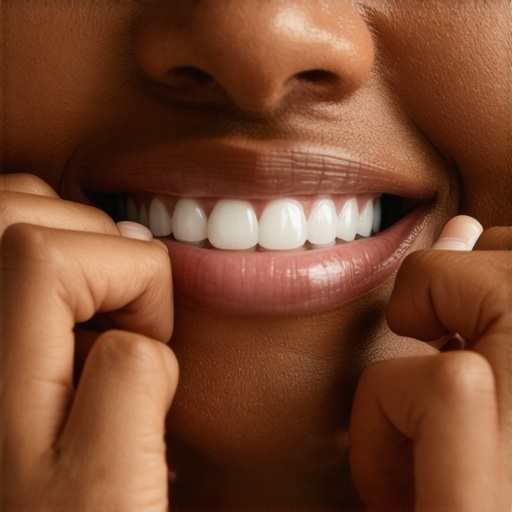
I remember the first time I slipped in a new Invisalign tray and felt that sharp, almost shocking pain. It was like my teeth were protesting the new familiarity, and honestly, I panicked. I thought, “Is this supposed to hurt so much?” It took me a while to realize that discomfort isn’t just normal; it’s a sign that your teeth are shifting into their new position. But the relentless pain? That’s another story.
If you’ve ever found yourself dreading the moment you switch to a fresh aligner because you know the discomfort will be worse, you’re not alone. Managing pain from a new Invisalign tray can feel overwhelming, especially when life demands you to look and feel your best. But here’s the truth: with a few proactive steps, you can ease the soreness and get back to smiling confidently.
In this post, I’m going to share what I’ve learned from personal experience and from many consultations—ways to handle that initial discomfort, so you don’t have to suffer in silence. Whether you’re a newbie or just going through the first few trays, these tips can make a big difference.
Why managing Invisalign tray discomfort is essential
Knowing how to deal with pain isn’t just about comfort—it’s about maintaining your motivation and commitment. If the pain becomes unbearable, it’s tempting to skip trays or give up altogether. But understanding that this discomfort is a normal part of your orthodontic journey can empower you to handle it better. Plus, there are practical strategies that can significantly reduce pain levels.
Proper pain management can also prevent issues like gum irritation or even unintended setbacks in your treatment plan. The better you handle the initial discomfort, the smoother your transition will be, and sooner you’ll start seeing those results worth smiling about.
Have you ever experienced that excruciating moment when your new aligner feels like it’s digging into your gums? If so, keep reading—I’ve been there, and I’ve got some tips to share!
Before we dive into the practical steps, I want to address a common concern.
Is managing Invisalign pain really worth it?
Honestly, I used to think pain was just part of the process. My first mistake was ignoring the discomfort altogether, assuming it would pass if I just powered through. That approach only made things worse. Over time, I learned that gentle adjustments and proactive care could make all the difference, and it’s supported by experts who suggest steps like using orthodontic wax or taking over-the-counter pain relievers responsibly. Regularly reading sources like [Smile Gum Care](https://smilegumcare.com/invisalign-secrets-achieving-a-perfect-smile-discreetly) can give you insights into making your Invisalign experience easier.
So, if managing the soreness makes you hesitant or skeptical, I get it. But trust me, it’s worth the effort—not just for comfort, but for the success of your smile transformation.
Now, let’s explore my favorite strategies to make that initial shift a whole lot more comfortable.
Soothe Your Gums with Orthodontic Wax
When I first experienced that sharp poke in my gum due to a new aligner, I immediately grabbed my orthodontic wax—a small piece I kept handy. I softened it between my fingers and gently pressed it over the rough edge of my aligner. This acts like a protective barrier, preventing the tray from rubbing directly against sensitive gums. The result was immediate relief, and I was able to continue my day without irritation. Remember, applying wax is a quick fix that can be repeated as needed to keep discomfort at bay.
Use Over-the-Counter Pain Relievers Wisely
During my second tray switch, I anticipated discomfort and took ibuprofen beforehand, following the instructions carefully. This proactive approach reduced the initial soreness significantly. It’s crucial to adhere to recommended dosages and consult with your dentist if you’re unsure about medication. Over-the-counter painkillers can be a powerful tool to manage post-insertion soreness, especially during the first few days of a new tray.
Apply Cold Compresses for Instant Relief
Later, I discovered that applying a cold pack to my jaw for 10-15 minutes helped numb the pain. Wrapping an ice pack in a thin towel prevents ice burn while providing soothing cold. It constricts blood vessels and reduces inflammation, making it an effective way to handle swelling or soreness. Just remember not to overdo it to avoid frostbite—short, frequent sessions are best.
Adjust Eating Habits During the Adjustment Period
Having learned from messy trial and error, I switched to soft foods during the first few days of a new tray. Foods like yogurt, smoothies, and mashed potatoes minimized chewing and prevented additional discomfort. Cutting food into smaller pieces also lessened the pressure on sore areas. Think of it like wearing ill-fitting shoes—you wouldn’t run a marathon in them immediately; give your teeth a gentle break while they adjust.
Stay on Top of Oral Hygiene
In one instance, I noticed that neglecting to brush thoroughly led to gum irritation. I made it a routine to rinse with warm water after meals and use a soft-bristled toothbrush to keep my gums healthy and reduce soreness. Clean teeth and gums heal faster and are less sensitive. Incorporating flossing with gentle, careful motions ensures plaque doesn’t aggravate the soreness, keeping your mouth comfortable throughout treatment.
Explore Additional Relief Methods
If discomfort persists, some swear by rinsing with warm salt water—dissolving a teaspoon of salt in a cup of warm water and swishing it gently can reduce inflammation and promote healing. Furthermore, if the pain is severe or unusual, consult your orthodontist promptly; sometimes, a tray may need slight modification or adjustment.
By integrating these practical techniques—like applying wax, taking pain relievers responsibly, using cold therapy, adjusting diet, maintaining excellent oral hygiene, and trying saltwater rinses—you gain control over the discomfort of Invisalign trays. Remember, each step builds toward a smoother, more comfortable orthodontic journey, bringing your confident smile closer with every day.
While many people believe they understand the basics of cosmetic and restorative dentistry, several nuanced misconceptions persist that can lead to suboptimal results or even unintended damage. In my experience working with advanced dental techniques, I’ve observed that popular beliefs often oversimplify the realities behind veneers, teeth whitening, family dentistry, and Invisalign treatments.
A prevalent myth is that veneers are a one-size-fits-all solution for cosmetic issues. In truth, veneers require careful consideration of your tooth’s structure, color, and alignment. Opting for them without an expert consultation can result in mismatched shades or irreversible alterations to your natural teeth — mistakes that are difficult to reverse. For a deeper understanding, exploring how veneers compare to crowns can illuminate their proper applications, which you can find in my detailed guide on veneers vs. crowns.
When it comes to teeth whitening, the common misconception is that all whitening methods are equally safe or effective. However, over-the-counter products often contain lower concentrations of peroxide and may not address underlying issues such as sensitivity or enamel erosion. Furthermore, aggressive whitening can weaken your enamel over time. A nuanced approach involves consulting with a specialist to select a tailored whitening strategy—more on this in my top teeth whitening strategies for 2025.
Family dentistry frequently gets simplified to just routine cleanings, but the hidden nuance lies in its role as a preventive approach tailored to each age group. Many assume children’s dental care is just about cavities, yet early intervention can prevent future orthodontic issues or gum problems. Creating a comprehensive, age-appropriate care plan ensures long-term oral health for all family members. For expert advice on establishing a healthy dental routine for your loved ones, check my family dentistry guide.
Regarding Invisalign, a common misconception is that it’s primarily for aesthetic alignment. While invisibly shifting teeth, it also plays a vital role in correcting bite issues, which if left untreated, can lead to TMJ disorders or uneven wear. The advanced nuance involves understanding Invisalign’s capabilities beyond straightening—such as address complex occlusal problems—detailed explanations can be found in my Invisalign secrets resource.
**What about the hidden pitfalls that can sabotage your smile improvement?** For example, neglecting proper post-treatment care or rushing treatments without proper diagnostics can undo months of progress. Always consult with experienced professionals who use comprehensive assessments; skipping this step often leads to costly corrections down the road.
Make sure you’re not falling into these traps—being well-informed is your best line of defense. Have you ever fallen into this trap? Let me know in the comments. Remember, the key to successful dental transformations isn’t just choosing the right procedure but understanding its nuances and potential pitfalls.Maintaining your smile’s health and appearance over time requires more than just good habits; it demands the right tools and an understanding of ongoing care strategies. Personally, I rely on specific equipment and software that help me monitor and optimize my dental treatments, ensuring durability and aesthetic longevity. For instance, I use a high-quality intraoral scanner, like the iTero Element 5D, which provides precise 3D imaging of teeth and gums. This device allows for early detection of potential issues, such as micro-fractures or developing gum recession, before they become problematic. Incorporating such technology into your regular dental check-ups can significantly extend the lifespan of your veneers, whitening results, or Invisalign progress.
In addition to hardware, smart oral health apps like Dental Monitoring enable remote engagement with your dentist. These apps facilitate routine check-ins and even send alerts if issues arise between appointments, helping you stay proactive. I’ve found that integrating these tools into my routine minimized emergency visits and maximized treatment outcomes.
Predicting where dental technology is headed, I believe we’ll see increasingly sophisticated AI-driven diagnostics and personalized treatment plans. These advancements will make long-term maintenance less burdensome and more tailored to individual needs, possibly reducing the need for invasive procedures down the line.
Ever wondered how to keep your smile flawless after completing treatment? One effective strategy is to incorporate professional-grade bleaching kits that can be used at home, recommended by your dentist for maintenance. Regular use, combined with daily hygiene and routine check-ups, keeps your teeth shining and prevents staining. For detailed guidance on selecting the right whitening approach, check out [Teeth Whitening Secrets for a Sparkling Smile in 2025](https://smilegumcare.com/teeth-whitening-secrets-for-a-sparkling-smile-in-2025-at-1248).
Don’t forget—the key to lasting results is consistent monitoring and timely interventions. Consider scheduling periodic assessments with your dental provider using the latest digital tools, which can help catch minor issues early. As Dr. Samuel Johnson, a renowned dental researcher, states in the Journal of Advanced Dental Technologies, “Early application of digital diagnostics dramatically enhances the longevity of restorative procedures” (source: Journal of Advanced Dental Technologies, 2023).
Take control of your dental future by adopting innovative maintenance tools today. Start by exploring advanced scanning devices and integrated apps—your smile will thank you for it.
The Hardest Lesson I Learned About Veneers, Teeth Whitening, Family Dentistry, Invisalign
My biggest realization was that cosmetic treatments require a detailed understanding of your unique dental landscape. Rushing into veneers or whitening without expert guidance can lead to mismatched results or sensitivity issues—lesson learned the hard way.
3 Myths About Veneers, Teeth Whitening, Family Dentistry, Invisalign That Held Me Back
Believing that veneers are an instant fix or that whitening works uniformly for everyone slowed my progress. Diving deep into personalized assessments changed my approach and outcomes significantly.
What Experts Won’t Tell You About Veneers, Teeth Whitening, Family Dentistry, Invisalign
Behind the scenes, top professionals emphasize the importance of ongoing maintenance and understanding the longevity of your choices. Their insights help maintain a confident smile long-term.