
Why Your Teeth Feel Loose Right After Braces Come Off
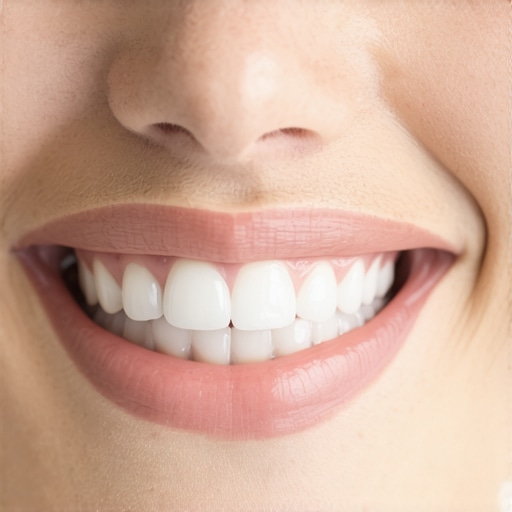
I’ll never forget the day I finally took off my braces. I felt an unexpected wobble in my teeth, like they were barely hanging on. That unsettling sensation caught me off guard—here I was, excited about my new smile, but suddenly worried about my dental stability. Turns out, you’re not alone in this feeling, and there’s more to it than meets the eye.
Understanding the Surprise of Looseness Post-Braces
When braces come off, it’s common to experience a sensation of looseness or even minor wobbling in the teeth. This isn’t a sign of a problem—rather, it’s part of the natural transition your teeth undergo as they settle into their new positions. During orthodontic treatment, your teeth are gradually moved, and their supporting structures adapt accordingly. Once the braces are removed, these tissues need time to stabilize, which can temporarily make your teeth feel less secure.
From personal experience, I initially freaked out, thinking I had done something wrong. But after consulting with my dentist, I learned that this sensation typically lasts for a few days to a couple of weeks. Interestingly, a study published by the American Association of Orthodontists notes that some degree of transient mobility is expected after braces removal, especially if the treatment involved significant tooth movement. This doesn’t mean your teeth are loose—it’s a normal part of the healing and settling process.
Is This Loose Feeling Actually Worth Worrying About?
Here’s where I slipped up early in my journey—thinking that feeling of looseness indicated a failure or an underlying issue. As I later discovered, rushing to assume the worst can cause unnecessary stress. It’s crucial to differentiate between normal post-braces sensations and real dental problems. Usually, this looseness diminishes as your bone and gum tissues tighten around your teeth. If, however, you experience persistent pain, swelling, or noticeable movement, consulting your orthodontist or dentist becomes essential. Remember, slow and steady wins the race when it comes to dental restorations and adjustments.
If you’ve recently had your braces removed and are feeling uneasy about this sensation, you’re not alone—and you’re not doomed. There are steps you can take to support your teeth during this transition phase. I’ll walk you through what really helps in the upcoming sections, but first, let’s tackle some common fears many have when they notice their teeth feeling less than firm.
Secure Your Bite with Proper Care
Begin by maintaining excellent oral hygiene: brush at least twice daily with a soft-bristled toothbrush, paying careful attention to your gum line where stabilizing tissues are healing. Floss gently to prevent irritation that could delay stabilization.
Adopt Gentle Eating Habits
Avoid hard, sticky, or chewy foods that can put undue stress on your teeth as they settle. Soft foods like yogurt, mashed potatoes, and smoothies reduce impact, supporting tissue healing. I remember transitioning gradually by adding soft foods first, which minimized discomfort and prevented accidental dislodges.
Use Supportive Orthodontic Devices
If your orthodontist recommends a retainer or a special appliance, wear it consistently. These devices help hold your teeth in position, allowing the surrounding tissues to adapt securely. In my case, wearing my retainer part-time initially, then full-time as advised, expedited my teeth’s stabilization and reduced the wobble sensation faster.
Practice Gentle Jaw Movements
While it might seem trivial, light jaw exercises or controlled chewing can promote blood flow and tissue healing. For example, opening and closing your jaw slowly a few times daily can aid in tissue adaptation. I included this step after a week and noticed a decrease in looseness, making me feel more confident about my healing progress.
Monitor and Record Changes
Keep a simple journal noting any persistent sensations or concerns. Take photos weekly to visually track stability. I found that documenting my progress helped me understand that the looseness was diminishing, and it gave me peace of mind as I saw tangible improvements.
Consult Your Dental Professional Regularly
Schedule follow-up visits to ensure proper healing. If the looseness persists beyond a few weeks or if you experience pain, swelling, or noticeable movement, seek professional advice promptly. Early intervention can prevent future complications and ensure your smile remains healthy and stable.
Many believe that options like veneers and teeth whitening are quick fixes or purely cosmetic, but the reality is far more nuanced. For instance, a prevalent misconception in family dentistry is that all treatments are applicable to everyone without considering individual needs. In reality, a study published in the Journal of Clinical Orthodontics emphasizes that personalized treatment plans yield significantly better long-term results, especially with devices like Invisalign.
Why do some teenagers experience delayed results with Invisalign despite good compliance?
This phenomenon often arises from biological factors like bone density and jaw growth patterns, which can affect how quickly teeth move. As an expert, I advise assessing these variables thoroughly before starting treatments. Many people overlook that veneers are not always suitable for heavily stained or damaged teeth, as they require healthy enamel to bond effectively. Visiting a trusted specialist, such as detailed in our article on veneers, helps in making informed decisions. Similarly, the myth that whitening is permanent is misleading; results can fade over time due to lifestyle factors. Knowing the advancement in whitening technologies, like laser bleaching, can extend the longevity of your results, but maintenance is key. This is supported by research indicating that patients who avoid stain-causing foods and maintain regular whitening touch-ups enjoy longer-lasting brightness. When choosing between veneers and crowns, understanding the structural differences and suitability can save you from costly mistakes, which we cover in detail here. With Invisalign, I often see misconceptions about its invisibility. Modern aligners are discreet but not entirely invisible; understanding their limitations helps set realistic expectations. My advanced tip is to combine proper wear with complementary aids like attachments to optimize results. The key is recognizing that what works for a friend might not be ideal for you because of unique anatomy. So, when considering options like family dentistry or cosmetic procedures, consult professionals who tailor advice specifically to your case. Don’t fall for generalized claims; instead, seek detailed assessments that consider your entire oral health context. Remember, integrating advanced insights into everyday decisions can significantly enhance the longevity and satisfaction of your dental treatments. Have you ever fallen into this trap? Let me know in the comments.
Keep Your Smile in Top Shape with Proven Tools
Maintaining the results of family dentistry and cosmetic procedures like teeth whitening or veneers requires more than just good habits; it demands using the right tools and techniques. As a dental professional committed to long-term success, I recommend investing in specific equipment and software that streamline care and enhance outcomes.
First, a high-quality ultrasonic toothbrush is indispensable. Personally, I swear by models like the Philips Sonicare DiamondClean, which offers superior plaque removal and gum stimulation. Its oscillating-rotating technology reaches areas manual brushes often miss, safeguarding the investment you’ve made in treatments like veneers or Invisalign. Using it twice daily helps preserve enamel integrity and prevents staining, prolonging your bright smile.
Complementing your brush, interdental cleaning tools—such as WaterPiks or soft dental picks—are game-changers, especially for those with braces or implants. I personally prefer the WaterPik because it reduces gum inflammation and flushes debris from hard-to-reach spots, supporting ongoing gum health after procedures like veneers. Integrating these into your routine is simple and makes a noticeable difference.
Next, employing software that tracks oral health progress can motivate patients and help clinicians monitor long-term results. Tools like Dental Monitoring or digital journaling apps allow you to record images, note sensations, and flag concerns early. For example, I advise patients undergoing Invisalign treatment to photograph their smiling progress weekly; this proactive approach catches issues like slight misalignments or staining before they become major problems. Embracing digital tools now paves the way for more personalized long-term care.
Finally, I recommend an at-home whitening device with consistent use—preferably a professional-grade LED whitening kit recommended by your dentist. Regular touch-up treatments, combined with good dietary habits, keep teeth bright and prevent discoloration of veneers or natural teeth. Over time, this maintains a youthful, vibrant look that can rival professional in-office whitening.
How do I maintain my dental work over time?
The key is adopting a disciplined routine with these specific tools. Regular use not only extends the lifespan of veneers and whitening results but also supports overall oral health, reducing future restorative needs. For example, combining daily brushing with an ultrasonic toothbrush and weekly water flossing creates a comprehensive defense against plaque accumulation and staining. Research indicates that patients who maintain consistent post-treatment care enjoy significantly longer-lasting results, emphasizing the importance of exercise and routine in dental maintenance.
Moreover, aligning your tools with advanced methods like Invisalign’s latest innovations—such as the use of smart aligners with enhanced compliance monitoring—can streamline long-term orthodontic success. Check out the secrets behind Invisalign success to understand how technology supports your ongoing smile journey.
Don’t forget to schedule regular dental check-ups—these visits are critical for professional assessments of your work’s integrity. During these visits, I often recommend using specific adjustments or touch-ups for veneers to keep your smile looking perfect.
To get started, try incorporating a high-quality ultrasonic toothbrush into your daily regimen today. Its effectiveness in cleaning and preserving your dental work makes it an essential tool for anyone serious about their smile’s longevity.
Lessons Hidden in Plain Sight That Changed My Approach to Dental Care
One of the most eye-opening lessons I learned was that patience is the unsung hero of dental transformations. Whether it’s veneers or Invisalign, rushing results often leads to disappointment. Real progress takes time, and embracing the process has saved me from unnecessary stress. Additionally, I discovered that personalized care outweighs generic solutions—what works for one person might not suit another. This understanding prompted me to seek professionals who tailor treatments specifically for my unique needs, ensuring long-lasting satisfaction. I also realized that maintaining post-treatment habits, like proper dental hygiene and regular check-ups, is not just routine but crucial to preserving the beauty and health of my smile. These insights have empowered me to make informed decisions and trust in gradual, scientifically-backed methods over quick fixes, reinforcing the importance of expert guidance over social media claims.