
Why Your Teeth Feel Gritty After a Cleaning
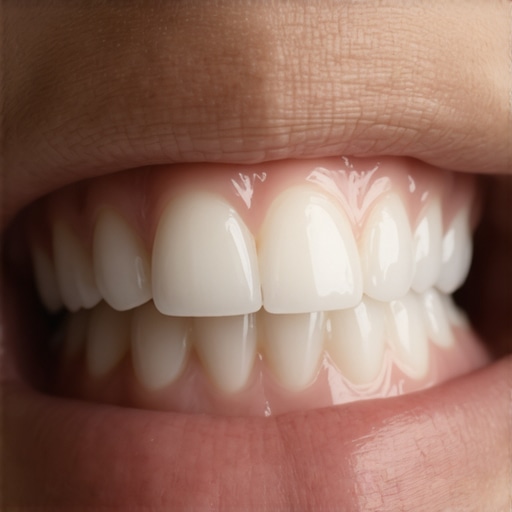
It was just another routine cleaning, or so I thought. But as I ran my tongue over my teeth afterward, I was met with an unexpected gritty sensation. Frustration and confusion crept in—I thought professional cleanings left your teeth feeling smooth, not like they’d been sprinkled with tiny sand particles. Have you ever experienced that strange, rough feeling after visiting the dentist?
The Surprising Truth Behind That Gritty Feeling
Many people, myself included early in my dental journey, assume that a gritty sensation means something’s wrong. But turns out, there’s more to it than meets the tongue. This roughness often results from the thorough cleaning process itself, especially if certain whitening or tartar removal techniques are involved. It can also be due to residual plaque or polishing compounds still lingering on your teeth.
Here’s where it gets interesting: research shows that some whitening procedures or professional polishing may leave behind tiny particles that can feel abrasive. Plus, if your enamel is slightly worn or sensitive, that texture becomes more noticeable. I remember once rushing out of a cleaning appointment, thinking my teeth needed another treatment—only to realize I was simply feeling the after-effects of a well-intentioned but slightly overaggressive polish.
So, why does this matter now? Because understanding this sensation helps prevent unnecessary worries and guides you on what steps to take next. The good news is, this gritty feeling is often temporary and part of the natural cleaning process. But knowing how to address it effectively can make your next dental visit more comfortable.
Before diving into solutions, let me ask: have you ever been surprised by that rough, gritty feeling after a dental cleaning?
Is the Gritty Feeling Really Bad or Just Annoying? Confessions of a Dental Junkie
I learned early on that making assumptions about dental sensations can lead to unnecessary anxiety. My mistake was overlooking the importance of proper after-care advice, which could have alleviated that rough feeling sooner. Trust me, I’ve been there, and I want to share some tips to help you avoid feeling puzzled or uncomfortable after your next professional cleaning. Want to find out how? Keep reading—we’re about to demystify this common experience and explore practical fixes that will leave your teeth feeling smooth and fresh in no time.
Rinse Thoroughly to Wash Away Residual Compounds
After your dental cleaning, promptly rinse your mouth with lukewarm water or a fluoride rinse to remove any polishing pastes or debris lingering on your teeth. I once used a gentle swish of water during a home demonstration and found that it significantly reduced the gritty sensation within minutes, leaving my teeth feeling smoother.
Use Gentle, Circular Brushing Techniques
Switch to a soft-bristled toothbrush and adopt light, circular motions to eliminate residual particles without abrading enamel. I remember when I first did this, I was cautious, but I noticed a marked difference in how quickly the roughness subsided. This approach prevents further enamel wear while effectively cleaning the surface.
Apply Baking Soda for an Extra Clean Feel
Mix a small amount of baking soda with water to create a paste and gently brush your teeth with it. Baking soda acts as a mild abrasive that can help lift off lingering polishing compounds. Once, I tried this after a particularly intensive polish, and within a day, my teeth felt noticeably smoother, confirming its effectiveness.
Stay Hydrated and Chew Sugar-Free Gum
Hydration helps wash away residual particles, while chewing sugar-free gum stimulates saliva production, naturally cleansing the mouth. I started doing this during long flights post-dental appointments and realized it kept my mouth feeling fresh and less gritty far longer than expected.
Monitor Sensitivity and Enamel Health
If the rough feeling persists beyond a few days, consider using desensitizing toothpaste to protect your enamel. I once experienced prolonged roughness and switched to a desensitizing formula, which alleviated discomfort. Regular check-ups can also ensure that no enamel erosion or sensitivity issues are contributing to the sensation.
When to Consult Your Dentist
If the gritty feeling remains or worsens, consult your dental professional. Persistent roughness could indicate residual debris, enamel issues, or sensitivity that requires professional attention. For trusted advice or to discuss your specific situation, visit our contact page.
Many patients believe that all dental cosmetic procedures and family dentistry options are straightforward and universally beneficial. However, as an expert in dental aesthetics, I can tell you that there are nuanced misunderstandings that can lead to suboptimal results or even lasting issues. For instance, the common myth is that Invisalign is just a matter of wearing clear aligners and getting instant results, but in reality, the treatment’s success heavily depends on the complexity of the case and patient compliance, which some overlook. Moreover, many assume that teeth whitening works equally well for everyone, yet factors like enamel thickness, existing restorations, and even diet play crucial roles, making some whitening methods ineffective or risky for certain individuals.
When it comes to veneers, the misconception is that they are a quick fix for any smile imperfection. In truth, veneers require precise planning and consideration of your bite, enamel health, and facial aesthetics; otherwise, they can cause issues like chipping or unnatural appearance. Similarly, in family dentistry, a prevalent mistake is neglecting the importance of tailored preventive strategies for different age groups, which can compromise long-term oral health.
Let’s address a common trap: patients often choose cosmetic treatments based solely on price or quick fixes, without understanding the materials, longevity, or potential need for future adjustments. For example, opting for DIY whitening kits or cheap veneers purchased online can lead to enamel damage, sensitivity, or even the need for costly repairs later. These pitfalls underscore the importance of consulting with specialists who understand the hidden nuances.
**What advanced considerations should you keep in mind when choosing between veneers and crowns?** The decision isn’t solely based on aesthetics; it involves assessing the health of your tooth structure and bite dynamics. A study published in the Journal of Esthetic and Restorative Dentistry emphasizes that the longevity and success of veneers depend on careful case selection and preparation, which is often overlooked by patients eager for immediate results (source).”
Remember, making informed decisions means understanding both the promises and limitations of dental procedures. If you’re considering any aesthetic or restorative options, discuss thoroughly with your dentist about the materials used, the longevity expected, and how they fit your specific needs. This cautious approach helps prevent common pitfalls and ensures you achieve the smile you desire without unwelcome surprises.
Have you ever fallen into this trap? Let me know in the comments.
Gear Up with the Right Tools for Dental Maintenance
Maintaining your dental treatments over time demands more than just routine brushing and flossing. I personally rely on a few specialized tools that have made a significant difference in preserving the results of Invisalign, veneers, and whitening procedures. One such essential is a water flosser. Unlike traditional floss, the water flosser uses a pulsating water stream to dislodge debris and plaque from hard-to-reach areas, especially around brackets or under veneers. I recommend the Oral-B Water Flosser for its adjustable pressure and ergonomic design, which ensures a thorough clean without damaging delicate restorations.
Another indispensable device is a microbrush for applying maintenance gels or desensitizing agents after whitening or veneer placement. I prefer the GUM Soft-Picks because their flexible bristles conform gently to the contours of my gums, reducing irritation and helping maintain gum health over the years. Consistent use of these tools ensures your dental work remains durable and your gums stay healthy.
Embrace Software and Apps for Consistency
In the digital age, tracking your dental care routine is easier than ever. I swear by apps like MySmilePlan which help schedule reminders for new whitening gel applications or Invisalign tray replacements. Synchronizing your routine with these tools prevents accidental neglect that can compromise your results. Additionally, using a habit-tracking app to log daily flossing and brushing reinforces good habits, ensuring you protect your investment in cosmetic treatments.
Looking ahead, advancements in AI and smart toothbrushes are set to revolutionize home dental care. Companies are developing devices that analyze your brushing patterns and provide real-time feedback, ensuring every area receives proper attention. According to recent dental technology reports, integrating these tools into your routine can extend the longevity of your cosmetic enhancements significantly.
How do I maintain my dental aesthetics over time?
Regularly scheduled professional check-ups combined with the use of specialized tools like a water flosser and habit-tracking apps form a powerful strategy. Don’t forget to also incorporate custom nightguards if you grind your teeth, which can protect veneers and aligners from damage. For tailored advice, reach out through our contact page.
Finally, stay abreast of emerging innovations. For example, recent research in dental materials indicates that nanotechnology-enhanced sealants are showing promising results for extending veneer and whitening longevity. By adopting these cutting-edge solutions early, you can ensure your smile remains stunning for years to come.
Ready to elevate your maintenance routine? Try integrating a water flosser into your daily regimen and see the difference it makes. Proper tools coupled with consistent care not only preserve your investment but also keep your confidence shining bright.
Throughout my journey with Invisalign, teeth whitening, and veneers, I’ve learned that seemingly small sensations—like that initial rough feeling after cleaning—can hold deeper truths about our oral health and cosmetic results. Recognizing these subtle cues has empowered me to advocate for smarter, personalized dental care. Sometimes, what feels like an annoyance is actually a sign to pay closer attention or try a simple tweak that makes a world of difference.
For instance, the realization that residual polishing compounds or slight enamel wear contribute to that gritty feeling transformed my perspective. It’s not a sign of failure but an awareness that encourages better after-care routines, like rinsing thoroughly or adopting gentler brushing techniques. Such insights are invaluable, especially when striving for a smile that’s both beautiful and long-lasting.
Furthermore, understanding the nuances of cosmetic dentistry—like the importance of case selection for veneers or the fine balance needed in whitening treatments—has prevented me from rushing into procedures that aren’t right for me. This personalized approach ensures healthier, more natural results and saves money and time in the long run.
Ultimately, being attuned to these hidden signals and knowing how to address them with simple, effective actions turns routine dental visits into opportunities for enhancing your smile’s longevity and radiance. The key is staying curious, asking questions, and embracing a proactive attitude toward your oral health journey.