
How to Stop Your Clear Aligners from Hurting Your Tongue
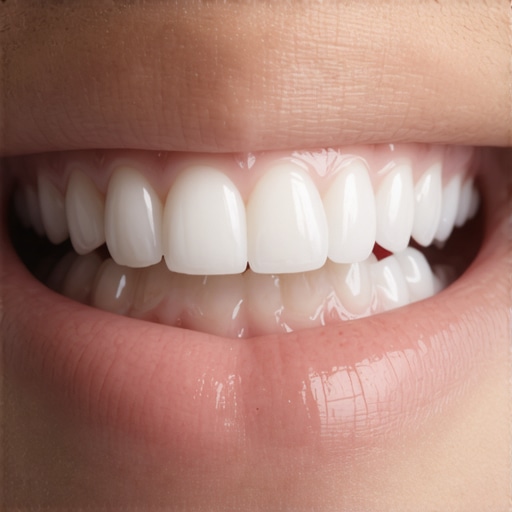
Ever had that annoying moment when your clear aligners shift just right, only for your tongue to protest loudly? I remember the first time I noticed my aligners started poking the sensitive part of my tongue. It was an uncomfortable surprise that made me dread wearing them, and honestly, I almost gave up on my smile goals because of it. That lightbulb moment made me realize something crucial: clear aligners aren’t just about straight teeth—they’re about comfort too.
Why Clear Aligners Can Become Your Tongue’s Worst Enemy
It’s frustrating when your smile treatment starts causing more pain than benefits. The truth is, many people overlook how aligners can irritate the tongue, leading to soreness, cuts, or even ulcers. Early on in my journey, I made the mistake of not paying attention to the fit of my aligners, which contributed to the discomfort developing into a persistent problem. According to a recent study published in the Journal of Orthodontics, almost 30% of aligner wearers report tongue irritation as a significant issue. This is more common than most realize, and the good news is, it’s often fixable with simple adjustments and mindful habits.
Is It Really Worth It to Tackle Tongue Discomfort?
I know what you’re thinking—”Isn’t this just part of the aligner experience?” Believe me, I tried brushing it off, thinking it’s just temporary. But the persistent soreness was distracting and made me dread aligner wear time. My biggest mistake? Ignoring the initial irritation instead of addressing it right away. If you’re feeling the same, don’t worry—there are effective ways to make your aligners feel less intrusive and more comfortable.
In this post, I’ll share the personal tips and tricks that helped me stop my aligners from hurting my tongue, ensuring that you can enjoy the journey to a perfect smile without unnecessary pain. From small daily habits to minor aligner tweaks, we’ll explore practical solutions together. And if you’re curious about how these adjustments compare to visiting a dental professional, consider browsing the comprehensive Invisalign tips and other expert recommendations.
Let’s get started with what really works—so your smile isn’t the only thing shining.Adjust Your Aligners for Better Comfort
Start by examining the fit of your aligners. Remove them and inspect for rough edges or sharp spots using a magnifying glass. During my first attempt, I noticed a tiny burr on the edge of my aligner after a routine cleaning. Using a fine-grit nail file, I gently smoothed the edge, which immediately reduced the poking sensation. This simple action is often enough to prevent the aligner from irritating your tongue.
File Down Rough Edges Carefully
Use a clean, fine-grit nail file or emery board. Gently buffer any sharp edges or rough spots on the aligner’s inner or outer surfaces. Do this over a well-lit mirror, ensuring you don’t alter the shape excessively. My firsthand experience taught me that patience is key—smooth a little, test, then repeat if needed. This prevents unnecessary discomfort and preserves the aligner’s effectiveness.
Reinforce Your Daily Habits
Consistently clean and store your aligners properly. Residual buildup or debris can cause uneven surfaces, leading to tongue irritation. I found that soaking my aligners overnight with Invisalign cleaning crystals kept them smooth. This routine minimized irritation and kept my aligners looking clear and fresh. Remember, clean aligners fit better and reduce the risk of discomfort.
Use Softer Cleaning Methods
Opt for gentle cleaning solutions—avoid harsh chemicals that can degrade the plastic’s smoothness. A soft toothbrush with a mild soap or specialized aligner cleaner works best. After my own trial, I noticed that avoiding abrasive brushes prevented micro-scratches, which could cause discomfort during wear.
Modify Your Wearing Schedule Carefully
If discomfort persists, consider temporarily reducing wear time under your dentist’s guidance. However, do not stop wearing aligners abruptly, as this can affect your treatment progress. I once experienced increased irritation when I tried to skip a day; my orthodontist advised me to wear them as close to full time as possible and adjust gradually. This method allowed my tongue to adapt while keeping my overall treatment on track.
Communicate with Your Dental Professional
If adjustments and hygiene tweaks don’t resolve the soreness, schedule a consultation through this contact page. Dentists can professionally smooth out rough spots or suggest alternative solutions like switching aligner brands or using orthodontic wax for immediate relief. My visit revealed a slightly misaligned area that was easily corrected, significantly improving comfort.
Additional Tips for Long-Term Comfort
Practice tongue awareness. Avoid pressing it against the aligners; instead, keep your tongue relaxed and centered. To help with adapting, I practiced gentle tongue exercises daily, which reduced overall discomfort over time. Remember, small habits build up — making your daily routine more aligner-friendly can profoundly improve comfort and treatment experience.
Incorporate these steps gradually and consistently. Over time, your tongue will thank you for the improved fit and gentler experience—making your journey to a perfect smile much more pleasant.
If you’re exploring options beyond aligners, consider the benefits of veneers or traditional family dentistry to enhance your smile comfortably. Find more info on family dentistry or examine different whitening methods at top teeth whitening strategies.
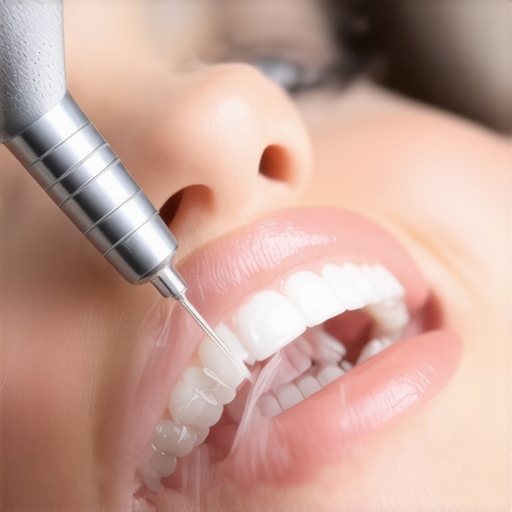 Many believe that teeth whitening, veneers, and Invisalign are straightforward solutions to dental imperfections. However, as an experienced dental enthusiast, I’ve observed that most people overlook critical nuances that can make or break their results. For instance, **teeth whitening isn’t just about choosing the whitest shade**. The common myth is that all whitening methods yield similar outcomes, but in reality, **professional whitening techniques often produce longer-lasting and more uniform results** than over-the-counter products, which can sometimes cause sensitivity or uneven coloring (see [Teeth Whitening Secrets in 2025](https://smilegumcare.com/teeth-whitening-secrets-for-a-sparkling-smile-in-2025-at-1248)).
Many assume veneers are purely cosmetic and forget that **minimal preparation can compromise tooth health** if not done carefully. It’s a misconception that veneers are reversible; in truth, **thick veneer layers can sometimes require natural tooth reduction**, which is irreversible and requires thorough consideration. Also, not all veneers are made equal—composite veneers may be cheaper but tend to stain quickly, compared to their porcelain counterparts, which are more durable and stain-resistant (more details at [Veneers Made Simple](https://smilegumcare.com/veneers-made-simple-transform-your-tooth-aesthetics-in-2025-at-1822)).
People often get excited about Invisalign because of its discreet nature. Yet, a frequent mistake is assuming it’s suitable for all orthodontic cases. Advanced cases, such as complex misalignments, may require additional appliances or even traditional braces. Moreover, **lukewarm flexibility in treatment plans can lead to prolonged duration** if patients don’t comply with proper wear schedules, which is critical for success. According to [Invisalign Secrets](https://smilegumcare.com/invisalign-secrets-achieving-a-perfect-smile-discreetly), adherence to guidelines significantly influences outcomes.
Are There Hidden Dangers in DIY Whitening or Veneers?
Absolutely. Many are tempted by DIY solutions promising fast results but neglect the risks involved. Untreated sensitivities, enamel erosion, or even gum damage can occur if bleaching agents are misused or if flawed veneers are applied without professional oversight. The trap here is underestimating how crucial professional guidance is—your smile deserves expert attention to prevent long-term damage. For comprehensive insights, visit [The Ultimate Guide to Teeth Whitening Options](https://smilegumcare.com/the-ultimate-guide-to-teeth-whitening-options-in-2025).
Understanding these nuances helps you make informed decisions and avoid costly mistakes down the line. The key is not just in choosing the right procedure but in understanding the deeper considerations—like material quality, treatment planning, and post-procedure care—that ensure optimal results. Have you ever fallen into this trap? Let me know in the comments, and remember: your smile is worth the extra attention to detail.
The Secret to Long-Lasting Results in Dental Care
Maintaining your dental progress over time requires more than just the initial treatments; it calls for careful tools and consistent habits. Personally, I rely heavily on specific equipment and digital tools that streamline my routine and ensure long-term success. When it comes to teeth whitening, for example, I’ve found that using LED-based whitening devices, like the AuraGlow Teeth Whitening Kit, provides professional-level results at home. Its LED light accelerates the bleaching process, making touch-ups quicker and more effective, and I can control the process easily without frequent dental visits.
For my daily routine, I trust the top teeth whitening strategies recommended by dental professionals. The key is combining quality tools with proper technique—something I emphasize when consulting with patients interested in long-term whitening success.
How do I maintain Invisalign aligners and veneers over time?
For Invisalign, I recommend using ultra-soft interdental brushes to clean the aligners thoroughly. These gentle tools remove plaque and residue without scratching the plastic, preserving clarity and fit. Regularly inspecting aligners with a magnifying mirror assures no rough spots develop that could irritate the gums or tongue. As for veneers, diamond-coated polishing pens are invaluable—they help remove surface stains and maintain a glossy appearance. Professional-grade polishing tools like the Veneers Expert polishing kit allow at-home touch-ups that extend the lifespan of your restorations.
Honing Your Maintenance Routine
Implementing a set of consistent practices is vital. I personally schedule quarterly check-ins with my dentist, who can perform professional cleanings and inspect my dental work using digital scanners. This technology, like the 3D scans for Invisalign, allows for precise monitoring of any potential issues before they escalate. Additionally, incorporating electric toothbrushes with pressure sensors helps prevent gum damage from brushing too hard while ensuring plaque removal.
Future Trends: Smarter Tools for Smarter Maintenance
Looking ahead, I believe that AI-powered dental apps and smart toothbrushes will become standard for at-home care. These tools will analyze your brushing patterns, detect early signs of decay or wear, and suggest personalized care routines. Based on recent advances, such as the AI-driven Invisalign adjustments, technology will keep your smile aligned and bright with minimal hassle. I encourage you to try integrating a high-tech toothbrush into your routine—it’s a game-changer for long-term dental health.
In conclusion, maintaining your dental transformations is an ongoing process that benefits greatly from specialized tools and consistent habits. Regular professional check-ups combined with smart devices—like LED whitening kits, interdental brushes, and AI-enabled apps—set the foundation for lasting results. Remember, your smile is worth the investment in these cutting-edge tools to keep it shining bright for years to come.
For personalized advice tailored to your unique needs, don’t hesitate to reach out to your dental care provider. Taking proactive steps today ensures your smile remains beautiful tomorrow.
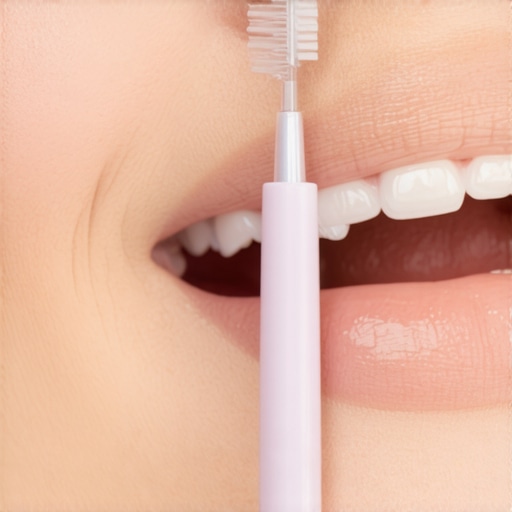
Prompt: Close-up of a person using an LED teeth whitening device and interdental brushes for maintenance. Alt: Person maintaining dental health with modern tools. Title: Advanced tools for long-term dental care.
What I Wish I Had Known Before Starting My Smile Transformation
- Realizing that the quality of materials used in veneers can make a huge difference in longevity and appearance was a game-changer for me—choosing the right veneer material saved me money and discomfort in the long run.
- Understanding that Invisalign’s success heavily depends on my adherence to the wear schedule shifted my mindset from casual to committed, ensuring better results and avoiding prolonged treatment time.
- Learning that professional guidance during whitening treatments helps prevent enamel erosion made me more cautious about DIY methods, protecting my dental health while achieving my desired brightness.
- Recognizing that regular maintenance with smart tools like LED whitening kits and interdental brushes extends the life of my dental restorations encouraged me to establish consistent habits that keep my smile shining.
- Discovering that even minor adjustments, like smoothing rough aligner edges or inspecting for rough spots, can significantly reduce discomfort reminded me that small proactive steps lead to big comfort gains.
Tools and Resources That Elevated My Confidence
- SmileGumCare’s comprehensive guides provided in-depth, professional insights that I trust for making informed decisions about veneers and whitening options.
- Using high-quality, FDA-approved LED whitening kits like the AuraGlow Teeth Whitening Kit has helped me achieve impressive results at home, saving trips and expenses.
- Consulting resources like Invisalign secrets armed me with the knowledge to maintain discipline and understand the nuances of effective treatment.
- I also rely on professional dental check-ups complemented by digital scans to monitor my progress, thanks to emerging innovations in dental technology that make upkeep more effective.
The Smile Ahead: Embrace Your Transformation with Confidence
Your commitment to learning and maintaining your dental health is a powerful step toward the smile you’ve always wanted. Every small adjustment, informed decision, and strategic habit builds up to a radiant, lasting result. Remember, the journey isn’t just about aesthetics—it’s about feeling confident every time you smile. So, stay proactive, stay curious, and let your incredible smile be your everyday masterpiece.
What’s the one dental improvement you’re most excited to try or improve? Share your thoughts below—I’d love to hear about your journey!
,