
The Best Way to Handle a Dental Emergency at Night
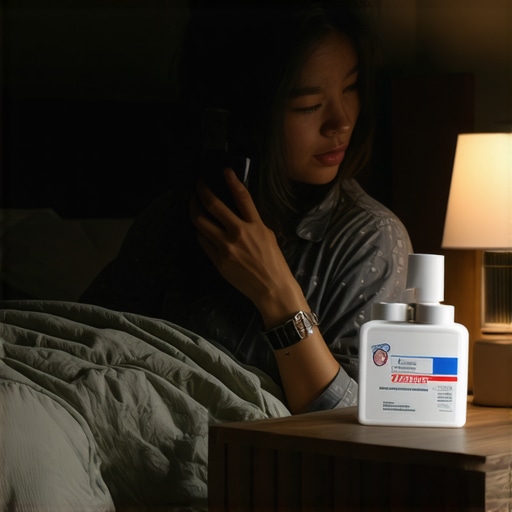
Ever found yourself wide awake in the middle of the night, frantic because a toothache turned into an unexpected disaster? I still remember that cold panic when my child’s loose tooth suddenly sharped into a painful spike after a rough fall during bedtime. At that moment, I realized how unprepared I was for dental emergencies striking outside regular office hours. It hit me that, in those critical moments, my knowledge and resources made all the difference between pain and relief, between a minor hiccup and a costly visit to the emergency room. Since then, I’ve dedicated myself to understanding the best ways to handle dental crises during those late, unexpected hours.
Why Nighttime Dental Emergencies Pose a Unique Challenge
For many families, dental emergencies at night are a common nightmare. Whether it’s a chipped tooth, a knocked-out crown, or a sudden unbearable toothache, the clock seems to set the stage for chaos just when you feel most helpless. What complicates matters is that most dental clinics are closed, and the usual advice often falls short or leads to unnecessary panic. I learned this the hard way early on—making critical mistakes like trying home remedies that only worsened the problem or rushing to an ER where they couldn’t even offer the specialized care I needed. That realization prompted me to seek reliable, practical solutions that could be implemented immediately, without the guilt of messing up or worsening a situation.
Does Immediate Action Really Make the Difference?
The truth is, your response during those crucial first hours can significantly influence the outcome. An informed approach can save you pain, money, and even preserve your smile. For example, I once believed any little blood or swelling would warrant an emergency room trip. But, after some research, I discovered that many emergencies, like a displaced or knocked-out tooth, require specific steps that can be managed at home until professional help is available. Early on, I made the mistake of waiting too long, which sometimes complicated subsequent treatment—something I now warn every parent and patient I meet. Remember, knowing what to do in those critical moments can turn fear into action and drastically improve the result of your emergency response.
So, how exactly do you prepare yourself for these unpredictable late-night dental surprises? Let’s explore the practical steps and essential items you should keep handy. But first, have you ever faced a sudden dental emergency during the night? Share your story below—knowing you’re not alone can comfort many fellow readers.
Act Fast: Assess the Situation Clearly
When faced with a dental emergency, first pinpoint the problem: is it bleeding, severe pain, or a knocked-out tooth? For example, I vividly recall a late-night incident where my child tripped and chipped a front tooth. I immediately checked for bleeding and assessed the size of the chip to understand the severity. This rapid assessment helps determine the urgency and the appropriate action.
Control Bleeding and Pain Effectively
If there’s bleeding, gently apply pressure with a clean cloth or gauze, like I did when my child’s gum bled after a fall. Elevate the child’s head to minimize blood flow. For pain, over-the-counter pain relievers such as ibuprofen can help reduce discomfort. Do not put aspirin directly on the gums, as it can cause burning.; instead, use topical gels designed for oral use or a cold compress on the cheek to numb the area.
Preserve and Transport Knocked-Out Teeth Properly
If a tooth has been knocked out, time is critical. Rinse the tooth gently with saline solution or milk without scrubbing. I learned that wrapping the tooth in a moist tissue or placing it in a container filled with Hank’s balanced salt solution can preserve it until professional help arrives. Avoid storing the tooth in tap water, which can damage the root cells and hinder reimplantation.
Use the Right Storage Medium
Milk is a recommended storage medium because of its compatibility with periodontal ligament cells. If milk isn’t available, a saline solution or even saliva from the injured person can serve as alternatives.
Manage Displaced or Broken Teeth
For a dislodged tooth that hasn’t fallen out, gently reposition it if you can with clean hands or tools, but only if it’s safe to do so. Stabilize it with sterile gauze. For broken teeth, clean the area gently, and if possible, retrieve and store any broken fragments for the dentist to evaluate if they can be reattached. I once found a small piece of my child’s chipped tooth and kept it in a plastic bag, which the dentist later used for reconstructions while discussing options like veneers or crowns to restore function and appearance.
Seek Professional Help Without Delay
Even after managing initial steps, visiting a dentist promptly is crucial. Use the contact page to find an emergency dental clinic in your area. Remember, while home measures can buy you time, they are not substitutes for professional assessment and treatment. For a guided approach tailored to your specific situation, consider consulting resources like our contact page.
When it comes to aesthetic and preventive dental treatments, many people operate under misconceptions that can lead to costly mistakes. A common myth is that veneers and crowns are interchangeable options, but in reality, they serve distinct purposes. While veneers primarily address surface imperfections like chips or discoloration, crowns provide full coverage for structurally compromised teeth. Misunderstanding these nuances can result in choosing an inappropriate treatment, which may compromise durability or aesthetics. For detailed differences, visit this comparison of veneers and crowns.
Similarly, many believe that teeth whitening is a one-size-fits-all magic bullet for a brighter smile. However, not all whitening products are suitable for everyone; for example, restorations like veneers or crowns won’t respond to bleaching agents. Using over-the-counter whitening kits without professional guidance can also cause uneven results or enamel sensitivity, especially if misused. A study published in the Journal of Evidence-Based Dental Practice shows that professional whitening protocols significantly outperform OTC options in safety and efficacy. So, always consult your dentist before starting whitening treatments.
Are Invisalign aligners really perfect for everyone interested in straightening teeth?
Many perceive Invisalign as a universally ideal solution for orthodontic issues, but this is far from true. While Invisalign offers discreet and comfortable correction for mild to moderate spacing and crowding, complex bite issues or severe misalignments may require traditional braces or advanced orthodontic solutions. Failing to assess the severity of your case can lead to prolonged treatment or suboptimal results. The key is a comprehensive evaluation from an experienced orthodontist—more info on suitable cases can be found here.
Moreover, a critical mistake many make is neglecting the importance of retainers after Invisalign treatment. Without proper retention, teeth tend to shift back, undoing all the hard work. Experts agree that retention protocols are just as crucial as alignment itself. This underscores the importance of follow-up care—something that often gets overlooked in the rush to achieve a perfect smile.
Let’s dig deeper into the hidden nuances of these treatments. Understanding them can help you avoid costly mistakes and ensure your dental investments truly pay off. Have you ever fallen into this trap? Let me know in the comments—your experience might help others navigate their options smarter!
Keep Your Smile in Top Shape with Trusted Tools
Maintaining your dental results over time requires more than just regular brushing; it demands precision tools and consistent habits. I personally rely on the Waterpik Aquarius Water Flosser because it effectively reaches areas traditional flossing might miss, especially around veneers and aligners. Its pulsating stream loosens plaque and debris, helping preserve the longevity of your treatments. Additionally, using a soft-bristled electric toothbrush reduces the risk of damaging delicate restorations while ensuring comprehensive cleaning.
The Power of Software in Dental Maintenance
Beyond physical tools, digital solutions streamline long-term care. I recommend scheduling periodic check-ins via software like Dental Intelligence, which tracks your oral hygiene habits, prompts upcoming appointments, and even offers personalized advice. This proactive approach prevents minor issues from escalating, significantly extending the lifespan of veneers, whitening, or Invisalign corrections. Keeping detailed records allows your dentist to spot trends early and recommend adjustments, like reapplying whitening agents or refining aligner fit.
Embracing the Future of Dental Care
Emerging trends point towards AI-driven diagnostics and home-use devices that monitor oral health in real time. For example, AI-powered intraoral cameras connected to mobile apps can identify early signs of wear or decay, prompting timely visits. As technology advances, these tools will become more affordable and user-friendly, empowering you to take charge of your smile’s health. Adopting such innovations now could save you time and money down the road.
How do I maintain my dental work over time?
To keep your veneers, whitening, or Invisalign in optimal condition, consider regular professional cleanings combined with daily practices like using an antimicrobial mouthwash and a personalized dental care kit. Implementing routine check-ups ensures any potential issues are caught early—something I emphasize in our family dentistry programs. For high-quality tools, I personally recommend the Sonicare DiamondClean electric toothbrush due to its superior plaque removal and gentle characteristics suitable for sensitive restorations. Don’t forget to ask your dentist about specific aftercare routines tailored to your treatments—this personalized guidance is invaluable. Want to see how these tools work together? Try integrating a water flosser and a high-end toothbrush into your routine and observe how your smile remains vibrant and healthy over months and years. For more comprehensive strategies, visit our blog on teeth whitening and keep your results shining bright.
Unveiling Hidden Truths About Emergency Dental Care
The biggest lesson I learned is that preparation is everything—having a well-stocked first aid kit and knowing immediate steps can turn panic into relief. I also discovered that some issues, like a knocked-out tooth, demand quick action and specific storage methods to increase chances of saving the tooth, which I now keep in mind when sorting my emergency supplies. Lastly, I realized that trusting the right resources, like dedicated emergency clinics or reliable online guides, can prevent costly mistakes and unnecessary trips to the ER. These personal insights have transformed how I approach dental emergencies, making me more confident and proactive in safeguarding my family’s smiles.
My Arsenal of Trusted Dental Tools and Resources
Over the years, I’ve curated a set of tools that have proven invaluable during dental emergencies, such as a saline spray for rinsing knocked-out teeth or sterile gauze for bleeding control. I highly recommend consulting reputable sources like our contact page for personalized guidance, and investing in quality oral care devices like an electric toothbrush or water flosser to maintain everyday health. Reading detailed guides on topics like veneers or Invisalign from trusted websites has also helped me understand my options better, ensuring I make informed decisions that last.
Your Smile’s Future Starts Now
Don’t wait for a dental emergency to remind you of the importance of care and knowledge. Embrace proactive habits, keep essential tools handy, and stay informed—your smile is worth it. Remember, every small step you take today builds a foundation for a healthier, brighter tomorrow. Curious how you can elevate your dental routine or prepare for unexpected situations? Share your thoughts below—your experience can inspire others to act confidently in their own dental journey.