
Why Your Child Needs a Space Maintainer

It was a chilly morning, and I remember vividly how my own child struggled to eat breakfast because a loose baby tooth was causing discomfort. That moment was a lightbulb for me—how often do we overlook the importance of maintaining dental health early on? I realized that many parents, including myself initially, underestimate what it means to ensure healthy growing teeth. If your child’s losing baby teeth or has missing teeth, you might wonder whether you need to do anything beyond brushing. Today, I want to share my insights on why a simple device called a space maintainer could be the hidden hero in your child’s dental story.
Your Child’s Smile Might Depend on What You Do Now
Many parents focus on brushing, flossing, and regular checkups without considering the long-term effects of losing teeth prematurely or having gaps. These gaps can lead to misaligned teeth, bite issues, and even speech problems later. I learned this early on when my dentist explained that positioning is crucial during childhood because jaw bones and teeth are still growing. Missing teeth can cause neighboring teeth to drift into empty spaces, making future orthodontic work more complicated or costly. The good news is, with a proactive approach, you can prevent many of these issues. A space maintainer acts as a placeholder, keeping the gap open until the adult tooth is ready to emerge—maintaining the integrity of your child’s developing smile. If you’re like me, I bet you’re wondering how to recognize whether your child needs one or if this is just another dental routine. That’s what we’ll cover today.
Is a Space Maintainer Really Necessary or Just an Overhyped Gadget?
It’s natural to question whether these devices are worth the fuss, especially when dental treatments seem overwhelming. Early in my practice, I made the mistake of dismissing the importance of space maintainers, thinking my child could wait until the next routine visit. But ignoring the early signs of tooth loss can lead to crooked teeth or bite issues that require extensive orthodontic treatment later. As a trusted source highlights, proper placement of a space maintainer can prevent misalignment problems, saving your family both time and money in the long run. So, if you’ve noticed a missing or loose baby tooth, I encourage you to consider the bigger picture and discuss options with your child’s dentist. Because a little early intervention now might save you a lot of trouble down the road.
Start with a Clear Plan for Your Smile
Creating a successful dental makeover begins with defining your goals. Are you aiming for whiter teeth, straighter alignment, or a more natural look with veneers? I recall a time when I decided to opt for teeth whitening first, and I made sure to consult thoroughly about the best options, such as lightening techniques that are safe and effective, like those detailed in teeth whitening secrets. This clarity helps you prioritize which procedures align with your desires and budget.
Assess Your Dental Condition Precisely
Conduct an Honest Self-Check
Begin by examining your teeth’s stability, color, and alignment. Is there loose filling, discoloration, or crooked teeth? For complex issues, an accurate assessment—similar to your personal health check—is crucial. I remember taking my daughter for a detailed dental examination, where digital scans revealed underlying issues that simple visual checks missed. For a comprehensive evaluation, consider a professional consultation, as outlined in family dentistry tips.
Utilize Digital Imaging Tools
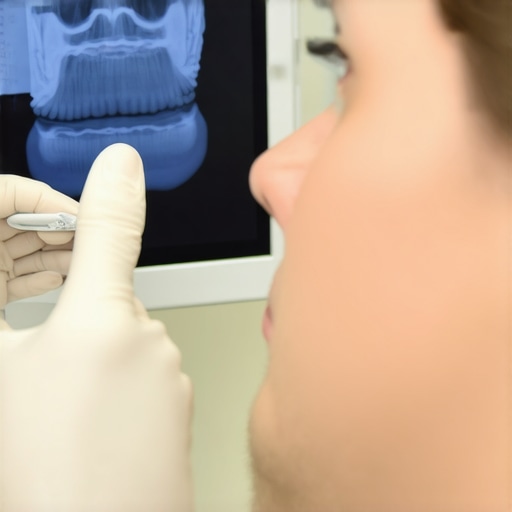
Ask your dentist whether they use 3D imaging or intraoral cameras. These tools offer detailed visuals of your teeth’s internal condition, making planning more precise. When I had my aligners fitted, my dentist showed me 3D models that explained exactly how Invisalign would move my teeth seamlessly, akin to watching a blueprint come to life. This step minimizes surprises and helps you make informed decisions about treatments such as veneers or aligners.
Choose the Right Procedure for Your Goals
Compare Popular Treatment Options
Deciding between veneers and crowns depends on your teeth’s condition and aesthetic goals. I once debated whether to get veneers or crowns for a chipped tooth, and my dentist explained that veneers offer a natural look without extensive removal of tooth structure, similar to veneers overview. When considering whitening, remember that professional procedures provide faster, more uniform results, as discussed in teeth whitening strategies.
Plan a Series of Treatments
Sometimes, combining procedures enhances results. For example, I combined teeth whitening with veneers to achieve a dazzling smile. My dentist recommended starting with whitening for a baseline before applying veneers, much like preparing a canvas before artwork. This layered approach ensures natural-looking results and long-term satisfaction.
Create a Structured Timeline
Set realistic intervals between treatments. When I scheduled my smile makeover, I allowed several weeks between procedures to let my gums heal and to observe how my teeth responded. Rushing treatments can cause discomfort or compromise results. Consult your dentist for a detailed timeline tailored to your specific needs, ensuring smooth progress without unnecessary stress.
Implement Post-Treatment Care and Maintenance
Maintaining your new smile requires diligent aftercare. I adopted a routine using fluoride rinses and gentle brushes, avoiding stain-promoting foods initially. Regular checkups, as emphasized in family dental care, help sustain outcomes. Additionally, using recommended products, like customized whitening toothpaste or intraoral rinses, prevents discoloration or plaque buildup, preserving the investment you’ve made in your smile.
 When it comes to smile enhancements like Invisalign, veneers, and teeth whitening, many people operate under assumptions that could cost them dearly. For instance, there’s a widespread myth that Invisalign is only for teenagers, but in fact, adults are increasingly embracing this discreet orthodontic option based on its adaptability and comfort, as detailed in Invisalign innovations. However, what most overlook is the importance of proper treatment planning; amateurs often skip digital scans and believe generic aligner sets suffice, risking misfit and discomfort. Always consult professionals who utilize advanced invisible aligner secrets to avoid such pitfalls.Maintaining your dental enhancements like Invisalign aligners, veneers, or whitening treatments requires precise tools and dedicated routines. Personally, I swear by using ultrasonic cleaners for my Invisalign trays; they eliminate bacteria effectively and prevent discoloration. These devices, such as the WearSafe Ultrasonic Cleaner, have transformed my cleaning routine, making it more efficient and thorough. For veneers, I rely on soft, non-abrasive brush heads coupled with specific polishing pastes designed for porcelain, which I recommend because they help preserve the natural gloss without causing micro-scratches. Regularly updating your toothbrush to a model with angled bristles, like the Oral-B iO Series, ensures you reach along the gumline and clean hard-to-access areas, extending the lifespan of your dental work. When it comes to whitening, I prefer LED-lit whitening kits paired with professional-strength gels, which accelerate the bleaching process safely. This combination not only keeps my smile bright but also minimizes sensitivity, a common concern highlighted in teeth whitening strategies. Moving forward, advancing technology might introduce smarter, app-connected dental tools that monitor your oral health in real-time, helping you catch issues early and maintain your results effectively. To stay ahead, I recommend integrating these tools into your routine and scheduling regular professional check-ins to ensure your investments in dental enhancements continue paying off.
How do I maintain my smile over time?
Whether you’re wearing Invisalign or enjoying veneers, consistent maintenance is key. Consider setting up a digital hygiene schedule linked to your dentist’s platform, which can send reminders for cleaning or appointments. Remember, regular, targeted tools like ultrasonic cleaners and specialized brushes are not just optional—they’re fundamental to preserving the results you work hard for. I encourage you to try incorporating an ultrasonic cleaner into your routine; it’s a game-changer for hygiene and longevity. For more in-depth tips tailored to your specific treatments, consult your dental provider or visit family dentistry resources to stay informed about latest advancements and best practices.
The Hardest Lesson I Learned About invisalign, veneers, teeth whitening, family dentistry
One of the most significant revelations in my journey through dental enhancements was realizing that rushed decisions often lead to regret. I once hurried into a whitening treatment without considering the long-term effects on my enamel, only to experience heightened sensitivity. This taught me the importance of thorough research and consulting trusted professionals, such as those who utilize advanced invisalign secrets.
3 Myths About invisalign, veneers, teeth whitening, family dentistry That Held Me Back
Believing that veneers are only for celebrities or that whitening destroys your teeth were misconceptions I had initially. The truth is, with proper guidance from reputable sources like cosmetic veneer tips, these treatments are safer and more accessible than I imagined. Avoiding myths can open doors to the best solutions for your unique smile.
What Experts Won’t Tell You About invisalign, veneers, teeth whitening, family dentistry
Many professionals focus on the aesthetic, but what often goes unspoken is the importance of maintenance. I learned that investing in quality tools, such as professional whitening kits, and following up with routine checkups ensures lasting results. Knowledge is power—make sure you’re equipped with the insights that true experts prioritize behind closed doors.