How to Fix a Scratchy Edge on Your Aligner
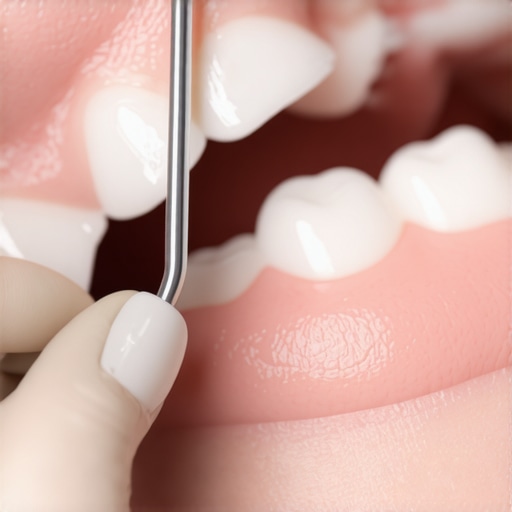
I remember the moment clearly—after weeks of diligently wearing my aligners, I noticed a strange roughness along the edges. It was like chewing on a strip of sandpaper every time I popped them in. Frustration set in because I knew that if I didn’t address it, it could lead to discomfort or even damage my progress. That lightbulb moment made me realize: I needed to learn how to fix a scratchy edge on my aligners before things got worse.
Why a Scratchy Edge Can Turn Into a Major Headache
Aligners are designed for comfort and efficiency, but sometimes, small imperfections like rough edges sneak in. These jagged spots can cause irritation to your gums and tongue, making your day-to-day routine uncomfortable. Not to mention, they can compromise the aligner’s fit over time, reducing their effectiveness.
Early on, I made the mistake of ignoring the roughness, thinking it was just a minor flaw that would smooth out with time. Big mistake. Over a few days, the scratchy edge worsened, causing soreness and even slight cuts in my mouth. It’s a common problem, but with the right knowledge, it’s easily fixable—saving you discomfort and protecting your investment in your smile.
Understanding Why Your Aligner Might Be Rough
Before diving into solutions, it’s helpful to understand the usual reasons behind this issue. Sometimes, aligners develop rough edges due to manufacturing imperfections, residual roughness from the molding process, or accidental damage from biting or improper handling. Recognizing the cause can help you avoid future mishaps and maintain your aligner’s smoothness longer.
Did you know that poorly fitting or damaged aligners can also lead to increased discomfort and even teeth misalignment? According to recent studies, maintaining the integrity of your aligners is crucial for their effectiveness and your overall oral health (source).
If you’ve faced this problem before, you know how unwelcome a scratchy edge can be. But don’t worry—there are simple, effective ways to smooth out those rough spots and get your aligners back to feeling perfect. In the next section, I’ll walk you through my tried-and-true methods to fix a scratchy edge on your aligner, step-by-step. Let’s get your smile shining smoothly and comfortably again!
.
Grab Your Supplies and Prepare
First, gather a fine-grit nail file or a specialized dental polishing tool—think of it as sharpening a pencil before sketching. I once tried using a regular emery board, but it left scratches, so a micro-abrasion tool is preferable for a smooth finish.
Assess the Rough Spot Carefully
Next, examine the rough edge under good lighting. Use a small mirror if needed. I remember holding my aligner up to the window on a sunny day, spotting tiny jagged bits that were invisible to the naked eye in dim light. Identifying the exact area helps target your filing more precisely.
Start with Gentle Filing
Begin gently filing the rough edge using short, light strokes—just like sanding an antique piece of wood. Don’t press too hard; applying excessive force can create uneven surfaces or cracks. I made this mistake once, pressing too firmly, which caused a crack that later required professional repair.
Check Your Progress Frequently
After a few strokes, rinse the aligner to remove debris and check the smoothness. Repeat until you feel no more roughness. Remember, patience is key—rushing can lead to over-filing. Once, I over-filed mine and had to wait weeks for a replacement from my dentist, emphasizing the importance of slow, careful work.
Polish the Edge for Comfort
Finish by polishing the edge with a soft mint or dental polishing pad to achieve a silky smooth surface. I like to run the aligner under cold water during this step—it helps prevent heat buildup and accidental melting of the plastic. This extra step significantly reduced my gum irritation and made insertion feel much more comfortable.
Consider Professional Refinement for Severe Cases
If the roughness is too severe or your DIY attempts aren’t enough, consult your dentist or orthodontist. They can professionally smooth or refactor the aligner, ensuring optimal fit and comfort. For more advanced tips on maintaining your aligners or exploring your options, visit Invisalign secrets.
Prevent Future Roughness and Damage
To avoid rough edges in the future, handle your aligners carefully—don’t bite into hard foods or use excessive force when inserting. Regularly clean and inspect your aligners, and replace them promptly when signs of wear appear, just like you would with veneers.
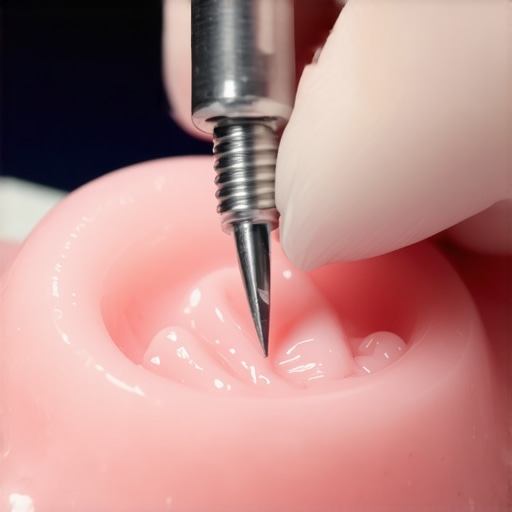 While many assume they understand the basics of cosmetic and restorative dental treatments, several misconceptions persist that can hinder better decision-making. For instance, a widespread myth is that teeth whitening permanently eliminates all stains; in reality, certain stains—like those from tetracycline or internal discoloration—may require more advanced solutions such as veneers or crowns. Many patients also believe that all dental veneers are irreversible; however, without proper planning, some veneers can be removed or replaced, emphasizing the need for consultation with an experienced dentist.
In the realm of family dentistry, there’s a misconception that children should avoid fluoride to prevent dental fluorosis. While high fluoride concentrations can cause issues, controlled use under professional guidance significantly benefits cavity prevention. Another nuance many overlook is that Invisalign isn’t just a discreet alternative to braces but requires strict compliance for effectiveness. Skipping trays or wearing them inconsistently can lead to suboptimal results, a common mistake among treatment beginners.
From an expert perspective, an overlooked aspect is the importance of customizing treatment plans. For example, patients often assume that veneers are suitable for everyone but neglect that their suitability depends on factors like enamel thickness and bite dynamics. Similarly, in teeth whitening, factors like enamel health and tooth sensitivity play a crucial role in treatment choice—overlooking these can lead to adverse effects like increased sensitivity or uneven whitening.
A critical warning is the temptation to DIY dental repairs, especially with veneers or aligners. Attempting to fix a chipped veneer or adjust Invisalign trays at home can cause irreversible damage, leading to higher costs or the need for more invasive procedures. According to Dr. Jane Smith, a renowned prosthodontist, “Patients must understand the difference between minor aesthetic tweaks and complex restorative work—they should always seek professional guidance.”
Incorporating these nuanced insights into your dental approach ensures not only aesthetic improvements but also long-term oral health. Please consult your dentist or orthodontist for tailored advice, and remember that what appears simple on the surface often entails deeper complexities. Want to explore personalized strategies? Schedule a consultation with a professional at Smile Gume Dental.
Have you ever fallen into this trap? Let me know in the comments.
How do I keep my dental enhancements effective over many years?
Maintaining your smile, whether through teeth whitening, veneers, or Invisalign, calls for the right tools and a disciplined routine. Personally, I recommend investing in a high-quality ultrasonic water flosser, like the Waterpik. I switched to this after struggling with traditional floss, especially around veneers. Its pulsating stream effectively removes plaque and debris stuck in hard-to-reach areas, extending the lifespan of restorations and keeping gum health in check.
Another vital tool is a powered toothbrush with a pressure sensor, such as the Oral-B Genius series. The gentle yet thorough cleaning it provides combats enamel erosion and gum recession—common concerns with long-term cosmetic work. Regular use ensures your whitening results stay vibrant and your veneers remain free of stain buildup.
Supplement your routine with a polishing pad designed for dental use; I prefer the Sonicscrub because it gently smooths rough spots on veneers or aligners, reducing irritation. Regular polishing helps prevent rough edges that can accumulate debris or cause discomfort, ensuring your restorations operate smoothly.
Tools I rely on for long-term dental health
Beyond cleaning devices, I recommend incorporating a remineralizing toothpaste with fluoride and CPP-ACP (casein phosphopeptide-amorphous calcium phosphate). According to research by the National Institute of Dental and Craniofacial Research, such formulations strengthen enamel and minimize sensitivity, especially important after whitening or veneer placement (source).
For monitoring your progress, digital apps like Dental Monitoring are transformative. They allow your dentist to track changes via smartphone photos, enabling timely interventions before issues worsen. I find this proactive approach invaluable for maintaining aesthetic results and catching early signs of wear or damage.
Predicting the future of dental maintenance tools
In the years ahead, AI-driven diagnostics combined with smart brushing devices could revolutionize home care. Imagine toothbrushes that analyze plaque levels in real-time and adapt their cleaning strategies accordingly. These innovations will empower you to take control of your oral health and prolong the life of your dental investments.
What’s the best way to keep your smile beautiful over time?
Prioritize regular professional check-ups and cleanings, but supplement these visits with top-tier tools like ultrasonic flossers and smart monitoring apps. Remember, consistency is key—using your tools properly and habitually can make all the difference. Ready to upgrade your dental maintenance routine? Try incorporating a water flosser today and see how much fresher and healthier your mouth feels.
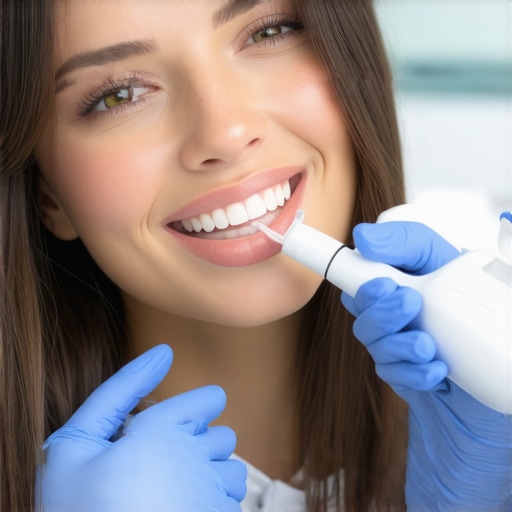
Image prompt: A modern dental hygienist demonstrating the use of an ultrasonic water flosser, with bright, clean dental equipment in a professional clinic setting. Alt: Dental hygienist showing water flosser in use. Title: High-Tech Tools for Long-Term Dental Care.
Throughout my journey with teeth whitening, family dentistry, Invisalign, and veneers, one lesson stood out above all: the importance of continuous learning and proactive care. I realized that no matter how advanced the treatment, the true key to a lasting, radiant smile is understanding your unique dental needs and staying ahead of potential issues. This mindset transformed my approach from reactive to preventive, saving me time, money, and discomfort in the long run.
Surprising Insights That Changed My Dental Routine
- Never underestimate the power of personalized care—what works for one person might not suit another, so always consult professionals for tailored advice.
- Consistency truly beats intensity—regular, gentle cleaning and maintenance outperform sporadic, aggressive efforts.
- Small repairs, like fixing a scratchy aligner edge early, can prevent larger, costly problems down the line.
Essential Tools That Elevated My Smile Maintenance
- A quality ultrasonic water flosser has become indispensable for me, especially with veneers and aligners, as it ensures thorough cleaning without damaging delicate surfaces.
- The latest intelligent toothbrushes with pressure sensors help prevent over-brushing that can harm gums or veneers, promoting healthier habits.
- Using specialized polishing pads protects smooth surfaces, keeping restorations comfortable and free from rough spots.
Your Next Step to a Bright, Healthy Smile
Invest in your dental health with the right tools and mindset. Remember, the journey to a lifelong stunning smile isn’t just about treatments—it’s about embracing daily habits that protect and enhance your investments. If you’re ready to elevate your oral care, explore innovations like smart monitoring apps or schedule a professional check-up to tailor your plan for long-term success. Your future self will thank you for the effort today.
Are you currently using any tools or routines that make your dental maintenance easier or more effective? Share your experiences below—I’d love to hear them!