
Why Your Teeth Look Longer as You Get Older
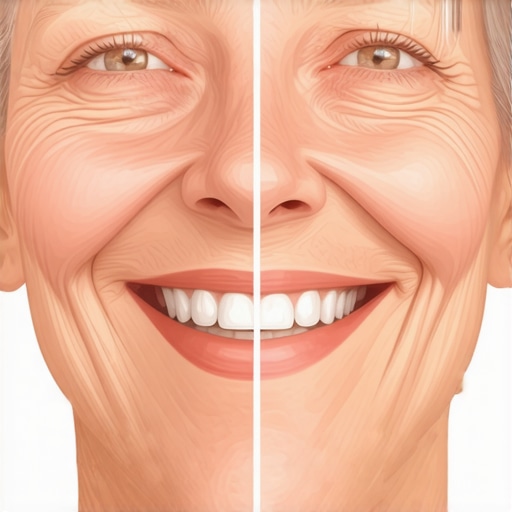
I remember one morning standing in front of the mirror, noticing my smile looked different—more stretched out, almost as if my teeth had taken on a life of their own. It was a lightbulb moment for me. Suddenly, I realized I wasn’t alone in this feeling; many people start noticing their teeth seem to elongate as they get older. That familiar concern about aging sneaks into your smile, and it can be surprisingly unsettling.
What’s Really Happening When Teeth Seem Longer Over Time
This isn’t just in your head. As we age, several natural changes in our mouths cause our teeth to appear longer. Enamel, the hard outer layer protecting our teeth, gradually wears down, especially if habits like teeth grinding or acidic diets are part of our lives. At the same time, the gums—our natural support—tend to recede, exposing more of the tooth and making it look taller or longer. Even minor shifts in the jawbone structure can contribute to this visual change.
In my own experience, I’ll admit I made a common mistake early on: ignoring gum health. I thought whitening or veneers would quickly fix the problem, but neglecting gum disease or bone loss only worsened the look over time. It’s a classic mistake many of us make—focusing on cosmetic solutions without addressing the underlying issues.
What You Can Do About It
The good news is, with the right approach, you can restore your youthful smile and prevent further changes. From simple home care routines to professional treatments, there’s a path to whiter, fuller-looking teeth. Curious about the options? I’ll walk you through effective strategies in the upcoming sections.
Before diving into solutions, I want to address a common skepticism: “Is cosmetic dentistry really necessary, or am I just overthinking this?” Honestly, I used to wonder the same. But then I realized that aging signs appear gradually, and they can subtly impact our confidence. Addressing them isn’t just about aesthetics; it’s about maintaining your oral health and ensuring your smile ages gracefully. For instance, regular cleanings and early intervention can prevent more serious issues like gum recession or bone loss, which are often overlooked until they’re advanced. Find out more about family dental care tips that help catch these changes early.
Now, with this understanding, you’re ready to discover the practical steps that can transform your smile and keep it looking vibrant for years to come.
,
Prioritize Oral Hygiene to Prevent Recession
Start with consistent brushing twice a day using a soft-bristled toothbrush to avoid gum damage. Incorporate gentle flossing to remove plaque along the gum line. Regularly replacing your toothbrush ensures effective cleaning. Remember, neglecting gum health accelerates recession, making teeth appear longer over time.
Schedule Regular Professional Cleanings
Visit your dentist every six months for professional cleanings. These cleanings remove tartar buildup that cannot be eliminated at home, preventing gum disease. During my own appointment, I noticed that professional cleaning drastically improved my gum health and made my teeth look more uniform.
Addressing Gummy Recession Naturally and With Treatments
Use Targeted Home Care
Incorporate antimicrobial rinses to reduce bacteria. Applying topical gels with vitamin C can promote gum regeneration. These small steps can support gum health and slow recession progression.
Professional Procedures That Make a Difference
Gum grafting is a common solution to cover exposed roots. During my consultation, I learned that this procedure involves taking tissue from the palate to cover the receded areas, restoring a more youthful gum line. Another option is scaling and root planing to remove infected tissues, which is especially effective when recession is caused by periodontal disease.
Consider Cosmetic Solutions for Smile Restoration
Once gum health is stabilized, cosmetic options can enhance your appearance. Veneers are thin shells bonded to the front of damaged teeth, giving a uniform look. For a more comprehensive reform, Invisalign clear aligners can straighten teeth discreetly, preventing further uneven wear or recession caused by misalignment.
I remember trying Invisalign myself; the process was straightforward, involving worn aligners that gradually shifted my teeth. It was messy at first, with some discomfort, but the results were worth it. You can explore if Invisalign suits your needs at this resource.
Maintain Results Through Lifestyle Adjustments
Limit acidic foods and beverages to reduce enamel erosion. Avoid teeth grinding by using a night guard if needed. These habits prevent further elongation and recession, preserving your investment in cosmetic improvements.
Stay Proactive with Family Dental Care
Regular dental visits are key to catching early signs of aging in your teeth and gums. Teaching your family good oral hygiene habits can prevent common issues from escalating. Explore family dental tips to ensure everyone in your household maintains their smile effectively.
When it comes to cosmetic and family dentistry, there’s a lot of mainstream advice that often oversimplifies the reality. While many patients believe that Invisalign is a quick fix, teeth whitening is a one-time solution, or veneers are an instant transformation, the truth is far more nuanced. As an expert in dental aesthetics and restorative procedures, I’ve seen firsthand how misconceptions can lead to costly mistakes or disappointment. Let’s discuss some common myths and advanced pitfalls that even seasoned patients often overlook.
Why Most People Misjudge the Longevity of Cosmetic Treatments
A prevalent myth is that teeth whitening, veneers, or Invisalign solutions are permanent and maintenance-free. However, studies show that whitening effects can fade within 6 to 24 months if patients neglect proper oral hygiene or consume staining foods and drinks. Veneers, although durable, typically last 10-15 years and may need replacements due to chipping or discoloration. Invisalign aligners require consistent patient commitment to achieve and maintain desired results over time. Underestimating the need for ongoing care and follow-up appointments is a leading cause of post-treatment dissatisfaction.
The Oops Factor: Overlooking Underlying Issues Before Cosmetic Fixes
A common mistake is jumping straight into aesthetic treatments without addressing root causes like gum recession, enamel wear, or bite misalignments. For instance, veneers can mask discoloration but won’t solve functional problems or prevent further wear. In fact, if underlying issues are ignored, they can worsen and compromise the longevity of cosmetic work. An advanced step involves comprehensive diagnostics, including 3D imaging, to evaluate bone health and gum tissue before planning any smile makeover. As advised in expert circles, combining restorative treatments with orthodontics or periodontal therapy yields the best long-term outcomes.
An Expert’s Tip: Advanced Mistakes to Avoid in Family Dentistry
Many assume that routine cleanings suffice for maintaining family dental health, but neglecting early signs of dental caries or periodontal disease can lead to serious issues down the line. Educating your family about proper brushing, flossing, and nutrition is vital. Regular check-ups should include advanced screenings, like saliva tests or imaging, especially for children at risk. Preventive measures, when correctly applied, are more cost-effective than reactive treatments later. To stay proactive, consider consulting specialists for tailored preventive strategies—an approach increasingly emphasized by professionals in the field.
Have you ever fallen into this trap? Let me know in the comments. With a clearer understanding of these advanced nuances, you can make smarter choices about your dental care, ensuring your smile remains healthy and beautiful for years to come. For personalized guidance, feel free to reach out to my practice.
Maintaining a healthy, beautiful smile over time requires more than just good habits; it hinges on investing in the right tools and techniques. As a seasoned dental professional, I’ve curated a selection of equipment and methods that have reliably helped my patients—myself included—preserve and enhance their results, whether they’ve undergone Invisalign treatments, teeth whitening, veneers, or family dentistry routines.
Why Quality Instruments Make a Difference
Firstly, I emphasize the importance of a high-quality electric toothbrush, such as the Philips Sonicare ExpertClean. Its sonic technology provides superior plaque removal, especially around gum lines prone to recession. I personally use it twice daily, appreciating how its timer and pressure sensors help prevent over-brushing—a common cause of gum irritation. Investing in a durable, antimicrobial handle further ensures hygiene and longevity, reducing the risk of bacteria buildup that can compromise your implant or veneer longevity.
Effective Tools for In-Office and Home Maintenance
For professional cleanings, I recommend scheduling with a dental hygienist equipped with ultrasonic scalers. These devices allow for efficient removal of tartar and biofilm that at-home brushes can’t tackle. During routine visits, I use handheld LED curing lights and magnification loupes to precisely assess tissue health, enabling early detection of recession or decay.
At home, I suggest a water flosser, like the Waterpik Ultra, especially if you have braces, veneers, or implants. I find it invaluable for flushing debris from hard-to-reach areas, reducing the risk of buildup that could lead to long-term complications. Additionally, I advise patients to incorporate interdental brushes designed for specific gaps, which prevent plaque accumulation without damaging delicate tissues.
Leveraging Technology for Long-Term Results
Software tools such as dental health apps—like Dental Monitoring—allow ongoing tracking of your oral hygiene habits via photos. I’ve seen this approach facilitate early intervention; for example, catching early signs of gum recession before they become critical. Future predictions indicate a rise in AI-driven diagnostics integrated with home devices, making proactive care even more accessible.
Personally, I track my progress and adherence using a custom app that prompts reminders for hygiene routines and records visual progress over months. I encourage my patients to adopt similar methods; consistency is key, especially when maintaining veneers or whitening results. Regularly scheduled virtual check-ins combined with these tools ensure you stay on top of your oral health journey.
How do I keep my smile maintained long-term?
Establishing a solid routine incorporating the right tools and routines is crucial. Regularly replacing toothbrush heads and water flosser tips, adhering to professional visits, and leveraging technological aids create a sustainable cycle of care. Don’t forget, the trend is moving toward integrated smart devices that monitor tissue health in real-time; in the future, expect to see even more personalized, data-driven approaches. Start today by trying out a premium sonic toothbrush paired with a water flosser, and commit to regular checkups—your future self will thank you for it. For tailored advice, I recommend reaching out through this contact page.
The Hardest Lesson I Learned About Smile Makeovers
One pivotal insight I gained is that cosmetic dental treatments are not one-and-done fixes; they require ongoing care and attention. Jumping into veneers or whitening without addressing underlying issues like gum recession or bite misalignment can lead to premature failures or discoloration. Patience and comprehensive planning are essential. Also, I realized early on that trusting your dentist’s personalized advice far surpasses generic beauty standards; each smile has unique needs.
The Treasure Chest of Tools That Keep Smiles Radiant
For lasting results, I rely on high-quality electric toothbrushes like the Philips Sonicare ExpertClean because of its superior plaque removal and gentle gum care. A water flosser, such as the Waterpik Ultra, becomes indispensable for thorough cleaning around veneers and orthodontics. I also use a magnification loupe during routine check-ups, which helps catch early signs of recession or decay, allowing proactive intervention. Incorporating these tools into my daily routine has dramatically enhanced my long-term smile health.
Your Smile’s Bright Future Starts Today
Embrace the journey toward a vibrant, healthy smile with confidence. Remember, the key to maintaining your Invisalign, veneers, or teeth whitening results lies in consistency, proper tools, and regular professional care. Your future self will thank you for taking actionable steps now to preserve that youthful sparkle. Don’t wait — start today, and let your smile truly reflect your best self. Curious about how to optimize your dental maintenance routine? Feel free to reach out to my team for personalized guidance.