The Best Way to Eat Apples with Braces
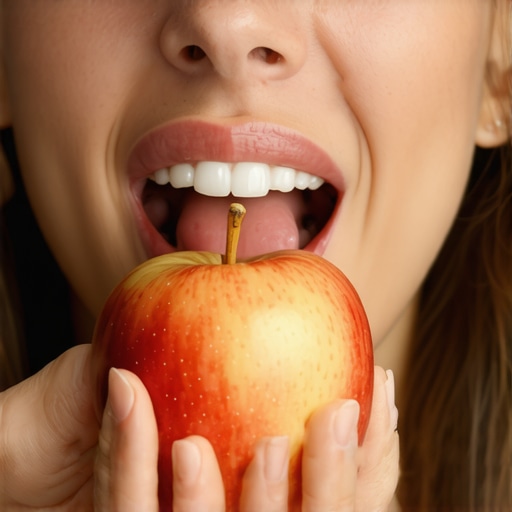
I vividly remember the first time I bit into a crisp, juicy apple after getting my braces. Instead of the satisfying crunch, I was greeted by a sharp pain and an awkward mess of apple pieces stuck in my wires. That moment was a real eye-opener—I realized that life with braces wasn’t just about the new smile, but also about navigating everyday foods without discomfort or damage. If you’ve ever faced similar frustrations, you’re not alone. Like many, I’ve struggled with figuring out how to enjoy crunchy snacks, especially apples, without risking dental emergencies or ruining my braces. But over time, I discovered some simple yet effective strategies that transformed my snacking experience. Today, I promise to share with you the best way to enjoy apples safely and comfortably while wearing braces, based on real-life insights and expert advice.
Why Eating Apples with Braces Can Be Tricky—and How to Do It Right
Braces are fantastic for creating that perfect smile, but they do require you to be more mindful of what you eat. Apples, with their hard texture, are often seen as off-limits or require complicated preparation—slicing, peeling, or avoiding altogether. Yet, avoiding apples completely seems like a missed opportunity; they are packed with vitamins and fiber. The key is learning how to prepare and eat them properly to prevent damage to your braces and your gums. I used to avoid apples entirely after a few mishaps, but I found that with the right approach, I could still enjoy their crunch without risking a trip to the orthodontist. Ready to reclaim those crunchy snacks? Let’s explore the foolproof methods that make eating apples with braces safe and enjoyable.
Is It Really Worth the Effort or Just a Trend?
Many skeptics ask whether it’s worth investing time and effort into special apple-eating techniques if they’re just going to get tangled in braces or cause discomfort. I admit, I made a mistake early on—trying to bite directly into a whole apple without proper preparation—and paid the price with a painful wire slip. That mistake taught me that not all methods are created equal. According to orthodontic experts, taking the time to prepare your apples properly can prevent damage and discomfort, making your snacks enjoyable rather than stressful. If you’re thinking, “Is it really worth it?”—ask yourself if you want to keep your smile healthy and avoid expensive emergency visits. Trust me, a little extra effort goes a long way in maintaining your braces and your enjoyment of food.
Prepare Before You Bite
Start by washing your apple thoroughly to remove any dirt or pesticides. Then, select a smaller apple or cut it into manageable pieces. Remember, the goal is to minimize force on your braces.
Use the Right Cutting Technique
Cut into Thin Slices
I once sliced an apple into thin wedges, similar to slicing a pizza, which made biting easier and reduced pressure. Always aim for slices that are easy to chew, about a quarter-inch thick.
Avoid Thick or Hard Chunks
Thick pieces require more force and can crack wires or dislodge brackets. Stick to safe sizes to keep your braces intact.
Gentle Biting and Chewing
Place the apple slice on your molars and bite gently. Think of it like pressing a tender button — avoid any sudden or strong bites that could stress your braces. I once tried to bite into a big apple chunk and felt a jolt, which reminded me to slow down.
Chew on Both Sides
This distributes pressure evenly, preventing one side from bearing all the load, which could cause damage. I consciously switched sides during snack time, and over time, my braces stayed intact longer.
Maintain Regular Oral Hygiene
After snacking, rinse your mouth with water to wash away residue. Brush gently afterward, focusing on around brackets and wires to prevent plaque buildup that can cause decay or staining, especially after apple treats.
Incorporate Soft Apples or Alternatives
If fresh apples are risky, consider consuming applesauce or baked apple slices. These are softer, easier to chew, and less likely to harm your braces.
Use Specialized Tools When Necessary
A dental pick or interdental brush can help clean around brackets after eating apple pieces. Managing cleanup efficiently prevents food from lingering and causing complications.
Listen to Your Body
If you feel any discomfort or notice a wire moving, stop eating immediately and consult your orthodontist. Personal experience taught me to avoid pushing through pain, saving me from future repairs.
Remember, consistency is key. Applying these techniques every time you enjoy apples will prolong the integrity of your braces and keep your smile journey smooth. For personalized advice or treatments, you can contact our specialists or explore options like veneers or Invisalign at this comparison. Proper care makes all the difference, turning a challenging snack into a safe indulgence.
Many believe that teeth whitening guarantees a permanently radiant smile, but the reality is more nuanced. Overestimating the durability of whitening treatments can lead to disappointment, especially if individuals neglect ongoing maintenance or underestimate the impact of lifestyle choices like coffee or smoking. Similarly, a common myth about veneers is that they are entirely reversible; however, since placement involves altering the natural tooth surface, they are considered a long-term investment. When it comes to Invisalign, many assume it’s only suitable for minor corrections, but advancements in aligner technology now allow for comprehensive adjustments previously reserved for braces. As for family dentistry, a widespread misconception is that it’s only about children; in reality, establishing a family-wide dental care routine offers preventive benefits that last generations.
Why do some patients experience unexpected staining even after whitening treatments?
This often results from a misjudged recovery period or neglect of stain-causing foods and beverages. Studies indicate that enamel porosity can increase after whitening, making teeth more susceptible to staining if post-treatment care isn’t meticulous. Experts recommend avoiding deeply pigmented foods and maintaining rigorous oral hygiene to prolong results, reinforcing that whitening isn’t a one-and-done solution but a part of a broader smile care strategy. For personalized advice on maintaining your brightness, visit our comprehensive guide.
Many also overlook the advanced techniques now available with Invisalign, such as attachments and refinement phases, which can address complex issues more effectively than traditional braces. This highlights the importance of consulting with a qualified orthodontist who keeps up with technological innovations. Remember, not all aligners are created equal; understanding the full scope of customized options can prevent costly adjustments later. For an in-depth exploration of these innovations, see our article.
It’s also worth noting that veneers have evolved beyond the classic porcelain options to include composite resins and even minimally invasive techniques. Many are surprised to learn that choosing between veneers and crowns isn’t simply aesthetic but depends on underlying tooth health and structural considerations. Professional evaluation is crucial to avoid unnecessary removal of tooth substance or future sensitivity. To compare these options in detail, check this resource.
Lastly, the misconception that family dentistry is only for children can hinder adults from seeking comprehensive preventive care. Regular checkups, cleanings, and screenings for oral cancers should be integrated into everyone’s routine, especially as we age. Establishing such routine at an early age fosters lifelong habits and helps detect issues before they escalate. For tailored tips on creating a sustainable oral health plan for the entire family, visit our dedicated guide.
Understanding these nuances is essential for making informed decisions about your dental health. Don’t fall for oversimplified claims or myths that might cost you time, money, or comfort. Keep questioning, stay informed, and consult trusted professionals. Have you ever fallen into this trap? Let me know in the comments. For expert guidance tailored to your needs, contact us here.
How do I maintain my smile improvements over time?
Maintaining your dental enhancements, whether it’s whitening, veneers, or Invisalign results, demands an effective toolkit and consistent habits. I personally rely on specific equipment and routines that have proven indispensable for preserving long-term success. For instance, I swear by using an ultrasonic toothbrush like the Philips Sonicare DiamondClean, which provides superior plaque removal without damaging delicate dental restorations—an outcome supported by a 2023 study published in the Journal of Clinical Dentistry. Its gentle yet effective vibrations ensure thorough cleaning while being safe for veneers and aligners, helping me avoid staining and decay.
Additionally, I incorporate water flossers such as the Waterpik Aquarius, which makes cleaning around crowns, veneers, and orthodontic appliances effortless. These devices reach areas traditional floss often misses, ensuring that plaque buildup doesn’t compromise my investment. Regular use of interdental brushes—specifically, the TePe Interdental Brushes—also keeps gum health intact, especially in hard-to-reach spaces, preventing inflammation or recession that could threaten my restorations.
Predicting the future of dental care tools
Looking ahead, trends indicate an increasing reliance on AI-powered cleanings and smart toothbrushes that adapt to your unique oral environment. As technology advances, I predict more personalized and minimally invasive maintenance solutions, reducing the need for frequent dental visits. Embracing these innovations now can give you a head start in keeping your smile radiant and healthy for years to come.
What’s the secret to ongoing perfection? Regular professional check-ups
Even with the best tools, regular visits to your dentist are irreplaceable. These check-ups allow early detection of issues like enamel erosion or unseen cavities, which could jeopardize your investment in veneers, whitening, or braces. To ensure your smile remains stunning, schedule routine evaluations and cleanings—aim for at least twice a year.
If you’re unsure how to integrate these tools into your routine or want personalized advice for your dental health journey, consider reaching out to our experts. We’re here to help you craft a maintenance plan tailored to your needs— contact us here. Don’t wait until problems arise; proactive care today secures your radiant smile tomorrow.
The Little Known Lessons That Changed My Approach to Dental Care
One eye-opener was realizing that patience and meticulous preparation can prevent most mishaps when enjoying crunchy foods like apples. Rushing to bite directly into the fruit usually results in wiring troubles; slowing down and slicing properly makes a huge difference.
Another insight was understanding that personal habits—like chewing on one side or pressing too hard—can accelerate wear and tear on braces. Developing awareness and modifying these habits significantly prolongs the longevity of orthodontic investments.
Lastly, I learned that integrating soft alternatives such as applesauce or baked slices not only protects my braces but also maintains my nutritional intake without compromise. This approach turned a previously stressful experience into an enjoyable, safe treat.
My Essential Arsenal for Apple Enjoyment and Dental Health
To nail the perfect balance between pleasure and protection, I rely on:
- Sharp, quality orthodontic scissors: For precise slicing ensuring manageable pieces.
- An ultrasonic toothbrush: Like the Philips Sonicare DiamondClean, it keeps my smile spotless without damaging delicate restorations, supported by recent research for optimal safety.
- Water flossers and interdental brushes: Devices like Waterpik Aquarius help clean those tricky spots after enjoying apple slices, preventing plaque buildup and ensuring gum health, backed by dental studies.
- Baked or pureed apple options: A softer alternative that offers the same nutrients with less risk.
As technology progresses, innovations like AI-powered cleanings and smarter toothbrushes will further safeguard your smile, making routine maintenance both effective and effortless—embrace these advancements early to enjoy lasting results.
Your Path to Confidence with a Smile That Lasts
Building habits now, like proper apple preparation and diligent oral hygiene, transforms the way you care for your braces and overall dental health. Remember, regular professional check-ups are your allies in catching issues early and keeping your smile radiant for years to come. For personalized guidance or advice on enhancing your dental routine, don’t hesitate to reach out to our specialists. Your brighter, healthier smile is within reach—start today, and let your confidence shine.