How to stop your Invisalign trays from making you gag
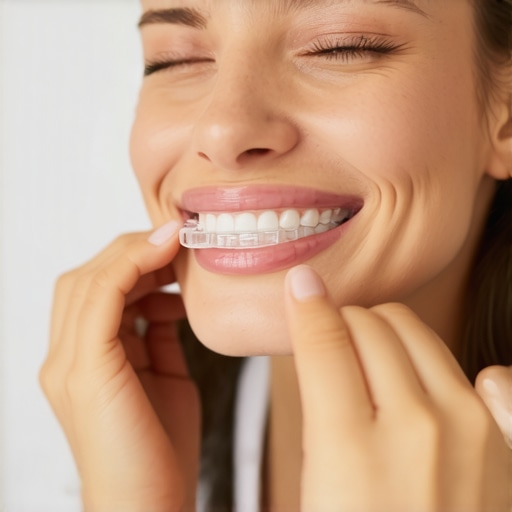
There was a moment during my Invisalign treatment that I’ll never forget—trying to take out my trays before a meeting, only to gag so fiercely I hoped no one noticed. It was embarrassing, frustrating, and honestly, made me question if I was cut out for clear aligners. That lightbulb moment sparked a journey to discover how to make this process easier, less stressful, and most importantly, gag-proof.
Why Your Invisalign Trays Are Making You Gag—And Why It Matters
Many Invisalign wearers, myself included, struggle with that uncomfortable gag reflex when removing or inserting trays. It’s a common complaint, and for good reason—your trays sit snugly over sensitive areas, triggering that primal instinct to gag. But why does this happen? The gag reflex is a protective response, and it’s particularly sensitive when it comes to the back of the mouth. If you find yourself gagging every time you remove your Invisalign, you’re not alone, and there are proven ways to minimize the discomfort.
Understanding the mechanics helps, but what’s more important is taking targeted action. I’ve tried countless tips—some worked, some didn’t—and today, I want to share the ones that genuinely helped me. Whether you’re just starting treatment or midway through, the goal is to make your Invisalign journey smoother. Ready to stop gagging and start smiling confidently? Stay with me, because the solutions are simpler than you think.
Does Everyone Really Gag When Removing Invisalign? Here’s the Real Deal
Honestly, I once believed gagging was just part of the Invisalign experience—something I had to accept. But I quickly learned that was a mistake. Early in my treatment, I made the mistake of removing my trays too quickly, which only heightened the gag reflex. Slow, deliberate movements are key, and I’ll explain why. According to dental experts, being mindful and gentle can significantly reduce gagging by calming your body’s natural defense mechanisms. So if you’ve ever wondered, “Is this normal?” the answer is yes—many people have this issue. The good news? It’s entirely possible to get past it with some simple adjustments.
Now that we’ve understood why this happens, let’s dive into some practical tips to eliminate that gag reflex once and for all. But first, if this sounds familiar and you’re tired of discomfort sabotaging your progress, you’re in the right place. We’ll explore each strategy step by step, making your Invisalign experience not just bearable but downright comfortable. And if you’re curious about other dental tips, check out family dentistry tips to keep your whole family’s smile healthy. Let’s get started!
Slow and Steady Wins the Race
Whenever I felt anxious about removing my trays, I reminded myself to go slow. One morning, I deliberately paused halfway through pulling my tray, feeling the slight resistance and taking a few deep breaths. This pause minimized the sudden triggering of my gag reflex, and I managed to remove the tray without gagging. The key is to grip the tray firmly but gently, avoiding sudden jerks. Think of it like unscrewing a stubborn lid—you give it gentle, consistent pressure rather than yanking violently.
Use Your Fingers, Not Your Nails
Initially, I tried prying the trays with my nails, which made the process uncomfortable and increased sensitivity. Switching to using the pads of my fingers provided better tactile control. Place your index fingers on the bottom edge of the tray—just inside the gum line—and slowly work your way around, loosening the tray evenly. This technique reduces the risk of sudden movements that can trigger gagging.
Lean Into Your Comfort Zone
When I first tried removing my tray, I was standing in front of the mirror, trying to hurry. I learned that leaning slightly forward and tilting my head down reduced the tongue’s interference, making tray removal smoother. Imagine trying to remove a tight-fitting hat; a slight tilt can give you more access and less discomfort. Find a position that allows you to see clearly but also relaxes your tongue and cheeks.
Apply Gentle Pressure, Not Force
I made the mistake of pushing too hard, which enhanced gag sensitivity. Instead, gently press your thumbs on the front of the tray to pull it downward, while your fingers support the bottom. If you feel resistance, pause, breathe, and try again. Remember, patience beats force, especially with something snugly fitted over sensitive areas.
Practice with Your Mind and Body
One day, I set aside time just to practice removal, even if I wasn’t wearing my trays. Visualizing the process helped calm my nerves, and I gradually conditioned my body to relax during the task. Think of it like practicing a speech in your head—familiarity breeds confidence and reduces emotional reactions like gagging. Over time, this mental rehearsal decreased my overall gag reflex, making removal much easier.
Use Distraction Techniques
Distracting your mind during removal can also help. I found that gently humming or focusing on a mental image diverted attention from the sensitive areas. For example, counting backward from 100 or recalling a favorite song kept my focus away from the gag reflex trigger zones, allowing me to remove the trays smoothly and comfortably.
Opt for a Moist Environment
Dry mouth can amplify gag reflex sensitivity. Before removal, I drank a small sip of water and patted my lips dry gently. A moist environment reduces friction and discomfort, making it easier to slide the tray out. Think of it like lubricating a door hinge—less resistance means less strain on your reflexes.
Experiment with Timing
Removing trays when you’re relaxed and not rushed makes a big difference. I noticed I gagged less when I removed my trays after meals or right before bed, times when I was more relaxed. Establishing a consistent routine helps your body associate tray removal with calmness, gradually reducing gag sensitivity over time.
Remember, persistence is key. It took me several tries and adjustments to find what worked best. If you want more personalized tips on managing Invisalign discomfort, visit this guide for handling new tray discomfort and refining your removal technique without stress.
Many patients believe they fully understand Invisalign, teeth whitening, family dentistry, and veneers, but there are nuanced pitfalls and misconceptions that can undermine your results. First, a common myth is that teeth whitening is universally safe and instant—**but over-the-counter options can cause enamel erosion if misused**. Expert-led studies, such as those published in the Journal of Dentistry, warn against prolonged or frequent use of harsh bleaching agents, emphasizing the importance of professional supervision.
Similarly, a widespread misunderstanding in family dentistry is assuming that all dental visits are equally beneficial. In reality, **ignoring the need for tailored preventive care for children versus adults can lead to overlooked cavities or misaligned bites**. Consult experienced practitioners by exploring trusted resources like the ultimate guide to family dental tips, ensuring your family’s oral health is optimized.
When it comes to veneers, many presume they are a one-size-fits-all cosmetic fix. However, the nuance lies in choosing between veneers and crowns based on tooth structure and aesthetic goals. Experts highlight that **incorrect application can lead to uneven wear or unnecessary loss of tooth enamel**. For in-depth comparisons, check out articles discussing veneers versus crowns, and avoid the trap of rushing into an irreversible procedure without comprehensive consultation.
What about Invisalign? A common mistake is believing that aligners are suitable for every misalignment. In fact, **severe cases may require alternative orthodontic solutions**, and relying solely on traditional aligners without expert assessment can prolong treatment or cause unintended dental issues**. The latest advancements in Invisalign technology have improved outcomes, but only when customized by experienced orthodontists. To understand the latest in invisible braces, explore Invisalign innovation articles.
By recognizing these hidden nuances, you can make smarter decisions and avoid costly setbacks. Remember, your smile deserves not just care but understanding. Have you ever fallen into this trap? Let me know in the comments, and if you’re considering any cosmetic or orthodontic treatment, don’t hesitate to contact us for personalized guidance.
Maintaining Your Smile with the Right Tools and Methods
Achieving a perfect smile is just the beginning; keeping it radiant over the years requires the right tools and consistent routines. From Invisalign trays to whitening products, selecting quality equipment and adopting effective practices ensure your dental results stand the test of time. I personally rely on a combination of professional-grade tools and scientifically-backed methods to maintain my teeth’s health and appearance, and I recommend you do the same to avoid setbacks or regressions.
One of my go-to tools is the Ultradent UltraSonic Scaler. It’s a professional ultrasonic toothbrush attachment I use weekly to remove plaque-resistant buildup without damaging enamel. Unlike standard brushes, this device emits high-frequency vibrations that dislodge stubborn deposits, making cleaning more thorough and efficient, especially around veneers or areas prone to tartar accumulation. Using such a device from a reputable dental supplier like Smile Gum Care has been a game-changer in my routine.
In addition, a high-quality dual-action whitening gel has allowed me to touch up my smile at home without overusing harsh products that can erode enamel. I stick to gels that contain carbamide peroxide at concentrations recommended by dental professionals—generally under 16%. Regular spot treatments prevent yellowing and help maintain that sparkling effect long after professional whitening sessions. For insights on the latest whitening options, check out this comprehensive guide.
Proper flossing and interdental cleaning are vital, especially for those with veneers or braces. I use floss with a stiff-end threader to navigate tight spaces and remove plaque effectively. Complementing this, I employ water flossers like the Waterpik, which gently irrigate bacteria and debris from difficult areas, promoting healthier gums and preventing recession. Many underestimate the importance of such devices; they’re excellent for long-term maintenance.
Beyond tools, consistent professional check-ups are irreplaceable. Scheduling routine family dentistry visits ensures early detection of issues and keeps your oral health on track. For tips tailored for every family member, I’ve found this resource invaluable.
How do I keep my dental work in top shape over time?
Adopting a meticulous daily routine combined with professional oversight makes all the difference. Incorporate gentle, yet effective, cleaning tools like soft-bristled brushes or electric toothbrushes with oscillating heads for optimal plaque removal without damaging sensitive areas. Also, schedule biannual check-ups to fine-tune your maintenance regimen and catch potential problems early. Remember, patience and consistency are your best allies in preserving your smile’s beauty and health.
Looking ahead, emerging innovations like AI-powered dental scanners and customized at-home whitening kits promise even better maintenance solutions. Staying informed about these advances can help you select the most effective methods. For a sneak peek into the future of Invisalign technology, explore the latest innovations.
If you’re ready to upgrade your maintenance routine, I suggest trying precision tools like the ultrasonic scaler I mentioned. Combining professional-grade equipment with consistent habits ensures your investment in your smile yields long-term, beautiful results. For personalized advice, don’t hesitate to reach out to us.
What No One Tells You About Gagging and How I Overcame It
During my Invisalign journey, I faced the unexpected hurdle of gagging every time I tried to remove my trays. It was baffling and discouraging, but that experience ignited a deeper understanding of my body’s responses. The biggest lesson? Patience and gentle techniques are game-changers. I learned to remove trays slowly, avoid rushing through the process, and stay relaxed—these small changes made a profound difference. Recognizing my triggers and adjusting my approach turned a frustrating ordeal into a manageable routine, empowering me to smile confidently with fewer discomforts.
Curated Tools That Elevate Your Invisalign Routine
Over years of experimenting, I’ve found that certain tools truly streamline Invisalign care. An ultrasonic scaler, for instance, helps keep my aligners spotless without harsh chemicals, ensuring clarity and hygiene. Pairing this with a high-quality whitening gel—preferably recommended by dental professionals—keeps my smile bright without risking enamel damage. Additionally, using interdental brushes and water flossers maintains gum health amidst regular aligner use. These tools have become indispensable in my routine, making maintenance less of a chore and more of a joy. For trusted sources, always select equipment that’s recommended or approved by dental experts.
Embrace Small Wins for a Life-Changing Smile
Transforming your dental health isn’t solely about big procedures; it’s about celebrating consistent, small victories every day. From mastering gentle tray removal to adopting a meticulous cleaning routine, each step contributes significantly to your long-term results. I encourage you to look beyond the immediate—think of these habits as investments in confidence and well-being. Remember, the journey to a perfect smile is a marathon, not a sprint. Keep your eyes on the goal, and don’t forget to enjoy the process. Your future self will thank you for the care and patience you put in today. If you’re curious about enhancing your overall dental health, check out the family dentistry tips to create a balanced routine for everyone in your home.
What Unexpected Lessons Did Your Invisalign Journey Reveal?
Have you encountered surprises along your orthodontic path? Often, the biggest insights come from our own trial and error—like discovering that removing trays slowly and practicing visualization techniques can drastically reduce gagging. I’ve learned that listening to your body, rather than fighting against it, yields the best results. Sharing these personal lessons can help others avoid frustration and accelerate their progress. So, what unique challenges or breakthroughs have you experienced with Invisalign or other dental treatments? Drop your stories below—I’d love to hear how you’re turning hurdles into stepping stones.