
The real reason your breath smells bad even after brushing and flossing
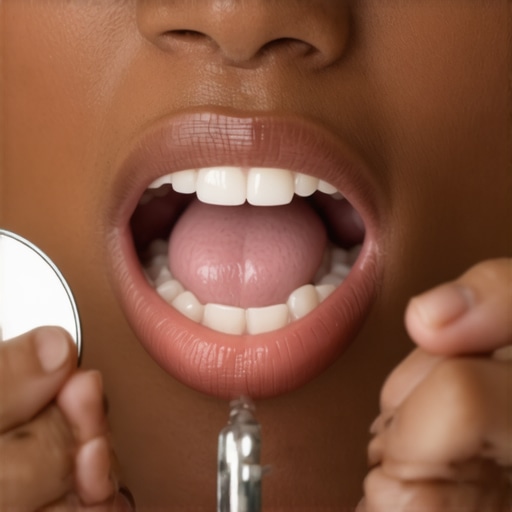
I vividly remember the moment I realized that my breath was still unpleasant, even after following my dentist’s advice to brush and floss diligently. It was embarrassing, frustrating, and honestly, a little embarrassing to admit that my morning routine wasn’t cutting it. I would brush, floss, rinse — the usual routine — but still wake up to that stubborn, foul odor that just wouldn’t go away. That lightbulb moment made me curious: why does my breath still smell bad despite my best efforts? If this sounds familiar, you’re not alone. Many people struggle with persistent bad breath, and it isn’t always caused by the usual suspects like food or poor hygiene. So, today, I want to share what I discovered and how understanding the true cause made all the difference.
Why Your Breath Keeps Smelling Bad Even After Brushing and Flossing
The common assumption is that bad breath is simply a matter of not brushing well enough or skipping flossing. But the truth is, there are underlying issues that many of us overlook. One surprising culprit is the bacteria hiding deep within your tongue’s crevices or your gum pockets, which aren’t always reached by brushing alone. Early on, I made the mistake of only focusing on my teeth and ignoring my tongue. That mistake alone kept my breath foul despite perfect brushing. It’s like trying to mop a floor without cleaning the dust off the furniture — you’re just missing the root cause. According to a study published in the Journal of Periodontology, a significant source of bad breath originates from the tongue and periodontal pockets where bacteria flourish. Knowing this shifted my approach from a routine to a comprehensive oral health plan, including tongue scraping and targeted cleaning.
Is Fresh Breath Too Good to Be True?
One thing I initially believed was that harsh mouthwashes could fix everything. I fell for the hype, thinking a quick rinse was enough. Turns out, overusing mouthwash can even worsen the problem by killing beneficial bacteria and disrupting your oral microbiome. Early on, I missed this crucial detail and thought my breath issues were solved when, in fact, they weren’t. This mistake made me realize that effective oral hygiene is about balance and consistency rather than relying on quick fixes. Want to know more about proven strategies for a truly fresh smile? Check out top teeth whitening strategies that go beyond superficial solutions. So, what’s the real game-changer? Let’s dive into the practical steps that helped me finally conquer my persistent bad breath and, more importantly, maintain it long-term.
Master Your Daily Oral Hygiene Routine
The foundation of a bright smile starts with consistency. In my own experience, I transitioned from just brushing to adopting a comprehensive routine that included tongue scraping and targeted flossing. I began by setting a fixed schedule every morning and night, ensuring I spent enough time cleaning all surfaces of my teeth. Using a soft-bristled toothbrush, I replaced my toothbrush every three months to prevent bacteria buildup. Incorporate an antibacterial mouthwash cautiously; overuse can unsettle your oral microbiome. Think of your oral care like maintaining a garden—regular pruning and cleaning keep pests away effectively.
Target Stubborn Stains with Proven Whitening Techniques
To address discoloration, I explored various whitening options. Professional in-office treatments are like a power wash for your teeth—fast and effective but pricier. Home whitening kits provide gradual results, comparable to a gentle scrub that you control over time. When I tried whitening strips, I was careful to follow instructions precisely, avoiding overly sensitive reactions. For a more natural approach, I also adjusted my diet, reducing stain-causing foods like coffee and red wine. For deeper stains, veneers can be a game-changer, providing an immediate transformation, akin to swapping out stained glass for a clear, lustrous window. If you’re curious about your options, check out this comprehensive guide.
Align Your Teeth Discreetly
Choose Invisible Solutions for a Perfect Smile
When I decided to straighten my teeth, I opted for Invisalign, the clear aligners that discreetly shift your teeth over time. It’s like wearing a transparent, custom-made mouthguard that gently nudges teeth into position. I started with a consultation to assess my needs; the orthodontist created a digital map of my teeth. Then, I received a series of aligners, each slightly different, to wear for about two weeks before switching to the next. This approach is less invasive than traditional braces and allows for easier maintenance and removal for eating and cleaning. If you’re considering invisible braces, understanding the latest in Invisalign innovations can help you decide.
Ensure Proper Wear and Care
I learned that consistent wear—around 20 to 22 hours daily—is crucial for results. Making it a part of my routine, like brushing my teeth, and cleaning my aligners with a soft toothbrush kept them clear and odorless. Remember, neglecting these steps can delay progress or cause discomfort. Just as a delicate plant needs regular watering, your aligners require proper handling to ensure they function perfectly. If discomfort arises, adjusting your tray fit or consulting your dentist can prevent long-term issues.
Integrate Family Dentistry Norms for Long-Term Success
Maintaining a healthy smile isn’t just about individual efforts; family dentistry plays a pivotal role. Regular checkups help catch issues early—like scheduling tune-ups for a car—preventing minor problems from becoming major repairs. I established routines for my kids, emphasizing brushing, flossing, and limiting sugary snacks. Family dentists can also recommend specialized tools or treatments tailored to different ages. For example, using fluoride varnish reduces cavity risk in children. Building a culture of oral health at home ensures everyone keeps their smile at its best and makes upcoming dental visits less intimidating. Learn more about building lasting habits in family dentistry insights.
Address Specific Concerns with Expert Techniques
From handling sensitive teeth to addressing misalignments, precise techniques make all the difference. I faced a chipped tooth after an accidental bump; my dentist used a composite resin, akin to patching a crack in a windshield, to restore it seamlessly. For more complex issues like crooked teeth, veneers serve as a quick facelift—adding new, uniform facades that enhance your smile’s aesthetics. Moreover, aligning your teeth with veneers vs. crowns depends on the extent of correction needed. Learning the nuances—from veneers versus crowns—empowers you to choose the right path. Regularly scheduled checkups ensure these restorations last longer and perform better.
Customize Maintenance to Your Lifestyle
Ensuring longevity involves personalized routines. For instance, I adjusted my diet to include teeth-friendly foods like crunchy vegetables and cheese, which act like natural toothbrushes and protect enamel. Using tools like interdental brushes helped clean hard-to-reach spots. I also scheduled routine professional cleanings to remove stubborn tartar, similar to deep cleaning a carpet. Staying vigilant about signs of wear or damage, like chips or discoloration, allows for prompt interventions. This proactive approach keeps my smile vibrant and healthy for years.
While many assume that teeth whitening, Invisalign, family dentistry, and veneers are straightforward solutions for a healthier, more beautiful smile, the reality is often more nuanced. Myth busting can save you from costly mistakes and unmet expectations. For instance, a common misconception is that whitening strips are suitable for everyone. In reality, those with sensitive enamel might actually cause damage, leading to increased sensitivity or even enamel erosion. A study published in the 2025 Teeth Whitening Guide highlights that over-the-counter products may offer limited results or risk compromising dental health if misused. Recognizing these nuances allows for smarter choices, such as professional whitening options tailored to your enamel’s unique characteristics.
Why Popular Beliefs about Invisalign Can Backfire
Many think that invisibly straightening teeth means you can be lax with wear time, but this is a dangerous misconception. In fact, inconsistent use dramatically reduces treatment efficacy and can extend the duration or compromise final results. Are your aligners fitting snugly and worn for the prescribed 20-22 hours daily? This detail is often overlooked, leading to prolonged treatment or relapse. According to Invisalign experts, strict adherence is critical for predictable, optimal outcomes. Ignoring this nuance can result in frustration and increased costs, so understanding the importance of compliance is a vital step to a perfect smile.
Advanced Question: Can You Forward-Plan for Future Revisions in Veneer Cases?
Many assume veneers are a one-and-done approach, but experts note that future changes in dental structure, aging, or wear can necessitate adjustments or replacements. Is your cosmetic plan flexible enough to account for these potential shifts? Consulting with an experienced cosmetic dentist, and planning with durability and adjustability in mind, is essential. The Veneers Made Simple guide emphasizes that understanding these long-term dynamics can prevent future disappointment. By acknowledging that even veneers have a lifespan and potential for future refinement, you can set realistic expectations and maintain your radiant smile over time.
Lastly, in family dentistry, misconceptions about regular checkups being optional can prove costly. Far from simple cleanings, these visits are diagnostic checkpoints to identify issues before they escalate—saving you money and discomfort later. Many overlook the importance of proactive care, assuming that brushing and flossing alone are enough. However, expert insights from family dentistry standards reveal that comprehensive care involves tailored preventive strategies for every age. Don’t fall into the trap of reactive dentistry; prioritize understanding these subtleties for lifelong oral health.
Have you ever fallen into this trap? Let me know in the comments.
Keep Your Smile Shining: The Tools I Trust
Achieving a beautiful, healthy smile is just the beginning; maintaining it over time requires the right tools and consistent care. After years of personal experimentation and consulting with dental professionals, I’ve identified specific equipment that truly makes a difference. For example, I swear by an ultrasonic water flosser like the Waterpik Ultra, because it effectively reaches deep between teeth and along the gumline, reducing plaque buildup better than traditional flossing methods. Its pulsating water pressure disrupts biofilm with minimal effort, making daily maintenance easier, especially for those with braces or implants.
When it comes to whitening, I rely on professional-grade LED whitening trays paired with custom-molded silicone molds, which my dentist provides. Unlike store-bought strips, these allow for targeted, even application of whitening gel, leading to more consistent long-term results. Pairing this with a high-quality desensitizing paste like Sensodyne ProNamel ensures my enamel stays protected during ongoing whitening efforts. Continuing research, such as the 2025 teeth whitening guide, confirms that personalized maintenance routines leveraging these tools optimize longevity.
For aligners, I recommend using a dedicated Invisalign cleaning system—that’s a soft brush and specialized cleaning crystals—since they effectively remove buildup without degrading the material. Regular cleaning prevents odors and discoloration, which can otherwise compromise treatment and appearance.
How do I maintain my dental enhancements over time?
To keep veneers and crowns pristine, I use a combination of interdental brushes, like the TePe Interdental Cleaners, and gentle non-abrasive toothpaste. These tools allow me to reach tricky areas around the restorations, preventing plaque accumulation and making my investment last longer. Moreover, I schedule semi-annual professional cleanings where my dentist uses instruments like ultrasonic scalers to remove tartar that can’t be controlled at home. As noted in the top whitening strategies, consistent maintenance is key for preserving cosmetic results.
For long-term success, I also track my oral health with a smart toothbrush like the Philips Sonicare DiamondClean Smart, which logs my brushing habits via an app. This allows me to identify and improve weak spots in my routine—making sure I stay on top of my game. Looking ahead, I predict that innovations like AI-powered diagnostic tools and personalized treatment plans will become standard, further simplifying and enhancing maintenance routines.
If you’re serious about sustaining your dental achievements, I urge you to incorporate targeted tools like high-quality flossers, custom whitening trays, and smart brushes into your routine. Not only do these devices improve effectiveness, but they also motivate consistent care. Want to take your dental maintenance to the next level? Try combining a Waterpik with a smart brushing system today and experience the difference firsthand. Remember, investing in the right tools is investing in a lifetime of confidence and radiant smiles.
,
Lessons I Wish I Learned About Oral Care Early On
- One of the biggest hurdles was believing that quick fixes like mouthwash alone could solve persistent bad breath. real progress came when I understood that balancing my oral microbiome required more nuanced routines.
- Relying solely on traditional brushing, I overlooked the importance of tongue scraping and periodontal health, which are crucial for fresher breath and healthier gums. realizing this shifted my entire approach.
- I used to think veneers were a permanent, unchangeable fix, but understanding the need for future adjustments helped me set realistic expectations and maintain my smile’s beauty over time.
- It was a revelation to learn that overusing whitening products could lead to enamel erosion, emphasizing the importance of professional guidance and gradual improvement instead of aggressive treatments.
Tools and Resources That Elevated My Smile Journey
- Waterpik Ultra Ultrasonic Water Flosser: This device transformed my daily cleaning routine by gently and effectively removing plaque and debris from hard-to-reach areas, especially around braces and implants.
- Custom LED Teeth Whitening Trays: My dentist provided these tailored trays, which allowed me to evenly whiten my teeth while protecting my enamel — a far superior choice over over-the-counter strips.
- Philips Sonicare DiamondClean Smart: Utilizing smart technology, this toothbrush helped me identify weak spots in my brushing habits and improve my routine consistently.
- Invisalign Cleaning System: Regular use of this specialized cleaner kept my aligners odor-free and clear, ensuring my treatment stayed on track without discomfort or embarrassment.
Your Next Step to a Radiant Future
Achieving and maintaining a stunning smile isn’t simply about one-time treatments but about ongoing commitment and smart choices. Remember, the insights and tools discussed here are within your reach, and small daily actions can lead to remarkable long-term results. Embrace the journey with confidence, knowing that every step you take today lays the foundation for a future filled with radiant smiles and renewed self-assurance. Your dream smile is just a decision away—start now, and don’t look back. Want to share your experiences or ask specific questions? Drop a comment below and let’s keep the conversation going.