
How to fix a sharp edge on your tooth until you can reach the clinic
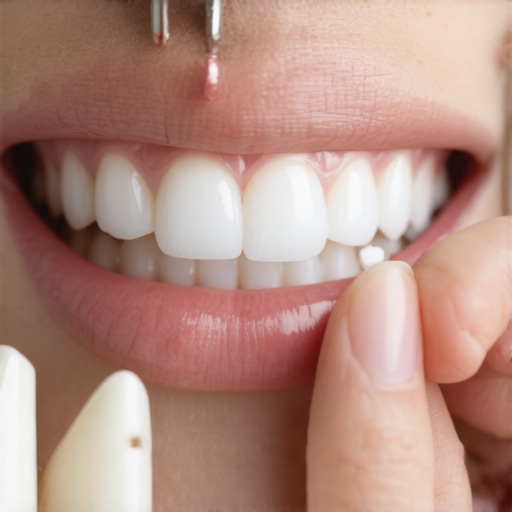
Have you ever felt a sudden, sharp stabbing sensation when you bite into your favorite apple or even just brush your teeth? That jarring edge on your tooth can be more than just annoying—it can be downright painful and risky, especially if you’re rushing to make it through the day before your dental appointment. I remember the first time I experienced this; I was at a dinner party, smiling confidently, only to wince when I accidentally caught my tongue on a tiny, jagged edge. Talk about a wake-up call! It was then I realized how crucial it is to be prepared for those unexpected moments.
Why You Can’t Afford to Ignore a Sharp Tooth Edge
That painful edge isn’t just an inconvenience—it’s a sign that something’s not right. A chipped or broken tooth can scratch your tongue, irritate your gums, or worse, lead to infection if bacteria lodge into tiny cracks. Plus, a sharp edge can cause your toothbrush or floss to catch and worsen the damage. When I faced this dilemma, I quickly learned that knowing how to temporarily fix or smooth out that edge could save me from a costly emergency and keep discomfort at bay until I can see my dentist.
Research shows that avoiding immediate care for chipped teeth can increase the risk of complications like decay or further breakage (source: American Dental Association). So, what can you do in those tense moments when your tooth feels like a tiny saw on your tongue? That’s exactly what I’ll guide you through — with tips based on personal experience and proven methods—so you’re not caught off guard next time your smile takes an unexpected hit.
Is DIY Fixing a Sharp Tooth Edge Really Safe?
Early on, I must admit, I made the mistake of trying to fix the issue with household superglue. It seemed quick and easy, but trust me, it’s a terrible idea. Not only does it pose health risks, but it also complicates professional repair. Instead, I learned safer, temporary methods to soften that sharpness until I get professional help. Read on, and I’ll share the tricks that actually work—no harmful chemicals involved—and how to know when it’s time to see your dentist for a proper fix.
,
Safely Smoothing the Sharp Edge
First, thoroughly clean your mouth with warm water to remove any debris around the chipped area. Use a clean, damp cloth or gauze to gently apply pressure on the snagged tooth to reduce bleeding or discomfort. Avoid using household glues or sharp objects to fix the tooth yourself; instead, use an over-the-counter dental wax or orthodontic relief wax to cover the sharp edge. Take a small piece of wax, soften it slightly with your fingers, and carefully mold it over the jagged edge to prevent further irritation or injury. I vividly remember accidentally catching my tongue on a freshly chipped canine, and the wax tempers the sharpness instantly, making it more comfortable until a professional visit.
Temporary Measures to Reduce Discomfort
Applying Dental Wax or Relief Paste
Dental wax acts as a protective barrier, akin to soft padding around a rough corner. After cleaning, flatten a small piece and press it onto the tooth, ensuring it covers any sharp points. This prevents tongue and cheek injuries and eases biting pain. Relief pastes, available at pharmacies, can have a similar effect. Always carry some in your first aid kit for dental mishaps that happen unexpectedly during outdoor activities or late at night. Remember, these are just temporary steps; visiting your dentist promptly is critical.
Managing Pain and Swelling
To alleviate pain, rinse with an anesthetic mouthwash or apply a cold compress externally on your cheek for 10-15 minutes. Cold dampens nerve signals and reduces inflammation. If swelling persists, over-the-counter pain relievers like ibuprofen can be effective, but consult your healthcare provider if uncertain. During one evening adventure, I accidentally chipped a molar while eating nuts. After applying ice and covering the edge with relief wax, I managed the discomfort until I could schedule a dental appointment—highlighting the importance of preparing such supplies beforehand.
When to Seek Professional Dental Care
If the chip is large, causes persistent pain, or affects your bite, don’t delay in seeing a dentist. A professional will evaluate whether you need bonding, veneers, or other restorative options. For minor chips, cosmetic fixes like veneers or bonding can restore your smile quickly, but only a dentist can assess the full extent of damage and suggest appropriate treatment. If you’re considering options, explore detailed guides on veneers or Invisalign for orthodontic corrections.
In Summary
Immediate steps like cleaning, applying dental wax, and managing pain are crucial. Always remember that these are temporary solutions; visiting your dentist is the best course for permanent healing. For comprehensive advice and advanced treatments, schedule an appointment through our contact page. Keeping a basic dental emergency kit at home or in your bag can make these quick fixes simple and effective, ensuring you’re prepared for life’s unexpected dental surprises.
Many individuals approach teeth whitening, veneers, Invisalign, and family dentistry with simplified beliefs, but actual dental aesthetics and health involve much more nuanced understanding. For example, a common misconception is that teeth whitening results are permanent; in reality, factors like diet, habits, and enamel sensitivity influence longevity, as detailed in top whitening strategies. Moreover, the myth that veneers are only for cosmetic purposes ignores their potential impact on tooth structure and health if improperly applied — professional consultation and careful planning are essential. Though many trust over-the-counter whitening kits, they often overlook the risk of enamel erosion, especially if used excessively, which is where professionals’ guidance becomes invaluable.
What’s the difference between veneers and crowns, and when should I choose one over the other?
The distinction is subtle but critical for advanced dental needs. Veneers mainly cover the front surface and are ideal for aesthetic corrections without significant tooth alteration, whereas crowns encase the entire tooth structure, providing strength and repair for more extensive damage, as explained in veneers vs crowns. An often-overlooked aspect is the importance of assessing smile harmony in context with facial features and gum health — a comprehensive dental examination can reveal underlying issues that superficial treatments might miss. For instance, improper positioning of Invisalign clear aligners can cause unintended bite changes if not monitored closely, so regular check-ups are crucial, as discussed in Invisalign secrets. Misjudging treatment scope can lead to advanced mistakes; for example, trying DIY whitening or veneer placement without professional oversight can cause irreversible enamel damage and sensitivity, emphasizing the need for expert guidance. Regular consultation with your family dentist ensures holistic health and aesthetic goals are aligned, fostering both immediate results and long-term oral wellness. Want to dive deeper? Reach out at our contact page and avoid falling into common pitfalls. Remember, understanding the detailed nuances enhances your decision-making and preserves your natural smile’s health and beauty.
Maintaining a radiant smile over years requires more than just good brushing habits. It involves strategic use of specialized tools and consistent routines that support the health of your teeth and gums. Personally, I rely on high-quality electric toothbrushes like the Oral-B Genius X, which features AI technology to optimize brushing patterns. This device tracks your brushing habits via Bluetooth and provides real-time feedback, ensuring you clean all areas effectively—something manual brushes can’t match. Over the years, I’ve noticed that investing in such advanced tools significantly reduces plaque buildup and prevents future issues, making my dental routine more efficient and effective.
How do I keep my dental tools performing their best for years?
Ensuring longevity and optimal performance of your dental devices begins with proper maintenance. For electric toothbrushes, regular replacement of brush heads—preferably every three months—is crucial. I set reminders on my phone to swap out brush heads to maintain optimal cleaning efficiency. Additionally, cleaning the electric motor unit by wiping it with a damp cloth without submerging it in water protects the internal components. For flossing tools, choosing models with replaceable heads, such as the GUM Soft-Picks, allows for maintaining hygiene without frequent replacement of the entire device. Proper storage in a dry, ventilated area prevents bacterial growth and extends their lifespan. When it comes to whitening systems or clear aligner cases, routine cleaning with gentle, non-abrasive solutions keeps them in top shape. As technology advances, I believe this trend will move towards smarter, integrated dental tools capable of synchronizing data with your dentist, ensuring personalized and proactive care—like the recent innovations discussed in the ADA Technical Report (source: ADA Journal).
Long-term results demand consistency and the right equipment
Achieving and maintaining a bright smile isn’t a one-and-done effort. Consistency in using quality tools is vital. For instance, regular use of whitening kits like Zoom! or Philips Sonicare’s whitening range, when combined with professional guidance from your dentist, can produce lasting results if used correctly. I personally find that integrating these tools into my nightly routine, along with gentle flossing and routine checkups, prevents staining and decay. Scaling your dental routine may include consulting with your dentist about future treatments, such as veneers or Invisalign, to keep your smile aligned and aesthetically pleasing. As the trend moves towards more personalized dental technology, staying updated with innovations will help you achieve exceptional, long-lasting results—think of it as upgrading from basic tools to a smart, holistic dental care system.
Ready to upgrade your dental toolkit?
If you’re committed to boosting your long-term dental health, I recommend trying an electric toothbrush with smart features and syncing it with your dentist’s app for tailored feedback. Remember, the right tools empower you to take control of your oral health and preserve your smile for years to come. For personalized advice on selecting the best equipment for your needs, schedule a consultation through our contact page. Don’t overlook the power of consistent, upgraded tools—your future self will thank you for making the smart choice today.
What I Wish I Knew Before I Started Transforming My Smile
One of the most eye-opening lessons I learned is that instant cosmetic fixes like teeth whitening or veneers can sometimes overshadow the importance of fundamental oral health. I used to believe that a sparkling smile was all about superficial improvements, but I soon realized that neglecting the basics could lead to long-term issues, despite the dazzling appearance. This humbling experience taught me to prioritize comprehensive dental care over quick fixes, ensuring my smile remains healthy and beautiful from the inside out.
How Personal Experience Underscores the Power of Regular Checkups
Consistent dental visits have been my secret weapon in avoiding unexpected surprises. I discovered that early detection of issues like early-stage cavities or gum problems can save me from costly and invasive treatments later. My personal routine of scheduling bi-annual checkups has not only maintained my oral health but also boosted my confidence in my smile, proving that prevention truly is better than cure.
The Unrealized Impact of Lifestyle Choices on Dental Aesthetics and Health
Adopting healthier habits—such as reducing sugar intake, quitting smoking, and managing stress—has significantly improved both the look and feel of my teeth. I underestimated how much diet and daily routines influence whitening longevity and overall dental integrity. Realizing this made me more mindful of my choices, ultimately preserving my smile’s brightness and durability over time.
Curated Tools That Changed How I Care for My Teeth
Investing in quality dental tools was a game-changer. I personally rely on an electric toothbrush with smart features, like the Oral-B Genius X, which provides real-time feedback and ensures thorough cleaning. Additionally, using a water flosser has made interdental cleaning easier and more effective, especially around braces and veneers. These tools have empowered me to take charge of my oral health daily, reinforcing the importance of high-quality equipment for long-term results.
Choosing Your Path: The Emotional Advice for Smiling Confidently
Embarking on a journey to improve your dental landscape can be daunting, but remember that every small step counts. Whether you’re considering Invisalign, veneers, or simply establishing better brushing habits, trust that consistency and patience will lead to lasting confidence. Your smile is a powerful tool for connection and success—invest in it wisely, and don’t hesitate to seek professional guidance whenever needed. Your future self will thank you for making that commitment today.
**What has been your biggest lesson learned in maintaining a healthy and beautiful smile? Share your experiences below!**