
How to tell if your veneers are too white for your complexion
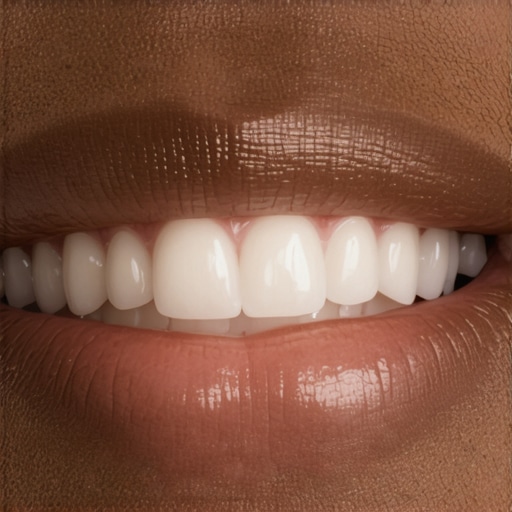
I remember the day I finally decided to get veneers. I was so excited about my new smile—only to realize, after a few days, that something felt off. Despite the compliments, I couldn’t help but notice how starkly my teeth contrasted with my natural complexion. The more I smiled in selfies, the more I felt self-conscious, almost like my teeth were shouting for attention instead of blending naturally. That lightbulb moment hit me hard: I had gone too far into the world of dazzling white, forgetting that harmony with my skin was what truly mattered.
Why Finding the Right Shade of Veneers Is More Than Just Whiter-Than-Everyone Else
The concern about veneers being too white is more common than you’d think. After all, society often celebrates the brightest, most flawless smiles, and it’s easy to fall into the trap of thinking that super-white veneers automatically mean a better smile. But here’s the thing—if your veneers are excessively white for your skin tone, they can make your face look washed out, or worse, give off an artificial vibe that no amount of selfies can fix. I learned this the hard way, and I want to help you avoid the same mistake. We’ll explore how to assess whether your veneers suit your complexion, so you can confidently flaunt a smile that looks natural and stunning.
Is It Really Worth Stressing Over the Shade? My Early Mistake
Looking back, one mistake I made early on was trusting the color guide without considering my skin undertone. I assumed that choosing the whitest shade was the goal, thinking brighter was better. That’s a classic misconception. According to dental experts, the key to a smile that makes you look radiant—not just white—is matching your teeth to your skin’s undertones. This realization changed everything for me, and I hope it can do the same for you. Want to know how to find that perfect balance? Stay tuned, because we’re about to get into the practical steps to evaluate your veneer shade and ensure it complements your unique look.
If you’re wondering whether your veneers are in harmony with your overall appearance, you’re not alone. Many people encounter this dilemma after their smile makeover, and the good news is—there’s a way to tell if your smile is on point or needs a little adjustment. Curious? Let’s dive into the details that will help you feel confident every time you smile.
,
Select a Complementary Color Palette
Start by assessing your skin’s undertone—whether cool, warm, or neutral. Cool undertones often pair well with shades that have bluish or pinkish hues, while warm undertones look better with yellow or peachy shades. To find your undertone, examine the veins on your wrist; bluish veins suggest cool tones, greenish veins indicate warm tones, and a mix points to neutral. When I visited my dentist for veneers, I brought along photos of natural teeth I admired in people with similar skin tones, which helped my specialist recommend a suitable shade.
Use a Shade Guide with Your Dentist
Next, collaborate with your dental professional using a shade guide. Think of this process as selecting a paint color; it’s about matching the new to the existing season of your face. Request to see the shades against your teeth under natural light, not just clinical lighting, to avoid artificial color distortion. During my appointment for veneers, I held shade tabs next to my teeth in daylight; this simple step prevented me from regretting a too-bright choice later. Take your time and ask for samples or temporary veneers to test at home.
Test with Natural Lighting
Always check your potential veneer shade under natural daylight. That’s when your skin’s undertones are most visible, and the real color of the veneer can be accurately judged. I remember holding my mirror outside after selecting a shade in the office; the color looked quite different in sunlight, revealing that I needed a slightly darker tone for harmony. This step ensures your smile looks natural in everyday settings, avoiding the artificial glow that some super-white veneers can emit.
Verify the Final Match Before Proceeding
Once you narrow down the options, ask your dentist to prepare temporary veneers or mock-ups. Wear them for a few days to see how they look over multiple occasions and lighting conditions. Personal experience proved invaluable—I kept the temporary veneers on during work, social outings, and photos, which revealed how well the shade complemented my complexion and whether it felt comfortable. Remember, a good match should seem effortless, not conspicuous.
Maintain Consistency in Whitening and Brightness
If you plan to whiten your teeth post-veneers, coordinate whitening treatments beforehand. Think of this like tuning a musical instrument for perfect harmony. Over-bleaching can make veneers look dull or mismatched, so discuss your whitening goals with your dentist. I learned this the hard way when I whitened after getting veneers, resulting in my natural teeth becoming overly bright and making my veneers look dull. Pre-appointment consultation with your dental provider ensures your smile stays evenly radiant.
Likewise, consider future changes
Remember, your skin tone can change with seasons or aging, so select a shade that remains suitable long-term. If you’re unsure about how your complexion might evolve, discuss options with your cosmetic dentist and maybe opt for a slightly softer shade that integrates well over time, much like how I opted for a neutral tone that still looks fresh after a year.
Choosing the right veneer shade is about balancing your unique skin undertone with your personal style. By thoroughly understanding your skin’s color, collaborating with a skilled dentist, and testing the shade in real-world lighting, you can achieve a natural, confident smile that enhances your overall appearance. For more detailed guidance on veneers and aesthetic improvements, explore [Veneers Made Simple](https://smilegumcare.com/veneers-made-simple-transform-your-tooth-aesthetics-in-2025-at-1822).
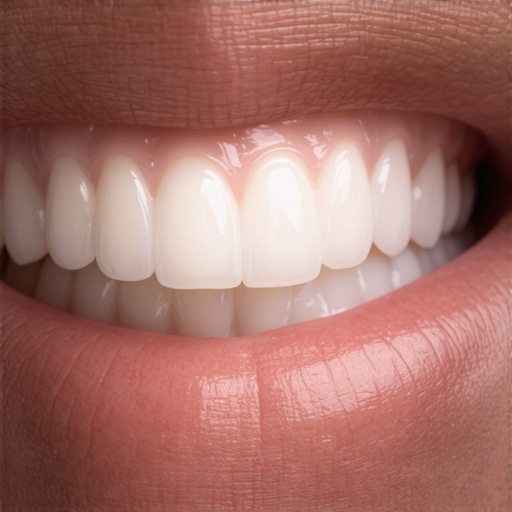 When it comes to enhancing your smile, many believe they already know the basics, but let’s dig deeper into some often overlooked nuances that can make or break your dental aesthetic journey. **Contrary to popular belief,** choosing the most affordable or quickest option isn’t always the best. Cutting corners with cheap veneers or skipping professional consultations can lead to costly corrections later. For instance, some assume that Invisalign is just about straightening teeth invisibly, yet they overlook critical details like the importance of wearing aligners consistently and the potential for root resorption if treatment isn’t properly monitored; recent studies show that improper use significantly increases risks (American Journal of Orthodontics, 2022). **The ‘Oops’ factor** in teeth whitening often involves overestimating DIY kits. Many think whitening gels without professional guidance are safe, but they can cause enamel erosion or sensitivity if misused. I once tried a home whitening kit, only to learn that unregulated products can have unpredictable results. Always consult your dentist to tailor treatments to your unique enamel health. **The expert tip** for veneers is that many misunderstand the importance of translucency. A veneer that looks too opaque or too bright can appear unnatural, especially under different lighting. Advanced techniques involve customizing the opacity and shade to match your natural teeth’s translucency—something a trained cosmetic dentist masters. Remember, planning for future changes, like skin tone shifts due to aging or seasons, is vital; opt for shades that blend seamlessly over time, aligning with your evolving looks. Have you ever fallen into this trap? Let me know in the comments.
How do I keep my dental enhancements in top shape over time?
Maintaining your family dentist’s work, whether it’s Invisalign, veneers, or teeth whitening, requires the right tools and consistent habits. Personally, I swear by using an ultrasonic toothbrush like the Philips Sonicare DiamondClean, which provides gentle yet effective plaque removal. Its sonic technology reaches those tricky areas around veneers and braces, helping preserve the aesthetics I work hard for.
Beyond a quality toothbrush, I always incorporate a water flosser such as the Waterpik Ultra to clean between teeth and around orthodontic appliances. These tools reach places traditional floss can’t, especially crucial for retaining aligners or veneers. Regular use of interdental brushes also keeps stubborn debris at bay, preventing staining and decay that can compromise your investment.
Pairing these tools with a high-quality whitening gel like Opalescence can enhance ongoing brightness. But I caution against overdoing it—periodic professional consultations ensure you’re not damaging sensitive enamel. Scheduling routine check-ups with your dentist helps catch minor issues before they escalate, saving you time and money.
For long-term results, I suggest monitoring your bite and occlusion with digital scanners or impression kits every few years. This proactive approach allows your dentist to assess shifts or wear that could affect your bite or alignment, especially after Invisalign treatments. As technology advances, at-home monitoring devices may soon offer even more precise tracking, making maintenance more accessible than ever.
In terms of future trends, I foresee AI-powered monitoring systems integrated into smart toothbrushes, offering personalized advice and early warnings for potential problems. This would revolutionize how we care for our dental work, making maintenance a seamless part of daily life.
Want to take your home care to the next level? Try incorporating an ultrasonic water flosser into your routine and see how much easier it becomes to keep your smile flawless. For more insights on preserving your results, visit our detailed guide on veneers and aesthetic care. Keeping your smile beautiful is a continuous journey—equip yourself with the right tools and habits today!
Embarking on a journey to enhance your smile can be both exciting and overwhelming, but the real lessons often come from unexpected places. Over the years, I’ve learned that achieving a natural, harmonious smile isn’t just about picking the whitest veneer or the latest whitening kit—it’s about understanding your unique facial harmony and trusting your instincts. One crucial insight I wish I had known earlier is that treatments like veneers should complement your skin tone—not compete with it. Recognizing the subtle interplay between your teeth shade and complexion can prevent costly re-dos and boost your confidence in every setting.
What My Lighter-than-Natural Smile Taught Me About True Confidence
- Don’t Follow the Crowd Blindly: Society often celebrates brightest whites, but I discovered that a shade too white can make your face appear dull or artificial. Trusting my own skin undertone over popular trends made all the difference.
- Listen to Your Reflection: Holding shade guides up against natural light revealed inconsistencies I hadn’t noticed in the clinic. Personal testing under different lighting conditions is invaluable.
- Seek Professional Guidance: Collaborate closely with your dentist to choose a shade that harmonizes with your skin’s undertones. It’s an extra step that ensures natural beauty.
My Favorite Tools That Elevate Smile Perfection
- Shade Matching Apps: Apps like SmileNotify provide a digital comparison, helping you visualize how different shades will look in various lights, making your decision easier and more precise.
- Natural Light Mirrors: Investing in a high-quality mirror with daylight simulation allows you to assess your smile authentically, avoiding surprises in real-world scenarios.
- Guided Professional Consultations: Nothing replaces expert advice. Trust experienced cosmetic dentists to customize shade choices and ensure long-term satisfaction.
- Educational Resources: Courses like [Veneers Made Simple](https://smilegumcare.com/veneers-made-simple-transform-your-tooth-aesthetics-in-2025-at-1822) have expanded my understanding of subtle aesthetic nuances that make a smile truly natural.
The Power of Small Changes and Caring for Your Future Smile
My biggest realization is that smile perfection isn’t static. Skin tone, aging, and even seasons can impact how your veneers look over time. Regular check-ups and thoughtful adjustments, like fine-tuning shade matches or maintaining oral health, preserve this harmony. And don’t overlook the importance of subtle details—like translucency and texture—that can make your smile not just beautiful but genuinely authentic.
Dreaming of that effortless, radiant smile? Remember, it’s a combination of the right shade, expert guidance, and personal confidence. Your journey to a natural, stunning smile is entirely within reach if you embrace these hidden truths and tools.
Are You Ready to Transform Your Smile with Confidence?
What small change will you try today to ensure your veneer shade matches your skin tone perfectly? Share your thoughts below—I’d love to hear your experience or questions!
,