
The Simple Reason Your Gums Bleed Only When You Floss One Specific Tooth
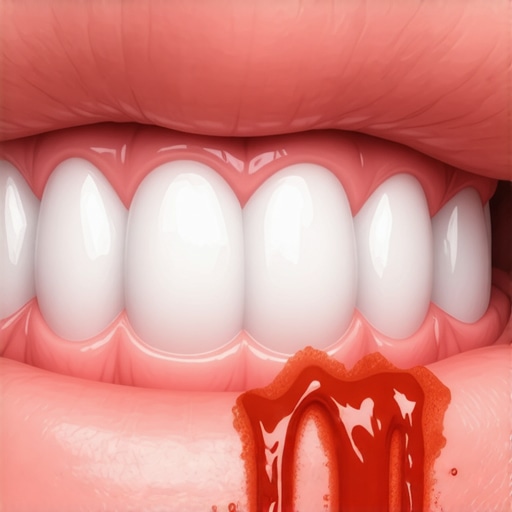
It was just an ordinary Tuesday evening when I reached for my floss before bed. I started to slide the string gently between my teeth, but suddenly, I noticed a tiny drop of blood sticking around a particular tooth—one that I practically ignored during my daily routine. Confused, I brushed it off initially, but that night, I couldn’t shake the feeling that something was off. The next morning, I examined my mouth more closely, and that’s when the lightbulb went off: why does only one specific tooth bleed when I floss?
What’s Behind Bleeding Gums During Flossing? A Personal Wake-Up Call
For months, I had been diligently brushing and flossing, convinced I was taking good care of my smile. Yet, this one stubborn tooth kept bleeding, no matter how gentle I was. It was frustrating, confusing, and honestly, a little alarming. I wondered if I had missed a step or dismissed a warning sign. That’s when I decided to dig deeper—because brushing and flossing are only part of the story of healthy gums.
The truth is, when gums bleed during flossing, especially around just one tooth, it may point to localized issues like gum disease, plaque buildup, or even underlying structural problems. Ignoring this could lead to more serious consequences, such as gum recession or even tooth loss. So, I promised myself I’d get to the bottom of it—and I want you to do the same. Are you dealing with a similar problem? If so, keep reading, because in the next sections, I’ll share what I learned from my experience and how you can address this issue effectively.
Is This Problem Serious Enough to Worry About?
Early on, I made the mistake of dismissing that bleeding as just a temporary irritation, thinking it would resolve itself. Spoiler: it didn’t. So, let me be honest—what seemed like a minor annoyance turned out to be a sign that I needed to pay more attention to my oral health. Don’t make the same mistake I did. Bleeding gums, especially when localized, often indicate underlying issues that need professional care rather than home remedies alone.
In fact, according to recent research, early signs of gum disease can be sneaky and easy to overlook, but they significantly increase the risk of tooth loss if left untreated. Recognizing the problem early and understanding its root causes can save you a lot of discomfort and expense later on.
Now that I’ve got your attention, it’s time to explore what causes a single tooth to bleed and how you can take control—starting with simple, practical steps that worked for me.
Step 1: Schedule a Professional Dental Exam
During my own experience, I made the mistake of dismissing early gum bleeding. I immediately booked an appointment with my dentist, who conducted a comprehensive periodontal assessment. This step is crucial because a professional can identify if gum disease, plaque buildup, or other issues are the root cause. Don’t delay—early detection prevents more serious problems down the line.
Step 2: Master Proper Flossing Technique
I learned that incorrect flossing can damage gums and cause bleeding. I watched detailed tutorials and practiced gently sliding the floss into a C-shape around each tooth, ensuring I didn’t snap or force the floss. As a result, my gums became less inflamed over time.
Tip: Use the Right Floss
Opt for waxed floss if your gums are sensitive; it’s less likely to shred and easier to glide between teeth, reducing trauma.
Step 3: Improve Brushing Habits
I switched to a soft-bristled toothbrush and learned to brush with gentle circular motions instead of aggressive scrubbing. Overbrushing can irritate gums and exacerbate bleeding, so gentle pressure is key. My gums responded well, and bleeding decreased significantly.
Step 4: Incorporate Antimicrobial Mouth Rinse
I started using an antimicrobial mouthwash recommended by my dentist, which helped reduce bacterial plaque and soothe inflamed gums. Be sure to choose a product with clinically proven ingredients, and follow the instructions closely.
Step 5: Modify Your Diet and Habits
Cutting back on sugary snacks and quitting smoking improved my gum health. Tobacco can impair healing, and sugar feeds bacteria that cause gum disease. Consider consulting with your dentist about lifestyle changes that support gum regeneration.
Step 6: Maintain Consistent Oral Hygiene Routine
I set reminders to brush twice daily and floss once, creating a habit that kept my gums healthy. Consistency prevents plaque accumulation, the main culprit behind bleeding gums.
Step 7: Explore Advanced Options if Needed
If bleeding persists despite home care, professional treatments like deep cleaning (scaling and root planing) or laser therapy may be necessary. Some individuals find that cosmetic solutions, such as veneers or Invisalign, can also improve overall oral health and aesthetics. For example, [Invisalign](https://smilegumcare.com/invisalign-secrets-achieving-a-perfect-smile-discreetly) can straighten teeth, making cleaning easier and reducing plaque traps. Similarly, [veneers](https://smilegumcare.com/transform-your-smile-with-veneers-expert-tips) can improve dental alignment and gum health. Keep in mind that timely intervention is vital; the longer you wait, the more complex the issues can become. Remember, engaging with a family dentist ensures tailored advice for your specific situation and preventive strategies for everyone in your family—check out [family dentistry](https://smilegumcare.com/family-dentistry-building-healthy-smiles-for-every-generation) for more insights.When it comes to enhancing our smiles, many of us fall prey to common misconceptions that can lead to costly mistakes. For instance, the belief that teeth whitening is a one-size-fits-all solution ignores the fact that whitening agents may not be suitable for everyone, especially those with sensitive enamel. Recent studies emphasize personalized treatment plans, confirming that what works for one person might harm another, highlighting the importance of consulting a dental professional rather than relying solely on over-the-counter products.
What Should Advanced Patients Know About Veneers and Enamel Preservation?
Many assume that veneers are a quick fix without consequences, but in reality, their placement involves removing a thin layer of enamel, which is irreversible. Over-preparing or selecting overly thick veneers can lead to functional issues and increased sensitivity. An expert approach involves minimally invasive techniques and customized sizing that respect the natural tooth structure. Moreover, opting for veneers without understanding the difference between porcelain and composite options can result in aesthetic and durability pitfalls. For detailed guidance, explore these veneer insights.
Why Do Many Misjudge Invisibility and Its Limitations When Choosing Orthodontics?
A common myth is that Invisalign or other clear aligners are completely invisible and suitable for all cases. While they are discreet, complex orthodontic issues—such as severe crowding or jaw misalignments—may require traditional braces or surgical intervention. Underestimating these nuances can lead to prolonged treatment times or insufficient results. An expert recognizes when to combine aligners with other procedures or when to advise alternative solutions, ensuring optimal outcomes. For a deeper dive into Invisalign’s capabilities, see Invisalign secrets.
In the end, the key to successful cosmetic and orthodontic treatments lies in understanding these lesser-known nuances and avoiding the traps of misconceptions. Always seek personalized advice from qualified professionals to ensure your smile journey is safe, effective, and beautifully tailored to your needs. Have you ever fallen into this trap? Let me know in the comments.
How do I keep my smile shining after treatments?
Achieving a radiant smile with teeth whitening, veneers, or Invisalign is only half the battle; maintaining it over time requires the right tools and habits. Personally, I rely on a combination of professional-grade equipment and daily routines to ensure my results last. One indispensable tool I’ve found is an ultrasonic toothbrush. Unlike standard brushes, ultrasonic models create high-frequency vibrations that effectively break up plaque and biofilm without damaging enamel, especially beneficial for those with veneers or sensitive teeth. I use the Oral-B iO, which offers real-time pressure sensors and customizable modes—making my routine both efficient and gentle.
Complementing my toothbrush is a water flosser. I prefer models with adjustable pressure settings, as they effectively remove debris around orthodontics or veneers without irritating gum tissue. This tool has drastically reduced plaque build-up and prevented gum issues, ensuring my aesthetic results stay pristine. For optimal results, I combine it with nightly flossing, but I’ve timed my flossing to align with my routine on Invisalign to keep my aligners clean and my gums healthy.
Another tip I swear by is using a clinical-grade whitening pen for touch-ups. I select products backed by dental professionals, such as those proven to be safe for veneers and sensitive enamel. These pens help me maintain my brightness without overusing bleaching agents, which could harm delicate restorations over time. Regular dental check-ins are vital; my dentist recommends biannual exams to catch issues early, especially if you’ve undergone cosmetic procedures. “Prevention is much more cost-effective than correction,” they often say, and I’ve found that sticking to this advice keeps my smile in top shape for years.
In the future, I predict a rise in smart oral care devices that monitor plaque levels and send data directly to your dentist. This integration could transform maintenance from reactive to proactive, making long-term care even easier and more personalized. As technology advances, combining AI-driven diagnostics with the tools mentioned can help you tailor your routine precisely, ensuring lasting results from your initial investment.
What’s the best way to keep my smile looking its best over time?
The key is consistency. Using high-quality tools like an ultrasonic toothbrush and water flosser, along with professional guidance, creates a strong foundation for long-term success. Don’t forget regular visits to your dentist, who can recommend specific products suited to your unique needs. For those considering cosmetic enhancements, exploring options like veneers or family dentistry ensures your investments are protected. Finally, try incorporating a nightly whitening pen or similar touch-up method to preserve your brilliance. Remember, maintaining a smile is an ongoing process, but with the right tools and habits, you’ll enjoy your radiant results for many years to come.
Lessons I Stumbled Upon That Transformed My Dental Journey
- Sometimes, the smallest sign—like bleeding around a single tooth—holds the biggest secret about your oral health. Ignoring it can cost more in the long run, teaching me that early action saves both teeth and peace of mind.
- Investing in personalized treatment plans, whether it’s veneers or orthodontics, proved essential—because what works for someone else might not suit my unique smile, emphasizing the value of expert guidance over one-size-fits-all solutions.
- Consistency beats quick fixes—daily routines, proper technique, and regular dental visits created a foundation that safeguards my investments in whitening or alignment, proving that patience and persistence truly pay off.
My Go-To Resources for Dental Confidence
- Professional guidance from trusted dentists: Nothing beats an in-person assessment to tailor treatments—it’s my first step whenever I consider cosmetic or orthodontic options.
- Reputable dental blogs and guides: Websites like Smile Gum Care offer detailed, evidence-based information that keeps me updated on the latest advancements and myths—saving me from false claims and shortcuts.
- Quality dental products: From ultrasonic toothbrushes like Oral-B iO to professional whitening pens, my nightly routine depends on tools I trust to preserve my smile’s brightness and health.
Your Smile Is a Journey—Take the Next Step
“Your smile is an ongoing story worth cherishing. With the right knowledge, tools, and a proactive mindset, you can turn dental challenges into opportunities for confidence and happiness. Remember, every small step adds up to a truly radiant and healthy smile that lasts a lifetime.”
What’s one dental habit you’re ready to improve today? Share your plans below and let’s support each other in achieving brighter, healthier smiles!