
Why Your New Veneers Feel Like They Are Pushing Against Your Other Teeth
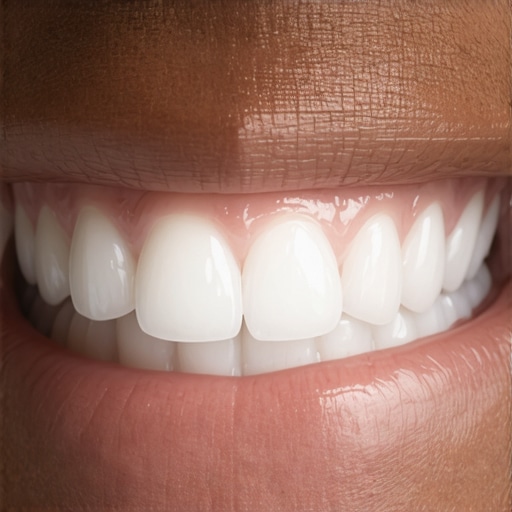
One morning, I looked in the mirror and felt something strange—an uncomfortable pressure in my mouth that wasn’t there before. It was as if my brand-new veneers had suddenly become overzealous, pushing against my natural teeth with a stubborn determination. That lightbulb moment made me realize I wasn’t alone; many people experience a similar sensation after getting veneers and wonder if it’s normal or a sign of trouble.
Understanding the Pressure: Why Your Veneers Might Feel Like They’re Pushing
When I first faced this issue, I thought I had made a mistake or that something was seriously wrong. Turns out, this sensation is actually quite common, especially just after the placement of new veneers. Your mouth is adjusting to a new, potentially thicker surface, and your teeth are trying to find a new balance. This pressure can stem from the veneer bonding process, changes in bite alignment, or even swelling and muscle adjustments. It’s essential to recognize that some initial discomfort or pressure is normal, but knowing what to expect can help you navigate this stage more comfortably.
Is the Feeling of Pressure Actually Worth the Hype?
Now, here’s where my early mistake came into play—I ignored this discomfort, thinking it would resolve on its own quickly. If you’ve experienced this, you might be tempted to dismiss it as minor. But trust me, overlooking persistent or worsening pressure can lead to long-term issues. The good news is, with proper care and guidance, you can manage this sensation effectively. If you’re curious about how to ease this adjustment period, I’ll walk you through the essential steps, including how to tell if your bite is truly out of whack or if you’re just experiencing normal adaptation.
Before diving into solutions, it’s worth noting that experts emphasize the importance of proper veneer fitting and adjustment to prevent such issues. In fact, a study published in the Journal of Esthetic and Restorative Dentistry highlights that addressing bite discrepancies early can significantly improve patient comfort and satisfaction.1
Are you currently dealing with this pressure sensation after a dental veneer procedure? If so, know that you’re not alone, and there are practical steps to help your mouth adapt smoothly. Let’s explore what you can do to ease this discomfort and ensure your new smile feels as natural and comfortable as possible.
In the next sections, I’ll share expert tips and insights that helped me—and many others—tackle this issue head-on. Ready to make your veneer experience more comfortable? Let’s get started.
Adjust Your Bite at Home
Start by gently mashing your jaw movements to see if the pressure eases. I recall carefully opening and closing my mouth in slow, deliberate motions—like a cautious dance—trying to identify where the tension peaks. This proactive approach helps your muscles relax and prevents clenching, which can worsen discomfort. Avoid hard or sticky foods during this period to prevent misalignments. If the pressure persists, proceed to the next step.
Use Over-the-Counter Pain Relief Strategically
Take ibuprofen or acetaminophen as directed to reduce inflammation and soothe aching muscles. When I first tried this, I ensured I didn’t exceed the recommended dosage—sometimes, less is more. Painkillers don’t fix the root cause but can make your day-to-day more manageable while your mouth adjusts. Remember, if discomfort escalates or persists beyond a few days, consult your dentist immediately.
Soft Diet and Gentle Oral Habits
Switch to foods like smoothies, mashed potatoes, or yogurt—think of them as a gentle lullaby for your teeth. During my experience, I made a big batch of smoothies with bananas and berries, blending until silky smooth. Chewing softer foods minimizes bite changes and gives your jaw muscles time to adapt. Be cautious with your brushing—use a soft-bristled brush and avoid excessive pressure that can aggravate soreness or misalign your veneers.
Monitor and Record Changes
Keep a journal of your sensations: note any improvements or worsening symptoms. I used a simple notebook to track when the pressure felt worse, and I realized it was tied to certain movements or foods. This record becomes valuable data during your dentist appointment, helping pinpoint whether adjustments are necessary or if the discomfort is within normal limits.
Practice Gentle Jaw Exercises
Gradually stretch and relax your jaw muscles with specific movements. For example, open your mouth slowly to a comfortable limit, hold for a few seconds, then gently close—mimicking a slow, controlled yawning motion. My first attempt was awkward—think of a toddler learning to walk—but over days, I noticed reduced stiffness and better alignment. Never push through pain; tolerable discomfort is acceptable, but pain is a warning sign. If this method doesn’t yield results, it’s time to seek professional help.
Seek Professional Assessment for Persistent Issues
If the pressure does not abate after a week or worsens, contact your dentist immediately. They might perform minor adjustments, check your bite alignment, or assess for swelling. I remember a consultation where my dentist swiftly identified a slight misfit that was causing the pressure. They performed a quick re-bonding, and my discomfort dropped significantly. You can read more about how to tell if your veneers are too white for your complexion and other tips at this resource.
Implement these steps methodically, and remember that patience is key. Your mouth needs time to adapt, but with the right actions, you can ease the transition considerably while avoiding unnecessary setbacks.
Many folks believe that teeth whitening is simply about choosing the brightest shade, but in reality, the process involves nuanced aspects like enamel sensitivity, underlying decay, and the long-term impact on tooth health. Overlooking these subtle factors can lead to unsatisfactory results or even damage. Similarly, a common myth about Invisalign is that it works equally well for everyone; however, individual bite patterns and jaw structures significantly influence treatment success. An advanced mistake many make is assuming aligners are a one-size-fits-all solution, ignoring that precise fitting and case-specific adjustments are critical for optimal outcomes. When it comes to veneers, the misconception persists that they are permanent fixes; yet, improper application or neglecting maintenance can result in chip-offs or discoloration over time.
In family dentistry, the misconception that children’s teeth don’t require as much care as adults can be detrimental. Early dental issues often go unnoticed until they become painful or complicated, making preventive measures vital. A less recognized nuance is that preventive care extends beyond cavity prevention—educating families about habits like thumb-sucking, diet, and oral hygiene shapes lifelong oral health.
**How do advanced diagnostics impact your dental treatment plans?** This is a pressing question for those seeking sophisticated care. Modern tools like digital X-rays and 3D imaging allow for precise assessments of issues invisible to the naked eye, enabling personalized and minimally invasive interventions. For instance, a study in the Journal of Esthetic and Restorative Dentistry highlights that advanced imaging improves the success rate of veneer placements by ensuring perfect fit and aesthetics.1
Being aware of these common misconceptions and nuanced considerations empowers you to make informed decisions. For example, understanding that not all whitening treatments suit sensitive teeth can save you from discomfort. Likewise, knowing that Invisalign’s effectiveness depends on correct case selection can influence your choice.
If you’ve ever fallen into this trap of misconceptions, let me know in the comments. Recognizing these errors is the first step toward achieving the best possible dental health. For comprehensive insights, check out the ultimate guide to teeth whitening options or explore family dentistry strategies to protect everyone’s smile.Maintaining your dental transformations like veneers, Invisalign, or whitening results requires the right tools and consistent routines. I personally swear by a few key pieces of equipment that make long-term dental health manageable and effective. First, a **sonic toothbrush** such as the Philips Sonicare DiamondClean has revolutionized my daily oral hygiene. Its oscillating technology reaches deep between teeth and along gum lines, significantly reducing plaque buildup and preventing staining. I use it twice a day, especially after treatments like whitening, to preserve my results and keep my enamel healthy. Another essential tool is a **water flosser**—I prefer the Waterpik Ultra. It’s gentle on gums yet effective at removing debris from areas traditional floss can’t reach, which is critical for maintaining veneers and preventing gum disease. Regular flossing with high-quality, waxed floss ensures I don’t damage delicate restorations. To monitor my oral health, I incorporate a **mouth mirror equipped with LED illumination**. It allows me to check for early signs of staining or decay conveniently, keeping me proactive without frequent dentist visits. For ongoing care, I rely on a **desensitizing toothpaste** like Sensodyne, which reduces sensitivity after whitening treatments, and a fluoride rinse to strengthen enamel. Looking ahead, the trend is shifting toward **smart oral health devices**—smart toothbrushes with app connectivity, guided brushing, and personalized feedback. I predict that integrating digital health tools will become standard, empowering patients to manage their dental health more precisely and prevent issues before they escalate. To ensure these tools serve their purpose, regular professional cleanings and consultations remain irreplaceable. A good starting point is to incorporate a sonic toothbrush and water flosser into your routine—these are game-changers for maintaining the longevity of your smile. For more in-depth insights on teeth whitening upkeep, visit this resource. How do I maintain my veneers and whitening results over time? Consistency in using the right tools and scheduling regular dental check-ups is key to keeping that lasting glow. Be sure to explore the latest innovations in oral care and consider investing in smart devices—they can provide real-time feedback and actionable insights tailored just for your smile.
The Hardest Lesson I Learned About Veneers and Bright Smiles
I once believed that a perfect smile was all about the immediate results, but I’ve come to realize that patience and proper care are the true foundations. Rushing the process or ignoring early discomforts, like that weird pressure after receiving veneers, can set you back. Sometimes, the biggest breakthrough comes from understanding that our bodies, especially our mouths, need time to adjust, and listening to expert guidance speeds up the journey rather than hinders it.
Choosing Tools That Transform, Not Just Brighten
Over the years, I’ve curated a personal toolkit that genuinely helps maintain my smile’s health and brilliance. A sonic toothbrush like the Philips Sonicare DiamondClean ensures gentle yet effective cleaning, preserving veneers and natural enamel. A water flosser like Waterpik Ultra helps me reach those tricky spots, preventing plaque buildup and complications. Regular use of desensitizing toothpaste, such as Sensodyne, keeps me prepared for any sensitivity after whitening treatments. Investing in these tools not only enhances daily care but also prolongs the results, making your effort pay off over time.
Your Smile Is More Than Just Teeth—It’s Your Confidence
Embracing the nuances of dental care, from managing bite adjustments to understanding the myths around veneers and whitening, has profoundly boosted my self-esteem. Every time I see my reflection or share a genuine smile, I remember that the journey is ongoing. It’s about nurturing your teeth, understanding your unique dental story, and celebrating progress—no matter how small. Your commitment today will echo in your confidence tomorrow—so don’t wait to take that first step toward a healthier, happier smile.