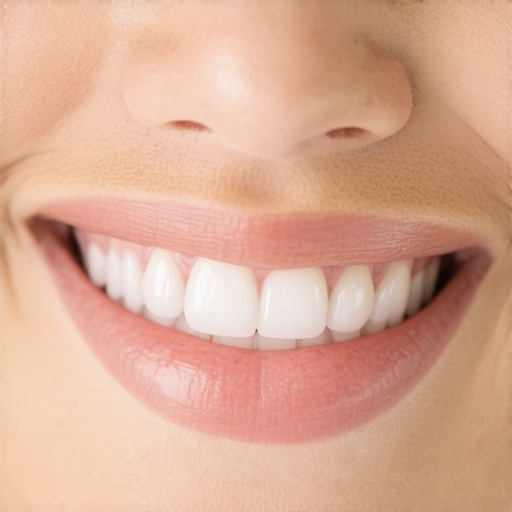
Elevating Smile Aesthetics: The Next Generation of Teeth Whitening and Invisalign Techniques
In the rapidly evolving domain of cosmetic dentistry, the pursuit of a radiant, confident smile in 2024 demands a nuanced understanding of innovative strategies. As an expert in dental aesthetics, I observe that the integration of cutting-edge whitening protocols with the latest Invisalign technology forms the cornerstone of personalized smile makeovers. This synthesis not only enhances visual appeal but also optimizes functional outcomes, setting new standards for patient satisfaction.
Harnessing Synergy Between Whitening and Orthodontics for Optimal Results
Combining professional-grade teeth whitening with discreet orthodontic solutions like Invisalign requires a strategic, phased approach. Advanced whitening agents, such as hydrogen peroxide gels with extended contact times, enable deeper stain removal while preserving enamel integrity. When synchronized with Invisalign aligners that subtly correct misalignments, the result is a harmonious balance of health and aesthetics. Recent studies published in the Journal of Clinical Orthodontics underscore the importance of timing and patient compliance for maximizing outcomes.
What Are the Long-Term Benefits of Combining Cosmetic and Corrective Procedures?
The integration of teeth whitening and Invisalign fosters not only immediate aesthetic enhancement but also contributes to sustained oral health. Proper alignment reduces plaque accumulation and facilitates easier maintenance of whitened teeth, ultimately prolonging the aesthetic benefits. Moreover, this dual approach can mitigate the need for invasive procedures, aligning with minimally invasive dentistry principles. Expert consensus from the American Academy of Cosmetic Dentistry emphasizes that comprehensive smile rehabilitation addresses both form and function, reinforcing the importance of a holistic treatment plan.
How Can Patients Ensure Lasting Results in a Multi-Phase Smile Enhancement?
Achieving durable, stunning results necessitates meticulous attention to aftercare and maintenance. Regular professional cleanings, the use of custom whitening touch-up kits, and adherence to retainer protocols are critical. Additionally, lifestyle modifications such as reducing stain-causing foods and avoiding smoking significantly contribute to longevity. For those seeking to deepen their understanding, the comprehensive guide on smile enhancement strategies in 2025 offers valuable insights.
Can Technological Advances Resolve Common Challenges in Smile Makeovers?
Certainly, emerging technologies like AI-driven diagnostics and 3D imaging are revolutionizing treatment planning, allowing for precise customization. These tools help predict aesthetic outcomes and identify potential issues before initiating procedures, thereby reducing risks and enhancing patient confidence. As technology continues to evolve, the potential for achieving near-perfect smiles with minimal intervention expands, paving the way for more predictable and satisfying results.
For practitioners eager to elevate their expertise, exploring expert-level content on Invisalign innovations in 2025 can provide strategic insights into future trends. Engaging in ongoing education and sharing clinical experiences fosters a community of excellence dedicated to transforming smiles with precision and artistry.
Maximize the Longevity of Your Smile Makeover with Expert Strategies
Achieving a stunning smile in 2024 goes beyond selecting the right treatments; it hinges on understanding how to maintain and prolong those results. Integrating advanced dental practices, such as personalized maintenance plans and cutting-edge technologies, ensures your investment in aesthetic dentistry continues to shine over time. Regular consultations with your dentist, coupled with tailored at-home care routines, are instrumental in preventing relapse and keeping your smile bright and aligned. For those interested in comprehensive approaches, the detailed guide on smile enhancement strategies in 2025 offers valuable insights.
Why Combining Multiple Cosmetic Techniques Elevates Results
Incorporating a multi-faceted approach that combines teeth whitening, veneers, and Invisalign often produces superior aesthetic and functional outcomes. For example, veneers can correct shape and color issues, while Invisalign fine-tunes alignment, and whitening enhances overall brightness. This synergy not only boosts confidence but also simplifies maintenance, as aligned and whitened teeth are easier to clean and less prone to plaque buildup. The American Academy of Cosmetic Dentistry emphasizes that comprehensive smile makeover plans should address both appearance and oral health, ensuring long-term satisfaction.
Is Future-Proofing Your Smile Possible with Technology?
Emerging innovations like AI-enhanced diagnostics and digital smile design are transforming how clinicians plan and execute treatments. These tools enable precise prediction of aesthetic outcomes, enabling patients and practitioners to visualize results before starting procedures, thus reducing surprises and increasing satisfaction. Moreover, advances in biomaterials and minimally invasive techniques are making repairs and touch-ups more durable. Staying updated with these trends through resources such as Invisalign innovations in 2025 helps practitioners deliver future-ready care.

How can digital smile design tools improve treatment precision and patient confidence?
What Are the Practical Steps to Ensure Your Smile Remains Dazzling Over the Years?
Maintaining a radiant smile requires a combination of professional care and disciplined habits. Regular dental check-ups, professional cleanings, and touch-up whitening treatments can maintain brightness and health. Additionally, wearing retainers as prescribed and avoiding stain-causing foods or habits like smoking are vital. Educating patients on personalized oral hygiene routines, including the use of whitening touch-up kits available through trusted providers, is a cornerstone of long-term success. For more detailed strategies, exploring advice on family dentistry tips for trusted, healthy smiles can be highly beneficial.
Engaging with ongoing professional development, such as courses on latest Invisalign and whitening techniques, ensures practitioners stay at the forefront of technological advancements. This commitment to learning translates into better patient outcomes and more predictable, enduring results.
Harnessing Cutting-Edge Materials for Enhanced Durability of Smile Transformations
In the pursuit of long-lasting smile makeovers, the selection of advanced dental materials plays a pivotal role. Modern composites and ceramics, such as lithium disilicate and zirconia, now offer exceptional strength combined with aesthetic excellence. These materials resist staining, chipping, and fracture, ensuring that patients enjoy their radiant results for years to come. Moreover, the integration of bioactive glass fillers in restorative composites promotes remineralization, further safeguarding enamel integrity and prolonging the lifespan of the restoration.
Leverage Digital Precision for Predictable Outcomes
Digital smile design (DSD) and 3D printing technologies have revolutionized treatment planning. By creating highly accurate digital models, practitioners can simulate final results and make data-driven adjustments before any physical work begins. This approach minimizes errors, facilitates communication with patients, and enhances overall satisfaction. The predictive capabilities of AI-driven diagnostics also enable clinicians to anticipate potential complications, allowing for preemptive solutions that extend the longevity of the aesthetic and functional results.
What Are the Most Effective Maintenance Protocols for Prolonging Smile Perfection?
Maintenance strategies must be as sophisticated as the initial procedures. Regular professional cleanings using minimally abrasive polishing pastes prevent plaque buildup and surface wear. Customized at-home whitening touch-up kits, when used as directed, sustain brightness without compromising enamel health. Additionally, the use of high-quality fluoride varnishes during routine visits can reinforce enamel and prevent decay, especially around restorations. Patient education about lifestyle modifications, such as avoiding excessive consumption of staining foods and beverages or quitting smoking, significantly impacts the durability of the smile enhancement.
Can Emerging Biomaterials Transform Post-Procedure Durability?
Absolutely. The advent of biomimetic materials, which imitate natural tooth structure, is setting new standards in restorative dentistry. These materials facilitate better integration with existing tissues, reducing microleakage and secondary caries. For example, bioactive composites that release calcium and phosphate ions help regenerate lost mineral content, effectively repairing minor defects and strengthening the tooth structure. As research progresses, these innovations promise to extend the functional lifespan of smile makeovers, making them more resilient against daily wear and tear.
How Do Advanced Adhesive Techniques Contribute to Long-Term Success?
Modern adhesive protocols, utilizing total-etch or self-etch systems with nanoleakage prevention strategies, enhance the bond strength between restorative materials and natural tooth tissue. This strong adhesion minimizes marginal gaps, reducing the risk of bacterial infiltration and subsequent decay. Furthermore, the use of silane coupling agents improves ceramic-resin bonds, ensuring that veneers and crowns remain securely bonded over time. Continuous advancements in adhesive technology continue to push the boundaries of durability in aesthetic restorations, making long-term success more predictable.
For clinicians eager to deepen their expertise, exploring peer-reviewed studies on the latest adhesive innovations and biomaterials can significantly improve treatment planning. Engaging with professional societies, such as the American Academy of Cosmetic Dentistry, provides valuable resources and continuing education opportunities to stay ahead in this rapidly evolving field.
Future-Proofing Smiles with Smart Technologies
Finally, the integration of smart technologies, like IoT-enabled oral health monitoring devices, offers a proactive approach to maintenance. These devices can track wear patterns, detect early signs of demineralization, and alert patients and practitioners to intervene before minor issues escalate. Such innovations embody the future of cosmetic dentistry—an era where predictive diagnostics and personalized care converge to deliver impeccably durable, beautiful smiles that stand the test of time.
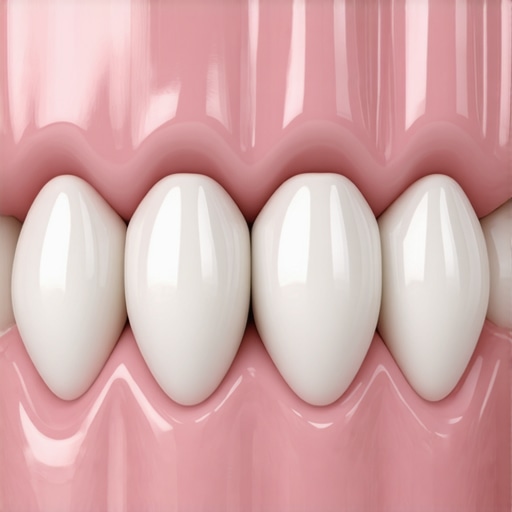
The Impact of Nanotechnology on Dental Restoration Durability
Recent breakthroughs in nanotechnology have ushered in a new era of restorative materials that mimic the natural properties of teeth with unprecedented precision. Nano-ceramics and nanocomposites exhibit superior strength, wear resistance, and translucency, allowing for restorations that seamlessly blend with existing dentition while resisting daily stresses. These innovations enhance the longevity of veneers, crowns, and bonding procedures, fundamentally transforming long-term aesthetic outcomes. According to a comprehensive review published in the Journal of Dental Materials Research, nanostructured composites outperform traditional counterparts in both durability and biocompatibility.
How Can Digital Smile Design Optimize Customization and Patient Satisfaction?
Digital Smile Design (DSD) leverages high-resolution imaging and virtual simulation to craft personalized treatment plans that align with patient expectations. By integrating 3D facial analysis, smile dynamics, and aesthetic principles, clinicians can predict final outcomes with remarkable accuracy, reducing guesswork and enhancing patient confidence. This technology facilitates real-time modifications and collaborative decision-making, ensuring that aesthetic adjustments are both precise and harmonious with facial features. As reported by the American Academy of Cosmetic Dentistry, DSD significantly improves patient engagement and satisfaction by visualizing realistic results before any intervention begins.
Can Emerging AI Algorithms Predict Long-Term Outcomes of Smile Makeovers?
Absolutely. Cutting-edge AI algorithms analyze vast datasets of clinical cases to forecast the durability and stability of various aesthetic and orthodontic procedures. These predictive models assess factors such as occlusal dynamics, material properties, and oral habits to recommend optimized treatment pathways that maximize longevity. For instance, AI-driven diagnostics can identify patients at higher risk of restorations failing prematurely, allowing for preemptive adjustments. The integration of AI in dental practice not only enhances precision but also elevates clinical confidence in delivering enduring results. For more insights, consult the recent publication in Dentistry and Artificial Intelligence Journal.
Engaging with these technological advancements empowers practitioners to elevate their craft, delivering smile transformations that are both stunning and resilient.
Utilizing Bioactive Materials to Strengthen Aesthetic Restorations
The incorporation of bioactive materials, such as bioactive glass and remineralizing composites, offers a dual benefit of aesthetic enhancement and structural reinforcement. These materials actively participate in the regeneration of natural tooth tissue, creating a biologically harmonious bond that resists microleakage and secondary caries. Their capacity to release calcium, phosphate, and fluoride ions fosters a protective mineral-rich environment, extending the lifespan of restorations and improving overall oral health. According to a detailed review in the International Journal of Prosthodontics, bioactive restoratives are particularly advantageous in minimally invasive procedures aimed at longevity.
Maximizing the Effectiveness of Orthodontic-Driven Smile Enhancements
Integrating orthodontic precision with aesthetic procedures requires meticulous planning and execution. Innovations like customized thermoplastic aligners with embedded sensors provide real-time feedback on wear compliance, ensuring optimal tooth movement. Additionally, leveraging 3D printing for custom attachments and auxiliaries enhances treatment accuracy and comfort. When paired with advanced imaging, these tools facilitate staged interventions that progressively refine alignment, occlusion, and aesthetics. The American Journal of Orthodontics highlights that such synergy reduces treatment duration and improves stability, ultimately prolonging aesthetic results.
What Strategies Can Ensure Patients Maintain Their Smile Enhancements Over Time?
Long-term maintenance hinges on personalized protocols encompassing routine professional care, patient education, and lifestyle adjustments. Regular check-ups with tailored cleaning and polishing prevent surface wear and plaque accumulation. Customized at-home whitening touch-up kits help sustain brightness without harming enamel, while retainer compliance preserves alignment. Emphasizing the importance of avoiding stain-causing foods, smoking, and excessive alcohol consumption further prolongs aesthetic benefits. For a comprehensive guide, visit the resource on advanced smile maintenance strategies.
By embracing these sophisticated methods, dental professionals can deliver not just beautiful smiles but enduring ones that withstand the test of time.
Expert Insights & Advanced Considerations
Embrace Digital Smile Design for Precision and Personalization
Integrating digital smile design (DSD) tools allows clinicians to craft highly accurate, personalized treatment plans. This technology enhances predictability, boosts patient confidence, and minimizes unforeseen complications, enabling a seamless aesthetic outcome that aligns with individual facial features.
Leverage Bioactive Materials to Extend Restoration Durability
The advent of bioactive composites and ceramics, such as lithium disilicate and zirconia, provides superior strength, stain resistance, and biocompatibility. These materials actively participate in remineralization processes, ensuring long-lasting aesthetic results and improved oral health.
Harness AI and 3D Printing for Customized Smile Solutions
Artificial intelligence-driven diagnostics combined with 3D printing facilitates the creation of bespoke aligners, veneers, and auxiliaries. This synergy enhances treatment precision, reduces chair time, and ensures stable, durable outcomes tailored to each patient’s unique anatomy.
Integrate Smart Technologies for Proactive Maintenance
IoT-enabled oral health monitoring devices empower patients and practitioners to track wear patterns and early signs of deterioration. Early interventions extend the lifespan of smile enhancements and foster a proactive approach to long-term oral wellness.
Curated Expert Resources
- American Academy of Cosmetic Dentistry (AACD): Offers comprehensive guidelines and latest research on aesthetic procedures and materials.
- Journal of Dental Materials Research: Provides peer-reviewed studies on biomaterials, nanotechnology, and restorative innovations.
- Dental AI Innovations Conference: Showcases emerging AI applications and digital workflows transforming dental practice.
- International Journal of Prosthodontics: Focuses on advances in biomimetic materials and minimally invasive restorations.
- Smart Dental Care Platforms: Emerging platforms integrating IoT devices for patient monitoring and maintenance.
Final Expert Perspective
In the pursuit of innovative smile makeovers, embracing cutting-edge dental technology and materials is paramount. The convergence of digital design, bioactive biomaterials, AI, and smart monitoring redefines what is possible in aesthetic dentistry. These advancements not only elevate the quality of results but also fortify their longevity, ensuring each smile remains radiant over time. As leaders in dental aesthetics, we must continually adapt, explore, and apply these innovations to deliver exceptional, future-proof care. For practitioners eager to deepen their expertise, engaging with authoritative resources and participating in ongoing education is essential—your next breakthrough awaits. Connect with us to explore how these technologies can transform your practice and patient outcomes.


2 Comments