
Why your jaw clicks every time you chew gum
I remember sitting in a dead-silent library, trying to focus on a book while casually chewing a piece of peppermint gum. *Click. Pop. Click.* It wasn’t just a sound; I could feel a weird, mechanical hitch right near my ear. I was so embarrassed I swallowed the gum whole just to make the noise stop. For a long time, I made the mistake of thinking I could just ‘stretch’ it away by opening my mouth as wide as possible until it gave a satisfyingly loud crunch. Don’t do that. I learned the hard way that forcing the joint only leads to more inflammation. Whether you’re dealing with why your jaw clicks every time you chew gum or you’ve noticed that your jaw hurts after a long dental appointment, it’s usually your body’s way of waving a yellow flag. Today, I want to share what’s actually going on in that Temporomandibular Joint (TMJ) and how you can stop the snap once and for all. Have you ever felt like your jaw was about to get stuck halfway through a sandwich? Drop a comment and let me know I’m not the only one!
I Thought My Jaw Was Just Noisy
Most of us assume a little clicking is just a quirk of our anatomy, like a knuckle that cracks. But that noise is often the sound of a small cushioning disk sliding out of place within the joint. According to the National Institute of Dental and Craniofacial Research, TMJ disorders affect over 10 million Americans, so you’re definitely in good company. It’s not just about the noise; it’s about the wear and tear on the joint itself. If you’ve recently started aligner treatment or noticed changes after orthodontic work, your bite might be shifting, which puts new pressure on those muscles. We need to look at the root cause rather than just avoiding the gum aisle.
Is This Clicking Something You Should Actually Worry About?
You might be thinking, ‘It doesn’t hurt, so why should I care?’ That’s exactly what I told myself until one morning I couldn’t open my mouth wide enough to eat a breakfast burrito. The skepticism is real—we don’t want to spend money on problems that feel like minor inconveniences. However, ignoring the click is like ignoring a squeaky belt in your car engine. Eventually, that squeak can turn into a full-blown breakdown. Whether you need to consult a specialist in family dentistry or just adjust your habits, keeping your jaw smooth and silent is vital for long-term health.
Master the Resting Position to Reduce Tension
It sounds simple, but most of us hold our tension in our face without even knowing it. You want your lips together, teeth apart, and your tongue resting gently against the roof of your mouth, just behind your front teeth. This acts like a natural spacer. Think of it as the ‘N’ position—say the letter ‘N’ and hold your tongue right there. I once spent an entire week setting an alarm on my phone every 30 minutes just to check if my teeth were touching. It turned out I was clenching every time I answered an email! This constant pressure is a major hurdle when figuring out how to fix the clicking sound in your jaw during orthodontic treatment.
The 6-6-6 Exercise Method for Better Mobility
This is the gold standard for gentle rehabilitation. Start by making a ‘cluck’ sound with your tongue against the roof of your mouth. Keep your tongue in that ‘clucking’ spot and slowly open your mouth as far as you can without the jaw clicking or shifting to the side. Hold it for six seconds. Repeat this six times, six times a day. 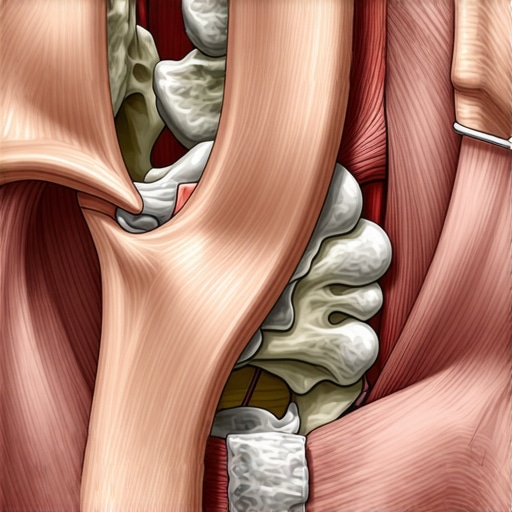 This isn’t a weightlifting session; it’s about retraining the muscles to move in a straight line. I remember trying to ‘power through’ these exercises by opening my mouth wide enough to catch flies, but that only made the inflammation worse. If you notice your little ones mimicking these habits, it might be worth checking why your toddler is grinding their teeth during their afternoon nap to catch issues before they require complex family dentistry interventions later in life.
Soften Your Diet to Give Your Joints a Vacation
Think of your TMJ as a sprained ankle. You wouldn’t go for a five-mile run on a sprained ankle, so stop asking your jaw to tackle a steak or a bag of hard pretzels while it’s clicking. For two weeks, commit to a ‘no-chew’ or ‘soft-chew’ diet. I lived on smoothies, protein shakes, and mashed sweet potatoes for ten days. This gives the articular disc time to settle without being slammed by heavy forces. If you are navigating dental changes, such as discovering invisalign secrets for comfort, managing your diet is a key part of the process.
Why Heat and Ice are Non-Negotiable
Temperature therapy is your best tool for managing the ‘mechanical’ hitch. A warm compress for 10 minutes can loosen up those tight masseter muscles that pull your jaw out of alignment. I usually do this right before bed to prevent night-time clenching. If the area feels sharp or throbbing, switch to an ice pack for 10 minutes to numb the nerve endings. I once tried to ‘reset’ my jaw by biting down on a hard rubber stopper, which was a disaster. All it did was chip a tooth and leave me looking into veneers vs crowns to fix the damage. Instead of force, use heat to relax and ice to calm. If your dentist suggests a night guard, make sure you learn how to properly clean a night guard to prevent bacterial buildup to keep your oral health on track while you heal.Let’s dig deeper into why simply ‘straightening your teeth’ isn’t always the magic bullet for jaw issues. A common myth I see circulating is that if you just finish your orthodontic treatment, your jaw clicking will vanish. While Invisalign innovation: invisible braces changing smiles in 2025 at 1537 has revolutionized how we align teeth, the jaw joint is a separate, complex neurological and muscular system. In my experience, focusing only on the teeth without addressing the underlying muscle tension is like getting a new set of tires for a car with a bent frame. You might look better, but the ride is still going to be bumpy.
Does Fixing Your Bite Always Fix the Click?
Not necessarily. A study published in the Journal of Oral Rehabilitation highlights that there isn’t always a direct 1:1 correlation between a perfect bite (occlusion) and the absence of TMJ disorders. This is the ‘nuance’ most people miss: you can have perfectly straight teeth and still suffer from debilitating jaw pain if your brain is still programmed to clench. If you’ve noticed why your teeth feel loose during the second month of invisalign, it’s a sign of active movement, and during this transition, your jaw muscles might actually be more stressed than usual as they search for a stable resting spot.
Avoid the Soft Night Guard Trap
Here is a major ‘oops’ factor that many people fall for: the over-the-counter soft night guard. It seems like a cheap, easy fix, right? But for someone with a clicking jaw, a soft guard can act like a chew toy. Your brain senses the squishy material and actually encourages you to chew and clench more throughout the night, which further inflames the joint. Professionals in family dentistry often recommend a hard acrylic splint instead. It provides a flat, slippery surface that prevents the muscles from ‘engaging’ and allows the joint to rest. 
The Secret Relationship Between Veneers and Jaw Force
When people look into veneers made simple: transform your tooth aesthetics in 2025 at 1822, they often focus solely on the shade of white. However, the physical thickness of a veneer can subtly change your ‘proprioception’—your brain’s awareness of where your teeth are. This is why some patients experience why your new veneers feel like they are pushing against your other teeth. If the restoration isn’t perfectly calibrated to your natural jaw path, it can trigger a new clicking habit. You must ensure your cosmetic goals don’t override your structural health. Even when pursuing the ultimate guide to teeth whitening options in 2025, remember that sensitivity can lead to temporary changes in how you hold your mouth, indirectly affecting the TMJ. Have you ever fallen into this trap of fixing the look while ignoring the feel? Let me know in the comments.I used to think my dentist was just being ‘extra’ when they brought out a suitcase full of gadgets, but after experiencing the difference, I’m a total convert. If you are serious about stopping that clicking sound, you need to look beyond the basic exam chair. One tool that changed my perspective entirely is the T-Scan digital occlusal analysis system. Unlike that old-school carbon paper you bite down on, the T-Scan measures the exact force and timing of every tooth contact. As Dr. Robert Kerstein, a leading expert in computer-guided occlusion, explains in his research on Disocclusion Time Reduction (DTR), even a micro-second of delay in how your teeth slide past each other can keep your jaw muscles in a state of constant ‘fight or flight.’ This is especially critical if you are diving into Invisalign innovation: invisible braces changing smiles in 2025 at 1537. If the tech doesn’t account for how your muscles react to your new bite, you might end up with straight teeth but a very angry joint.
Get a Digital Map of Your Bite Before Making Big Changes
Whenever I talk to friends about veneers made simple: transform your tooth aesthetics in 2025 at 1822, I always tell them to ask for a 3D scan first. Gone are the days of gagging on purple goop. Digital impressions are now the gold standard for ‘future-proofing’ your smile. The real reason Culpeper dentists are swapping traditional x-rays for 3d scans isn’t just for show; it’s because these scans allow us to see the relationship between the jaw bone and the teeth in three dimensions. I personally keep a digital file of my ‘ideal’ bite so that if I ever chip a tooth or need a new restoration, my dentist can replicate my natural anatomy perfectly.
How do I maintain my jaw health after cosmetic dentistry?
Maintaining your results is about more than just brushing; it’s about protecting the investment of your time and money. If you’ve invested in teeth whitening secrets for a sparkling smile in 2025 at 1248 or custom porcelain work, you must be diligent with your protective gear. I wear a hard acrylic night guard every single night, no excuses. But here is the trick: you have to keep it sterile. I learned the hard way that a dirty guard leads to gum irritation, so I always follow the guide on how to properly clean a night guard to prevent bacterial buildup. 
The Future of Smart Oral Wear
I predict that within the next five years, we won’t just be wearing passive night guards. We are moving toward ‘smart’ orthotics equipped with sensors that track your clenching patterns and send the data to an app on your phone. Imagine getting an alert that says your stress levels are causing jaw tension before the clicking even starts! It sounds like sci-fi, but the tech is already in development. For now, focus on the basics. If you are struggling with a noisy jaw, I challenge you to try the ‘N’ position for just 48 hours. Set a reminder on your smartwatch to check your tongue posture every hour. It’s the smallest habit with the biggest payoff. If you’re still feeling unsure about how your bite is shifting during Invisalign secrets, don’t wait for your next six-month checkup to bring it up. Your jaw will thank you for the early intervention.
Lessons I Had to Learn the Hard Way About Jaw Alignment
After years of navigating the clicking and popping, I realized that my jaw wasn’t just ‘built that way’—it was responding to my habits. One major lightbulb moment was discovering that my daytime stress was directly impacting my joint inflammation. I spent so much time worrying about the aesthetics of my teeth that I ignored the foundation. If you are focused on expert tips for your veneers, remember that a stable jaw is what keeps those restorations safe. I also learned that waiting for the pain to start is a losing game; by the time it hurts, the joint is already under significant stress. Whether you are ensuring family dental care standards for yourself or your kids, early intervention is the only way to avoid complex repairs later. Lastly, I found that gum recession can be caused by over brushing, but it can also be a side effect of the same clenching that makes your jaw click.
The Toolkit for a Quieter and Pain-Free Smile
If you want to move beyond the clicking, you need more than just hope. My personal toolkit starts with a high-quality, hard acrylic night guard. It is the single best investment I’ve made for my oral health. I also highly recommend looking into digital bite mapping like the T-Scan; it provides a level of precision that traditional methods simply can’t match. When it comes to maintaining your smile, focus on safety over speed. For example, avoiding abrasive trends like charcoal whitening protects your enamel from thinning, which can otherwise make your bite feel even more sensitive. If you have questions about how your specific alignment is affecting your comfort, I always suggest reaching out for a professional consultation to get a personalized roadmap.
Take Control of Your Jaw Health Starting Tonight
You don’t have to live with a jaw that sounds like a percussion instrument. By implementing the ‘N’ resting position and being mindful of your clenching habits, you are already ahead of the curve. The goal is to harmonize the way your teeth look with the way your jaw functions. Finding the right balance on how to fix the clicking sound in your jaw during orthodontic treatment is a journey, but it’s one that leads to a lifetime of comfortable smiles. Don’t let a small click turn into a big problem—start your quiet jaw journey today. Have you noticed your jaw clicking more during times of high stress or after specific dental work? Let me know in the comments below!