
The best way to store your clear aligners when you aren’t wearing them
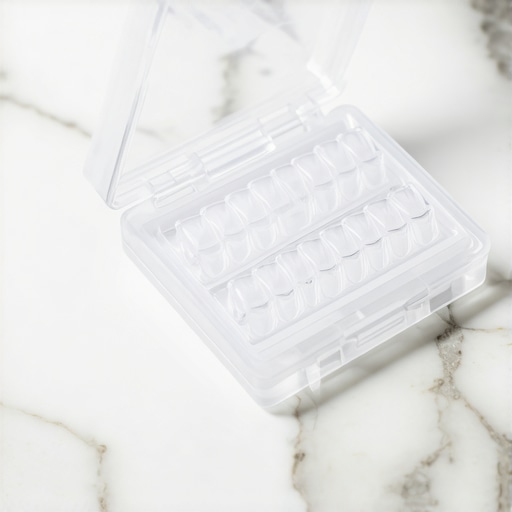
I was sitting at my favorite brunch spot, staring at a crumpled paper napkin that looked exactly like the three other napkins on the table. Somewhere inside that white wad of paper was several thousand dollars worth of orthodontic technology. My heart plummeted when the waiter reached for the ‘trash’ just as I realized I’d made the cardinal sin of aligner wearers. We’ve all been there. You pop them out to enjoy a croissant, and suddenly, your expensive trays are a hair’s breadth away from a dumpster. This wasn’t my first rodeo; I’ve actually accidentally sat on a pair I left ‘just for a second’ on my nightstand. It’s stressful, it’s gross, and frankly, it’s avoidable. Today, I’m going to share exactly how I stopped living in fear of losing my trays and why the right storage habits are just as important as wearing them for 22 hours a day.
Don’t Let Your Napkin Habit Cost You a Fortune
Early in my journey with Invisalign innovation, I thought I was too smart for the ‘official’ case. I’d just shove them in my pocket or, worse, wrap them in a tissue. Big mistake. Beyond the risk of them being crushed, I quickly learned that clear aligners turn yellow much faster when they are exposed to the open air and lint from your pockets. I once spent forty-five minutes digging through a restaurant’s trash bin because I thought I was ‘saving time’ by not walking back to my car for my case. It was the lowest point of my dental journey. Have you ever had that panicked moment of ‘where did I put them?’ while staring at a cleared dinner table?
Do you really need to carry a case everywhere?
The skepticism is real—who wants to carry a plastic puck in their pocket at a formal gala or a dive bar? But here is the thing: according to the American Association of Orthodontists, losing or breaking an aligner can set your treatment back by weeks and potentially cost you hundreds in replacement fees. When you are eating with clear aligners at a restaurant, having a designated, brightly colored case is your only real insurance policy. Plus, it’s not just about loss; it’s about hygiene. Open air is a playground for bacteria. If you aren’t using a case, you’re essentially letting your trays marinate in whatever is floating around the room. Keeping them sealed keeps them fresh, provided you also know how to clean your aligner case properly to avoid bacterial buildup. Let’s look at the best ways to keep those trays safe, whether you’re at home or on the go.
Build a Storage System That Actually Works
The first rule of Aligner Club is that if your trays are not in your mouth, they must be in their case. No exceptions. Think of your aligners like a pair of high-end contact lenses for your teeth; you wouldn’t just set those down on a restaurant table or a park bench. To make this work, you need to eliminate the ‘I forgot my case’ excuse entirely. I personally keep three cases: one in my car, one in my work bag, and one on my bathroom counter. This redundancy is the secret to Invisalign secrets: achieving a perfect smile discreetly without the panic of a lost tray. I remember a Tuesday morning at the gym when I popped my trays into the side pocket of my duffel because I forgot my case. I spent twenty minutes after my shower frantically shaking out dirty gym clothes, terrified I’d crushed them under a 15-lb dumbbell. Now, I have a backup case clipped to my gym bag zipper. If you do find yourself without a case, use a clean glass of water as a temporary holding cell—never a napkin.
Keep One Case in Every Single Bag
Consistency is your best friend. By spreading cases across your most-frequented locations, you remove the decision-making process. When the waiter brings the bread basket, your hand should instinctively reach for your bag, not the napkin dispenser. This habit also helps you avoid that awkward moment where you have to hide your ‘teeth’ from your dinner date. Keeping them stored properly also prevents environmental damage. 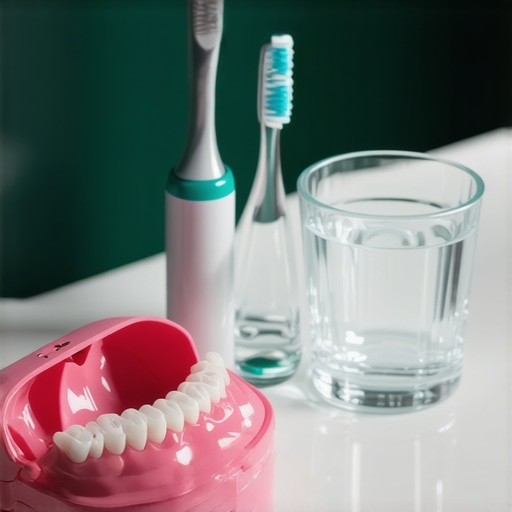
The 5-Second Rule for Your Case
Every time you remove your trays, rinse them immediately under cool water before putting them in the case. This prevents saliva from drying into a crusty film. If you’ve ever wondered why your breath smells like vinegar after wearing aligners all night, it’s usually because of dried bacteria on the trays or a dirty case. Make it a habit to wipe out your case daily with a damp cloth. You should also know how to clean your aligner case without a dishwasher using gentle soap to keep the environment sterile.
Keep Your Trays Invisible and Odor-Free
Clarity is the whole point of clear aligners. If they turn cloudy or yellow, they become much more noticeable. This usually happens because of tiny scratches from abrasive toothpastes or from soaking them in colored mouthwash. You want to stop your clear aligners from turning yellow over time by sticking to clear, specialized cleaning crystals or a simple mixture of white vinegar and water.
Fight the Yellow Tint With Daily Soaks
Soak your trays at least once a day while you eat dinner. This deep clean removes the biofilm that brushing alone misses. It’s also a great time to address any chemical odors. For many patients, knowing how to get rid of the plastic aftertaste from new invisalign trays is a game-changer for the first two days of a new tray cycle. A quick soak in a mild, clear solution can neutralize that factory smell instantly.
Master the Art of Disguising Your Aligner Lisp
When you are out in public, you might feel self-conscious about how you sound. Many people struggle with how to deal with the lisp, and while aligners are thinner than lingual braces, the strategy is the same: talk more, not less. Practice over-enunciating ‘S’ and ‘T’ sounds while you’re driving or in the shower. The more your tongue gets used to the trays being there, the faster your speech will return to normal. Most people won’t even notice the slight change unless you point it out or keep fiddling with your mouth.Let’s dig deeper into the nuances that separate a standard dental job from a truly expert transformation. While most people believe that the goal of cosmetic dentistry is just ‘whiter teeth,’ the reality is far more complex. In my experience, focusing solely on shade is the quickest way to end up with a smile that looks artificial. You need to understand how to stop your veneers from looking too white and fake by prioritizing translucency over brightness. If your teeth do not reflect light at the edges, they will not look like your own.
Why Does Your Jaw Click Only After Finishing Orthodontics?
One of the most sophisticated traps patients fall into is ignoring the ‘settling’ period of their bite. A common misconception is that if your teeth look straight, the treatment was a success. However, a study in the Journal of Clinical Orthodontics notes that the final positioning of the condyle in the jaw socket is just as vital as tooth alignment. If your alignment is perfect but your bite is slightly off, you may find yourself needing to fix the clicking sound in your jaw during orthodontic treatment or immediately after. This isn’t a failure of the technology; it’s often a failure to account for how your muscles adapt to the new tooth positions.
Treat Your Veneers Like Fine China Not Enamel
Another major ‘oops’ factor is the maintenance of high-end restorations. People spend thousands on a smile and then use a charcoal-based abrasive paste. You must stop brushing your veneers like they are real teeth because the glazing on the porcelain can be etched by harsh chemicals. Once that glaze is gone, the porcelain becomes porous and prone to staining.  This is also why choosing between veneers vs crowns: which is right for your smile depends heavily on your existing bite force and whether you grind your teeth at night. If you’ve wondered why your professional whitening didn’t work as well as last time, it may be because you’ve reached your genetic ceiling for brightness, or perhaps your enamel has thinned over the years. Over-whitening thinned enamel actually makes teeth look darker because the yellow dentin underneath shows through more clearly. Have you ever fallen into the trap of thinking ‘more is always better’ when it comes to dental work? Let me know in the comments.Once you’ve invested in a top-tier smile, the game shifts from ‘getting’ to ‘keeping.’ I remember thinking that once the trays were off or the porcelain was bonded, I was done. I couldn’t have been more wrong. To keep things pristine, I’ve moved past the basic toothbrush. I now use a specialized ultrasonic cleaner every single morning. Why? Because manual scrubbing with a brush can actually create micro-scratches—even on veneers—where bacteria love to hide. If you want to transform your smile with veneers and keep it that way, you have to treat them with more respect than natural enamel.
How do I keep my results from fading over the next decade?
The answer isn’t just ‘brush more.’ It’s about precision. For those of us with permanent hardware, you absolutely must learn how to clean plaque off a permanent retainer wire without snapping the bond. I also tell everyone I know to switch to a water flosser. It’s the only way to reach those tiny gaps that manual floss misses, especially when you are following the best routine for keeping your dental implants clean. If you leave even a tiny amount of biofilm around an implant or a veneer margin, you’re looking at gum recession, which is the number one killer of aesthetic dental work. 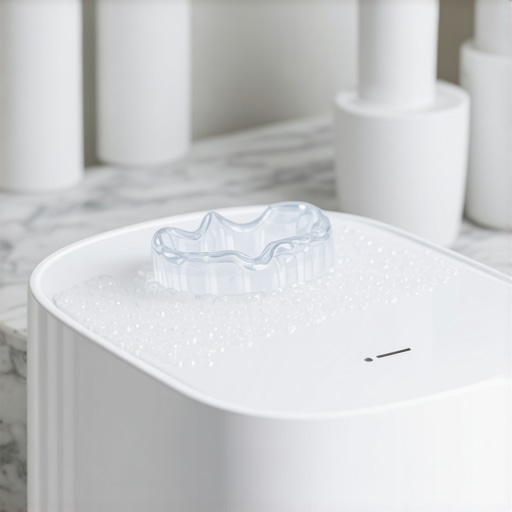 I’m a big believer in data-driven health. According to the Journal of Prosthetic Dentistry, the longevity of ceramic restorations increases by nearly 40% when patients use a night guard consistently to mitigate nocturnal grinding forces. I don’t care if you don’t think you grind your teeth; the pressure we put on our jaws during sleep is immense. This is why family dentistry: building healthy smiles for every generation now focuses so heavily on preventative appliances. Looking ahead, I see the industry moving toward ‘Virtual Dental Monitoring.’ We’re already seeing apps where you take a weekly scan of your mouth with your smartphone, and AI compares it to your baseline. It’s similar to the real reason Culpeper dentists are swapping traditional x-rays for 3D scans: it’s all about precision. This level of oversight is making things like top teeth whitening strategies far more personalized. If you take one thing away from this, let it be this: Buy a dedicated ultrasonic cleaner for your trays or night guards today. It’s a $40 investment that protects a $5,000 smile. It’s the single most effective way to prevent that ‘old dental work’ smell and keep your breath fresh. Give it a try for a week and tell me you don’t see the difference in clarity.
The Truth About Living With a High-Maintenance Smile
Over the years, I’ve realized that the real challenge isn’t the dentist’s chair; it’s the 23 hours a day you spend away from it. One lightbulb moment for me was accepting that orthodontic movement isn’t always linear. For instance, if you ever wonder why your front tooth looks shorter after wearing invisalign, it’s usually just a transitional phase as the roots reposition—not a reason to stop. I also learned that perfection is a moving target. Even when you look into veneers made simple, the maintenance requires more focus than natural teeth ever did. Finally, remember that your whitening potential is finite; the most effective teeth-whitening secrets for a sparkling smile in 2025 focus on consistency rather than intensity.
My Daily Arsenal for Maintaining Perfection
I don’t leave my dental health to chance, and neither should you. Here are the four things I swear by: First, an Ultrasonic Cleaner—it removes the invisible biofilm that brushes miss and keeps aligners crystal clear. Second, a Water Flosser, which is the only way to safely clean around aesthetic work without the risk of popping a bond. Third, I highly recommend checking out the ultimate guide to teeth whitening options in 2025 to find a low-sensitivity formula that works for your specific enamel type. Lastly, don’t overlook the basics of ensuring family dental care by keeping high-quality, gentle pastes available for the whole household so everyone stays on track.
Your Path to a Confident Transformation
Investing in your smile is one of the few decisions where the benefits only grow over time. Whether you are just starting your first tray or polishing off a full set of restorations, the discipline you build today is what keeps that investment from fading. Take it one day at a time, keep your case handy, and don’t be afraid to ask your provider the ‘weird’ questions. Your smile is unique, and your maintenance routine should be too. What’s the one habit you’re finding hardest to stick to with your new smile routine? Let’s swap tips in the comments below!