
Why your teeth feel furry only a few hours after brushing
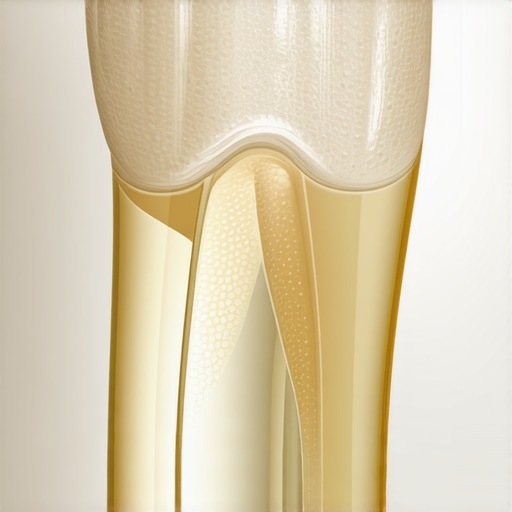
I’ll never forget the time I was halfway through a first date and suddenly realized my teeth felt like I’d been snacking on velvet. I spent the rest of the night with my lips tightly pressed together, terrified that if I smiled, my date would see a layer of moss growing on my enamel. It’s that ‘furry’ feeling we all loathe—that gritty, fuzzy texture that seems to appear out of nowhere just a few hours after a thorough morning scrub. If you’ve ever found yourself in a public restroom trying to scrape your teeth clean with a paper towel, believe me, I’ve been there too. It feels like a personal failure, doesn’t it? You do the work, you buy the fancy paste, and yet your mouth feels like a science experiment by lunchtime. Today, I’m going to share exactly why this happens and how you can actually stop it from ruining your day. We aren’t just talking about brushing better; we’re looking at why your mouth’s environment is working against you.
Stop blaming your toothbrush for that midday fuzzy feeling
When I first started noticing that gritty film, I made a massive mistake: I assumed I just wasn’t being aggressive enough. I bought the stiffest toothbrush I could find and practically tried to sand my teeth down. Not only did the fuzz stay, but I ended up learning the hard way why your gums are receding even though you brush every day—it’s often a direct result of that over-eager scrubbing. That ‘fur’ is actually a complex biofilm of bacteria that colonizes your mouth with incredible speed. It starts with something called a pellicle, a thin layer of proteins from your saliva that lands on your teeth within minutes of cleaning. While it’s meant to protect you, it also acts like a magnet for bacteria. According to the American Dental Association, plaque can start to reorganize and become a palpable film in as little as 4 to 12 hours after you finish brushing. If your mouth is slightly dry or you’ve had a sugary snack, that process accelerates. It’s the same biological buildup that leads to the real reason your breath smells bad even when you think you’re being hygienic. Have you ever noticed the fuzz gets worse specifically after your second cup of coffee?
Is this fuzzy sensation really worth the anxiety?
Many people I talk to worry that this furry texture means they are on a fast track to major dental work or expensive family dentistry bills. While the fuzz is annoying, it’s usually a sign of a pH imbalance or a lack of saliva rather than an immediate disaster. When I was struggling with this, I realized I was focusing so much on ‘cleaning’ that I forgot about ‘maintaining.’ For example, I was so worried about stains that I was following tips to keep your teeth white while ignoring the fact that my mouth was becoming an acidic playground for plaque. Once I shifted my focus to neutralizing those acids and staying hydrated, the moss stopped growing. We’re going to dive into the specific habits that actually keep that surface smooth, so you can stop worrying and start smiling again.
Turn your mouth back into a smooth surface
To stop the moss from growing, you have to treat your mouth like a chemistry lab that needs constant balancing. The first and most critical step is managing your salivary flow. Saliva is your body’s natural defense mechanism; it buffers acids and washes away the very food particles that bacteria use to build their gritty little cities. I remember one sweltering July when I was traveling for work and survived almost entirely on iced lattes and recycled airplane air. By the time I landed, my teeth felt like they were wearing tiny wool sweaters. I tried to scrub the feeling away in the terminal bathroom, but it was back before I even reached the baggage claim. The breakthrough wasn’t a better brush; it was realizing I was severely dehydrated. Once I started drinking 24 ounces of water for every cup of coffee, the fuzz vanished because my saliva could finally do its job. If you are teaching your children these habits, following family dentistry tips like encouraging water over juice can prevent them from ever dealing with this frustrating film.
Drink water like it is your second job
It sounds overly simple, but the mechanics are undeniable. Every time you take a sip of water, you are manually resetting the environment in your mouth. This is especially vital if you are currently using clear aligners to straighten your teeth. Bacteria love the warm, enclosed space under those trays, and if you aren’t flushing your mouth regularly, you’ll find that film building up twice as fast. Mastering invisalign secrets often comes down to the basics: drink water constantly and never put your trays back in after a meal without a quick rinse.
Stop the acid attack before the fuzz starts
The fuzzy feeling is often a byproduct of an acidic pH level. When you eat sugar or refined carbs, bacteria produce acid, which softens your enamel and makes it stickier for more bacteria to cling to. To combat this, try rinsing with an alkaline mouthwash or even a simple baking soda and water solution after meals. This neutralizes the acid instantly. I used to carry a small bottle of pH-balanced spray in my pocket during my ‘velvet teeth’ phase, and it was a total game-changer. This is also a crucial step if you have recently invested in cosmetic upgrades; you must stop brushing your veneers like they are real teeth using abrasive whitening pastes that can create micro-scratches where plaque loves to settle.
Treat your dental work with more respect
If you have restorations, the margin where the porcelain meets your tooth is a prime real estate zone for that gritty buildup. Whether you are looking into the ultimate guide to teeth whitening options in 2025 or you already have a full set of veneers, the goal is the same: keep the surface slick. Use a soft-bristled electric toothbrush with a pressure sensor. Most people who experience the ‘midday fuzz’ are actually over-brushing, which causes microscopic trauma to the gums and enamel, making the tooth surface rougher and easier for biofilm to grip. Finally, don’t forget your nighttime gear. If you use a guard, make sure you know how to properly clean a night guard to prevent bacterial buildup, otherwise, you are just re-introducing a thick layer of bacteria to your teeth the second you go to sleep.
Beyond just cleaning your night guard, there’s a common trap I see even the most dedicated dental enthusiasts fall into: the perfectionist’s obsession. We spend thousands on veneers and Invisalign, thinking we’ve fixed our teeth forever. But here’s the contrarian truth: the more artificial your smile becomes, the more naturally aggressive you have to be about the biological nuances most people ignore. Everyone says that professional whitening is the gold standard, but in my experience, people often hit a saturation point that actually ruins the look. If you keep bleaching past a certain level, your teeth lose their natural translucency and start to look like flat, gray chalk. This is often why your professional whitening didn’t work as well as last time; you’ve essentially maxed out the enamel’s ability to reflect light.
Can you really over-whiten your smile into a gray mess?
Yes, and it is a nightmare to fix. A study published in the Journal of Dentistry confirms that excessive peroxide exposure can alter the organic-inorganic ratio of the enamel, making it more porous. When the enamel becomes too porous, it doesn’t just look dull—it actually becomes a magnet for the very stains you are trying to avoid. If you’ve been chasing a Hollywood glow and noticed your teeth look more translucent or blueish at the edges, you’ve likely overdone it. This is why following the ultimate guide to teeth whitening options in 2025 is so important; it’s about timing and pH, not just the strength of the gel.
The invisible margin trap that ruins expensive veneers
The most dangerous mistake you can make with cosmetic restorations is assuming they are one solid piece with your tooth. In reality, there is a microscopic margin where the porcelain meets your natural enamel. If your hygiene routine isn’t precise, that margin becomes a breeding ground for the same ‘fuzzy’ biofilm we discussed earlier. I’ve seen patients who focus so much on the front of their teeth that they ignore the gumline, leading to that dreaded gray shadow. You have to learn how to stop your veneers from looking too white and fake by maintaining the health of the surrounding tissue. If the gums recede even a millimeter because of plaque buildup at the margin, the illusion of a perfect smile is shattered.
Don’t panic when your teeth feel loose during Invisalign
Another nuance that catches people off guard is the sensation of mobility. When you are using clear aligners, your teeth are being intentionally disconnected from their current bone socket to move. It’s normal to feel a slight wiggle, but the ‘Oops’ factor comes when patients stop wearing their trays because they are scared their teeth will fall out. This actually stalls the bone-remodeling process and can lead to permanent damage. Understanding why your teeth feel loose during the second month of Invisalign is key to staying the course. For parents managing family dental care, explaining this biological movement to a teenager can save a lot of anxiety and costly mid-treatment corrections. Have you ever fallen into the trap of over-whitening or panicking during orthodontic shifts? Let me know in the comments.
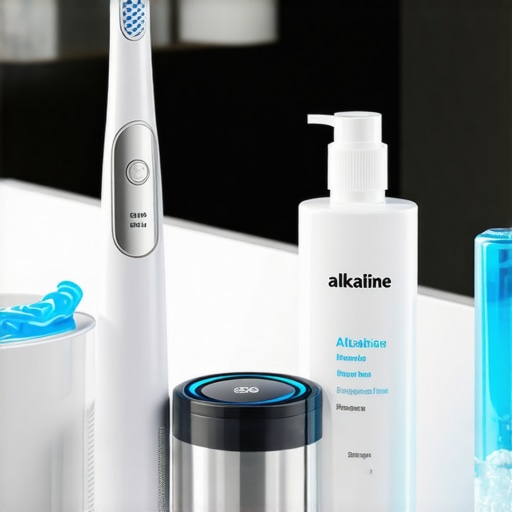
Once the initial excitement of a straight, white smile wears off, reality sets in: your mouth is a dynamic, living environment that wants to return to its messy baseline. I’ve found that the biggest hurdle isn’t the treatment itself, but the maintenance phase. If you aren’t careful, you’ll find your veneers look dull after five years or your aligners smelling like an old gym shoe. To avoid this, I rely on a specific toolkit that goes beyond the basics of a simple manual brush. I use a sonic toothbrush with a built-in pressure sensor specifically because it prevents the mechanical abrasion that leads to gum recession. This is non-negotiable for anyone who has invested in cosmetic work. Additionally, for those in clear aligners, you must learn how to stop your clear aligners from turning yellow by using an ultrasonic cleaner rather than just scrubbing them with toothpaste, which creates micro-scratches where odors live.
How do I keep these results for the next decade?
Maintenance is about consistency and the right chemicals. I personally use an alkaline mouth rinse every single night to reset my oral pH. According to a study published in the International Journal of Esthetic Dentistry, the integrity of the resin cement used in veneers is significantly more stable in a neutral pH environment compared to an acidic one. If you are a coffee lover, this is your secret weapon. For those with fixed hardware, you really have to master how to clean plaque off a permanent retainer wire using a bridge threader, or you’ll face localized gingivitis that ruins the aesthetics of your lower teeth. I also recommend following specific teeth whitening secrets for a sparkling smile that involve using a desensitizing gel 30 minutes before any touch-up treatment to prevent the ‘zings’ that make people quit their maintenance routine prematurely.
Your phone will soon be your dentist’s best friend
The trend I’m seeing—and where the industry is heading in the next few years—is remote monitoring. We are moving toward a world where AI-powered smartphone apps will scan your teeth weekly and alert you if a veneer margin is leaking or if a new cavity is forming before you can even see it. This level of preventative ‘scaling’ will make the traditional six-month check-up feel like a relic. For now, the best thing you can do for your family’s oral health is to stay proactive. If you are a parent, incorporating family dentistry tips like disclosing tablets for kids can turn maintenance into a game rather than a chore. My top advanced tip? Get an ultrasonic cleaner for your bathroom counter today. It is the single most effective tool for keeping aligners, night guards, and retainers hospital-grade clean without any manual scrubbing. Try it for one week and look at the water afterward—you’ll never go back to just rinsing them in the sink.
The hard truths about maintaining a celebrity-level smile
If there is one thing I’ve learned from years of dental obsessiveness, it’s that a beautiful smile is more about your bathroom habits than your dentist’s skills. First, remember that veneers are an investment in your appearance, not a free pass to stop flossing; you should check out these expert tips for veneers to ensure they last. Second, never underestimate the power of pH. You can spend thousands on teeth whitening secrets, but if you’re constantly sipping on lemon water, you’re just washing your money down the drain. Finally, listen to your body—a white spot isn’t always a stain, and knowing how to tell if a white spot is a cavity can save you from a root canal down the road. These realizations turned my dental health from a source of anxiety into a source of pride.
Build your own oral health defense kit
To keep that ‘fresh from the dentist’ feeling, I recommend four specific tools that go beyond the standard drugstore toothbrush. First, an ultrasonic cleaner is a total game-changer for anyone utilizing invisalign secrets to keep their trays transparent and odor-free. Second, ditch the abrasive trends and learn the truth about charcoal whitening, which can actually destroy your enamel and leave your teeth more susceptible to that fuzzy feeling. Third, invest in high-quality disclosing tablets; they are the most honest feedback you’ll ever get about where plaque is hiding. Fourth, keep a dedicated travel kit for family dentistry needs so your kids never have an excuse to skip their routine during busy weekends or vacations.
#IMAGE_PLACEHOLDER_E#
Own your smile starting today
Taking care of your teeth doesn’t have to feel like a losing battle against biology. Whether you are currently navigating the world of Invisalign innovation or simply trying to keep your natural teeth healthy for the long haul, it is the small, daily choices that truly define your results. A confident, smooth-feeling smile changes how you carry yourself and how you interact with the world. You deserve to feel that gritty film vanish for good and enjoy the peace of mind that comes with a truly clean mouth. Have you ever felt like your dental routine was a losing battle against that midday fuzzy feeling? Let me know in the comments below!