
The truth about charcoal toothpaste and your tooth enamel
I’ll never forget the morning I looked in the mirror, toothbrush in hand, and realized my bathroom sink looked like a coal mine. I was three weeks into the charcoal revolution, convinced that scrubbing my teeth with pitch-black soot was the secret to that blindingly white Hollywood glow. But instead of a movie-star smile, I noticed something terrifying: my teeth weren’t just whiter; they were becoming translucent at the edges and painfully sensitive to my morning coffee. I fell for the marketing hook, line, and sinker, thinking that if it was natural, it had to be safe. I was wrong, and today, I want to make sure you do not make the same mistake I did. We are going to dive into the gritty reality of what that abrasive paste does to your precious enamel and how you can actually achieve a brighter smile without sanding away your teeth.
Why My Charcoal Experiment Almost Cost Me My Smile
I used to think that the more a toothpaste scrubbed, the better it worked. I even ignored the fact that the truth about the charcoal whitening trend is often buried under glossy social media ads. One major mistake I made early on was using charcoal paste twice a day, every single day. I thought I was being thorough, but I was actually acting like a woodworker using heavy-grit sandpaper on fine silk. Enamel does not grow back. Once it is gone, it is gone for good. This is a lesson I learned the hard way when I started experiencing the kind of sharp zingers usually reserved for people who chew on ice cubes. Have you ever tried a natural whitening hack only to end up with more sensitivity than you started with?
Is that black soot actually worth the hype?
Many people turn to charcoal because they are frustrated with why your teeth look gray instead of yellow and want a quick fix. While charcoal can lift some surface stains from coffee or wine, it lacks the chemical power to change the actual internal color of your tooth. In fact, the American Dental Association has noted that there is no evidence charcoal products are safe or effective for long-term dental health, and many are far too abrasive for daily use. I have seen much better, safer results from proven teeth whitening strategies that do not involve the hidden risks of using lemon juice or other kitchen pantry cures. It is easy to get caught up in the DIY craze, but your enamel is the only shield your teeth have. If we compromise it for a temporary flash of brightness, we are looking at a lifetime of potential dental repairs.
Switch to Chemistry Over Friction
Instead of trying to sand away stains like you are prepping a rusty fence for paint, you need to think of whitening as a deep-cleaning process for a delicate fabric. Your enamel is porous, much like a white cotton shirt. When you use charcoal, you are just rubbing the surface and hoping for the best, but true whitening happens when a peroxide-based agent penetrates those pores to break down the actual pigment molecules. If you want a real change, look into the ultimate guide to teeth whitening options in 2025 to see which chemical approach fits your sensitivity level. One time, I tried a DIY kit with a generic tray that did not fit my mouth. The gel did not stay on my teeth; it migrated to my gums, and I spent the next three days wondering about the simple reason your gums bleed only when you floss one specific tooth—except in my case, it was because I had chemically irritated my entire gum line with an ill-fitting plastic piece. Precision in your tools is the difference between a bright smile and a painful week.
Pick Your Whitening Method Based on Reality
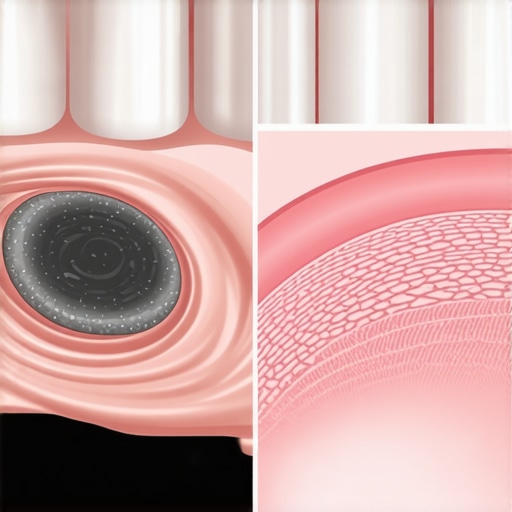
If your stains are deep-set from years of coffee or certain medications, surface-level fixes simply will not cut it. This is particularly true if you are dealing with why your teeth look gray instead of yellow and how to fix it, as gray tones often indicate internal issues or thin enamel that no amount of scrubbing will solve. In these cases, you might want to consider more permanent aesthetic changes. Options like veneers made simple can provide a consistent, bright shade that does not rely on the strength of your existing enamel. It is like putting high-quality siding on a house instead of constantly repainting old, damaged wood. For those whose smiles are a bit crowded, aligning them first with invisalign secrets can actually make whitening more effective because you will not have overlapping areas where dark stains can hide and accumulate.
How Your Schedule Affects Your Results
Timing is everything when you are trying to lift stains effectively. You should aim for the best time of day to whiten your teeth for maximum results, which is typically right before bed. This allows your enamel pores to close up overnight without you immediately introducing new stains from your next meal. If you are a red wine lover, stop the aggressive brushing immediately after a glass. Use the only way to get red wine stains off your enamel without scrubbing by rinsing with water immediately to neutralize the acid and then waiting at least thirty minutes before brushing. For families, maintaining this kind of health across all ages is key, which is why family dentistry building healthy smiles for every generation is the foundation of any cosmetic goal. You cannot build a beautiful skyscraper on a swampy foundation; you need healthy gums and strong enamel before you even think about the aesthetic upgrades.
The biggest myth in modern dentistry—one I had to learn the hard way—is the belief that cosmetic upgrades like veneers or professional whitening are a ‘set it and forget it’ solution. Most people assume that once they’ve invested in a Hollywood smile, they have essentially bought a set of stain-proof armor. This mindset is the ultimate trap. In reality, maintaining professional dental work requires a more nuanced approach than caring for natural teeth. If you treat high-end porcelain like it’s indestructible, you’ll find yourself wondering why your porcelain veneers look dull after five years of wear. The glaze on a veneer is microscopic; once you scratch it with abrasive charcoal or ‘whitening’ toothpastes, that shine is gone forever, and the material becomes a magnet for the very stains you were trying to avoid.
The Dangerous Myth of the Paper-White Smile
Here is a contrarian truth: if your teeth are the same color as a piece of printer paper, you have probably gone too far. Many patients push their dentists for the highest possible bleach shade, but natural teeth are inherently polychromatic. They have depth, translucency, and slight color variations from the gum line to the biting edge. According to a study by the American Academy of Cosmetic Dentistry, the most ‘attractive’ smiles are those that mimic the light-reflecting properties of natural enamel, rather than those that look like solid white blocks. When you ignore this, you fall into the ‘denture look’ trap. To avoid this, you must understand how to stop your veneers from looking too white and fake by prioritizing translucency over sheer brightness. A truly expert smile design isn’t just about color; it’s about how the edges of your teeth catch the light when you speak.
Why do my professional veneers look dull after five years?
This is a question I hear often from people who thought they were being ‘extra clean.’ The ‘oops’ factor here is usually your choice of toothpaste. If you use a gritty, high-RDA (Relative Dentin Abrasivity) paste, you are essentially sanding down the laboratory-polished surface of your investment. You have to stop brushing your veneers like they are real teeth and switch to a non-abrasive gel. The same goes for orthodontic innovations; while invisalign innovation has made straightening easier, many people ruin their results by using harsh chemicals to clean their trays, which creates micro-scratches that trap bacteria and cause that dreaded ‘cloudy’ look.
The Ripple Effect on Family Care
We often treat cosmetic goals as a solo journey, but your dental habits set the tone for the entire household. While you are obsessing over the perfect shade of porcelain, it is easy to neglect the foundational health of the younger generation. In my experience, parents who are hyper-focused on their own aesthetic results sometimes overlook the subtle signs of decay in their children until it’s a full-blown emergency. Ensuring family dental care what parents need to know in 2025 means realizing that cosmetic success is built on a bedrock of health. You can have the most expensive veneers in the world, but if your gum health is failing or your family’s routine is inconsistent, the ‘look’ won’t last. Have you ever fallen into this trap? Let me know in the comments.
Upgrade Your Toolkit for a Forever Smile
Moving from manual tools to precision technology changed everything for me. I used to struggle with the best method for flossing under a permanent lingual retainer until I invested in a Waterpik Aquarius. Why this specific one? It is about the pulse modulation. It is not just a stream of water; it is a targeted strike against plaque that a string simply cannot reach in those tight metal corners. If you are managing invisalign innovation or complex dental work, you need tools that respect the hardware. For my veneers, I swapped my heavy-handed scrubbing for a Philips Sonicare with a built-in pressure sensor. This is not just a luxury; it prevents the exact kind of micro-abrasion that leads to why your porcelain veneers look dull after five years of wear. According to the ISO 11609 standard, which specifies the requirements and test methods for the physical and chemical properties of dentifrices, using a low-RDA (Relative Dentin Abrasivity) gel with a sonic brush is the only way to preserve the factory-level polish of porcelain.
How do I maintain my professional whitening results over time?
The secret is not just what you do in the chair; it is how you manage the 48 hours after. I always tell friends that the ultimate guide to teeth whitening options in 2025 is useless if you do not master the ‘white diet’ post-treatment. But long-term? You have to learn how to keep your teeth white without giving up black tea by using a reusable straw and rinsing immediately. If you use a night guard, you must also know how to clean the stubborn gunk out of your night guard using ultrasonic cleaners. I personally use a small iSonic unit; it uses 42,000 Hz ultrasonic waves to blast away biofilm that a toothbrush cannot even see. This prevents the bacteria from transferring back to your freshly whitened teeth every night.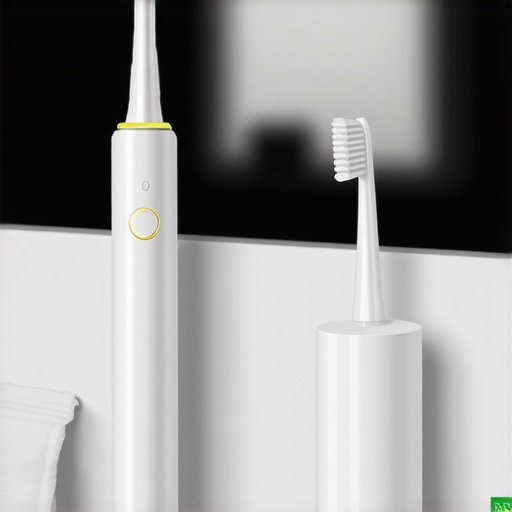
The Future of Home Dental Care is Already Here
Looking ahead, I predict we are moving toward ‘smart enamel’ sensors. We are already seeing the real reason culpeper dentists are swapping traditional x-rays for 3d scans, but soon, you will have a small bio-chip in your retainer that alerts your phone when your mouth pH levels drop too low, risking a cavity. It sounds like sci-fi, but the integration of AI in ensuring family dental care what parents need to know in 2025 is already happening with smart brushes that map your mouth in 3D. My advice? Start by switching to a dedicated aligner cleaner like WhiteFoam or a similar oxygenating pump. It cleans your trays while they are in your mouth, neutralizing the acids that cause why your breath smells like vinegar after wearing aligners all night. Give the ultrasonic cleaner a try this week—it is the single biggest game-changer for anyone with removable dental appliances.
Hard Lessons from My Brush with Enamel Loss
Looking back at my charcoal experiment, the biggest takeaway was that ‘natural’ is a marketing term, not a safety certification. I learned that my teeth are more like fine marble than a dirty kitchen floor—they need gentle chemistry, not aggressive scrubbing. If I could go back, I would have skipped the soot and jumped straight into the ultimate guide to teeth whitening options in 2025 to find a solution that actually respects my biology. I also realized that perfection is the enemy of a beautiful smile; aiming for a natural glow is much safer than chasing the porcelain look that often ends up looking artificial. You can learn how to stop your veneers from looking too white and fake by focusing on light-reflecting translucency rather than just flat white paint. Finally, I discovered that my own vanity shouldn’t overshadow the basics, especially when ensuring family dental care what parents need to know in 2025 is the real foundation of long-term health.
The Gear That Actually Saved My Daily Routine
To keep my smile healthy without further damage, I have streamlined my cabinet to just a few high-impact items. First, I ditched the generic manual brush for a sonic version with a pressure sensor—it is the only way to ensure I do not sand down my gums and cause recession. Second, I swear by a dedicated ultrasonic cleaner for my appliances; you really need to know how to clean the stubborn gunk out of your night guard to prevent plaque transfer back to your teeth every night. Lastly, I always keep a supply of pH-neutral, low-RDA toothpaste on hand to preserve the shine of my dental work without the gritty textures found in discount brands.
Your Path to a Truly Radiant Smile
Changing your habits can feel daunting, but your enamel will thank you for every gentle choice you make starting today. You do not have to choose between brightness and health; when you use modern science correctly, you can have both. Focus on consistency, use the right tools, and remember that your smile is a living part of you that deserves care, not just a cosmetic project. Teeth whitening is a journey, not a one-time event, so be patient with the process and prioritize your health above all else. Have you ever tried a ‘natural’ whitening hack that ended up causing more sensitivity than you expected? Let me know in the comments below!