
Why your dental implant crown feels slightly wiggly when you chew
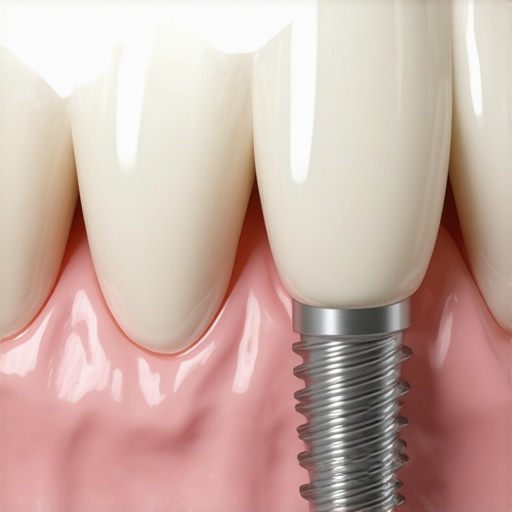
I will never forget the exact moment it happened. I was sitting at a neighborhood barbecue, laughing at a joke with a mouthful of corn on the cob, when I felt it. A tiny, almost imperceptible shift. My dental implant crown, the one I had paid a small fortune for, felt slightly wiggly against my tongue. My heart did a slow somersault. Was the whole thing failing? Was I about to lose a tooth in front of the entire PTA? It is a visceral, localized panic that makes you want to stop chewing forever. If you are reading this while gently poking at your crown with your tongue, take a deep breath. You are not alone, and in most cases, your jaw is not actually rejecting the metal.
That Sinking Feeling When Your Fake Tooth Starts to Move
When you first get an implant, you expect it to be a permanent, immovable fortress in your mouth. So, when it starts to feel like a loose baby tooth, it is natural to spiral. I certainly did. I made the classic mistake of waiting nearly three weeks before calling my dentist, convinced that if I just chewed on the other side, the problem would settle itself. Spoiler alert: it did not. In fact, ignoring that slight movement can lead to bigger issues, much like how receding gums can sneak up on you if you are not paying attention. Today, we are going to get to the bottom of that wiggle, identify whether it is just a loose screw or a deeper structural issue, and figure out how to get your bite back to 100%.
Is my whole implant about to fall out?
This is the big fear, right? The good news is that a wiggly crown is usually just that—the crown (the porcelain part) is loose, not the actual titanium post in your bone. According to the American Academy of Implant Dentistry, dental implants have a success rate of about 95% to 98%, so the odds are heavily in your favor. Often, the tiny screw connecting the crown to the abutment has simply backed out a fraction of a millimeter. It is a mechanical hiccup, not a biological failure. However, you need to know how to tell if your dental implant is successfully healing versus when the stability is actually compromised. If you have noticed that your dental crown needs to be replaced or tightened, getting in early is the key to avoiding a cracked abutment. Have you ever felt that terrifying little click while eating something soft? Let me know, because I swear it always happens during the most important meals of our lives!
It is also worth noting that sometimes the sensation is just different because of the material. For instance, some people find their new dental implant feels slightly heavier than a natural tooth, which can make any minor movement feel magnified. We are going to look at the three most common reasons for this instability and why your local clinic can probably fix it in under fifteen minutes.
Determine if the Screw or the Post is Moving
Before you spiral into a panic, you need to identify where the wiggle is coming from. Think of your dental implant like a high-end wall-mounted TV. You have the bracket (the implant post in your bone), the mounting arm (the abutment), and the TV itself (the crown). Most of the time, the TV is just loose on the arm. To test this, gently place two fingers on the crown and try to rock it. If the crown moves but you do not feel any sensation deep in your jawbone or see the gums moving with it, you are likely dealing with a loose prosthetic screw. This is a mechanical issue, much like how new veneers feel like they are pushing against your other teeth initially; it is about the fit and tension of the components rather than a failure of the surgery itself.
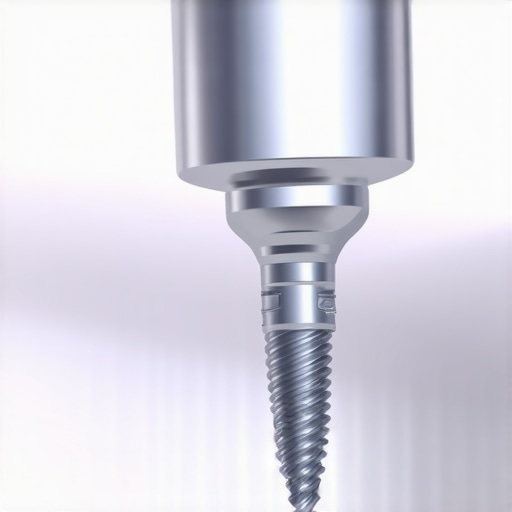
However, if the movement feels like it is coming from the foundation—if it hurts when you press down or the gum tissue shifts with the tooth—that is a different story. You need to know how to tell if your dental implant is successfully healing because a loose post requires immediate surgical attention. I remember the time I tried to ‘test’ my own loose crown with a pair of metal tweezers, thinking I could just give it a little nudge back into place. Not only did I scratch the porcelain, but I also realized that without a professional torque wrench, I was just making the problem worse. Never play DIY dentist with an implant; you risk stripping the internal threads of the expensive titanium post.
What to Do While You Wait for Your Appointment
The moment you feel that wiggle, your diet needs to change immediately. Stop chewing on that side of your mouth. Avoid anything sticky like caramel or tough like steak, which can create a vacuum effect and pull the crown completely off the abutment. If the crown does come off, do not try to glue it back on with over-the-counter kits. These adhesives are not designed for the precision of an implant and can cause a massive headache for your dentist later. Instead, keep the crown in a clean container and bring it with you. This is also a good time to reflect on your overall oral health strategy. Whether you are weighing veneers vs crowns for other teeth or simply maintaining what you have, stability is everything.
The 15-Minute Office Fix You Can Expect
When you finally get into the chair, the fix is often surprisingly simple. The dentist will usually remove the crown, inspect the screw and the abutment for any damage, and then clean the area. If the screw is just loose, they will use a tiny, calibrated torque wrench to tighten it back to the exact manufacturer specifications. It is a quick, painless process that doesn’t even require numbing in most cases. Sometimes, they might suggest that your dental crown needs to be replaced if the fit has been compromised by the constant wiggling. In the context of ensuring family dental care, catching these minor mechanical failures early prevents them from becoming costly emergencies that disrupt your life.
Stop Treating Your Veneers Like Natural Enamel
Once you move past the immediate panic of a loose implant crown, you begin to realize that modern dentistry is as much about maintenance as it is about the initial procedure. One of the biggest misconceptions I see in the world of family dentistry is the ‘set it and forget it’ mentality toward cosmetic work. People often assume that because porcelain doesn’t decay like real enamel, they can go back to their old habits. This is a massive mistake. If you want your investment to last, you have to stop brushing your veneers like they are real teeth. Standard toothpastes are often too abrasive; they can micro-scratch the glaze of your porcelain, leading to a dull finish over time. In my experience, patients who switch to non-abrasive gels see their restorations last years longer than those who stick to ‘whitening’ pastes. Have you ever fallen into this trap of over-scrubbing? Let me know in the comments.
The Gray Trap of Over-Whitening Your Teeth
Everyone wants a Hollywood smile, but there is a sophisticated ‘oops’ factor that most people miss: over-whitening. We have been conditioned to think that more bleach equals more beauty, but there is a physiological limit. If you overdo it, your teeth can actually lose their natural opacity. This is why your teeth look gray instead of yellow after aggressive treatment. The enamel becomes too translucent, allowing the dark shadows of the back of your mouth to show through. I’ve seen people try the truth about whitening your teeth with strawberries and sea salt, only to end up with acid-eroded enamel that never quite recovers its luster. A study published in the Journal of the American Dental Association (JADA) confirms that excessive bleaching without professional supervision can lead to significant tooth sensitivity and changes in the surface texture of the enamel. It is much better to learn how to tell if your veneers are too white for your complexion rather than chasing an impossible, neon-white standard.
Why do my teeth feel loose during the second month of Invisalign?
If you are using clear aligners, you might experience a specific type of anxiety around the eight-week mark. You might notice that your teeth feel loose during the second month of Invisalign. This is the ‘hidden nuance’ of orthodontic movement. To move a tooth, the body has to break down bone (osteoclasts) and then rebuild it (osteoblasts). During that second month, the breakdown is happening faster than the rebuilding. It’s a perfectly normal biological phase, but it’s when most people panic and stop wearing their trays, which is the worst thing you can do. Whether you are navigating family dentistry for your kids or perfecting your own smile, understanding these biological timelines is essential. When comparing veneers vs crowns or aligners, remember that the goal is always long-term stability over short-term speed.
Upgrade your tools to match your tech
If you have spent thousands on high-end restorative work, using a $2 manual toothbrush is like washing a Ferrari with a dirty dish sponge. To maintain the integrity of my own implant and veneers, I have switched entirely to a sonic toothbrush with a pressure sensor. This is vital because receding gums are often caused by aggressive scrubbing, which can eventually expose the dark metal margins of an implant. For the hard-to-reach areas, I swear by a dedicated water flosser. A study in the International Journal of Implant Dentistry highlights that interproximal mechanical cleaning is the single most important factor in preventing peri-implantitis. I personally use it on the lowest setting first to safely remove a piece of popcorn stuck in your gums without irritating the delicate tissue around the titanium post.
Why an ultrasonic bath beats a scrub brush
If you are wearing aligners or a night guard, you know how quickly they can get cloudy. I used to spend minutes scrubbing mine with a soft brush, only to realize I was creating micro-scratches where bacteria love to hide. Now, I use a small ultrasonic cleaner. It uses high-frequency sound waves to blast away biofilm without any abrasion. This is how to clean the stubborn gunk out of your night guard effectively while keeping the material crystal clear. It also works wonders for those who need to know how to stop your clear aligners from turning yellow over time or even how to clean plaque off a permanent retainer wire by loosening the debris before you floss.

How do I maintain my smile’s value over the long haul?
Longevity is the name of the game in family dentistry. For my kids, it is about establishing routines, but for adults with cosmetic work, it is about monitoring ‘wear and tear.’ You need to be aware of why your porcelain veneers look dull after five years of wear—it is often due to acidic diets or using the wrong polishing pastes. When I am ensuring family dental care, I make sure everyone has a custom-fitted night guard. Protecting your veneers vs crowns against nocturnal grinding is the best insurance policy you can buy. Even the strongest porcelain can not stand up to the literal tons of pressure human jaws can exert during a stressful dream.
Expect more 3D printing and less putty in your mouth
The future of dental maintenance is becoming increasingly personalized and digital. We are already seeing the real reason Culpeper dentists are swapping traditional x-rays for 3d scans: precision. Soon, if you lose a crown or break an aligner, your dentist will likely have a digital twin of your mouth stored in the cloud, allowing them to 3D print a replacement before you even arrive at the office. This level of Invisalign innovation means less time in the chair and more time living your life. My advanced tip for you today: Switch to a pH-neutral mouthwash immediately; most commercial brands are too acidic and can microscopically etch your dental work over time. Protecting that glaze is the secret to a twenty-year smile.
Hard Truths I Discovered After My First Loose Crown
Looking back at my own panic, I realized that we often view dental work as a final ‘fix’ when it is actually an ongoing relationship. The hardest lesson was accepting that while the metal and porcelain are incredibly strong, my biology and bite pressure are always changing. If you have been searching for expert tips to transform your smile, start by listening to your body. That tiny click you feel during lunch is not just an annoyance; it is a signal that your bite alignment needs a minor professional tweak. Another lightbulb moment was realizing that even the most expensive implant is only as good as the bone it sits in. I started prioritizing my gum health as much as the aesthetics. I also discovered that stressing about perfection often leads to nocturnal clenching, which was the very thing that loosened my crown in the first place.
The Gear That Keeps My Smile From Cracking
I have moved away from generic pharmacy brands and curated a maintenance kit that feels like professional insurance. First, a high-quality water flosser is non-negotiable for cleaning the tiny gaps around the implant abutment where traditional floss cannot reach. Second, I only use pH-neutral rinses to ensure I am not microscopically etching the porcelain finish. If you are looking for whitening secrets for a sparkling smile, remember that keeping the surrounding natural teeth bright is what makes your restorations look seamless. Finally, I never sleep without my custom-fitted night guard—it is the only way to safeguard against the massive pressure of grinding. For those currently exploring different teeth whitening options, always consult your provider to ensure the chemicals won’t degrade the bond of your existing crowns.
#IMAGE_PLACEHOLDER_E#
Don’t Let A Little Wiggle Steal Your Confidence
At the end of the day, a loose crown is just a temporary detour on your journey to a great smile. Modern family dentistry has evolved so much that these minor mechanical issues are usually solved in minutes rather than hours. Do not let the fear of a repair keep you from enjoying your favorite meals or laughing out loud with friends. By following proactive family dentistry tips for healthy smiles, you can keep your entire household’s oral health on track while protecting your own surgical investment. Your smile is a living part of your personality—treat it with a little patience and the right tools, and it will serve you for decades to come.
Have you ever felt that terrifying moment when a dental crown or veneer felt just a little bit loose during a meal? Let me know how you handled the situation in the comments below!