
Why your child’s first adult molars are coming in with white spots
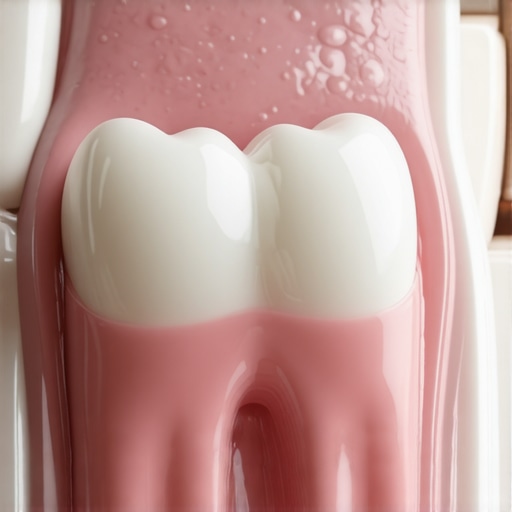
I remember the exact moment I saw it. My six-year-old was mid-giggle, mouth wide open, and there it was—a strange, chalky white patch on his brand-new adult molar. My heart hit the floor. I’d been the ‘brushing police’ for years, yet here was a blemish on a tooth that hadn’t even been in his mouth for a month. I felt like I’d failed. If you’re staring into your child’s mouth wondering where you went wrong, take a deep breath. You aren’t alone, and it probably isn’t your fault. Today, we’re going to peel back the curtain on why those spots appear and how we can keep those “soft” teeth from turning into a dental nightmare. Have you ever noticed a spot that just wouldn’t brush away no matter how hard you tried?
That Sudden Panic When the First Adult Teeth Arrive
Seeing why your child has white spots on their new adult teeth can feel like a personal defeat. We expect adult teeth to be these iron-clad replacements for the baby ones, but sometimes they arrive with what pros call Molar Incisor Hypomineralization (MIH). Essentially, the enamel didn’t “cook” long enough in the oven while the tooth was forming. It’s frustratingly common and has nothing to do with how many sweets they ate yesterday. When my son’s teeth came in, I made the huge mistake of thinking it was just a buildup of minerals I could “clean” off. I scrubbed so hard he eventually pushed my hand away. I felt terrible when I later realized I was actually irritating a sensitive area where the enamel was naturally thinner and more porous.
Are these spots going to cost me a fortune in dental work?
It’s the fear that keeps us up at night: the idea that these spots are just pre-cavities waiting to explode into expensive procedures. While it’s true that ensuring family dental care requires a bit more vigilance when MIH is present, a white spot doesn’t automatically mean a drill is in your child’s immediate future. According to the American Academy of Pediatric Dentistry, roughly 1 in 5 children globally deal with some form of hypomineralization in their permanent teeth. The trick is knowing how to manage the “softness” of the enamel before decay gets a foothold. Sometimes, family dentistry tips are less about the mechanical action of brushing and more about using the right remineralizing pastes or professional sealants to bridge the gap. We need to focus on protecting the structural integrity of what’s there. Let’s look at the specific triggers that cause this during tooth development so you can finally stop blaming the occasional juice box.
Stop Scrubbing and Start Strengthening
When I first saw that white patch on my son’s molar, I treated it like a stubborn coffee stain on a rug. I bought the firmest toothbrush I could find and went to town. Huge mistake. Knowing why your gums feel sore after switching to a harder toothbrush is vital because, for a child with hypomineralized enamel, that friction is actually painful and counterproductive. These spots are like a sponge that has dried out and become brittle; they do not need a sander, they need hydration and minerals. Switch immediately to a soft-bristled brush and teach your child to use ‘butterfly’ pressure—so light you could barely feel it on your own eyelid. I actually had to demonstrate this on my son’s arm first because he was so used to me ‘scrubbing’ that he thought the pain was just part of growing up. Gentle care preserves what little enamel density exists.
Feed the Tooth What It Is Missing
Think of MIH teeth like a piece of unfinished, raw wood. It is porous and absorbs everything, which is why it decays much faster than healthy enamel. You need to ‘seal’ those pores daily through remineralization. We started using a remineralizing paste containing calcium and phosphate (often called ACP) every night after the final brush. I would take a pea-sized amount on my finger and rub it directly onto that white spot, letting it sit like a mask while he fell asleep. If your child is picky about flavors, finding the best toothpaste for kids who hate the taste of mint can make this nightly routine much easier and more consistent. This process is about chemically rebuilding the mineral density of the enamel from the outside in, slowly turning that ‘sponge’ back into a solid surface.
Use Sealants as a Protective Raincoat
If remineralizing is the daily treatment, then professional sealants are the ultimate armor. Because these white spots are often pitted or microscopically rough, they trap sugar and bacteria like a magnet. A dentist can apply a thin, medical-grade resin that flows into those microscopic holes. I remember the immense relief I felt when our dentist explained that family dentistry building healthy smiles for every generation relies heavily on these preventative barriers for vulnerable teeth. It is exactly like putting a high-quality raincoat on your child before they go out into a storm; the rain—or in this case, the acid from food—just slides right off without touching the tooth. 
Is It a Cavity or Just a Birthmark?
One of the hardest parts of this journey was the constant second-guessing. Every time my son winced during a meal, I panicked that the tooth was rotting from the inside. Learning how to tell if a white spot on your tooth is a cavity or just a mark is a total game changer for your mental health. Generally, if the spot is hard and smooth when you run a clean fingernail over it, it is likely just a developmental mark or a sign of why your child’s front teeth have white spots on them from earlier growth. However, if it feels ‘tacky’ or like your nail catches in a tiny indentation, that is an active decay site. Also, pay attention to specific triggers; for instance, why your teeth feel sensitive to sugar but not to cold can often signal how deep the enamel deficiency goes.
Manage Diet Without the Power Struggle
You do not have to ban sugar entirely, but you do need to change the ‘contact time’ it has with the teeth. We implemented a strict rule where sweets were only eaten with main meals, never as a standalone snack. This keeps the mouth’s pH levels from dipping into the ‘enamel-melting’ zone for hours on end. It was a rocky transition at first—there were definitely some grocery store meltdowns—but seeing those white spots stay stable and white instead of turning into brown craters made every difficult afternoon worth the effort. Focus on crunchy vegetables or cheese sticks, which actually help neutralize mouth acids after a meal.Wait—before you rush out to bleach those spots away or cover them with the first set of veneers you see on social media, we need to talk about the perfection trap. Most people assume that white always equals healthy, but that is perhaps the biggest myth in modern aesthetics. In my experience, if you aim for the whitest shade on the dentist’s guide, you actually end up with a smile that looks like a row of chiclets rather than a natural part of your face. This happens because natural teeth have depth and translucency; when you over-process them, they lose their ability to catch the light.
Don’t Fall for the Toilet Bowl White Trap
Everyone says you should go for the brightest possible shade, but the real secret to a stunning smile is matching the whites of your eyes. If your teeth are significantly whiter than your sclera, they immediately look synthetic to the human eye. I have seen so many people regret choosing an ultra-bright, opaque shade only to find out how to tell if your veneers are too white for your complexion is a lesson best learned before the permanent cement is applied. When I was looking at options for my own family, I realized that how to stop your veneers from looking too white and fake is about insisting on incisal translucency—that slightly clear, glassy edge that real teeth naturally possess. 
Why Invisalign Is More Than Just Straightening Your Front Six
Here is the oops factor that catches almost everyone: focusing only on the aesthetics of the front teeth while ignoring the functional bite. You might use Invisalign innovation invisible braces changing smiles in 2025 to close a visible gap, but if the posterior alignment isn’t accounted for, you end up with strange pressure points. Have you ever felt why your new veneers feel like they are pushing against your other teeth? That is often a sign that the spatial planning was rushed or the bite wasn’t balanced. Professional Invisalign secrets achieving a perfect smile discreetly aren’t just about the plastic trays; they are about the precise placement of attachments that ensure your jaw remains comfortable throughout the shift.
Can You Actually Over-Whiten Your Teeth into Transparency?
This is the advanced question I often get from patients who have been using over-the-counter strips for years. The answer is a resounding yes. A study published in the Journal of Esthetic and Restorative Dentistry warns that over-bleaching can lead to a loss of mineral content, which makes the tooth look glassy or gray rather than bright. This is precisely why your teeth look gray instead of yellow and how to fix it; you have actually stripped away the dentin’s ability to reflect light correctly. If you are chasing teeth whitening secrets for a sparkling smile in 2025, remember that more is not always better. You need dedicated periods of re-mineralization to keep the enamel dense and healthy. Even when looking into veneers made simple transform your tooth aesthetics in 2025, if you do not address the underlying enamel health, you are simply putting a fresh coat of paint on a crumbling wall. Have you ever fallen into the trap of over-whitening only to find your teeth got more sensitive or actually looked darker? Let me know in the comments below.
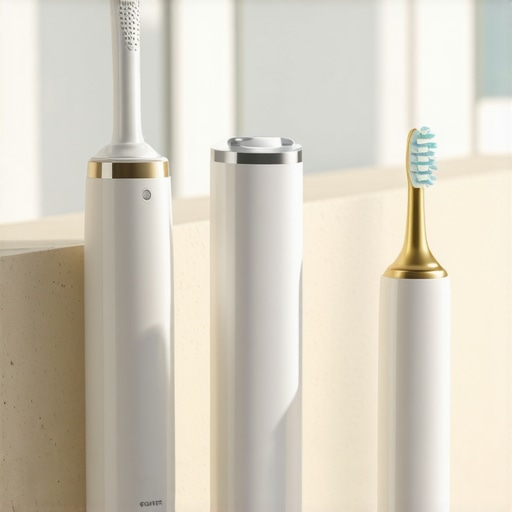
I realized quickly that the high-tech work done in the dentist’s chair is only half the battle. If you’ve invested in veneers made simple transform your tooth aesthetics in 2025 or finished a long stint with aligners, the maintenance phase is where the rubber meets the road. For me, the game-changer was moving away from a manual toothbrush entirely. I found that manual brushing was too aggressive for my son’s white spots and too inconsistent for my own gum line. I switched our whole family to sonic brushes with pressure sensors. It’s the sensor that matters most—it flashes red if you’re pushing too hard, which is the number one reason people inadvertently damage their dental work.
If you have veneers, you have to stop brushing your veneers like they are real teeth because abrasive pastes can actually microscopically scratch the porcelain over time, making them lose that initial luster. I also added a water flosser to my nightly ritual. It’s not just about getting the food out; it’s about oxygenating the pockets where bacteria love to hide, especially around Invisalign secrets achieving a perfect smile discreetly attachments or under permanent lingual retainers.
How do I keep my smile looking new for years?
The secret isn’t just more brushing; it’s specific care for the materials in your mouth. For example, if you wear a night guard to protect your investment, you need to know how to properly clean a night guard to prevent bacterial buildup. I personally use an ultrasonic cleaner—a little pod that uses sound waves to shake loose every bit of plaque. According to research published in the Journal of Clinical Periodontology, ultrasonic cleaning of removable appliances is significantly more effective at reducing microbial load than manual brushing alone. This keeps your breath fresh and your appliances from turning that funky yellow color.
When it comes to stains, skip the grit. If you’re a red wine lover like me, don’t reach for charcoal toothpaste which can shred your enamel. Instead, look for the only way to get red wine stains off your enamel without scrubbing by using pH-neutralizing rinses or simply drinking water alongside your glass. Looking ahead, I predict we are about to see Smart Mirrors become the standard in ensuring family dental care what parents need to know in 2025. We’re talking about mirrors that use AI to scan your teeth while you brush and highlight areas of demineralization in real-time. My advanced tip for you this week: Invest in a small ultrasonic cleaning pod for your retainers or guards. It is a small investment that will extend the life of your dental appliances by years. Go ahead and try it—you will be shocked by what a manual brush was leaving behind!
What No One Tells You About Living with High-End Dental Work
I used to think that caring for my family’s teeth was a battle of attrition against plaque, but I’ve learned it’s actually a conservation project. The biggest ‘lightbulb moment’ for me was realizing that once you damage the structural integrity of enamel or porcelain, you can’t simply brush it back to health; you have to be a guardian of the surface. Another lesson? Don’t chase trends over health. The latest DIY whitening hack might give you a temporary glow, but it can cause permanent thinning of the enamel that you’ll regret later. Finally, remember that your teeth are part of a living system. They respond to your hydration, your stress levels (grinding!), and your diet just as much as they do to a toothbrush.
The Daily Gear That Keeps My Family Smiling
I’ve tested dozens of products, but only a few have earned a permanent spot on our bathroom counter. An ultrasonic cleaning pod is non-negotiable if you use any removable appliance; you can learn how to clean the stubborn gunk out of your night guard or aligners in minutes without abrasive scrubbing. I also swear by water flossers for anyone who has Invisalign secrets achieving a perfect smile discreetly, as they reach areas where traditional string simply cannot. For my son’s MIH-affected teeth, we keep a supply of remineralizing paste with ACP—it is essentially a first-aid kit for vulnerable enamel.
Taking the First Step Toward a Stress-Free Smile
Don’t let the fear of a few white spots or the perceived complexity of family dentistry building healthy smiles for every generation stop you from moving forward. A healthy smile isn’t about achieving an impossible standard of perfection; it’s about being proactive and consistent. Whether you are managing your child’s first adult molars or maintaining your own fresh set of veneers, you now have the tools to keep that smile shining and strong. You’ve got this!
Have you ever found a white spot that made you panic, or are you currently debating between different whitening methods? Let me know in the comments below.