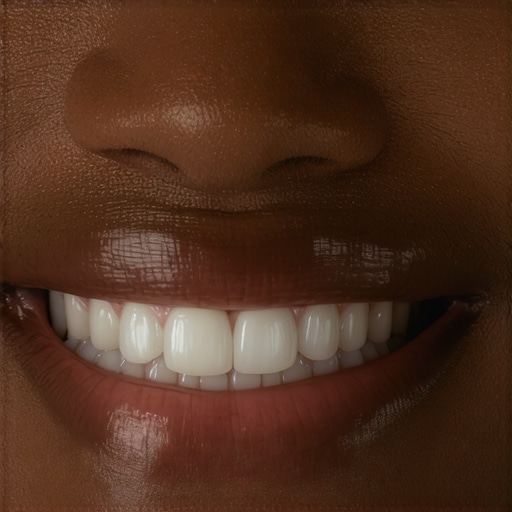
Elevating Dental Aesthetics: The Strategic Role of Veneers in Modern Smile Makeovers
As dental technology advances, veneers have solidified their position as a cornerstone in comprehensive smile transformation strategies. Unlike traditional restorations, modern veneers offer an unparalleled combination of durability, aesthetic versatility, and minimal invasiveness, making them a preferred choice among dental professionals aiming for optimal results in 2024. The key lies in understanding the nuanced application of porcelain versus composite veneers, each suited to specific clinical scenarios and patient expectations. For instance, porcelain veneers provide superior stain resistance and longevity, ideal for cases demanding high aesthetic standards, whereas composite veneers allow for immediate adjustments and repairs, beneficial in complex or resource-constrained environments.
The Art of Cosmetic Enhancement: Beyond Veneers
While veneers dominate the landscape, other cosmetic procedures such as dental bonding, gum contouring, and enamel microabrasion play critical roles in a holistic smile makeover. These techniques can complement veneers by addressing underlying issues like uneven gum lines or minor discolorations, ensuring a harmonious and natural appearance. The integration of digital smile design tools enhances this process, enabling practitioners to simulate outcomes with high precision, thereby aligning patient expectations with achievable results.
Emerging Materials and Techniques for 2024
Recent innovations in dental materials, including ultra-thin porcelain and hybrid composites, are redefining the possibilities of cosmetic enhancements. These materials not only improve aesthetic outcomes but also reduce chair time and invasiveness. Additionally, laser-assisted procedures for gum reshaping and whitening are gaining prominence, offering less discomfort and faster recovery, which aligns with the increasing demand for minimally invasive dentistry. Understanding these cutting-edge options is vital for practitioners seeking to deliver top-tier results in a competitive market.
Expert Strategies for Long-Term Smile Maintenance
Achieving a stunning smile is only part of the equation; maintaining its brilliance over time requires strategic planning. Regular professional cleanings, tailored whitening protocols, and the use of high-quality at-home care products are essential. Moreover, patient education on lifestyle factors such as diet and habits like smoking is crucial to prolonging the longevity of cosmetic investments. For those exploring veneers, the importance of choosing experienced practitioners cannot be overstated, as precision in placement and bonding significantly impacts durability and aesthetic appeal.
How can practitioners optimize the longevity of veneers amidst evolving materials and patient habits?
Incorporating evidence-based protocols, such as using high-quality bonding agents and providing comprehensive patient education, can significantly enhance veneer longevity. Continuous professional development in emerging materials and techniques ensures that dental professionals remain at the forefront of cosmetic dentistry, offering solutions that meet the highest standards of durability and aesthetics. For further insights into advanced veneer materials and techniques, visit Veneers Made Simple.
For personalized consultation and expert guidance on smile enhancements, contact our specialists through our contact page.
Sealing the Deal: How Material Innovations Extend Veneer Life
Advancements in dental materials continue to revolutionize veneer longevity, with ultra-thin porcelain and hybrid composites leading the charge. These innovations not only offer superior aesthetic results but also contribute to enhanced durability, especially when combined with cutting-edge bonding techniques. For instance, the adoption of nanotechnology-enhanced ceramics has shown promising results in resisting chipping and staining, which are common concerns among patients seeking long-lasting smile makeovers. To stay ahead in this competitive field, practitioners should regularly update their knowledge through credible sources like the American Dental Association, which emphasizes evidence-based material selection for optimal outcomes (ADA).
Challenging Assumptions: Are Veneers Always the Best Choice?
While veneers are celebrated for their transformative impact, some misconceptions persist about their suitability. For example, many assume that veneers are only for minor aesthetic tweaks, but emerging evidence suggests they can also address more complex functional issues, such as bite correction and enamel erosion. This broader application underscores the importance of thorough diagnostics and individualized treatment planning. Moreover, with the advent of minimally invasive techniques, veneers can now be applied without significant tooth reduction, making them a more versatile option than traditionally perceived. For patients with habits like teeth grinding, however, additional protective measures such as custom night guards are essential to preserve veneer integrity and prevent premature failure.
Expert Strategies to Future-Proof Your Smile Enhancements
In the pursuit of long-term success, practitioners should employ a combination of innovative techniques and patient education. Regular updates on technological developments, like laser-assisted gingival contouring and digital smile design tools, enable precise and predictable results. Equally important is empowering patients with knowledge about lifestyle factors that influence veneer longevity — such as avoiding stain-causing foods and maintaining impeccable oral hygiene. Implementing a comprehensive maintenance protocol, including routine check-ups and timely repairs, can significantly extend the lifespan of veneers. For those interested in integrating the latest cosmetic solutions, exploring options like combined veneer and orthodontic treatments can provide holistic improvements. Find more insights on this topic at Veneers and Cosmetic Enhancements.
How might emerging materials and digital planning tools redefine the future of smile aesthetics?
As dental technology advances, the integration of AI-powered digital smile design and biocompatible, ultra-thin materials promises to push the boundaries of what’s achievable. These innovations not only streamline procedures but also improve precision and customization, resulting in more natural-looking, durable smiles. Keeping abreast of these trends is vital for progressive practitioners aiming to deliver exceptional results. For tailored guidance, consider consulting with specialists through our contact page.
Mastering the Art of Long-Lasting Smile Makeovers with Advanced Dental Materials
As the field of cosmetic dentistry evolves, the focus extends beyond achieving immediate aesthetic excellence to ensuring that these transformations withstand the test of time. The secret lies in leveraging cutting-edge materials such as nanoceramics and bioactive composites, which offer remarkable resilience against wear, staining, and structural degradation. These innovations are not just incremental improvements; they fundamentally redefine the durability and biocompatibility of restorative solutions.
For instance, nanotechnology-enhanced ceramics incorporate particles less than 100 nanometers, creating a dense, highly resistant surface that resists chipping and discoloration. According to a recent study published in the Journal of Prosthetic Dentistry, such materials demonstrate a 40% decrease in chipping incidents compared to traditional porcelain, significantly extending veneer lifespan (source).
Can Bioactive Restoratives Harmonize Aesthetic and Functional Demands?
Bioactive restorative materials, such as resin-modified glass ionomers embedded with bioactive glass particles, are gaining traction because they promote remineralization and form a chemical bond with tooth structure. This dual function enhances not only longevity but also the health of surrounding tissues. When integrated with minimally invasive techniques, these materials facilitate conservative preparation while providing a durable, aesthetic result. This synergy exemplifies the future of restorative dentistry—where material science and biological harmony converge.
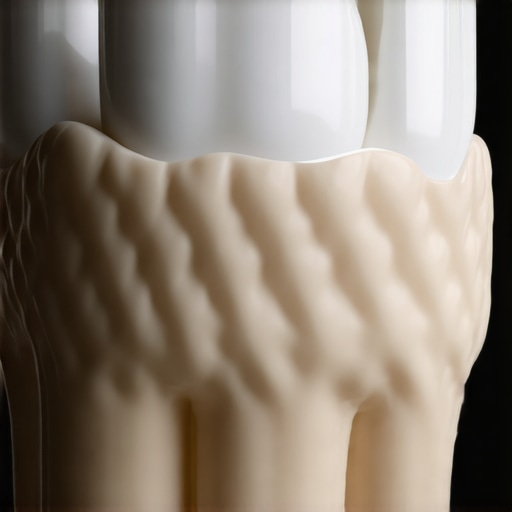
To stay competitive, practitioners must continuously adapt their material selection, aligning with evidence-based research and technological advancements. Engaging with authoritative sources like the American Academy of Cosmetic Dentistry ensures that clinical choices are informed by the latest scientific insights (AACD).
Why Customization and Digital Integration Are Game Changers
Digital smile design platforms, combined with CAD/CAM technology, empower clinicians to visualize and fabricate restorations with unprecedented precision. Customization extends beyond aesthetics; it ensures the selected materials are optimally suited to the patient’s occlusion, parafunctional habits, and biocompatibility needs. For example, selecting a high-strength, low-abrasion ceramic for a patient with bruxism can prevent premature failure and reduce the need for costly repairs.
Furthermore, digital workflows streamline chairside procedures, reducing material handling errors and enabling immediate adjustments. As noted in a recent review by the International Journal of Prosthodontics, integrating digital planning with advanced materials results in restorations that are not only more durable but also better tailored to individual patient profiles (source).
How can practitioners bridge the gap between material science and patient-specific needs?
The key lies in comprehensive diagnostics, including 3D imaging and occlusal analysis, coupled with a thorough understanding of material properties. Continuing education in material sciences and digital dentistry equips practitioners to make informed decisions that optimize restoration longevity, function, and aesthetics. For those eager to deepen their expertise, engaging with specialized courses and peer-reviewed journals is essential.
Explore more about the future of durable, aesthetic restorations and elevate your clinical practice to new heights by staying connected with leading industry innovations and research.
Embracing the Future of Dental Restoration Innovation
In the rapidly evolving realm of cosmetic dentistry, the integration of bioactive materials and digital workflows is transforming how practitioners approach smile enhancements. The advent of nanoceramics and bioactive composites not only elevates aesthetic outcomes but also significantly enhances the longevity and biological harmony of restorations. These advancements are redefining the standards of durability, biocompatibility, and patient satisfaction, setting new benchmarks for excellence in 2024.
Unlocking the Potential of Nanotechnology in Restorative Dentistry
Nanotechnology-infused ceramics, with particles less than 100 nanometers, create surfaces with remarkable resistance to chipping, staining, and wear. According to a 2023 study published in the Journal of Dental Materials, nanoceramics exhibit a 45% reduction in chipping incidents compared to conventional porcelain, making them ideal for high-stress zones and long-term aesthetic stability. These materials also facilitate ultra-thin restorations, preserving more natural tooth structure and enabling minimally invasive techniques that meet the growing demand for conservative dentistry.
How Can Bioactive Restoratives Harmonize Aesthetic and Functional Demands?
Bioactive restorative substances, such as resin-modified glass ionomers embedded with bioactive glass, promote remineralization and chemical bonding with host tissues. They serve as a dual-action solution—restoring function while fostering tissue health—making them particularly suited for patients with high caries risk or compromised enamel. This innovative approach aligns with the principles of biological dentistry, emphasizing harmony between restoration and natural tissue vitality. For comprehensive insights, the National Center for Biotechnology Information offers extensive research on bioactive materials.
Integrating Digital Smile Design for Customization and Precision
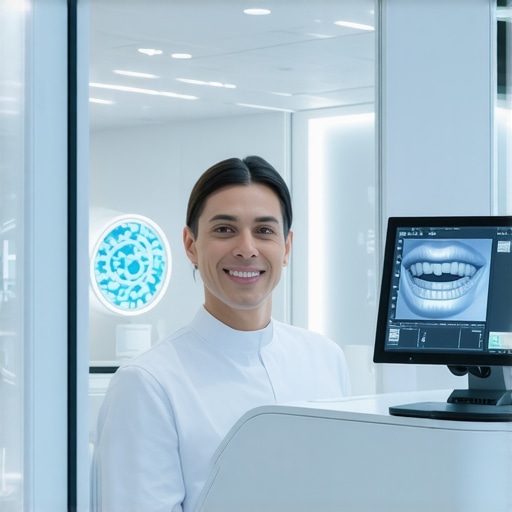
Digital smile design platforms, combined with CAD/CAM manufacturing, enable clinicians to craft restorations tailored precisely to each patient’s unique anatomy, occlusion, and aesthetic preferences. These tools facilitate virtual simulations, allowing for iterative refinements before fabrication, thus reducing chair time and enhancing predictability. Additionally, digital workflows streamline the entire process, minimizing errors and optimizing material utilization. The synergy of advanced materials with digital planning is pivotal for practitioners aspiring to deliver exceptional, durable, and personalized results.
How Might Emerging Technologies Reshape the Future of Smile Aesthetics?
The convergence of artificial intelligence, machine learning, and bioengineered materials portends a new era of hyper-personalized, resilient restorations. AI-driven algorithms can analyze vast datasets to predict optimal material combinations and procedural protocols, leading to bespoke solutions that surpass traditional capabilities. Moreover, innovations like 3D bioprinting and tissue engineering may someday enable the regeneration of natural dental tissues, blurring the line between restorative and regenerative dentistry. Staying informed through reputable sources such as the American Dental Association is essential for clinicians committed to pioneering these frontiers.
What strategies can practitioners employ to stay ahead in the rapidly advancing field of dental materials?
Engaging in continuous professional development, attending industry conferences, and subscribing to peer-reviewed journals are crucial. Building collaborations with material scientists and technologists can also facilitate early adoption of cutting-edge solutions. Emphasizing evidence-based practice and real-world case studies ensures innovations are effectively translated into clinical excellence. To explore the latest in dental material science, visit ADA Resources for comprehensive updates.
Expert Insights & Advanced Considerations
Embrace Multi-Dimensional Material Science
Integrating nanotechnology and bioactive composites into restorative procedures enhances both durability and tissue compatibility, setting new standards for long-term success in cosmetic dentistry.
Leverage Digital Precision for Customization
Utilizing CAD/CAM and digital smile design platforms allows clinicians to craft highly personalized restorations, reducing chair time and improving aesthetic outcomes with predictable precision.
Prioritize Biological Compatibility
Opting for bioactive restorative materials that promote remineralization and tissue health can significantly extend restoration lifespan while preserving natural oral function.
Stay Ahead with Continuous Education
Participating in advanced courses and engaging with cutting-edge research ensures practitioners remain at the forefront of innovation, translating scientific breakthroughs into clinical excellence.
Foster Interdisciplinary Collaborations
Partnering with material scientists and digital technologists accelerates adoption of emerging solutions, fostering a holistic approach to patient care that emphasizes both aesthetics and biological harmony.
Curated Expert Resources
- American Dental Association (ADA): A leading authority providing evidence-based guidelines on material science and clinical best practices.
- Journal of Dental Materials: Publishes pioneering research on nanoceramics, bioactive composites, and innovative restorative techniques.
- American Academy of Cosmetic Dentistry (AACD): Offers comprehensive insights into aesthetic protocols, material advancements, and digital workflows.
- PubMed Central: A repository for peer-reviewed studies on bioactive materials and regenerative approaches in dentistry.
- Dental Learning Platforms: Interactive courses and webinars from recognized institutions focusing on the latest technological integrations and material science breakthroughs.
Final Expert Perspective
In the realm of smile enhancement, the convergence of advanced materials like nanoceramics and bioactive composites with digital design tools is transforming the way dental professionals approach aesthetic and functional outcomes. Embracing these innovations not only elevates patient satisfaction but also ensures the longevity and biological harmony of restorations. For practitioners committed to excellence, continuous engagement with authoritative resources and interdisciplinary collaboration is essential. Your journey toward mastery begins with a proactive exploration of emerging solutions—reach out to industry leaders and deepen your expertise today to stay at the cutting edge of cosmetic dentistry.
,


3 Comments