
Teeth Whitening & Invisalign: Best Strategies for Bright Smiles in 2024
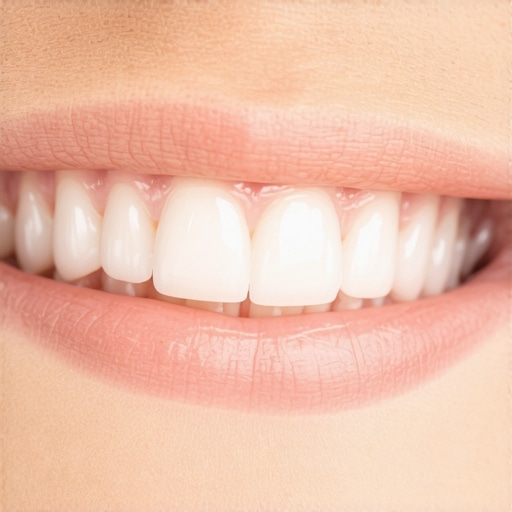
Elevating Dental Aesthetics: The New Paradigm in Brightening and Aligning Smiles
As we navigate the evolving landscape of cosmetic dentistry in 2024, it becomes evident that combining teeth whitening with Invisalign treatment offers a synergistic approach to achieving optimal smile aesthetics. This integrated strategy, rooted in recent innovations, exemplifies how dental professionals can deliver transformative results that transcend traditional methods.
Complexities of Achieving Synergistic Results in Modern Smile Makeovers
Historically, teeth whitening and orthodontic corrections were treated as separate domains. However, contemporary research emphasizes their interconnectedness; aligning teeth with Invisalign enhances the effectiveness of whitening procedures, as proper alignment ensures uniform light reflection and stain removal. The challenge lies in timing these procedures to maximize aesthetic outcomes while maintaining oral health integrity.
What Are the Best Protocols for Sequential or Simultaneous Whitening and Invisalign Therapy?
Expert consensus suggests a tailored approach, often involving initial orthodontic alignment to correct malocclusion, followed by professional whitening to accentuate the final results. In some cases, accelerated whitening can be performed concurrently if the patient’s oral tissues are healthy, with close monitoring to prevent sensitivity. This duality requires precise planning and expertise, emphasizing the importance of comprehensive case assessments by qualified dentists. For further insights, explore our Ultimate Guide to Invisalign and Teeth Whitening.
Leveraging Scientific Advances for Superior Outcomes
Recent advancements, such as low-impact bleaching agents and customized aligner designs, have minimized treatment discomfort and enhanced aesthetic precision. Incorporating digital smile design tools allows practitioners to visualize the integrated results beforehand, reducing guesswork and increasing patient satisfaction. Moreover, understanding the influence of enamel porosity and staining patterns, as documented in peer-reviewed journals like the Journal of Esthetic and Restorative Dentistry, guides clinicians in selecting optimal whitening protocols compatible with orthodontic appliances.
Why Personalized Strategies Trump One-Size-Fits-All Approaches
Every patient presents unique challenges, from varying enamel qualities to lifestyle considerations that impact stain susceptibility. Advanced diagnostics, including 3D imaging and shade mapping, enable the development of bespoke treatment plans. This personalized methodology not only enhances aesthetic outcomes but also fosters patient trust and engagement, crucial elements in complex smile makeovers.
How Can Dental Teams Innovate to Stay Ahead in the Competitive Field of Smile Enhancement?
Continuous professional development, embracing cutting-edge technologies, and fostering interdisciplinary collaboration are vital. Investing in training for the latest minimally invasive whitening techniques and aligner innovations ensures practitioners can deliver results that meet the highest standards of excellence. For more on innovative dental solutions, visit our Effective Veneers and Cosmetic Enhancements.
In conclusion, the intersection of advanced teeth whitening and Invisalign in 2024 signifies a paradigm shift toward more holistic, patient-centered smile transformations. By integrating scientific insights, personalized diagnostics, and innovative technology, dental professionals can unlock new levels of aesthetic excellence and patient satisfaction.
Interested in elevating your practice? Explore our Invisalign Innovation Insights or contact us through our Contact Page for expert guidance.
Unlocking the Power of Digital Smile Design in Modern Dentistry
In the pursuit of perfecting smiles, digital tools have revolutionized how dental professionals plan and execute treatments. Digital smile design (DSD) enables clinicians to create precise visualizations of the final aesthetic, allowing for meticulous planning of combined Invisalign and whitening procedures. This approach not only enhances patient confidence by setting clear expectations but also streamlines the treatment process, reducing the need for multiple adjustments and appointments. As highlighted by industry leaders, embracing digital workflows is essential for staying ahead in the competitive landscape of cosmetic dentistry. For more insights, explore our Invisalign Innovation in 2025.
Challenging Assumptions About Sequential Treatments
Many believe that whitening should always follow orthodontic correction; however, emerging evidence suggests that strategic sequencing can vary based on individual needs. For example, pre-aligner whitening can be advantageous in cases where staining is prominent, providing a brighter baseline before alignment begins. Conversely, some cases benefit from post-aligner whitening to perfect the final shade after orthodontic movement. The decision hinges on factors like enamel integrity, stain type, and patient lifestyle. Clinicians must weigh these variables carefully to customize the most effective treatment plan, emphasizing that a one-size-fits-all approach is outdated. To discover more about personalized smile strategies, visit our Veneers and Cosmetic Enhancements Guide.
How Can Advanced Diagnostics Improve Smile Makeovers?
Innovations such as 3D imaging, shade-mapping technology, and enamel analysis empower dentists to craft highly individualized treatment plans. These diagnostic tools reveal subtle nuances in tooth structure, stain distribution, and enamel health, guiding the selection of optimal whitening agents and aligner designs. As a result, practitioners can predict outcomes more accurately, minimize unforeseen issues, and enhance overall patient satisfaction. Incorporating these technologies aligns with the latest standards set by the Journal of Esthetic and Restorative Dentistry, which emphasizes the importance of evidence-based personalization in aesthetic procedures. For further reading on diagnostic advancements, see our Top Strategies for Invisalign and Whitening in 2024.
Building Trust Through Patient Engagement and Education
Effective communication is the cornerstone of successful smile transformations. Educating patients on the interplay between orthodontics and whitening, and setting realistic expectations, fosters trust and compliance. Visual aids, before-and-after images, and clear explanations of each phase demystify the process, encouraging patients to participate actively in their treatment journey. Moreover, involving patients in the decision-making process demonstrates respect for their preferences and concerns, ultimately leading to higher satisfaction levels. For comprehensive tips on engaging your patients, explore our Family Dentistry Tips for Trust and Bright Smiles.
What emerging techniques or tools do you see transforming the way dental teams deliver aesthetic results in 2024? Share your thoughts or experiences below to contribute to the evolving conversation on smile enhancement strategies.
The Role of Enamel Health in Precision Smile Makeovers
In the pursuit of achieving immaculate smile aesthetics, the integrity of enamel becomes a pivotal consideration. Modern protocols emphasize the importance of comprehensive enamel assessments prior to initiating whitening or orthodontic procedures. Techniques such as quantitative light-induced fluorescence (QLF) and digital enamel analysis provide dentists with detailed insights into enamel porosity, mineral content, and staining patterns. These diagnostic advancements enable clinicians to customize treatment plans that prioritize enamel preservation while maximizing aesthetic results.
Enamel health directly influences the choice of whitening agents; for instance, low-concentration, pH-balanced bleaching gels are preferred for compromised enamel to minimize sensitivity and structural loss. Moreover, the use of remineralization therapies—such as topical fluoride, CPP-ACP (casein phosphopeptide-amorphous calcium phosphate), or bioactive glass—can fortify enamel, creating a resilient foundation for subsequent whitening and orthodontic treatments. By integrating these strategies, practitioners can ensure that aesthetic enhancements do not compromise long-term oral health, aligning with the latest guidelines published by the American Academy of Cosmetic Dentistry (AACD).
Innovative Techniques for Seamless Clinical Workflow Integration
Efficiently merging whitening and Invisalign treatments requires adopting cutting-edge technological workflows. Digital smile design (DSD) platforms, such as DSDApp or 3D rendering software, facilitate virtual simulations that incorporate both alignment and whitening outcomes. This allows for precise sequencing—whether whitening is performed before, during, or after orthodontic movement—based on individual patient needs and staining characteristics.
Additionally, the advent of smart aligners equipped with integrated whitening agents has opened new avenues for concurrent aesthetic improvement. These aligners, embedded with controlled-release bleaching compounds, enable simultaneous alignment and whitening, reducing treatment duration and enhancing patient satisfaction. While still emerging, clinical studies published in the Journal of Dental Research indicate promising results with these multifunctional appliances, emphasizing the importance of rigorous material testing and regulatory approval.
How Do Variations in Staining Patterns Influence Treatment Sequencing?
Staining patterns—whether extrinsic, intrinsic, or a combination of both—play a significant role in determining the optimal treatment sequence. Extrinsic stains, often caused by dietary pigments or tobacco, are generally superficial and responsive to professional cleaning and whitening. Intrinsic stains, resulting from developmental disturbances or fluorosis, may require more advanced approaches like microabrasion or internal bleaching before aligning with orthodontic plans. Recognizing these distinctions through detailed shade mapping, utilizing spectrophotometry, allows clinicians to strategize effectively, ensuring that whitening enhances, rather than conflicts with, orthodontic objectives.
For a comprehensive understanding of staining management, consult authoritative sources such as the American Association of Esthetic Dentistry.
Future-Forward Approaches: Nanotechnology and Customized Materials
Emerging innovations in nanotechnology promise to redefine aesthetic dentistry. Nano-porous whitening agents and bioactive nanocomposites are being developed to deliver targeted, efficient stain removal while reinforcing enamel structure. Customization also extends to aligner materials—engineered at the molecular level to optimize transparency, biocompatibility, and whitening efficacy.
Furthermore, incorporating artificial intelligence (AI) into treatment planning enables predictive modeling of stain response and enamel response, allowing for hyper-personalized protocols. As research published in the International Journal of Nanomedicine suggests, these technologies will facilitate minimally invasive, highly effective aesthetic interventions that are tailored to each patient’s unique oral environment.
Engaging Patients with Cutting-Edge Education Strategies
Involving patients in their aesthetic journey is crucial. Advanced visualization tools, including augmented reality (AR) and virtual reality (VR), are transforming patient education by providing immersive previews of potential outcomes. This not only enhances understanding but also promotes informed consent and expectation management.
Developing educational content that explains the science behind enamel health, staining, and the benefits of integrated whitening and orthodontic treatments empowers patients to make confident decisions. As highlighted by the ADA Center for Evidence-Based Dentistry, transparent communication fosters trust, compliance, and ultimately, superior aesthetic results.
What innovative diagnostic or treatment modalities are you most excited to implement in your practice to elevate smile transformations? Share your insights and experiences in the comments below to contribute to the future of aesthetic dentistry.
Revolutionize Your Practice by Integrating Cutting-Edge Whitening and Invisalign Strategies
In 2024, the frontier of cosmetic dentistry is marked by the seamless fusion of sophisticated teeth whitening protocols with innovative Invisalign applications. Leveraging the latest technological advancements, dental professionals can craft tailored, highly effective smile transformation plans that optimize both aesthetics and oral health. This approach not only elevates patient satisfaction but also positions practices at the vanguard of aesthetic excellence.
Strategic Sequencing of Whitening and Invisalign for Superior Results
Recent clinical insights reveal that the timing of whitening relative to orthodontic intervention significantly influences final outcomes. Pre-aligner whitening can serve as a powerful tool to remove superficial stains, creating a pristine baseline for subsequent orthodontic correction. Conversely, post-aligner whitening targets residual intrinsic stains, ensuring a uniform, radiant smile. Each case demands a personalized assessment, incorporating diagnostic imaging and stain analysis, to determine the optimal sequence—an expertise that distinguishes leading practitioners in the field.
What Are the Key Criteria for Customizing Treatment Timing in Smile Makeovers?
Clinicians must evaluate enamel integrity, stain type, and patient lifestyle factors. Enamel thickness and porosity, assessed via quantitative light-induced fluorescence (QLF) and spectrophotometry, inform the choice of bleaching agents and timing. According to the Journal of Esthetic and Restorative Dentistry, integrating digital diagnostics enhances precision, minimizes sensitivity, and preserves enamel health, thereby securing long-term aesthetic success.
Harnessing Digital Innovations to Forecast and Fine-Tune Outcomes
The advent of digital smile design (DSD) platforms, such as 3Shape or DSDApp, revolutionizes treatment planning by enabling practitioners to simulate combined whitening and orthodontic results visually. These tools facilitate intricate planning, allowing for adjustments that consider staining patterns, enamel health, and alignment goals. Integrating AI-driven predictive models further refines treatment protocols, reducing unpredictability and streamlining workflows—an essential evolution for practices striving for excellence.
Enamel Preservation: The Cornerstone of Longevity in Cosmetic Enhancements
Enamel health remains paramount when executing combined cosmetic procedures. Advanced diagnostic methods, including micro-CT imaging and bioactive remineralization therapies, empower clinicians to safeguard this vital tissue. Selecting pH-balanced, low-impact bleaching agents and employing remineralization protocols like CPP-ACP and bioactive glass strengthen enamel, ensuring that aesthetic gains do not compromise structural integrity. This meticulous approach aligns with the standards outlined by the American Academy of Cosmetic Dentistry (AACD), emphasizing evidence-based, patient-centric care.
Revolutionizing Patient Engagement with Interactive Visualization
Emerging technologies such as augmented reality (AR) and virtual reality (VR) are transforming patient education, providing immersive previews of anticipated results. This not only enhances understanding but also fosters trust and informed consent. When patients visualize their future smile, their commitment to treatment adherence increases, reducing anxiety and aligning expectations with achievable outcomes—critical factors in complex, multi-phase procedures.
What Role Will Nanotechnology Play in Next-Generation Cosmetic Dentistry?
Nanotechnology is poised to redefine dental materials, offering nano-porous whitening agents and bioactive nanocomposites that deliver targeted stain removal while reinforcing enamel at the molecular level. Customized aligners embedded with nanomaterials enable simultaneous alignment and whitening, dramatically reducing treatment duration. As detailed in the International Journal of Nanomedicine, these innovations promise minimally invasive, highly personalized solutions that elevate aesthetic results and patient comfort.
Embrace the Future—Elevate Your Skillset with Continual Innovation
Remaining at the forefront requires ongoing education in emerging technologies such as AI-driven diagnostics, bioactive materials, and multifunctional aligners. Participating in specialized training, attending industry conferences, and collaborating across disciplines will empower your practice to deliver unparalleled smile transformations. For dedicated insights into the latest advancements, visit our Invisalign Innovation Insights.
Take proactive steps today to integrate these breakthroughs into your clinical repertoire, transforming lives with precision, artistry, and scientific rigor.
Revolutionary Approaches to Smile Makeovers
Leading dental professionals now recognize the immense value of integrating advanced teeth whitening techniques with Invisalign treatments. This synergy allows for highly personalized, efficient, and aesthetically pleasing smile transformations that meet the sophisticated demands of 2024’s cosmetic dentistry landscape.
Strategic Insights from Industry Experts
Prioritize Enamel Preservation During Aesthetic Procedures
Experts emphasize that a thorough assessment of enamel health through micro-CT imaging or bioactive remineralization strategies is crucial. These diagnostics guide the selection of gentle whitening agents and aligner materials, ensuring long-term oral health while achieving optimal aesthetic outcomes.
Leverage Digital Smile Design for Precise Planning
Utilizing cutting-edge digital tools like 3D smile simulations enables clinicians to visualize combined whitening and orthodontic results. This predictive approach minimizes surprises, streamlines workflows, and enhances patient confidence in treatment results.
Sequence Treatments Based on Staining Patterns
Strategically timing whitening—either before or after orthodontic correction—depends on the stain type. Extrinsic stains respond well to pre-aligner whitening, while intrinsic stains may require post-treatment bleaching for uniform brightness, as supported by peer-reviewed research in the Journal of Esthetic Dentistry.
Innovate with Multifunctional Aligners
Emerging aligners embedded with controlled-release bleaching agents are redefining efficiency. These appliances facilitate concurrent alignment and whitening, reducing overall treatment time and elevating patient satisfaction.
Focus on Personalized Treatment Protocols
Employing 3D imaging, shade mapping, and enamel analysis enables bespoke treatment plans. Such precision reduces sensitivity, preserves enamel integrity, and results in more natural-looking, durable smile enhancements.
Curated Resources for Deepening Expertise
- American Academy of Cosmetic Dentistry (AACD): Offers evidence-based guidelines on enamel management and aesthetic protocols.
- Journal of Esthetic and Restorative Dentistry: Publishes peer-reviewed studies on staining, bleaching agents, and digital planning innovations.
- 3Shape Digital Solutions: Provides advanced software for smile design and treatment simulation.
- International Journal of Nanomedicine: Explores nanotechnology applications in stain removal and material customization.
- ADA Center for Evidence-Based Dentistry: Delivers comprehensive research on diagnostic technologies and minimally invasive procedures.
Final Perspective from a Leading Expert
The future of smile enhancement in 2024 hinges on the seamless integration of scientific innovation, personalized diagnostics, and digital precision, especially when combining teeth whitening with Invisalign therapy. These advancements empower clinicians to deliver results that are not only stunning but also sustainable and health-conscious. Engaging with ongoing education and adopting emerging technologies will ensure your practice remains at the forefront of aesthetic dentistry. Share your insights or explore the latest innovations at Invisalign Innovation in 2025.
Comments are closed.